admin
admin
In the small, rural town of Mount Olive, North Carolina—a community primarily recognized for its namesake pickle industry—Ryan Roberts, the owner of R&R Brewing, found himself facing a common modern dilemma for small business owners: underutilized real estate. Since opening the brewery in 2018, Roberts had developed a fenced-in yard designed to host food trucks and outdoor gatherings. However, he observed a persistent disconnect between the outdoor traffic and the indoor taproom. While visitors would frequent the food trucks, many would bypass the brewery itself, leaving the land’s potential untapped while property taxes continued to accrue.
Roberts’ decision to pivot toward the hospitality and outdoor recreation sector in late 2020 mirrors a broader, nationwide trend within the craft beer industry. By partnering with Harvest Hosts—a membership-based network that connects self-contained RV travelers with private landowners—Roberts transformed his "dirt" into a revenue-generating asset. For the minimal investment of $60 in signage, R&R Brewing began hosting campers who, seeking an alternative to the sterile environment of retail parking lots, frequently spent upwards of $80 per stay on pints and merchandise. This shift marks a significant departure from the industry’s previous "build it and they will come" philosophy, signaling a new era where breweries must function as multi-use destinations to survive in an increasingly saturated market.
The Convergence of the Craft Beer and Outdoor Recreation Sectors
The intersection of craft beer and camping is not a historical accident but a calculated response to shifting consumer behaviors. According to data from the Brewers Association, the number of operating craft breweries in the United States has surged from approximately 2,000 in 2011 to over 9,500 in 2023. This explosive growth has led to intense competition for shelf space and tap handles, forcing many independent brewers to rely more heavily on "own-premise" sales—revenue generated directly within their taprooms.
Simultaneously, the outdoor hospitality industry experienced an unprecedented boom during the COVID-19 pandemic. As indoor entertainment venues shuttered, Americans turned to the outdoors in record numbers. A 2023 report from The Dyrt, a prominent camping platform, revealed that 45 percent of its users bring beer on their trips, with 37 percent specifically seeking out craft varieties. However, as national and state parks reach capacity and reservation systems become increasingly difficult to navigate, a supply-demand gap has emerged. Breweries, often located on expansive rural plots or possessing large industrial parking lots, are uniquely positioned to fill this void.
Kevin Long, CEO of The Dyrt, notes that businesses are increasingly recognizing their land as an "untapped resource." The value proposition for the consumer is straightforward: the ability to enjoy high-quality, locally produced beverages without the logistical concern of driving home, as the "hotel room" is parked just yards away from the bar.
Geographic Diversity: From Wilderness Retreats to Urban Waypoints
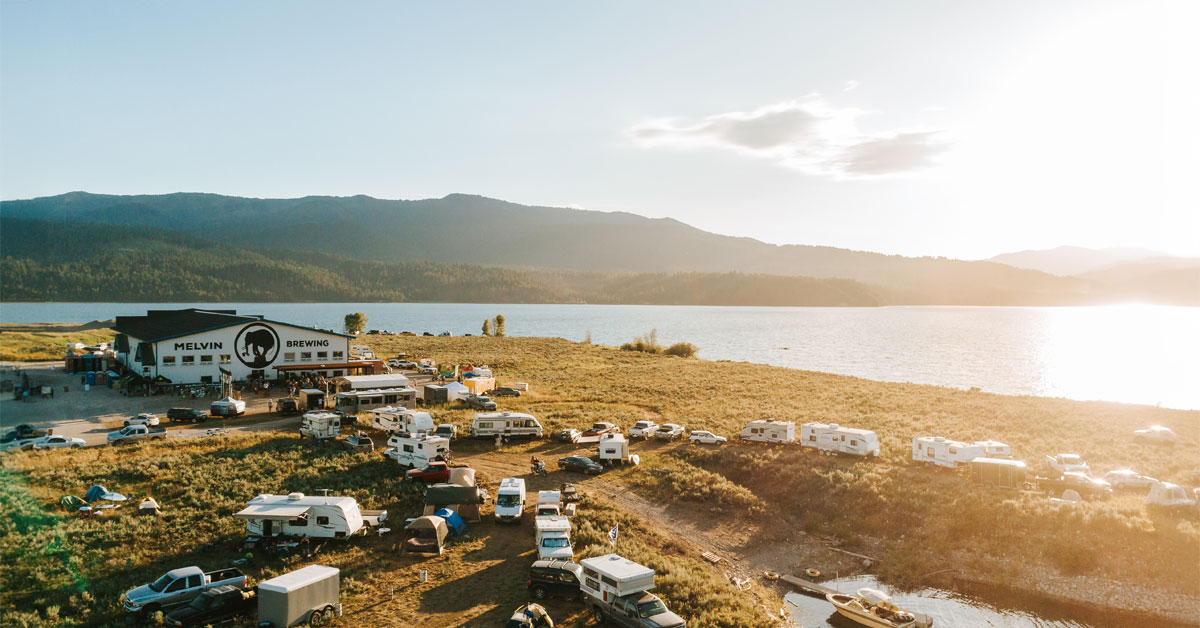
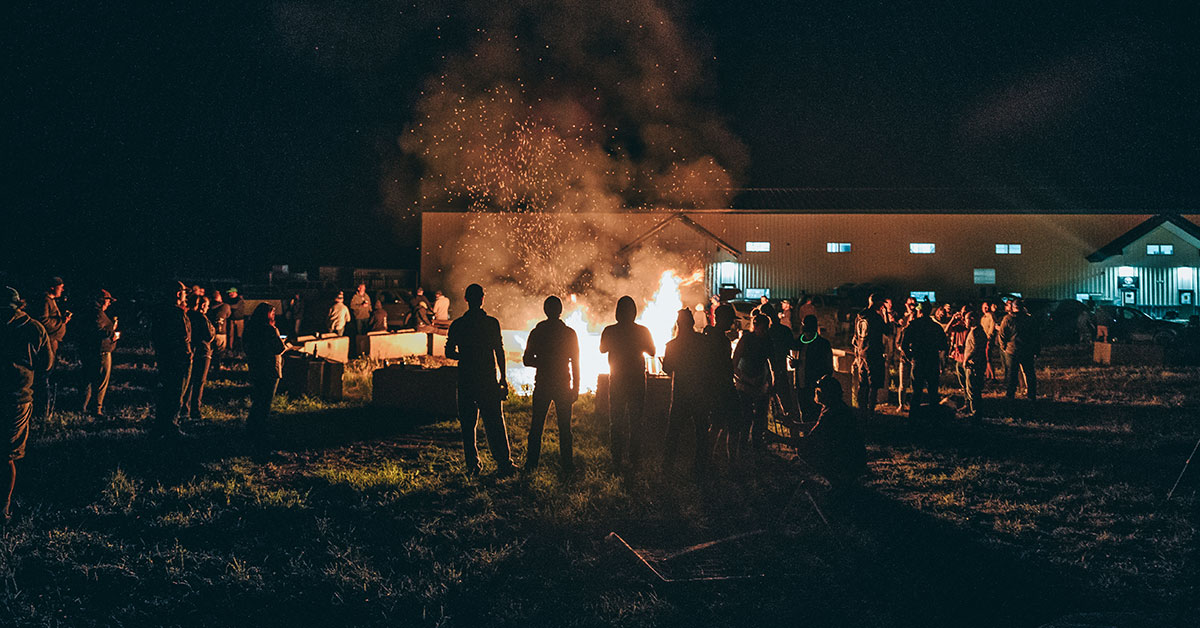
The implementation of brewery-based camping varies significantly depending on the geography and brand identity of the establishment. In Alpine, Wyoming, Melvin Brewing utilizes its proximity to the Palisades Reservoir and adjacent Bureau of Land Management (BLM) property to offer a "wild" experience. Managed by the Pure Madness Group, the brewery provides no-frills, dispersed campsites on a first-come, first-served basis. Molly Reilly, Vice President of Marketing for Pure Madness, emphasizes that the appeal lies in the "out of bounds" nature of the location, where the lack of light pollution and the proximity to the brewery create a unique immersion in the Wyoming landscape.
Conversely, urban breweries are proving that a scenic mountain view is not a prerequisite for success in this space. Mash Mechanix Brewing in Colorado Springs, Colorado, demonstrates the viability of the "urban campground" model. Co-owner Leif Anderson, an avid camper himself, converted portions of the brewery’s paved parking lot into designated spaces for Sprinter vans and smaller truck-bed campers. By offering a safe, legal overnight parking spot in a high-traffic tourist area, Mash Mechanix has effectively broadened its customer base, attracting travelers who might otherwise have bypassed the city center.
In South Carolina, Golden Grove Farm & Brew has leveraged its location near Interstate 85—a corridor that sees roughly 50,000 vehicles daily—to attract transient travelers. Co-founder Andrew Brown has integrated a 18-hole disc golf course and camping facilities on the brewery’s 100-acre property. Brown reports that the synergy between the activities is high; even visitors who do not consume alcohol frequently contribute to the bottom line by purchasing branded merchandise and food.
The "Campground-First" Model and Operational Challenges
While most breweries are adding camping to their existing operations, some entrepreneurs are reversing the sequence. In 2023, Doug Olsen purchased Indian Lake Adventures in Huntsville, Ohio, and subsequently established Camp Brewing within an existing building on the grounds. This "campground-first" approach treats the brewery as a high-value amenity for the campers, ensuring a "captive audience" from the moment the season begins. Olsen has since expanded this concept to a second location, Adventure Trails in Bellefontaine, Ohio, using contract brewing to meet the heightened demand.
However, the integration of these two distinct business models is not without significant hurdles. From a regulatory perspective, operating a campground and a brewery involves navigating two different sets of licensing, health department codes, and insurance requirements. In many jurisdictions, zoning laws do not explicitly account for "agritourism" or "brewery-based camping," leading to potential legal friction with local municipalities.
Furthermore, there is the issue of alcohol control. At Camp Brewing, while campers are permitted to have outside beverages at their personal campsites, they are legally prohibited from bringing those same beverages into the brewery’s licensed taproom area. Managing these boundaries requires a well-trained staff and clear communication with guests to avoid liquor liability issues.
Immersive Experiences and the Future of Beer Tourism
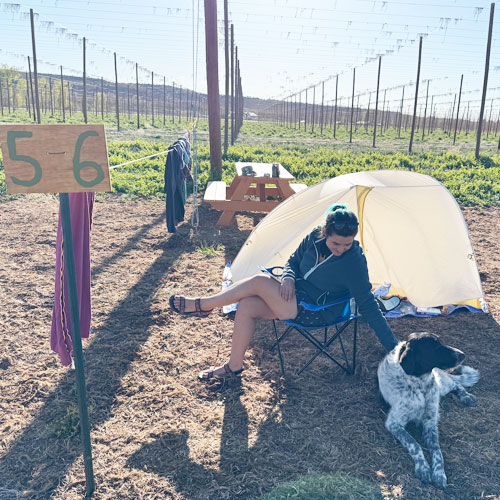
The evolution of brewery camping is also being driven by the "experience economy," where consumers prioritize unique, educational, or immersive activities over simple product consumption. Billy Goat Hop Farm in Montrose, Colorado, recently opened the "Down at the Hopyard" campground, allowing guests to sleep adjacent to the trellises where the brewery’s ingredients are grown. President Audrey Gehlhausen views this as an educational opportunity, connecting the consumer directly to the agricultural roots of the beverage they are drinking.
Similarly, large-scale events have long used camping as a logistical solution. Brewery Ommegang in Cooperstown, New York, situated on a former hop farm, has historically used its acreage to host the "Belgium Comes to Cooperstown" festival. The event allowed participants to share rare bottles and build community in a way that would be impossible in a traditional hotel setting. However, the recent cancellation of the 2024 festival due to lower-than-projected ticket sales serves as a cautionary tale for the industry. It highlights that while the brewery-camping model is lucrative, it remains subject to broader economic pressures and the rising costs of event production.
Economic Implications and Strategic Outlook
The strategic pivot toward camping represents a significant shift in how craft breweries view their "Return on Investment" (ROI). As Ryan Roberts of R&R Brewing noted, the conversion of "dirt" into a hospitality asset is one of the most efficient ways to increase the value of a property. For many small brewers, the revenue generated from a handful of RV sites can provide the necessary cushion to weather the seasonal fluctuations of the beer market.
Industry analysts suggest that this trend will continue to grow as the "Van Life" culture remains popular among Millennials and Gen Z—demographics that also happen to be the primary consumers of craft beer. By providing a safe, experiential, and community-focused environment, breweries are positioning themselves as more than just manufacturing facilities; they are becoming the modern-day equivalents of the traditional English pub or German biergarten—central hubs for social life and travel.
As the market matures, the most successful breweries will likely be those that invest in "boutique" amenities. Win and Lori Mitchell of Boothbay Craft Brewery in Maine have already moved in this direction, transforming their 10-acre site into a high-end RV park with full hook-ups and a tavern serving local oysters and smoked brisket. Their model suggests that the future of the industry lies in high-quality hospitality that complements, rather than merely supports, the core brewing operation.
In conclusion, the rise of the brewery-campground hybrid is a pragmatic response to a crowded marketplace and a changing consumer landscape. By leveraging their land, breweries are not only diversifying their income streams but are also creating a new category of "beercation" that appeals to the modern traveler’s desire for authenticity, convenience, and a sense of place. Whether in the wilds of Wyoming or a parking lot in Colorado, the message is clear: the most valuable thing a brewery can offer today might not just be what is in the glass, but the ground beneath the customer’s feet.