admin
admin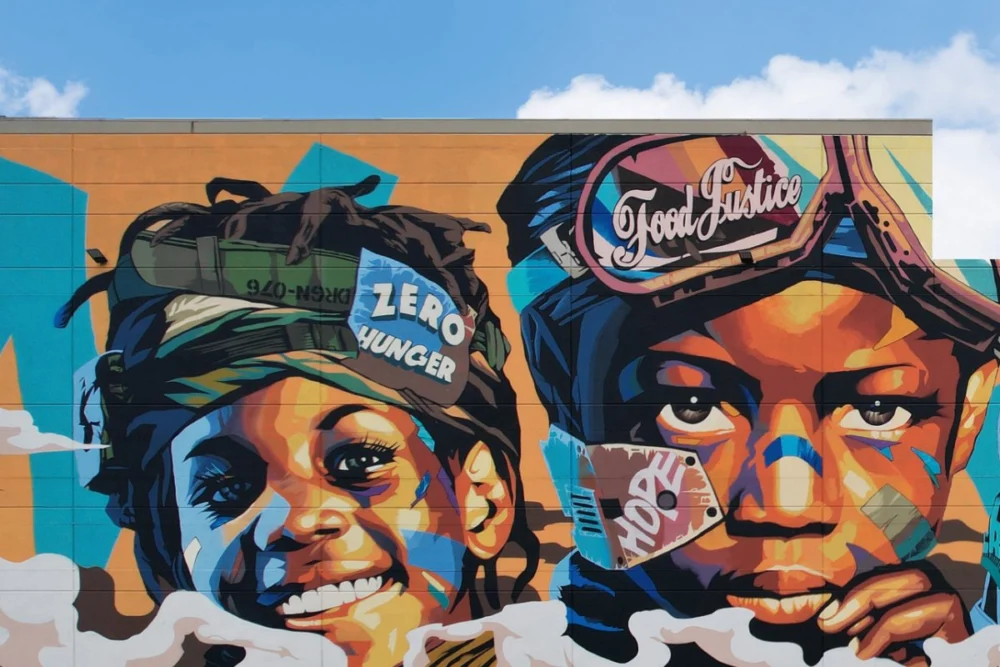
The landscape of food activism in the United States is marked by a dynamic interplay of diverse movements, each striving for a healthier, more equitable future. Among these, the food justice movement, a robust force rooted in the social upheavals of the 1960s, has consistently advocated for systemic reform and improved dietary outcomes for all. Simultaneously, a more recent and politically complex movement, often referred to as MAHA (Make America Healthy Again, or a similar moniker, frequently associated with figures like Robert F. Kennedy Jr.), has gained prominence, sharing some common goals while fundamentally diverging in philosophy and approach. This confluence presents both an unprecedented opportunity for collaboration and significant challenges for advocates seeking to build power and enact meaningful change in a polarized society. Understanding these overlaps and divergences is crucial for crafting effective strategies for interaction and potential partnership.
The Enduring Legacy of the Food Justice Movement
The food justice movement emerged from a powerful confluence of civil rights, environmental, and labor movements of the mid-20th century, recognizing that access to healthy, affordable, and culturally appropriate food is a fundamental human right, often denied to marginalized communities. Its foundational premise is that inequities in the food system are not accidental but are the result of historical and systemic injustices, including racism, economic exploitation, and environmental degradation. This perspective highlights "food deserts"—areas with limited access to fresh, affordable foods—as symptoms of deeper structural problems, disproportionately affecting low-income communities and communities of color.
Organizations at the forefront of this movement, such as the HEAL Food Alliance, Community Food Advocates, the Food Chain Workers Alliance, and the National Black Food and Justice Alliance, have championed broad, transformative goals. These include building collective power among food system stakeholders, advocating for policy changes that prioritize public health and environmental sustainability over corporate profit, and promoting food and farming practices that reduce pollution and carbon emissions. Their efforts extend to ensuring healthier food choices are not a privilege but a universal right, particularly for people of color who bear a disproportionate burden of diet-related illnesses.
Beyond these overarching objectives, the food justice movement has secured tangible victories. Campaigns have successfully advocated for universal free and healthier school lunches, recognizing that proper nutrition is essential for children’s development and academic success. For instance, data from the Food Research & Action Center (FRAC) consistently shows that school meal programs are vital for combating child hunger and improving health outcomes, with universal free meals reducing food insecurity among students. Furthermore, the movement has championed increased job benefits and fair wages for low-wage food workers, highlighting the often-invisible labor that underpins the entire food system. The Food Chain Workers Alliance, for example, has been instrumental in advocating for better working conditions, fair pay, and labor protections for the millions of individuals who harvest, process, distribute, and serve food, many of whom are immigrants or people of color. These efforts underscore the movement’s commitment to addressing the root causes of injustice across the entire food supply chain.
The Rise of the MAHA Movement: A New Contender
In recent years, the MAHA movement has entered the discourse, often coalescing around concerns about public health, diet quality, and skepticism towards established institutions. While its precise origins and formal structure can be diffuse, it has gained significant traction, often amplified by social media and prominent public figures. MAHA’s core tenets frequently emphasize individual and parental responsibility for diet and health outcomes, even for those in disadvantaged circumstances. This perspective often contrasts sharply with the food justice movement’s focus on systemic barriers and collective action.
A notable characteristic of the MAHA movement is its pronounced distrust of established scientific consensus and traditional research methodologies. Instead, it frequently prioritizes anecdotal evidence, personal narratives from "mom influencers," and research from non-mainstream investigators. This approach taps into a broader public skepticism towards large corporations, government agencies, and the scientific establishment, a sentiment that has grown in various sectors of society. This reliance on personal experience over peer-reviewed science is a significant point of divergence from the evidence-based advocacy favored by the food justice movement.
The MAHA movement, as described, is a "big lumpy tent" encompassing a diverse array of individuals and interests. This includes activist parents genuinely concerned about school food quality and pesticide use, alongside wellness industry influencers and entrepreneurs (such as Calley and Casey Means, known for their health-focused brands), anti-vaccination advocates, and high-profile political figures like former President Donald Trump and presidential candidate Robert F. Kennedy Jr. This heterogeneity creates a complex internal dynamic, raising questions about the dominant influences and ultimate policy directions of the movement.
Financially, the MAHA movement has demonstrated considerable backing. In 2024, the MAHA Alliance, a Super-PAC associated with the movement, reportedly received substantial contributions, including $6 million from Elon Musk and his company SpaceX. Furthermore, in what was widely reported as a high-profile media campaign, the MAHA Center, led by Tony Lyons (a significant financial supporter of RFK Jr.’s presidential campaign), funded a controversial $8 million Super Bowl advertisement featuring Mike Tyson, promoting an "Eat Real Food" message. Such significant financial contributions from billionaires and politically aligned entities underscore the movement’s growing influence and its capacity to shape public discourse through mass media campaigns. However, it also raises questions about whose interests are ultimately served within this broad coalition—whether the concerns of "MAHA mom influencers" will genuinely align with or be overshadowed by the private interests of wealthy entrepreneurs and political operatives.
Points of Convergence: Shared Concerns for a Healthier Nation
Despite their philosophical differences, the food justice and MAHA movements share several critical goals and concerns that could serve as a foundation for dialogue. Both movements are united in the belief that the current U.S. food system, characterized by its reliance on highly processed foods and aggressive marketing, significantly contributes to poor health outcomes, especially when compared to other developed nations. Data from the Centers for Disease Control and Prevention (CDC) consistently show alarmingly high rates of chronic diseases such as type 2 diabetes, heart disease, and obesity in the U.S., with diet often cited as a primary contributing factor.
Both movements agree that the profit-seeking motives and market practices of food and beverage producers, fast-food chains, and aggressive food marketers actively promote chronic disease, obesity, premature death, and preventable illnesses. They concur on the urgent need for food companies to reform their marketing strategies, particularly those targeting children, who are highly susceptible to advertising for unhealthy products. Furthermore, there is a shared call for limiting harmful chemicals, artificial dyes, and unnecessary additives in food products. Recent public health debates, for instance, have highlighted growing concerns about ultra-processed foods and their impact on health, creating a potential area of common advocacy.
Crucially, both movements also acknowledge that improvements in the rules governing school food programs and federal food assistance initiatives, such as the Supplemental Nutrition Assistance Program (SNAP), can lead to significant improvements in diets and overall public health. Expanding access to nutritious meals in schools and ensuring that federal assistance programs support healthy food purchases are concrete policy areas where both groups could find common ground for advocacy.
Points of Divergence: Fundamental Differences in Philosophy and Evidence
While common goals exist, the movements diverge profoundly in their core philosophies and approaches to problem-solving. The food justice movement fundamentally stresses the need for collective and public action, viewing systemic change as the primary pathway to improved health. Its top priority is reducing inequities in healthy food access, recognizing that individual choices are often constrained by environmental and economic realities. For food justice advocates, the profit-driven markets are not merely contributors but often the key cause of the nation’s pervasive food and health problems, necessitating robust regulation and public sector intervention.
In stark contrast, MAHA followers often emphasize individual and parental responsibility for diet and health, even when discussing the disadvantaged. While acknowledging environmental factors, their solutions frequently lean towards empowering individuals to make better choices. Furthermore, while the food justice movement advocates for systemic regulatory changes, many MAHA leaders (though perhaps not all rank-and-file members) endorse market-based solutions. This might include promoting "healthier" products through consumer demand, rather than advocating for stricter government oversight or taxation on unhealthy items.
Perhaps the most significant difference lies in their approach to evidence and policy formulation. The food justice movement, aligning with established public health and scientific communities, relies on peer-reviewed research, epidemiological studies, and expert consensus to inform its policy recommendations. This adherence to the scientific process provides a widely accepted basis for understanding complex health and environmental issues.
MAHA, conversely, frequently expresses distrust of established science and sometimes rejects the scientific process that forms the bedrock of policy for independent researchers and food justice advocates. By amplifying the voices of "mom influencers" and personal experience narratives over rigorous scientific data, MAHA adherents demonstrate a belief in the power of individual stories and experiential knowledge. This approach, while resonant with segments of the public skeptical of large institutions, poses a fundamental challenge for collaboration, as it can lead to vastly different understandings of problems and proposed solutions. The implications of this epistemological conflict extend beyond food policy, touching on broader public health issues like vaccination and environmental regulations, making dialogue particularly fraught.
The "Big Lumpy Tent" and the Path Forward
Fifteen years ago, acclaimed food writer Michael Pollan famously described the various factions within the burgeoning food movement as a "big lumpy tent," where diverse groups sometimes worked at cross-purposes. This metaphor remains apt for the food justice movement, which encompasses a wide spectrum of issues from urban gardening to global trade policy. It is equally, if not more, true for the MAHA movement, given its eclectic mix of activist parents, wellness entrepreneurs, anti-vaccination proponents, and prominent political figures. This internal heterogeneity within both movements, coupled with the deep ideological and methodological differences between them, creates a complex landscape for potential alliances.
The question then becomes: Is it truly possible to build upon commonalities when faced with such profound differences and in an era marked by increasing sectarianism and political polarization? The authors of the original article believe that the food justice movement should actively pursue this chance for new partnerships, despite the inherent risks. Their rationale is rooted in the principle that successful movements build power by winning over new constituencies and working towards shared goals. The potential for forging a shared action plan, even on limited issues, is deemed worth the effort.
To navigate this complex terrain, six strategic actions are proposed for food justice advocates:
-
Engage in Dialogue with MAHA Activists: The first step is to create open forums and dedicated spaces where representatives from both movements can engage in frank, respectful discussions about their commonalities and differences. This requires a commitment to listening and understanding without resorting to insults or disrespect, recognizing that meaningful dialogue is a prerequisite for exploring any possibility of shared goals. Such forums could take the shape of moderated town halls, joint workshops on specific issues like school food, or collaborative research efforts on areas of agreement.
-
Argue with Respect and Strategic Clarity: Acknowledging the inherent risks of working with and attempting to persuade MAHA supporters is crucial. There will be instances where fundamental disagreements cannot be resolved, necessitating an agreement to disagree. In other situations, robust public debate will be unavoidable. The imperative, however, is to never lose sight of potential common goals or the values that, even if interpreted differently, underpin both movements’ desires for better health. By carefully listening to MAHA arguments and understanding the worldviews of its supporters, food justice proponents can better identify specific opportunities for joint action, framing proposals in ways that resonate with MAHA’s concerns for individual well-being and parental choice, while still advocating for systemic solutions. This requires a nuanced communication strategy that validates concerns while gently reorienting the conversation towards evidence-based, collective solutions.
-
Focus on Tangible, Shared Policy Goals: Instead of attempting to bridge fundamental ideological divides immediately, efforts should concentrate on specific, actionable policy objectives where common ground genuinely exists. For example, advocating for stricter regulations on food additives and dyes, promoting healthier school meal standards, or increasing transparency in food marketing could be areas for joint campaigns. These concrete goals offer practical avenues for collaboration without requiring a complete philosophical alignment.
-
Educate and Inform, Respecting Diverse Pathways to Knowledge: While upholding the importance of established science, food justice advocates can also acknowledge the validity of personal experience and community wisdom, particularly within marginalized groups. The strategy should not be to dismiss MAHA’s sources of information outright but to present scientific evidence in accessible, relatable ways, connecting it to shared values like child health and community well-being. This involves a commitment to public education that empowers individuals with accurate information while respecting diverse cultural and personal contexts.
-
Be Vigilant Against Co-optation and Misinformation: The risks of alliance are significant. Food justice advocates must remain vigilant to prevent their core principles from being diluted or co-opted by elements within MAHA that may hold anti-science views or have ulterior political motives. Clear boundaries and principles for engagement are necessary to ensure that collaboration does not inadvertently legitimize misinformation or undermine long-standing public health efforts. This requires robust internal discussions and a clear articulation of non-negotiable values.
-
Highlight the Systemic Roots of Individual Health: While respecting MAHA’s emphasis on individual responsibility, food justice advocates must consistently and clearly articulate how systemic factors profoundly shape individual health choices and outcomes. By providing compelling data and narratives that illustrate the impact of food deserts, exploitative labor practices, and targeted marketing on vulnerable populations, they can broaden MAHA’s understanding of health beyond individual agency. This means persistently bringing the conversation back to equity, access, and structural reform as essential components of true health improvement for all.
Broader Implications and the Future of Food Activism
The potential for dialogue and alliance between the food justice and MAHA movements carries significant implications for the future of food policy and public health in the U.S. In a deeply polarized political environment, finding common ground, however limited, can be a powerful tool for advancing neglected issues. If these movements can find ways to collaborate on specific policy initiatives, they could exert greater pressure on policymakers and the food industry, potentially accelerating reforms that benefit a wider segment of the population.
However, the challenges are formidable. The MAHA movement’s skepticism towards established science and its ties to politically charged narratives pose a constant threat to evidence-based policymaking. Navigating this without compromising the integrity of public health science will be a delicate balance. The influence of large financial donors and political figures within MAHA also raises questions about its long-term objectives and whether a genuine commitment to equitable health outcomes will prevail over other agendas.
Ultimately, the proposed engagement represents a strategic gamble. It acknowledges that the "big lumpy tent" of food activism has expanded to include new, often contradictory, voices. By engaging these new constituencies, the food justice movement seeks to broaden its base and amplify its impact. Whether this strategy will lead to a more cohesive and powerful force for positive change or result in further fragmentation and ideological conflict remains to be seen. The ongoing dialogue, conducted with respect and strategic clarity, will be essential in shaping the future trajectory of America’s food system and the health of its citizens.