admin
The San Francisco Peninsula, traditionally recognized as a global hub for technological innovation and high-stakes venture capital, is undergoing a significant cultural transformation as it establishes itself as a premier destination for craft viticulture and brewing. While San Francisco and the East Bay have long dominated the Northern California beer narrative, a burgeoning 30-mile corridor along U.S. Route 101 in San Mateo County is redefining the regional hospitality landscape. From the transit-oriented hubs of Burlingame through the industrial sectors of Belmont and San Carlos, down to the historic centers of Redwood City, a series of independent breweries and specialized taprooms have formed a "beer trail" that mirrors the sophistication of its urban neighbors while maintaining a distinct suburban-industrial character.
This development comes at a pivotal time for the California craft beer industry. According to data from the California Brewers Association, the state remains a national leader in the sector, contributing over $9 billion annually to the economy. As real estate pressures in San Francisco and Oakland push artisanal producers toward more accessible suburban markets, the Peninsula has become a primary beneficiary. The resulting influx of talent and capital has created a sophisticated ecosystem of "fermentation tourism," where proximity to Caltrain stations and the Highway 101 artery allows for high-density visitation across multiple municipalities.
The Northern Gateway: Burlingame and the Evolution of Plant-Based Hospitality
The trail begins in Burlingame, just south of San Francisco International Airport (SFO), where the intersection of high-end dining and independent brewing is most evident. The establishment of Twelvemonth represents a significant shift in the local culinary scene. Occupying a space formerly used for traditional brewing, Twelvemonth is the brainchild of Bob Trahan, a former technology executive who transitioned into the culinary arts. This transition from the tech sector to the hospitality industry is a recurring theme on the Peninsula, reflecting the area’s unique demographic composition.
Twelvemonth functions as a multi-use complex, incorporating a plant-based restaurant, a bakery, and an extensive taproom. The facility’s approach to beverage curation is notable for its breadth, featuring legendary Northern California staples such as Pliny the Elder from Russian River Brewing Company alongside emerging regional favorites. The inclusion of East Brother Beer Co. from Richmond and non-alcoholic options from Fort Point Beer Company highlights a growing industry trend toward inclusivity and variety. Analysts suggest that the success of Twelvemonth indicates a robust market for "conscious consumption," where high-quality craft beer is paired with sustainable, plant-based gastronomy to attract a more diverse demographic than the traditional taproom.
Industrial Innovation in Belmont and San Carlos
Continuing south into Belmont, the beer trail moves from the polished storefronts of Burlingame into the functional aesthetics of the Harbor Business Center. This is the home of Alpha Acid Brewing Company, an establishment that exemplifies the "industrial-park brewery" model that has become a staple of the American craft movement. Since its inception in 2014, Alpha Acid has focused on high-concept, small-batch releases that cater to a dedicated local following.
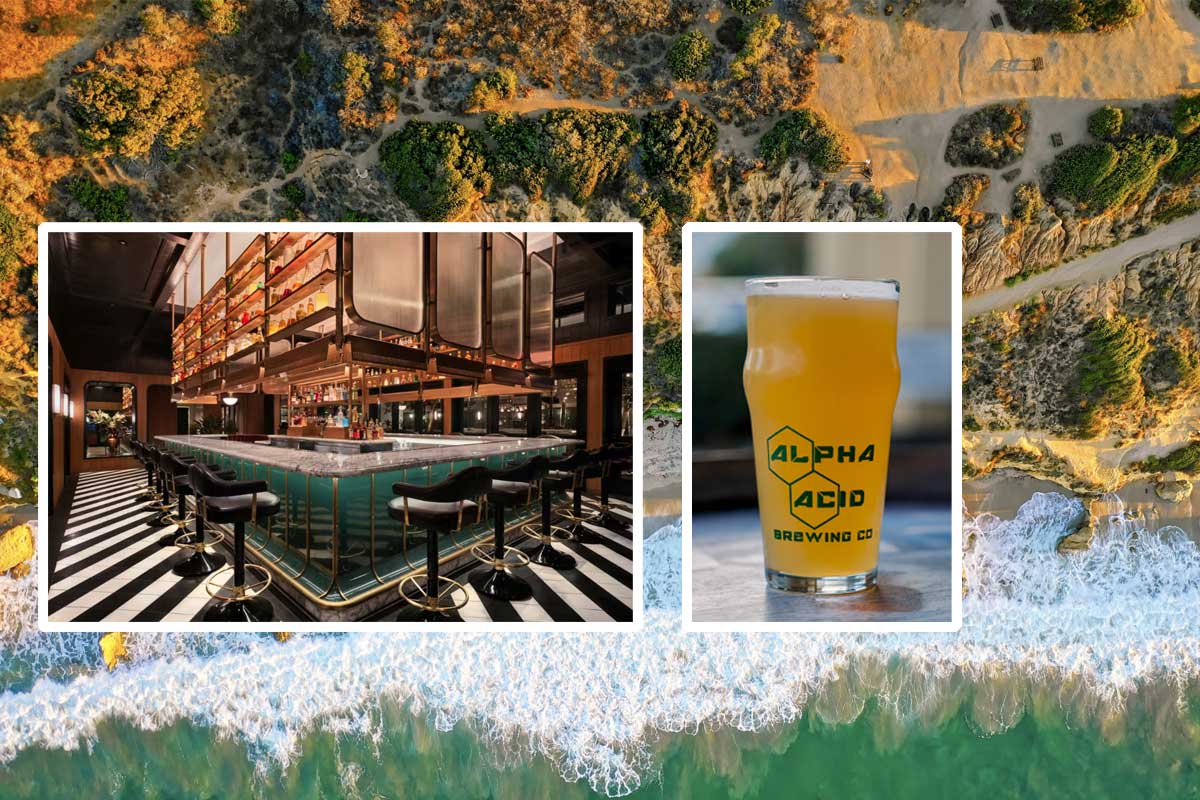
The brewery’s portfolio is characterized by its technical diversity. Their "La Chulita" Mexican Lager serves as a foundational offering, often paired with on-site food truck services, while their "May The Haze Be With You" New England-style IPA demonstrates an mastery of the hazy, fruit-forward profiles that have dominated the market over the last decade. Furthermore, Alpha Acid has ventured into the complex world of barrel-aging and high-gravity stouts. The "Flying Dutchman," a 10.2% ABV tropical stout aged in rum barrels, represents the brewery’s commitment to the slow-process fermentation that appeals to connoisseurs. The presence of pinball machines and a community-centric atmosphere in an industrial lot underscores the role of these breweries as "third places"—essential social spaces outside of home and work.
A few miles further south in San Carlos, Blue Oak Brewing Co. has carved out a niche by specializing in the science of sours and "thiolized" yeasts. The brewery’s "Cherry Bomb" and "POG is My Copilot" reflect a broader industry move toward fruited sours, which have gained popularity as an alternative to the bitterness of traditional IPAs. However, Blue Oak’s technical prowess is most visible in their "Hello Motueka" Hazy IPA. By utilizing thiolized yeast—a bioengineered strain designed to unlock aromatic compounds in hops—the brewery is able to amplify tropical fruit flavors without the addition of actual fruit. This focus on the chemistry of brewing aligns with the Peninsula’s reputation for scientific innovation, drawing a parallel between the lab and the brewhouse.
Redwood City: The Southern Anchor of Cask and Continental Tradition
The trail reaches its densest concentration in Redwood City, a municipality that has successfully branded itself as a hub for both modern American styles and traditional European techniques. Ghostwood, a neighborhood brewpub, has gained national recognition for its "Extra Crispy" American lager. In a market often saturated with high-alcohol IPAs, Ghostwood’s success with a crisp, light lager indicates a return to "sessionable" beers—beers with lower alcohol content that allow for longer social engagements.
Ghostwood also integrates modern social entertainment into its business model, featuring trivia nights, billiards, and gaming stations. This diversification of the taproom experience is seen by industry experts as a necessary evolution for brick-and-mortar breweries competing with home delivery and digital entertainment. Their "Serial Chiller" Cold IPA—a hybrid style fermented at lower temperatures—serves as a bridge between the crispness of a lager and the aromatic intensity of an IPA, showcasing the ongoing stylistic experimentation within the Redwood City scene.
In contrast to the modern American focus of Ghostwood, Freewheel Brewing Company offers a specialized homage to British brewing traditions. Located in the Marsh Manor Shopping Center, Freewheel has been a proponent of English cask ales since 2012. Cask conditioning, a process where beer undergoes a secondary fermentation in the vessel from which it is served, results in a smoother, more complex beverage with natural carbonation. Their flagship "Big V Amber" and various Nitro pours cater to a specific segment of the market—including a significant expatriate community—that values the malty, rich profiles of traditional ESBs (Extra Special Bitters) and stouts.
The Redwood City cluster is further bolstered by Gourmet Haus Staudt, a classic Bavarian Bierstube that serves as a bridge between domestic craft and international heritage. As one of the top purveyors of Weihenstephaner—the world’s oldest continuously operating brewery—Gourmet Haus Staudt provides a historical context for the entire Peninsula beer trail. The establishment functions as a market, bottle shop, and beer hall, offering a comprehensive look at the evolution of brewing from 11th-century Germany to modern-day California.
Economic and Cultural Implications of the Peninsula Beer Trail
The emergence of this 30-mile beer corridor is more than a culinary trend; it is an indicator of the San Francisco Peninsula’s evolving economic identity. As the "Silicon Valley" moniker expands to encompass lifestyle and leisure, the development of a sophisticated craft beer scene provides the necessary infrastructure for a high-income, highly mobile workforce.
Data from the San Mateo County Economic Development Association suggests that the growth of small-scale manufacturing—of which craft brewing is a key component—has contributed to the stabilization of industrial rents in cities like Belmont and San Carlos. By repurposing underutilized warehouse space for taprooms, these breweries have increased foot traffic and spurred secondary spending at nearby businesses, such as the award-winning State of Mind Public House and Pizzeria in Redwood City.
Furthermore, the Peninsula beer trail reflects a broader national shift toward "hyper-localism." While large-scale national breweries have seen stagnant growth, the Brewers Association reports that small, independent "taproom-focused" breweries continue to see resilient numbers. This is largely due to the "community hub" effect. In the high-pressure environment of the Peninsula, these breweries offer a reprieve—a place where the tech-driven pace of life slows down to the speed of a slow-pour cask ale.
Conclusion and Future Outlook
As the San Francisco Peninsula continues to develop, the Highway 101 beer trail is expected to expand. Plans for new transit-oriented developments near Caltrain stations often include provisions for "maker spaces" and artisanal food and beverage outlets, suggesting that the integration of craft brewing into the urban fabric is a permanent fixture of regional planning.
The success of establishments like Twelvemonth, Alpha Acid, and Freewheel demonstrates that there is a deep appetite for quality, variety, and authenticity in the suburban Bay Area. By blending technical innovation with traditional craftsmanship, the breweries of San Mateo County have created a destination that rivals any major metropolitan beer scene in the United States. For the traveler or the local commuter, the 30-mile stretch from Burlingame to Redwood City now offers a diverse and world-class "pint-by-pint" exploration of what it means to be a craft brewer in the 21st century.