admin
admin
A distinguished panel of wine experts, comprising Matt Walls, Heather Dougherty, and Alexandre Freguin, recently conducted an extensive tasting of 105 white wines from the Southern Rhône Valley, culminating in the prestigious recognition of 14 as ‘Outstanding’ and 34 as ‘Highly Recommended’. This rigorous assessment, organised by Decanter, one of the world’s leading wine media brands, underscores the escalating quality and increasing prominence of white wines from a region traditionally celebrated for its powerful reds. The tasting highlights a compelling narrative of innovation, tradition, and terroir expression across diverse appellations including Châteauneuf-du-Pape, Lirac, Gigondas, Vacqueyras, Cairanne, and Laudun.
The Rigorous Assessment and Expert Panel
The Decanter tasting process is renowned for its impartiality and thoroughness. Wines are typically tasted blind, ensuring that preconceptions about producer, price, or label do not influence the judges’ evaluations. The panel of experts brings a wealth of knowledge and experience to the table. Matt Walls, an award-winning freelance wine writer and consultant, is particularly esteemed for his deep expertise in the Rhône Valley, serving as the chair of the Rhône panel at the Decanter World Wine Awards and operating his travel and events company, RhoneRoots.com. His intimate understanding of the region’s diverse terroirs and evolving winemaking practices provides invaluable context. Heather Dougherty and Alexandre Freguin, both highly respected figures in the wine industry, contribute their discerning palates and broad global wine knowledge, ensuring a comprehensive and balanced assessment. Their collective expertise ensures that the wines are judged against the highest international standards, considering factors such as balance, complexity, typicity, and aging potential. The sheer volume of wines tasted – 105 in total – speaks to the panel’s dedication and the comprehensive scope of the evaluation, aimed at identifying the region’s top performers.
Southern Rhône White Wines: A Growing Phenomenon
Historically, the Southern Rhône Valley has been synonymous with robust, Grenache-dominant red wines, particularly from flagship appellations like Châteauneuf-du-Pape. However, in recent decades, there has been a remarkable resurgence and refinement in the production of white wines. This shift reflects a broader industry trend towards diversification and a renewed appreciation for the unique potential of the region’s white grape varieties. The Southern Rhône’s white wine production is a vibrant tapestry woven from indigenous grapes such as Grenache Blanc, Roussanne, Clairette, Bourboulenc, Picardan, Picpoul, Marsanne, and Viognier. Each variety contributes distinct characteristics, from the aromatic complexity and richness of Roussanne to the freshness and salinity of Clairette, or the full-bodied texture of Grenache Blanc. Winemakers are increasingly mastering the art of blending these varieties, creating wines that offer both immediate charm and impressive longevity. The varied microclimates and soil types across the appellations – from the famed galets roulés (rounded pebbles) of Châteauneuf-du-Pape to the sandy and clay-limestone soils of Lirac and Gigondas – provide a diverse palette for viticulture, allowing for a wide spectrum of white wine styles.
The Outstanding Selections: A Deep Dive into Excellence
Among the 14 wines that achieved the coveted ‘Outstanding’ rating, several estates consistently demonstrated exceptional quality and character, reflecting both established mastery and burgeoning talent. The vintages represented span from 2022 to 2025, offering a glimpse into recent successful harvests and promising future releases.
Châteauneuf-du-Pape Blanc: The Apex of Southern Rhône Whites
Châteauneuf-du-Pape, while famous for its reds, produces some of the most profound white wines in the Southern Rhône. The appellation allows for six white grape varieties (Grenache Blanc, Roussanne, Clairette, Bourboulenc, Picardan, Picpoul), offering winemakers immense flexibility.
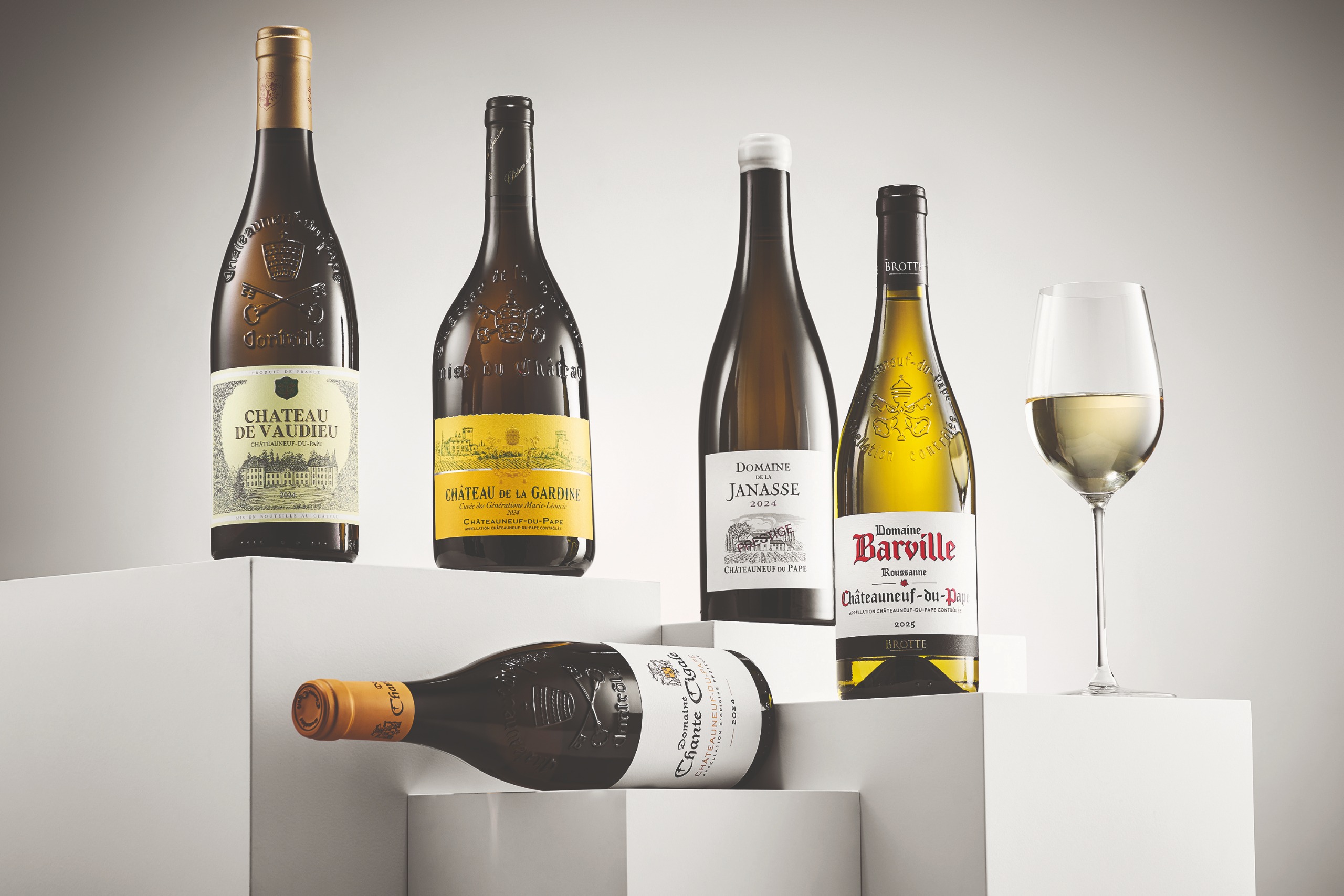
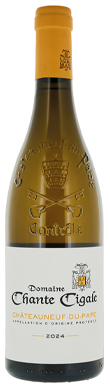
- Domaine Chante Cigale, Tradition Blanc, 2024, and Extrait Blanc, 2024: Domaine Chante Cigale is consistently recognised for its excellence in white Châteauneuf. This long-standing family-owned estate demonstrates a profound understanding of its terroir and grape varieties. The ‘Tradition Blanc’ likely represents a classic, balanced expression, while the ‘Extrait Blanc’ is described with buttery pear, fennel, rosemary, grapefruit, and a floral lift, showcasing a rich, oily texture balanced by grainy freshness. This suggests a wine of remarkable depth and aromatic complexity, capable of evolving beautifully.
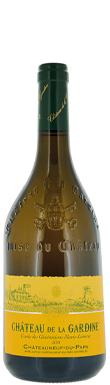
- Château de la Gardine, Cuvée des Générations Marie-Léonce, 2024: The Brunel family, with centuries of winemaking history in the Southern Rhône, acquired Château de la Gardine in 1945. This significant property consistently delivers high-quality wines. The ‘Cuvée des Générations Marie-Léonce’ exemplifies their heritage and expertise, likely offering a refined and elegant expression of Châteauneuf-du-Pape Blanc.
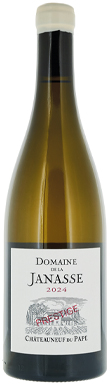
- Domaine de la Janasse, Prestige, 2024: Despite being a relatively young estate (established 1973), Christophe and Isabelle Sabon have rapidly built Domaine de la Janasse into a powerhouse. Their ‘Prestige’ white Châteauneuf-du-Pape is a testament to their innovative yet respectful approach to winemaking.
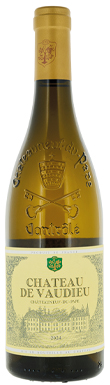
- Château de Vaudieu, Blanc, 2024: Owned by Laurent Bréchet, Château de Vaudieu is a reliable source of excellent white Châteauneuf, especially in a vintage like 2024. Its blanc offering is likely a meticulously crafted blend, showcasing the appellation’s potential for balanced, aromatic whites.
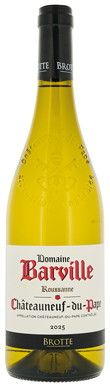
- Famille Brotte, Domaine Barville Roussanne, 2025: This large family estate, now run by the fifth generation, Thibault and Benoît Brotte, demonstrates a commitment to single-varietal expressions with their Domaine Barville Roussanne. Roussanne contributes significant body, aromatic intensity (apricot, honey, herbal notes), and a capacity for aging.
- Château Gigognan, Lieu-dit Terre Ferme Blanc, 2024: Described with an initially reserved herbal note and sweet fruit, opening to a rounded palate with freshness, energy, and intensity, this wine offers a delicate yet focused finish. This evolution suggests complexity and a thoughtful winemaking approach.
- Le Clos du Caillou, Les Safres Blanc, 2025: This wine presents a vibrant profile of lemon, apricot, and rhubarb, complemented by white spice and assertive oak. The concentrated, fresh palate, bright acidity, and taut structure indicate a wine with excellent potential, capable of absorbing its oak influence over time.
Lirac and Laudun: Rising Stars in White Production
These appellations, situated across the Rhône river from Châteauneuf-du-Pape, are increasingly recognised for their quality white wines, often offering excellent value.
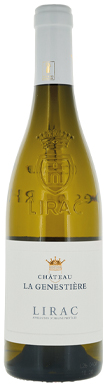
- Château la Genestière, Cuvée Château Blanc, Lirac, 2025: With a history dating back to the 16th century (though refocused on viticulture in 1930), this estate, now owned by Christian Latouche, exemplifies the growing ambition in Lirac. Their ‘Cuvée Château Blanc’ is expected to showcase the finesse and fruit character typical of the appellation.
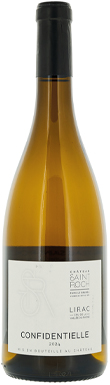
- Château Saint Roch, Confidentielle Blanc, Lirac, 2024: Acquired by Château de la Gardine, Château Saint Roch benefits from established winemaking expertise. Its ‘Confidentielle Blanc’ highlights the potential for excellence in Lirac, showcasing a consistent quality across multiple appellations within the same ownership.
- Les Deux Pins Famille Paly, Blanc, Lirac, 2025: This Lirac white offers orchard fruit, peach, bitter lemon, and a floral lift, presenting as fresh and textural. Its clear flavour without excessive weight and a long, persistent finish make it a distinctly Lirac expression.
- Domaine des Maravilhas, Maestral Blanc, Laudun, 2025: With notes of grilled lemon, aniseed, fennel, scrub herbs, and bitter almond, this wine is rounded yet bright, offering saline freshness, gentle Mediterranean bitterness, and modest alcohol. This description points to a wine of sophisticated balance and regional typicity.
Gigondas and Vacqueyras: Expanding Their White Wine Horizons
Gigondas, traditionally known for powerful reds, only recently introduced white wines into its appellation from the 2023 vintage. Vacqueyras, another significant Southern Rhône appellation, also demonstrates growing prowess in white wine production.
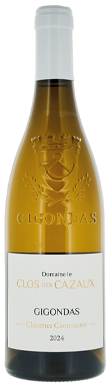
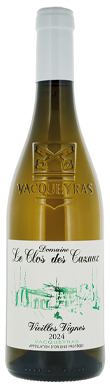
- Domaine Le Clos des Cazaux, Clairettes Centenaires, Gigondas, 2024, and Vieilles Vignes Blanc, Vacqueyras, 2024: Le Clos des Cazaux, under Jean-Michel and Frédéric Vache, remarkably achieved two 95-point scores. The ‘Clairettes Centenaires’ from Gigondas is a new cuvée made from pure Clairette planted in 1922, fermented in barrel. This is a significant development, highlighting the potential of old vine Clairette in Gigondas, an appellation newly embracing white wines. Their ‘Vieilles Vignes Blanc’ from Vacqueyras further solidifies their reputation for exceptional white wines, showcasing the depth and complexity achievable from old vines in this appellation.
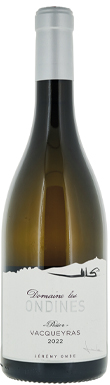
- Domaine les Ondines, Passion Blanc, Vacqueyras, 2022: This organic-certified estate, founded in 2003 by Jérémy Onde, demonstrates a commitment to sustainable practices and quality. Located in the heart of Vacqueyras, their ‘Passion Blanc’ from the 2022 vintage suggests a wine of character and terroir expression, benefiting from organic viticulture.
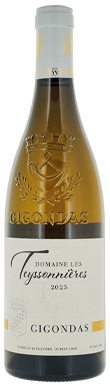
- Domaine les Teyssonnières, Blanc, Gigondas, 2025: As Gigondas integrates white wines, Teyssonnières stands out with old vines (much older than the appellation’s 2023 vintage allowance for whites). This indicates a wine of significant pedigree and concentration, showcasing the potential for complexity from mature vineyards.
- Pierre Amadieu, Domaine Grand Romane Blanc, Gigondas, 2025: Established in 1929, Pierre Amadieu is a venerable estate. Their 100% Clairette cuvée, ‘Grand Romane,’ sourced from vines planted in 1958 on clay-limestone soils, underscores the historical presence and quality of white grapes in Gigondas, even before official appellation recognition for whites. This wine represents a profound expression of old-vine Clairette.
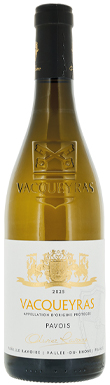
- Famille Ravoire, Pavois Blanc, Vacqueyras, 2025: The Ravoire family, with winemaking roots in the Rhône dating back to 1471, presents their ‘Pavois Blanc’ from Vacqueyras. Their deep historical connection to the region and extensive experience undoubtedly contribute to the quality of this wine.
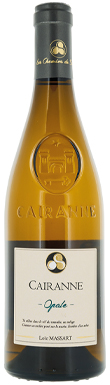
- Les Chemins de Sève, Opale, Cairanne, 2023: Loïc Massart, who established his organic winery Les Chemins de Sève in 2013, has rapidly risen to prominence. His ‘Opale’ from Cairanne, an appellation increasingly noted for its quality and character, highlights the success of dynamic new producers focusing on organic methods.
Vintage Insights (2022, 2023, 2024, 2025)
The range of vintages from 2022 to 2025 showcased in the tasting offers a compelling snapshot of recent harvest conditions and future expectations. The 2022 vintage in the Southern Rhône generally produced wines with good concentration and ripeness, often balanced by a refreshing acidity. 2023 was a vintage that presented its own set of challenges and opportunities, with successful wines demonstrating careful vineyard management and winemaking. The 2024 vintage, prominently featured with numerous ‘Outstanding’ ratings, appears to be a particularly strong year for white wines in the Southern Rhône, indicating favourable conditions for grape maturity and freshness. The inclusion of 2025 wines, likely tasted as barrel samples or early releases, points to the panel’s forward-looking assessment and the inherent quality detected even at this nascent stage, suggesting strong potential for these future releases. This chronological span underscores the consistent efforts of winemakers across various vintages to produce high-quality white wines.
Implications and Broader Impact
These outstanding results from Decanter hold significant implications for the Southern Rhône Valley wine industry.
- Enhanced Reputation: Such high ratings from a globally respected publication like Decanter elevate the international reputation of Southern Rhône white wines. It moves them beyond being merely an adjunct to the reds, positioning them as serious contenders in the world of fine white wine.
- Consumer Confidence and Demand: For consumers, Decanter’s stamp of approval serves as a powerful guide. It instills confidence, encouraging exploration of a region they might not have considered for white wines. This is likely to translate into increased demand, both domestically and internationally.
- Economic Impact for Producers: For the featured wineries, these ‘Outstanding’ and ‘Highly Recommended’ accolades provide invaluable marketing leverage. It can lead to higher prices, increased export opportunities, and enhanced brand recognition. For smaller or emerging estates, it can be a game-changer, putting them on the global map.
- Benchmarking and Innovation: The detailed tasting notes and scores offer valuable feedback for producers, serving as a benchmark for quality and inspiring continued innovation in vineyard management and winemaking techniques. The success of specific grape varieties or blending approaches will encourage further experimentation.
- Diversification of Regional Identity: The growing success of white wines helps to diversify the overall identity of the Southern Rhône. This can attract new tourists to the region, eager to explore its full vinous spectrum, and broaden the appeal of Rhône wines in general.
- Addressing Climate Change: In an era of climate change, the focus on white grape varieties that can maintain freshness and acidity in warmer climates, or the discovery of suitable microclimates, becomes increasingly important. The robust performance of these white wines demonstrates the region’s adaptability and resilience.
In conclusion, the recent Decanter tasting unequivocally positions the Southern Rhône Valley as a formidable source of world-class white wines. The dedicated efforts of winemakers, coupled with the region’s diverse terroir and indigenous grape varieties, are yielding wines of remarkable quality and character. This comprehensive evaluation serves as a beacon, guiding enthusiasts towards a captivating and evolving segment of French viticulture, solidifying the Southern Rhône’s place not just as a powerhouse of reds, but as an increasingly essential destination for discerning white wine lovers.