admin
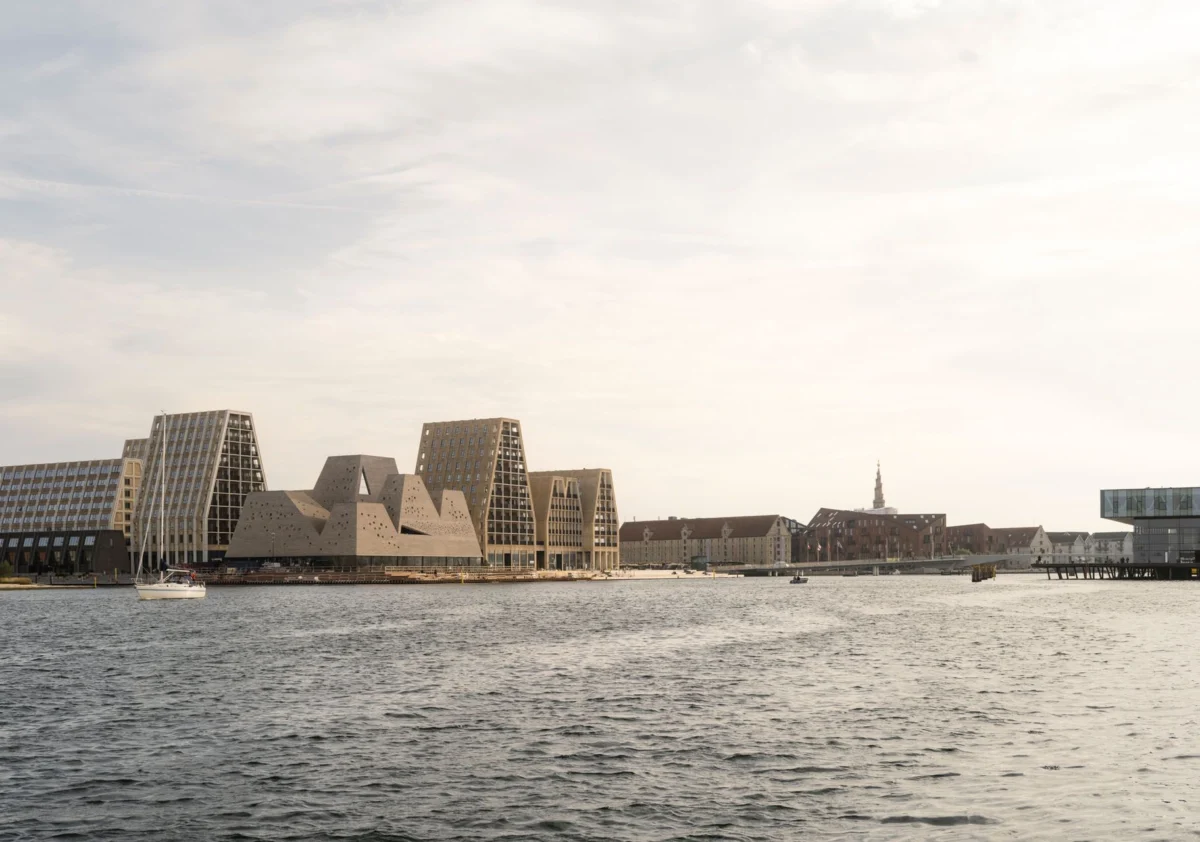
Copenhagen, a city renowned for its progressive urban planning and deep connection to its waterfront, is poised to enhance its celebrated swimming culture with the grand opening of Kai, a groundbreaking public bathing house. This ambitious project, a testament to Danish architectural innovation and a commitment to public well-being, represents a significant addition to the city’s iconic harbor. Designed by the internationally acclaimed Japanese architectural firm Kengo Kuma Associates, Kai promises to be more than just a swimming facility; it is envisioned as a vibrant new hub for recreation, relaxation, and community engagement, blending state-of-the-art design with sustainable practices.
The genesis of Kai can be traced back to a broader urban development strategy aimed at revitalizing Copenhagen’s harbor areas and promoting a healthier lifestyle for its residents. Following the decline of the city’s shipbuilding industry in the early 2000s, Copenhagen began a transformative journey, repurposing its industrial waterfront into a dynamic urban landscape. A key element of this transformation has been the integration of water-based recreational activities. The introduction of floating swimming pools in the harbor marked an initial step, turning previously underutilized spaces into vibrant playgrounds for swimmers, divers, and water polo enthusiasts. This laid the groundwork for a burgeoning urban swimming culture, further invigorated by the recent surge in popularity of cold plunging, embraced by locals and visitors alike for its perceived mental and physical health benefits. The increasing demand for winter swimming clubs, complete with sauna access, has led to lengthy waiting lists, underscoring a clear public appetite for year-round aquatic facilities.

It was within this context of a thriving water culture and a desire for enhanced public amenities that the concept for Kai began to take shape. Surveys and public consultations consistently highlighted a demand for a new, centrally located public swimming pool. The chosen site on Paper Island (Papirøen) proved ideal. Historically known for its bustling food market, the island had remained largely undeveloped for years before undergoing a significant urban regeneration. Now home to a vibrant mix of restaurants, cafes, and hospitality businesses, Paper Island offered a prime location that directly connects the historic heart of Copenhagen, via pedestrian and cycle bridges, to the rapidly developing areas of Holmen and Refshaleøen. This strategic placement ensures Kai will serve as a vital link between the old and new city, fostering a sense of connectivity and accessibility.
The journey from concept to reality for Kai has been an extensive one, spanning eight years of meticulous planning, design, and construction. The project, with a substantial investment of 989 million DKK (approximately $150 million USD), was a collaborative effort funded by the City of Copenhagen and Nordea Fonden, a philanthropic foundation. This significant investment reflects the city’s long-term vision for public infrastructure and its commitment to providing high-quality recreational spaces for its citizens. The initial opening was slated for 2021, but like many large-scale projects, Kai experienced delays due to the global pandemic and its subsequent logistical and supply chain challenges. Despite these setbacks, the perseverance of the involved parties has culminated in a facility that is set to become a new architectural landmark.
Kai is not merely a collection of pools; it is a sprawling 62,500-square-foot bathing house designed to offer a diverse and enriching aquatic experience. The minimalist interior, a signature of Kengo Kuma Associates’ architectural philosophy, houses a total of ten pools. These include an open-air rooftop pool, providing panoramic views of the city and harbor, and a unique heated onsen, inspired by traditional Japanese bathing culture, offering a tranquil retreat overlooking the bustling waterfront. A substantial 82-foot swimming pool is situated on the ground floor, catering to more traditional lap swimming and training needs. Beyond the indoor facilities, Kai is designed for year-round access to the harbor, with designated swimming and dipping zones incorporated into a thoughtfully designed timber boardwalk.

A key feature of Kai’s design is its commitment to sustainability and year-round usability. While the harbor waters can reach considerable chill during the winter months, the outdoor pools on the first floor are heated by a sophisticated and sustainable vertical ground-source heat pump system. This innovative approach ensures that visitors can enjoy the outdoor pools regardless of the season, further promoting the concept of water as a year-round amenity.
The pricing structure for Kai has been carefully considered to ensure accessibility and align with Copenhagen’s existing public swimming facilities, often referred to as "water culture houses." Entry fees are anticipated to be comparable to other city-run pools, with typical admission costs under 100 DKK (approximately $10 USD). This affordability makes Kai an attractive destination for locals and budget-conscious tourists alike. The facility has a capacity cap of 380 swimmers at any given time, ensuring a comfortable and uncrowded experience for all visitors.
The opening of Kai has been met with widespread enthusiasm from city officials and the public alike. Sisse Marie Welling, Copenhagen’s Lord Mayor, expressed her excitement, stating, "I’m really excited about the opening of the Water Culture House. Copenhagen needs more swimming facilities, so it’s incredibly important that we are now getting new pools for adults, as well as paddling pools for children. I hope it will become the city’s new gathering point for water-loving Copenhageners and visitors alike." This statement underscores the facility’s intended role as a central community space, catering to all age groups and fostering social interaction.

The architectural design of Kai itself has garnered significant attention. Kengo Kuma Associates, known for their integration of natural materials and organic forms, have crafted a building that is both aesthetically striking and highly functional. The use of timber, light, and open spaces creates an inviting and serene atmosphere, a stark contrast to the often utilitarian design of traditional swimming facilities. The building’s exterior, characterized by its clean lines and thoughtful integration with the surrounding harbor landscape, further solidifies its status as a modern architectural marvel. This design philosophy aims to create a harmonious relationship between the built environment and the natural elements, enhancing the overall user experience.
Kai’s opening is set to further bolster Copenhagen’s reputation as a city that prioritizes a high quality of life and embraces innovative urban solutions. It joins a growing list of architecturally significant buildings that grace Copenhagen Harbor, including the contemporary Opera House and the Royal Danish Playhouse, creating a dynamic and visually rich waterfront panorama. The facility’s strategic location on Paper Island also contributes to the ongoing revitalization of the city’s eastern harbor area, connecting established neighborhoods with newer, rapidly developing districts.
Beyond Kai, Copenhagen boasts a rich tapestry of aquatic experiences for those eager to explore the city’s deep-rooted swimming culture. For the more intrepid, Sandkaj in Nordhavn offers a demarcated swim zone directly in the harbor for lane swimming. While changing room access is typically reserved for members, the quay provides space for self-service changing. Adjacent to Sandkaj, Saunanor offers a welcome opportunity to warm up, with the added attraction of experiencing the distinct Danish tradition of saunagus (sauna infusion).

For those seeking a more luxurious and spa-like experience, the historic Skodsborg Spa Hotel, a former sanatorium, presents an unparalleled offering. With sixteen distinct bathing experiences, including saunas, steam rooms, and direct access to a private swimming jetty on the beach, it provides a serene escape. Public swimming options also extend to Valby’s Water Culture House, a striking example of contemporary design that departs from conventional leisure center aesthetics. This facility features a slide, lane swimming, and a dedicated hot pool area, demonstrating the city’s commitment to diverse and high-quality public swimming amenities.
The successful realization of Kai, a project that has been eight years in the making, signifies a triumph of urban planning, architectural vision, and public investment. It represents a tangible commitment to the well-being and recreational needs of Copenhagen’s residents and visitors, further cementing the city’s status as a leader in sustainable urban development and a vibrant destination for those who appreciate the profound connection between city life and water. As the doors of Kai swing open, they invite a new chapter in Copenhagen’s enduring love affair with the sea and its waters, promising a future where swimming is not just an activity, but a way of life, accessible to all.