admin
admin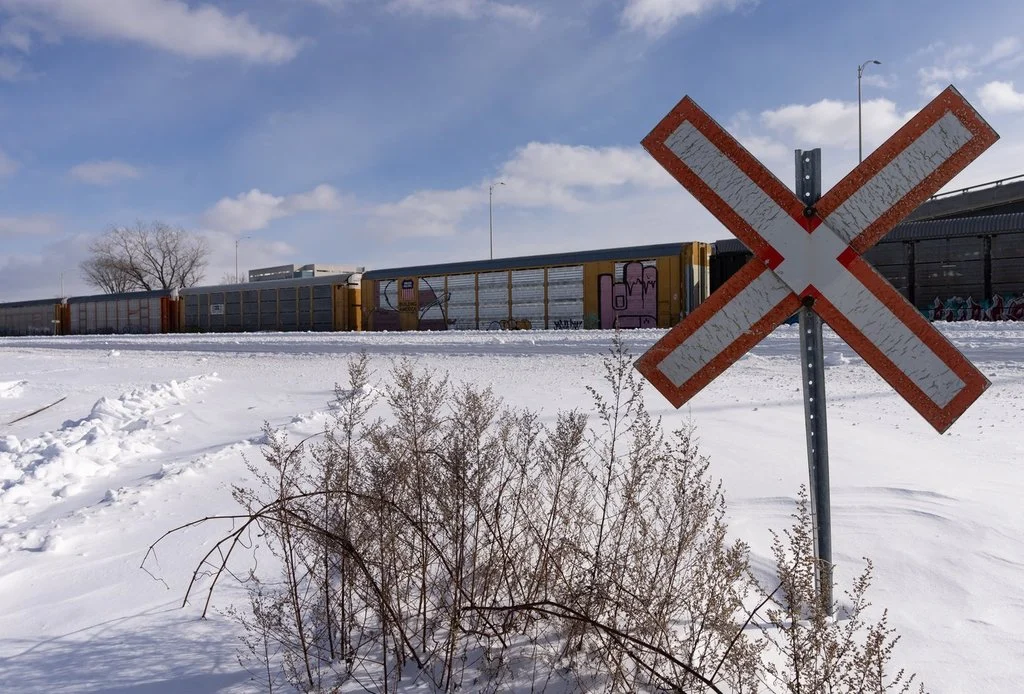
Truro, Nova Scotia — Canadian National Railway (CN) is currently conducting a thorough investigation into the derailment of 14 freight railcars that occurred in central Nova Scotia, specifically within the town of Truro. The incident, which took place around 5:30 p.m. on Saturday, August 29, 2026, has prompted a multi-agency response and raised questions regarding rail safety and the transportation of goods, including those with hazardous properties. Despite the significant scale of the derailment, CN has reassured the public that there is no danger to public safety, confirming that all affected railcars remained upright and no leaks, fires, or injuries were reported.
Initial Incident and Immediate Response
The derailment occurred near the bustling Queen Street railway crossing, a critical artery within Truro, a town often referred to as the "Hub of Nova Scotia" due to its strategic location at the junction of several major transportation routes. At approximately 5:30 p.m. Atlantic Daylight Time on Saturday, residents in the vicinity reported unusual noises and vibrations, leading to the discovery of the derailed train section. Emergency services, including the Truro Police Service, Truro Fire Department, and provincial hazardous materials teams, were immediately dispatched to the scene in conjunction with CN’s own emergency response crews.
Upon arrival, responders found a portion of a freight train with 14 cars having left the tracks. Crucially, CN emphasized that the derailment was an "upright" one, meaning the cars remained on their wheels, albeit off the rails, preventing the more severe consequences typically associated with rollovers or breaches of containment. This factor was instrumental in mitigating potential hazards, particularly given the nature of some of the cargo. The immediate priority was to secure the area, establish an exclusion zone, and assess the contents of the derailed cars to ensure there was no immediate threat to the environment or the public.
The Scene in Truro: Containment and Cleanup Efforts
The site of the derailment quickly became a focal point of activity as CN crews, supported by local authorities, began the complex process of securing the area and preparing for recovery operations. The Queen Street railway crossing, a vital connector in Truro, was immediately closed to vehicular and pedestrian traffic, necessitating a detour that rerouted motorists and caused significant disruption to local commuting patterns. As of Sunday, the detour remained in place, with no immediate timeline provided for the full reopening of the crossing.
Specialized equipment, including heavy cranes and recovery vehicles, was mobilized to the scene. The recovery process for a derailment of this size is typically meticulous and time-consuming, involving re-railing or carefully removing each affected car. Environmental specialists were also on standby, prepared to address any potential spills, although initial assessments confirmed no breaches of containment. The concerted effort underscored the seriousness with which such incidents are treated, even when immediate public danger is averted.
Understanding the Cargo: Hazardous Materials and General Freight

Of the 14 derailed railcars, three were identified as containing residue hydrogen peroxide. Hydrogen peroxide (H2O2) is a chemical compound used in various industrial applications, including bleaching paper, textiles, and as a disinfectant. While the cars contained only "residue," indicating they were not fully loaded with the active substance, the presence of any hazardous material necessitates stringent safety protocols. CN confirmed that these three cars were safely secured, with no reports of leaks from their residual contents. This distinction between a fully loaded car and one containing only residue is critical in assessing the immediate risk, as the quantity of material available for release is significantly lower. However, even trace amounts of certain chemicals can pose environmental or health concerns if mishandled.
The remaining 11 railcars were transporting what CN described as "paper-related products." This category typically includes a range of materials such as wood pulp, finished paper rolls, cardboard, or other cellulose-based goods destined for manufacturing or consumer markets. While not inherently hazardous in the same way as chemicals, a derailment involving such freight still presents logistical challenges, cleanup requirements, and potential for environmental impact if, for instance, products were to spill into waterways or contaminate soil. The upright nature of the derailment likely minimized the extent of damage to these contents, facilitating a more straightforward recovery.
Chronology of Events: From Derailment to Recovery
The timeline of events following the derailment paints a picture of swift emergency response and ongoing recovery efforts:
- Saturday, August 29, 2026, 5:30 p.m. ADT: The derailment occurs near the Queen Street railway crossing in Truro, Nova Scotia.
- Saturday, August 29, 2026, Evening: Local emergency services (Police, Fire, Hazmat) and CN crews converge on the scene. The area is secured, and initial assessments confirm no immediate public danger, fires, or injuries. The Queen Street crossing is closed, and detours are established.
- Saturday, August 29, 2026, Late Evening/Night: CN confirms the contents of the derailed cars, specifically identifying three with residue hydrogen peroxide and 11 with paper-related products. All hazardous material cars are reported as safely secured.
- Sunday, August 30, 2026, Morning: CN issues a public statement, reiterating the lack of public danger and apologizing for the inconvenience. Recovery operations begin in earnest, involving heavy machinery for re-railing and removal of affected cars. The investigation into the cause commences.
- Sunday, August 30, 2026, Afternoon: Cleanup efforts continue, with focus on clearing the tracks and restoring normal operations. Detours remain in place around the Queen Street crossing.
- Ongoing: The comprehensive investigation by CN, likely supported by Transport Canada, will proceed to determine the root cause, which could range from track defects, equipment malfunction, or human error. Recovery and track repair are expected to continue for an indeterminate period, impacting local traffic and potentially freight schedules.
Local Impact and Community Response
The derailment, though without severe immediate consequences, undoubtedly impacted the daily lives of Truro residents. The closure of the Queen Street crossing, a key connector, forced commuters to navigate alternative routes, leading to increased travel times and potential congestion on other local roads. Local businesses in the vicinity of the crossing may have experienced reduced foot traffic or delivery delays.
Statements from local officials, while not explicitly detailed in the original report, would typically involve expressing relief that no injuries or significant environmental damage occurred, while also acknowledging the disruption to the community. Mayor Bill Mills, or his successor in 2026, would likely commend the swift response of emergency services and CN for their coordinated efforts. Residents, while understanding the necessity of such closures for safety, often voice frustration over the inconvenience, especially in smaller communities where major detours can significantly lengthen travel.
CN’s apology to Truro residents for the inconvenience, coupled with their thanks to local emergency services, is a standard and necessary component of their public relations strategy following such an event. This gesture aims to acknowledge the community’s burden and foster goodwill during a challenging period.
Regulatory Oversight and Investigation

As with all significant rail incidents in Canada, the derailment in Truro will fall under the purview of Transport Canada, the federal regulatory body responsible for rail safety. While CN initiates its internal investigation, Transport Canada typically conducts its own independent assessment or closely monitors the railway’s investigation to ensure compliance with federal safety regulations and to identify any systemic issues that might require broader action.
The investigation will delve into various factors, including:
- Track Infrastructure: Condition of the rails, ties, and ballast in the affected section.
- Rolling Stock Integrity: Mechanical condition of the derailed cars and the locomotive.
- Operating Procedures: Adherence to speed limits, train handling protocols, and inspection routines.
- Environmental Factors: Any weather conditions or external influences that may have contributed.
Findings from such investigations are crucial for improving rail safety across the network. Depending on the cause, recommendations might include enhanced inspection regimes, modifications to equipment, or changes in operational practices. Canada has a robust framework for rail safety, and incidents like this serve as critical data points for continuous improvement.
Broader Implications for Rail Safety and Logistics
While localized to Truro, this derailment carries broader implications for rail safety and the logistics of freight transportation in Canada. CN operates a vast network that is vital for the Canadian economy, moving goods ranging from natural resources to manufactured products across the country and to international markets. Incidents, even minor ones, underscore the inherent risks associated with rail operations, particularly when hazardous materials are involved, even in residual quantities.
The costs associated with a derailment are substantial, including:
- Cleanup and Recovery: Labor, specialized equipment, and disposal of damaged materials.
- Track Repair: Replacing damaged rails, ties, and ballast.
- Logistical Delays: Impact on freight schedules, potential penalties for delayed shipments.
- Investigation Costs: Internal and external expert resources.
- Reputational Damage: Though mitigated by a swift and transparent response, incidents can erode public trust.
From a regulatory perspective, this event will likely contribute to ongoing discussions about the frequency of rail incidents, the adequacy of current safety protocols, and the transportation of dangerous goods. While hydrogen peroxide residue presents a lower immediate risk than a full spill, it highlights the constant vigilance required when moving chemicals through populated areas. Transport Canada’s statistics consistently show that derailments are among the most common types of rail occurrences, though the vast majority are minor and do not involve hazardous materials or serious injuries. For instance, in 2023, there were over 1,000 railway occurrences reported to Transport Canada, with a significant portion being derailments, emphasizing the need for continuous safety enhancements.
This incident in Truro serves as a stark reminder of the complexities and challenges inherent in maintaining a safe and efficient railway system. As recovery efforts continue and the investigation unfolds, both CN and regulatory bodies will use the lessons learned to reinforce safety measures and minimize the likelihood of future occurrences, thereby protecting communities and ensuring the reliable flow of commerce across the nation.