admin
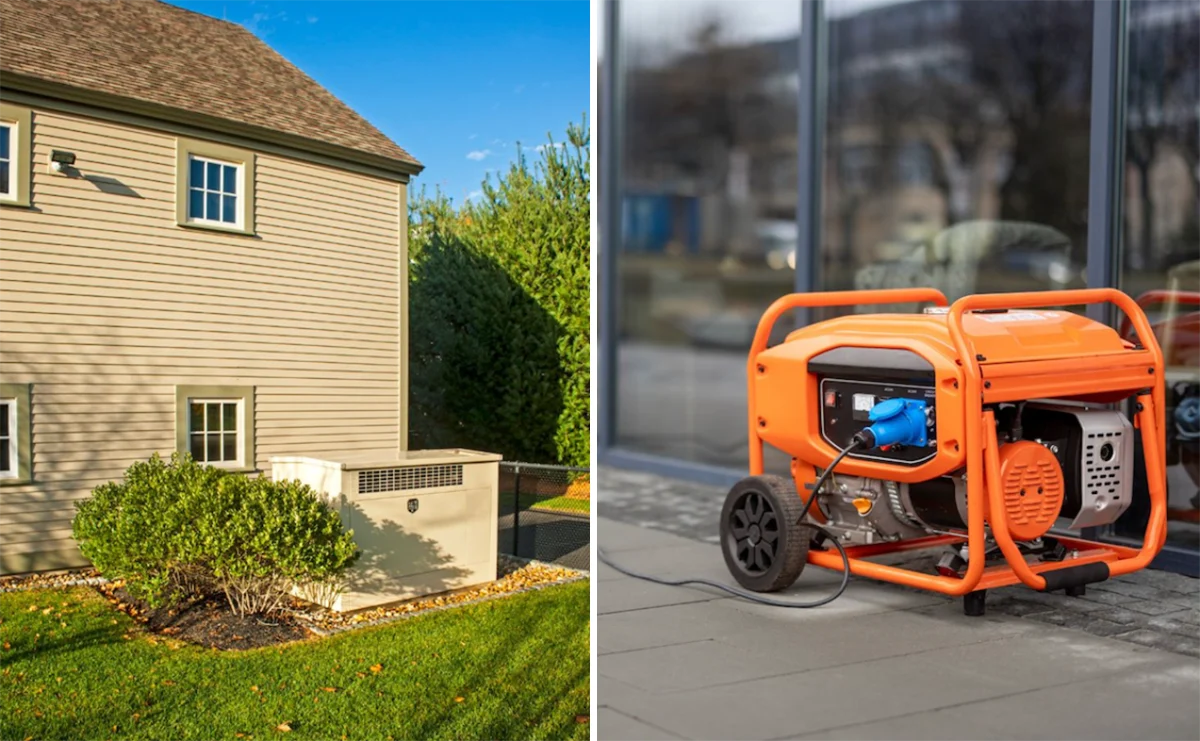
As extreme weather events increase in frequency and the national power grid faces mounting pressure from aging infrastructure, the demand for residential backup power solutions has reached unprecedented levels. Homeowners today are faced with a critical decision: whether to invest in a portable generator or a permanent standby system. This choice is no longer merely about convenience; for many, it is a matter of property preservation, health safety, and economic stability. While portable units offer a low-cost, versatile entry point for emergency preparedness, standby generators provide a seamless, high-capacity solution that mimics the reliability of the traditional utility grid. Determining the appropriate system requires a rigorous analysis of budget, power requirements, regional climate risks, and long-term property goals.
The Evolution of Residential Power Security
The history of residential backup power has transitioned from a niche requirement for rural homesteads to a mainstream necessity for suburban and urban households. Historically, power outages were viewed as brief inconveniences, usually resolved within hours. However, data from the U.S. Energy Information Administration (EIA) indicates that the average duration of power interruptions has nearly doubled over the last decade, driven largely by catastrophic weather events such as hurricanes, wildfires, and ice storms.
In the late 20th century, the portable generator—typically a loud, gasoline-hungry machine—was the primary tool for homeowners. These units required manual deployment and were primarily used to prevent food spoilage. The 21st century saw the rise of the "whole-house" standby generator, fueled by natural gas or liquid propane. These systems integrated directly with home automation and electrical panels, reflecting a shift in consumer expectations toward "always-on" connectivity and climate control.
Portable Generators: Versatility and Accessibility
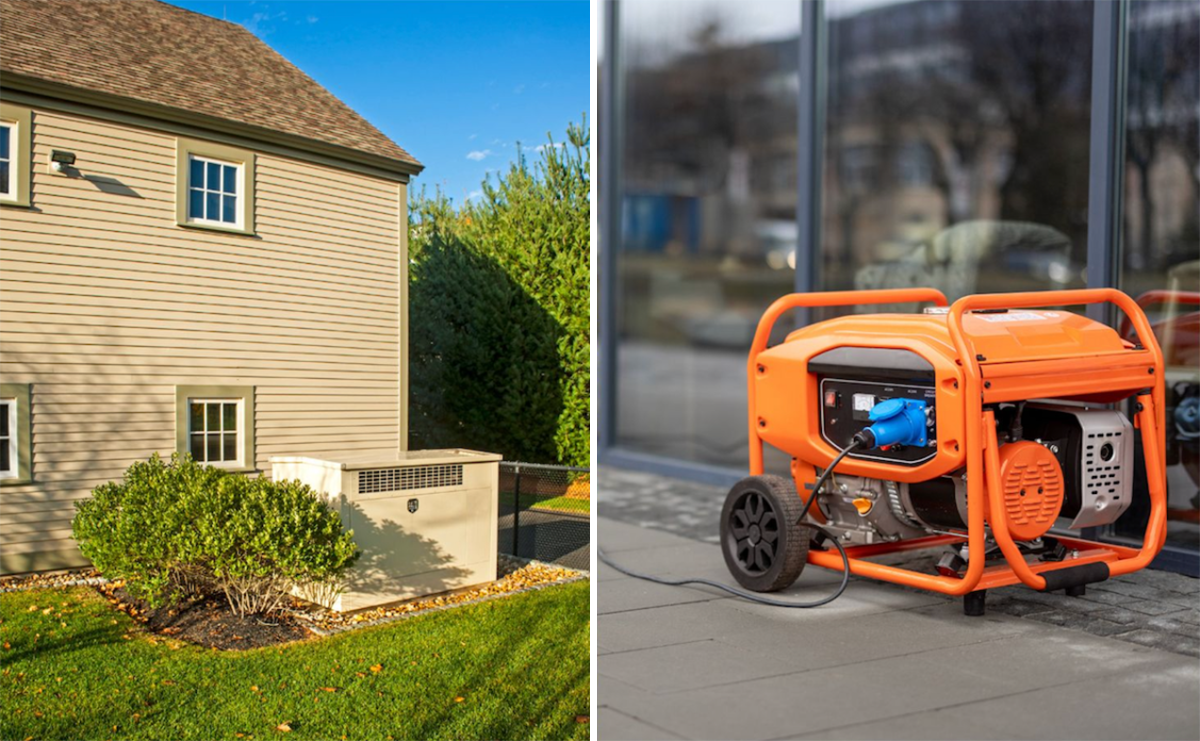
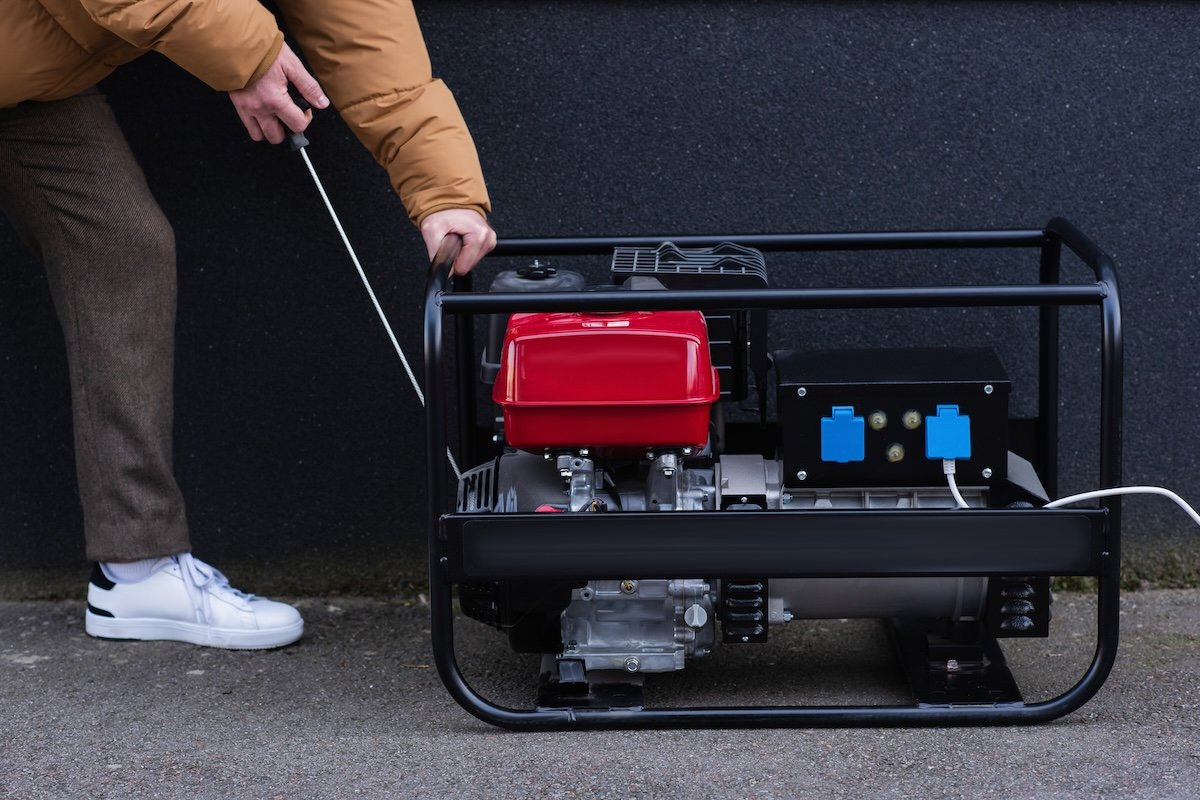
A portable generator is a mobile, internal combustion engine-driven device designed to provide temporary electrical power. Ranging in output from 2,000 to 10,000 watts, these units are typically fueled by gasoline, though "dual-fuel" models capable of running on propane are increasingly popular.
Technical Specifications and Operation
Portable generators function by converting mechanical energy into electrical energy through an alternator. To use one during an outage, a homeowner must retrieve the unit from storage, position it at least 20 feet away from the home to prevent carbon monoxide poisoning, fuel it, and manually start the engine. Appliances are then connected via heavy-duty extension cords or through a manual transfer switch installed at the electrical panel.
Economic Considerations
The primary advantage of the portable generator is its price point. Entry-level models can be purchased for as little as $500, while high-capacity, inverter-equipped units—which provide "clean" power safe for sensitive electronics—may cost up to $3,000. For many households, this represents a manageable investment in emergency preparedness without the need for permanent property modifications.
Limitations and Risks
The drawbacks of portable units are centered on labor and capacity. They require a steady supply of fresh fuel, which can be difficult to procure during widespread outages when gas station pumps are offline. Furthermore, they generally lack the wattage to power high-draw appliances simultaneously, such as central air conditioning, electric water heaters, and well pumps. Safety remains a paramount concern; the Portable Generator Manufacturers’ Association (PGMA) emphasizes that improper use leads to hundreds of carbon monoxide-related incidents annually.
Standby Generators: The Seamless Power Solution
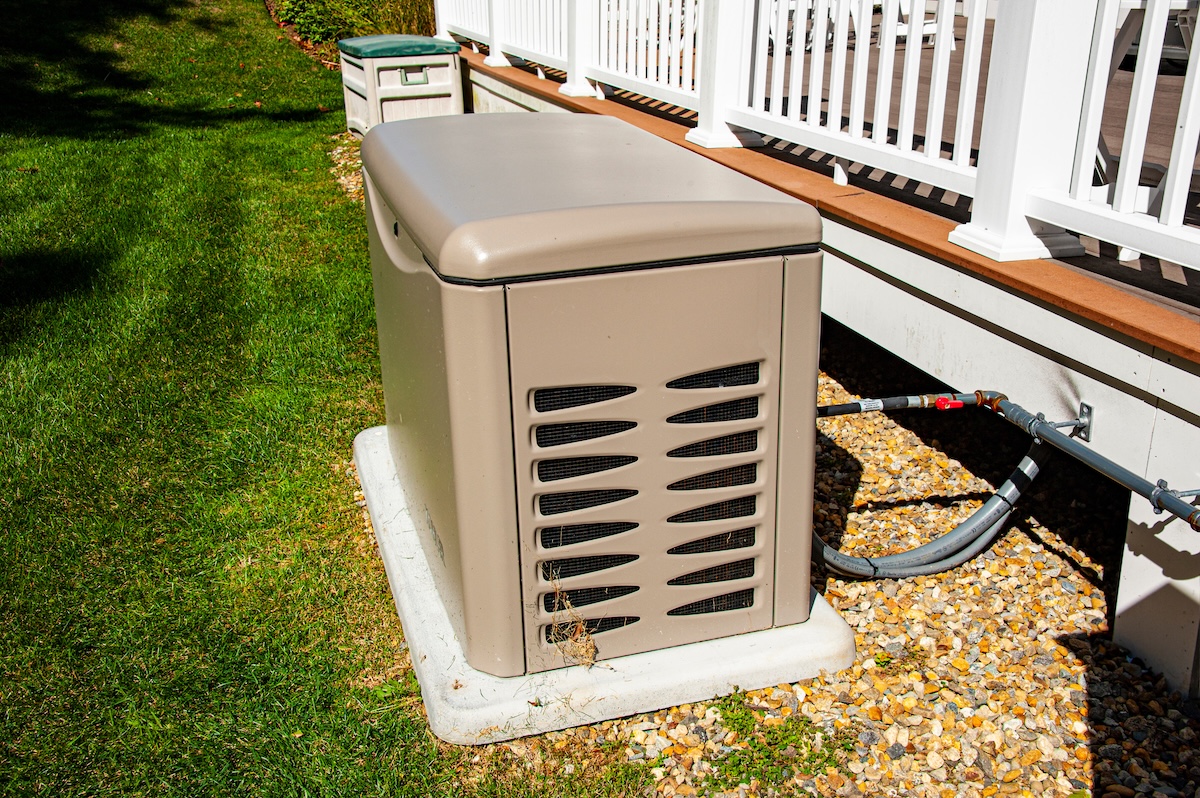
A standby generator is a permanent fixture, similar in appearance to an outdoor air conditioning unit. It is hardwired into the home’s electrical system and connected to a continuous fuel source, such as a municipal natural gas line or a large on-site propane tank.
The Role of the Automatic Transfer Switch (ATS)
The defining feature of a standby system is the Automatic Transfer Switch. When the ATS detects a loss of utility power, it signals the generator to start and then disconnects the home from the grid while simultaneously connecting it to the generator’s output. This process typically occurs in under 30 seconds. When utility power is restored, the ATS reverses the process and shuts down the generator.
Capacity and Reliability
Standby generators are designed for high-output demands, with common residential sizes ranging from 14,000 to 26,000 watts. This capacity allows for the uninterrupted operation of HVAC systems, medical equipment, security systems, and large kitchen appliances. "Homeowners who rely on air conditioning during intense summer heat, work from home, or have critical medical equipment find that a standby generator provides far greater value and peace of mind," notes Amy Northway, president of Power Solutions Specialist.
Installation and Maintenance
Unlike portable units, standby generators require professional installation involving licensed electricians and plumbers. The process includes pouring a concrete pad, upgrading the electrical panel, and extending gas lines. These units also perform self-diagnostic "exercise" cycles weekly to ensure the engine and alternator are in working order, necessitating an annual maintenance contract similar to that of a furnace.
Comparative Economic Data and Investment Value
The financial disparity between the two options is significant. While a portable setup might cost under $1,500 total (including a manual transfer switch), a standby generator installation typically ranges from $8,000 to $16,000.
However, the standby generator is often viewed as a capital improvement rather than a mere appliance purchase. According to data from Zonda/JLC’s "Cost vs. Value" report, homeowners can expect a high return on investment (ROI). On average, a standby generator retains approximately 95 percent of its cost in added home value. In regions frequently hit by severe weather, such as the Gulf Coast or the Northeast, this ROI can exceed 100 percent, as backup power becomes a top-tier priority for prospective buyers. Additionally, some insurance providers offer discounts on homeowners’ premiums for properties equipped with permanent standby power, as these systems prevent secondary damage like frozen pipes or mold growth resulting from failed sump pumps.
Safety, Regulatory, and Environmental Landscape
The regulatory environment for generators is tightening. The National Electrical Code (NEC) has implemented stricter requirements for how generators interface with home wiring to prevent "backfeeding," a dangerous condition where a generator sends power back into the utility lines, risking the lives of line workers.
Portable generators are now frequently equipped with automatic CO shutoff sensors to meet updated safety standards. Standby generators, by virtue of their fixed outdoor installation, are inherently safer regarding exhaust, but they must adhere to strict local zoning laws regarding noise levels and proximity to windows and property lines.
From an environmental perspective, the industry is seeing a shift toward "Clean Power" technologies. Inverter technology in portable units reduces fuel consumption and noise. Meanwhile, the standby market is beginning to see competition from large-scale battery backup systems, such as the Tesla Powerwall, which can be paired with solar arrays to provide a renewable alternative to fossil-fuel-burning engines.
Regional Considerations and Decision Factors
The decision-making process for a homeowner often hinges on the specific vulnerabilities of their geographic location.
- Coastal and Hurricane-Prone Regions: In these areas, outages can last for weeks. The difficulty of storing and transporting hundreds of gallons of gasoline makes portable units less practical. A standby unit connected to a natural gas line is the gold standard for long-term survival.
- Urban and Suburban Environments: Space constraints may make it difficult to operate a portable generator safely (at the required distance from structures). A standby unit, which has a smaller "safe" footprint and quieter operation, is often the only viable choice for dense neighborhoods.
- Rural and Off-Grid Locations: For those with large properties and mechanical skills, a high-capacity portable unit or a PTO (Power Take-Off) generator driven by a tractor may be more cost-effective.
Industry Outlook and Broader Implications
The backup power industry is projected to continue its growth trajectory as the U.S. electrical grid faces the dual challenges of decarbonization and electrification. As more households transition to electric vehicles (EVs) and heat pumps, the demand for residential electricity will rise, potentially leading to more frequent "brownouts" or rolling blackouts during peak demand.
Industry experts suggest that the "smart home" of the future will likely integrate a hybrid approach: solar panels for daily use, a battery for short-term storage, and a standby generator for multi-day emergencies. For the immediate future, however, the choice remains between the manual, budget-friendly portable unit and the automated, comprehensive standby system.
Ultimately, the choice between portable and standby generators comes down to a balance of budget and the required level of resilience. As Amy Northway summarizes, "If the goal is occasional backup power for a few items, a portable generator may be sufficient. If the goal is comfort, convenience, and peace of mind during extended outages, a standby generator is typically the better long-term investment." For the modern homeowner, investing in backup power is no longer an optional luxury but a fundamental component of responsible homeownership in an increasingly volatile climate.