admin
admin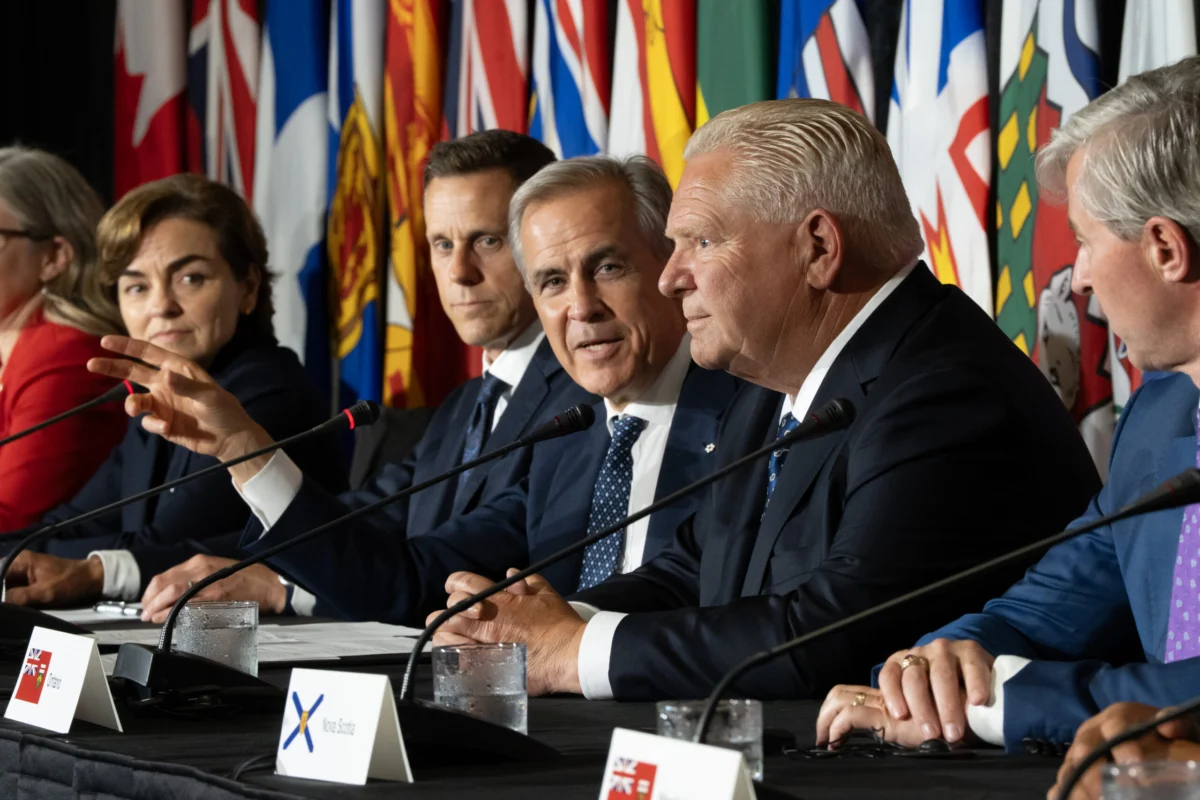
Canada finds itself on the brink of an intensified trade war with its largest trading partner, the United States, after high-stakes negotiations collapsed, leading to the immediate imposition of 50 percent tariffs on billions of dollars in Canadian goods. Prime Minister Mark Carney’s decisive move to walk away from what he deemed a "bad deal" has garnered a rare display of unified support from provincial premiers across the country, even as Canadian industries brace for significant economic fallout and potential job losses. The federal government has vowed swift, dollar-for-dollar retaliation, signaling a protracted and challenging period for North American trade relations.
A History of Volatile Trade Relations
The current trade dispute, while immediately triggered by the failure of recent talks, is not an isolated incident but rather the latest chapter in a frequently turbulent economic relationship between Canada and the United States. For decades, the two nations have shared one of the world’s most extensive bilateral trading relationships, cemented by agreements like the North American Free Trade Agreement (NAFTA) and its successor, the United States-Mexico-Canada Agreement (USMCA). However, periods of close cooperation have often been punctuated by contentious disputes, particularly concerning key sectors such as softwood lumber, dairy, and steel.
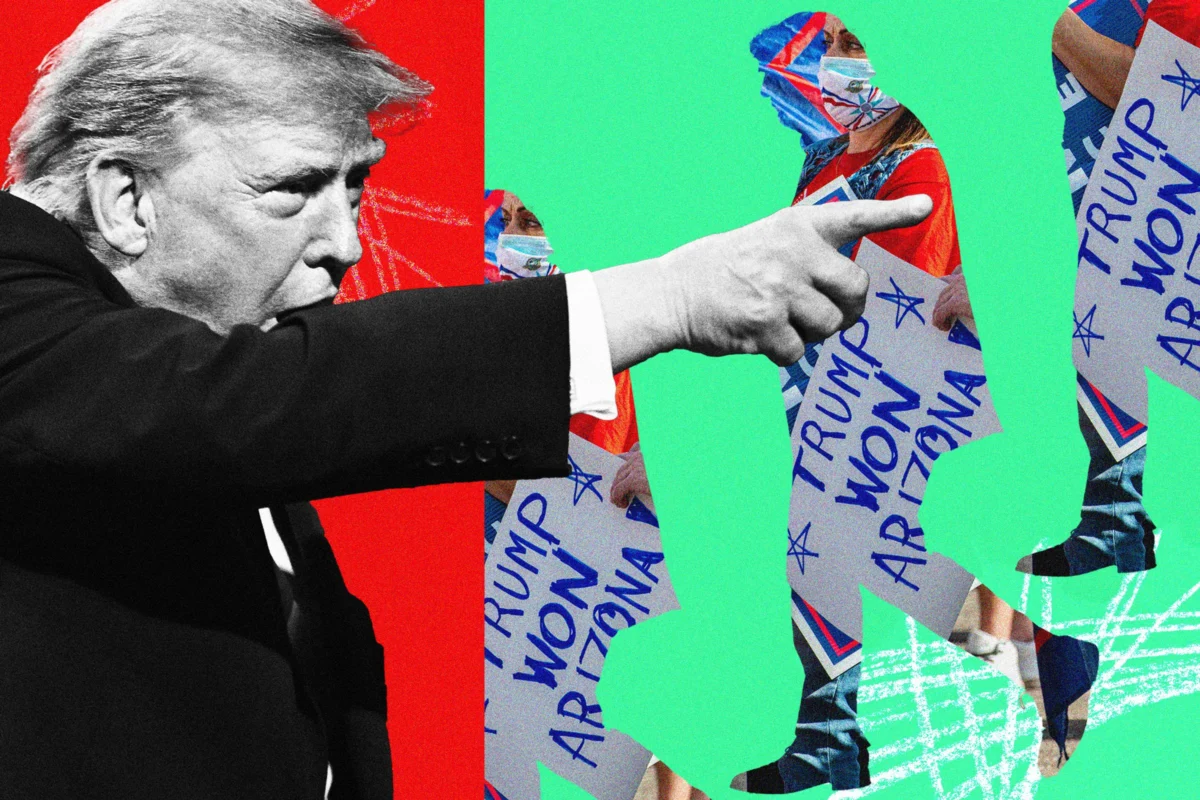
The previous administration under then-President Donald Trump initiated a significant trade re-evaluation, driven by an "America First" agenda that sought to renegotiate existing agreements and impose tariffs on various imports, including steel and aluminum, from allies like Canada. This era saw Canada respond with retaliatory tariffs, leading to a period of heightened uncertainty for businesses on both sides of the border. While the USMCA eventually brought some stability, it also demonstrated the vulnerability of the Canadian economy to shifts in U.S. trade policy and the readiness of the U.S. to exert pressure on its northern neighbor. The recent negotiations, therefore, unfolded against a backdrop of these past tensions, with Canadian officials acutely aware of the potential for a return to aggressive protectionist measures. The specific impetus for these latest talks, though not fully detailed, is understood to have stemmed from new demands from the U.S. administration, possibly aiming to extract further concessions in sectors deemed critical by Washington, or to re-evaluate specific clauses within the existing USMCA framework.

Chronology of a Collapsed Deal
The path to the current trade impasse was characterized by intense, high-pressure negotiations. For several days leading up to Saturday, Canadian and U.S. trade delegations, led by their respective chief negotiators, engaged in marathon sessions. The talks were reportedly aimed at resolving perceived imbalances and addressing new U.S. demands that could have significantly altered the existing trade landscape. Sources close to the negotiations indicated that the U.S. side presented a series of proposals that Canadian officials viewed as disproportionate and detrimental to key domestic industries.
The critical juncture arrived on Saturday when Prime Minister Mark Carney announced his decision to withdraw from the negotiating table. Carney stated unequivocally that he was "walking away from a bad deal," emphasizing that the proposed terms would have severely undermined Canada’s economic interests. Immediately following the collapse of talks, the United States made good on its threats, unilaterally imposing sweeping 50 percent tariffs on billions of dollars worth of Canadian products. This punitive measure took effect on Saturday, sending shockwaves through Canadian export-oriented industries. In response, Canada quickly signaled its intent to retaliate, with the Prime Minister’s office confirming that Canada would implement its own "dollar-for-dollar" tariffs on U.S. goods beginning next month, escalating the dispute into a full-blown trade war.
On Saturday afternoon, Prime Minister Carney held an urgent briefing with all provincial premiers to outline the details of the abandoned deal, the nature of the U.S. tariffs, and the federal government’s planned relief measures and retaliatory strategy. This briefing served to unify the provincial leaders behind the federal government’s position, setting the stage for a united national response.
The Economic Hammer: Tariffs and Their Ramifications
The imposition of 50 percent tariffs by the United States represents an exceptionally high barrier to trade, effectively pricing many Canadian goods out of the U.S. market. These tariffs, levied on "billions of dollars in Canadian goods," are expected to hit a broad spectrum of industries, with the automotive, steel, and manufacturing sectors specifically highlighted as being most vulnerable.

- Automotive Sector: This sector, deeply integrated into the North American supply chain, relies heavily on cross-border movement of parts and finished vehicles. A 50 percent tariff could cripple Canadian auto parts manufacturers and assembly plants, leading to significant production cuts, factory closures, and widespread job losses. The Automotive Parts Manufacturers’ Association (APMA) has warned that such tariffs could make Canadian-produced components uncompetitive, forcing U.S. manufacturers to source domestically or from other countries, severing decades-old supply linkages.
- Steel Sector: Already a frequent target in previous trade disputes, the Canadian steel industry faces immense pressure. Higher tariffs would make Canadian steel prohibitively expensive for U.S. buyers, impacting producers, processors, and related industries. The Canadian Steel Producers Association (CSPA) estimates that thousands of jobs could be at risk, especially in provinces like Ontario, which has a robust steel industry.
- Manufacturing Sector: Beyond auto and steel, a vast array of manufactured goods, from machinery and equipment to chemicals and consumer products, could be affected. Small and medium-sized enterprises (SMEs) that rely on U.S. exports might find it impossible to absorb such steep tariffs, potentially leading to bankruptcies and significant contractions in regional economies.
- Broader Economic Impact: The immediate fallout could include a sharp decline in Canadian exports to the U.S., supply chain disruptions for North American businesses, and upward pressure on consumer prices as Canadian retailers face higher costs for imported U.S. goods once Canada’s retaliatory tariffs come into effect. Economists are warning of a potential slowdown in economic growth, with some predicting a heightened risk of recession if the dispute is prolonged. The Canadian Chamber of Commerce has expressed profound concern, stating that businesses require immediate support and clarity on government mitigation strategies.
Canada’s planned "dollar-for-dollar" retaliation next month is expected to target a similar value of U.S. imports. Potential targets could include key U.S. agricultural products (dairy, fruit, vegetables), manufactured goods (electronics, appliances), and consumer items, designed to exert maximum political and economic pressure on specific U.S. states and industries. This tit-for-tat approach, while aimed at signaling resolve, also carries the risk of further escalating the trade conflict and harming Canadian consumers and businesses reliant on U.S. imports.
A United Front: Premier Responses
The Prime Minister’s briefing to the premiers revealed a remarkable degree of solidarity across provincial lines, underscoring the severity of the challenge and the shared national interest in resisting what is perceived as U.S. overreach.
Prime Minister Mark Carney reiterated his firm stance, emphasizing that the "bad deal" presented by the U.S. was simply untenable. While details of the specific concessions demanded by the U.S. were not publicly disclosed, it is understood that they involved significant reductions in Canada’s ability to protect its key industries, potentially through relaxed regulatory standards, altered procurement policies, or disproportionate market access provisions. Carney’s resolve to walk away, even at the risk of immediate tariffs, suggests that the long-term cost of accepting the U.S. terms was deemed far greater than the short-term pain of a trade war. He pledged federal support for affected industries and workers, promising a comprehensive package to help mitigate the impact of the tariffs.
Ontario Premier Doug Ford emerged as one of the most vocal proponents of a strong Canadian response. Speaking to reporters in Toronto, Ford declared, "I’ve always said we need to fight these tariffs. Tariff to tariff, dollar to dollar." He unequivocally supported Carney’s decision, stating, "I’m glad he didn’t sign that deal because it was a bad deal. It was a bad deal for Ontario. It was a bad deal for the auto sector, the steel sector and the manufacturing sector. We never started this fight, but I can assure you, we’re going to win this fight." Ford’s impassioned comments underscored the particular vulnerability of Ontario’s industrial heartland and reflected a broader sentiment of defiance against what he characterized as predatory trade practices. His earlier remark, "President Trump is the type of person that would steal your lunch money," encapsulates the provincial leader’s view of the U.S. administration’s aggressive negotiating tactics.

Manitoba Premier Wab Kinew echoed the call for a robust defense of Canadian interests. "History will not be kind to Donald Trump, so we should never appease him," Kinew asserted, adding, "We should fight back, which is what Canada’s doing today." His statement highlights a principled stand against what is perceived as bullying tactics, suggesting a long-term strategic imperative to protect national sovereignty and economic independence.
Nova Scotia Premier Tim Houston offered his "full support" to Prime Minister Carney, acknowledging the profound shift in geopolitical dynamics. "It’s clear that we cannot trust or rely on the United States as we once did. This reality must make us more determined than ever to make Nova Scotia and Canada stronger," Houston stated. His comments reflect a growing recognition across Canada that the traditional reliance on the U.S. as a stable and predictable trading partner may no longer be sustainable, necessitating a pivot towards greater self-reliance and diversification of trade relationships.
Support also came from other provinces, with the premiers of New Brunswick, British Columbia, and Saskatchewan publicly affirming their backing for the federal government’s position. This broad provincial consensus sends a powerful message of national unity to the United States and the international community, indicating that Canada is prepared to endure economic hardship in defense of its trade principles.
Broader Implications and Future Outlook
The collapse of these trade talks and the subsequent escalation of tariffs carry significant implications for Canada, the United States, and the global trade environment.

Political Implications: Domestically, the united front presented by federal and provincial leaders could strengthen national resolve, fostering a sense of shared purpose in confronting an external economic threat. For Prime Minister Carney, successfully navigating this crisis will be a critical test of his leadership. Internationally, this dispute could further strain Canada-U.S. relations, potentially impacting cooperation on other fronts, from security to environmental policy. It also sends a message to other U.S. trading partners about the Trump administration’s willingness to use tariffs as a primary negotiating tool, potentially encouraging a more confrontational approach from other nations.
Economic Implications: Beyond the immediate impact on specific sectors, the prolonged trade dispute could force a fundamental re-evaluation of Canada’s economic strategy. There will be increased pressure to diversify trade away from the overwhelming reliance on the U.S. market, accelerating efforts to forge stronger economic ties with Asian, European, and other global partners. Canadian industries may need to innovate rapidly, optimize supply chains, and seek new markets for their products. The federal government will likely face sustained pressure to implement robust support programs for affected workers and businesses, including subsidies, retraining initiatives, and investment in domestic production capacity. The stability of continental supply chains, a hallmark of North American manufacturing, is now severely jeopardized, prompting businesses to reassess their operational resilience.
Legal and Diplomatic Avenues: While the immediate focus is on retaliatory tariffs, Canada is also expected to explore all available legal avenues, including challenging the U.S. tariffs through international bodies like the World Trade Organization (WTO), though such processes are often lengthy and their outcomes uncertain. Diplomatic efforts will continue behind the scenes, but the current confrontational stance suggests that any resolution will be hard-won.
The coming months will be crucial for Canadian businesses and consumers as the full weight of the tariffs and counter-tariffs takes effect. The commitment to a "dollar-for-dollar" fight underscores Canada’s determination, but the economic cost of this resolve remains to be seen. As Canada stands firm against its largest trading partner, the future of North American trade hangs in a precarious balance, signaling a new era of heightened economic nationalism and potential disruption.