admin
admin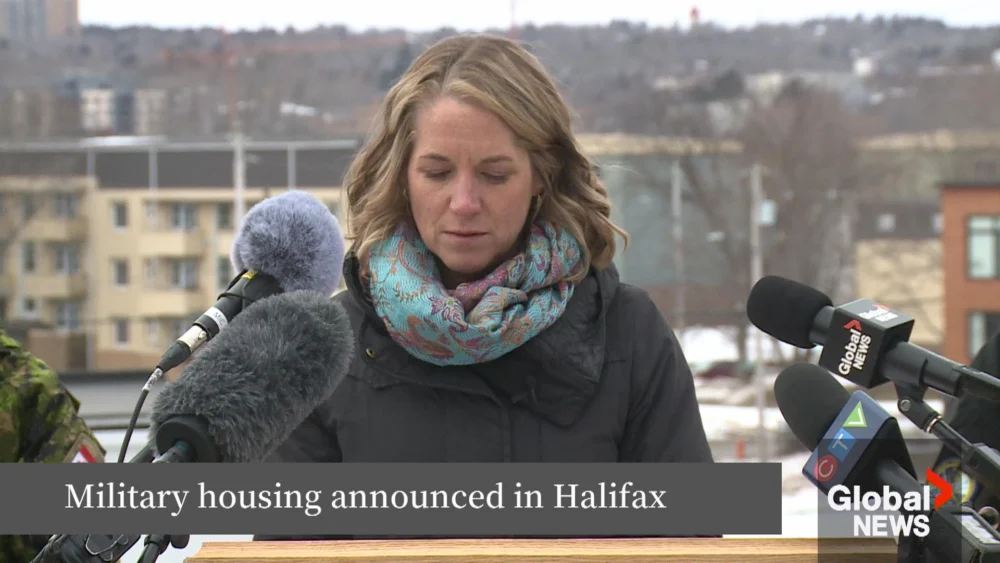
New housing is on the way for Canadian Armed Forces members across the Maritimes, with a significant federal investment aimed at alleviating a persistent national housing crisis impacting military families. The federal government recently announced plans to construct approximately 400 new housing units in Halifax, Nova Scotia, building upon a similar commitment made just a week prior for 650 units at CFB Gagetown in New Brunswick. These regional initiatives are part of a broader, ambitious $3.7 billion national housing construction program, spearheaded by the Department of National Defence (DND), which aims to deliver 7,500 new units across 25 locations nationwide. The comprehensive strategy underscores a renewed federal commitment to improving the quality of life and operational readiness for Canada’s service members, addressing long-standing concerns about the availability and affordability of suitable accommodations.
The announcement, delivered at CFB Halifax, highlighted the critical need for modernized and accessible housing for the military community. Halifax Member of Parliament Shannon Miedema underscored the multifaceted benefits of the investment during a media event, stating, “This announcement is good news not only for members of the Canadian Armed Forces, but really for our whole community. Members of our Canadian Armed Forces deserve to have safe, modern and affordable housing. They must be able to serve with a peace of mind, knowing that they have a place to call home no matter where they’re stationed.” This sentiment resonates deeply within military circles, where the challenges of frequent postings, high housing costs in major urban centres, and a limited supply of on-base or DND-managed housing have significantly impacted family stability and personnel retention.

A Phased Approach to National Military Housing
The current surge in military housing construction marks the second phase of the DND’s national housing construction program. This ambitious undertaking was formally launched by the Department of National Defence with the objective of systematically addressing the widespread housing deficits faced by CAF members. The initial phase of the program, while smaller in scale, laid the groundwork for this larger expansion, having already approved 48 units for Halifax, a crucial step in recognizing the acute pressures faced by the region. The addition of 400 new units in this second phase will dramatically increase the military housing stock in Halifax, effectively doubling the existing capacity. This substantial increase is particularly vital for CFB Halifax, which, with over 10,000 personnel, stands as the Canadian military’s largest base by population, placing immense strain on local housing markets and posing unique logistical challenges for its members.
The national program’s scale, targeting 7,500 units across 25 diverse locations, reflects a strategic understanding of the varied housing needs across Canada’s military installations, from bustling urban centres to remote outposts. The $3.7 billion investment signals a long-term commitment to infrastructure development within the DND, moving beyond stop-gap measures to implement a sustainable solution for military families. These new builds for Halifax are specifically planned to feature primarily one and two-bedroom apartment units, catering to a diverse demographic within the forces, including single members, couples, and small families. While the exact locations within Halifax are yet to be determined, planning is underway to integrate these developments strategically, considering factors such as proximity to base facilities, local amenities, and community integration.

Addressing the Unique Challenges of Military Life
The housing crisis affecting Canadian Armed Forces members is multifaceted, extending beyond the general market affordability issues impacting the wider Canadian public. Military personnel often face unique challenges, including frequent mandatory relocations (postings) every few years, which can disrupt family life, children’s schooling, and spousal employment. These moves frequently occur at short notice, forcing families to navigate new housing markets, often in high-cost areas, with limited time and resources. Furthermore, the nature of military service demands a degree of stability and peace of mind for personnel, allowing them to focus on their duties without undue stress about their family’s living conditions.
Tim Berryhill, the acting commander of CFB Halifax, articulated this crucial link between housing and operational effectiveness. He stated, “Military housing not only allows us to accommodate our personnel needed to conduct operations at home and abroad, it represents safety, security and community for many of our uniformed members and their families.” This underscores the strategic importance of adequate housing, not merely as a welfare benefit, but as a foundational element of military readiness and morale. When service members and their families are secure in their living arrangements, it directly contributes to improved retention rates, recruitment appeal, and overall operational capacity. The lack of suitable housing has been identified by various military advocacy groups and internal DND reports as a significant factor in personnel dissatisfaction and decisions to leave the service.

A Chronology of Federal Action and Persistent Need
The journey to this significant housing investment has been a long one, marked by fluctuating government attention and varying levels of funding for military infrastructure. For decades, military housing often suffered from underinvestment, leading to aging infrastructure, limited availability, and a declining quality of life for service members. This neglect exacerbated the challenges posed by Canada’s escalating housing costs, particularly in major military hubs like Halifax, Ottawa, and Vancouver.
Timeline of Key Developments (Inferred and Contextualized):

- Pre-2020s: Periods of gradual decline in military housing stock and quality, with maintenance backlogs accumulating. Increasing reports from military families about difficulties finding affordable, suitable housing off-base.
- Early 2020s: Growing awareness within the DND and government of the acute housing crisis impacting CAF members. Increased advocacy from military family support groups and veterans’ organizations. Initial studies and assessments identifying critical housing shortfalls at various bases.
- Late 2024 – Early 2025: Launch of Phase 1 of the DND’s national housing construction program. Initial allocation of funds for planning, assessment, and a limited number of new builds and renovations at priority locations. Halifax receives approval for 48 new units.
- February 2026: Announcement of 650 new housing units for CFB Gagetown, New Brunswick, signaling the commencement of Phase 2 of the national program. This move is welcomed as a crucial step for one of Canada’s largest military training bases.
- March 5, 2026: Formal announcement of 400 new housing units for CFB Halifax, Nova Scotia, solidifying the Maritimes as a key focus area for the Phase 2 rollout. This brings the total announced units for the region in quick succession to 1,050.
- Upcoming Years (2026-2030+): Phased construction and completion of the 7,500 units across 25 locations nationwide. Ongoing monitoring of market conditions, construction progress, and impact on CAF personnel welfare.
Broader Impact and Implications
The $3.7 billion investment and the commitment to 7,500 new units represent a significant policy shift, acknowledging that military housing is not just a logistical necessity but a critical component of national defence strategy.
Impact on CAF Morale and Retention: Improved housing is expected to directly boost morale among service members and their families. Reducing the financial burden and stress associated with finding and maintaining suitable accommodation can lead to greater job satisfaction and a stronger commitment to service. This, in turn, is anticipated to positively influence retention rates, helping the CAF address persistent recruitment and personnel shortages. A stable home environment fosters a sense of security and belonging, which is invaluable for a workforce that often faces high-stress operational demands.

Economic Benefits for Local Communities: The construction of thousands of new housing units will generate substantial economic activity across Canada. This includes the creation of numerous construction jobs—from skilled tradespeople to project managers—and significant demand for building materials and services. Local economies in and around the 25 chosen military bases stand to benefit from increased employment, local spending, and potential ripple effects in related industries. For communities like Halifax, with a large military presence, such investment can provide a stable economic stimulus, integrating the military community more deeply into the local fabric.
Alleviation of Pressure on Civilian Housing Markets: While military housing is primarily for service members, an increase in dedicated DND housing can indirectly ease some pressure on already strained civilian rental and real estate markets in military-dense areas. By providing accommodation directly to military families, fewer are competing for limited civilian housing stock, which could have a marginal but positive effect on overall affordability in these specific regions.
Strategic Importance for National Defence: Ensuring that military personnel have reliable, affordable housing close to their bases is crucial for operational readiness. It allows for quicker response times, reduces commuting stress, and fosters a stronger sense of community within the forces. This infrastructure investment is thus not merely a social program but a strategic one, enhancing Canada’s capacity to deploy and support its military domestically and internationally.

Challenges and Future Outlook:
Despite the positive reception, the execution of such a large-scale program will not be without its challenges. The current construction landscape in Canada is marked by labor shortages, supply chain disruptions, and inflationary pressures, which could impact timelines and budgets. Ensuring that the new units are truly "modern" and "affordable" will require vigilant oversight and flexible management strategies. Furthermore, the DND will need to work closely with municipal governments on zoning, infrastructure, and community integration to ensure these developments are successful.
Looking ahead, the success of Phase 2 will likely inform future phases of military housing development. The DND and the federal government will need to continuously assess the evolving needs of military families, adapt to demographic shifts within the forces, and monitor the broader housing market to ensure that this significant investment yields its intended long-term benefits. The current initiative represents a critical step towards fulfilling the nation’s obligation to those who serve, providing them with the fundamental security and stability of a place to call home, thereby strengthening the Canadian Armed Forces from the ground up.