admin
admin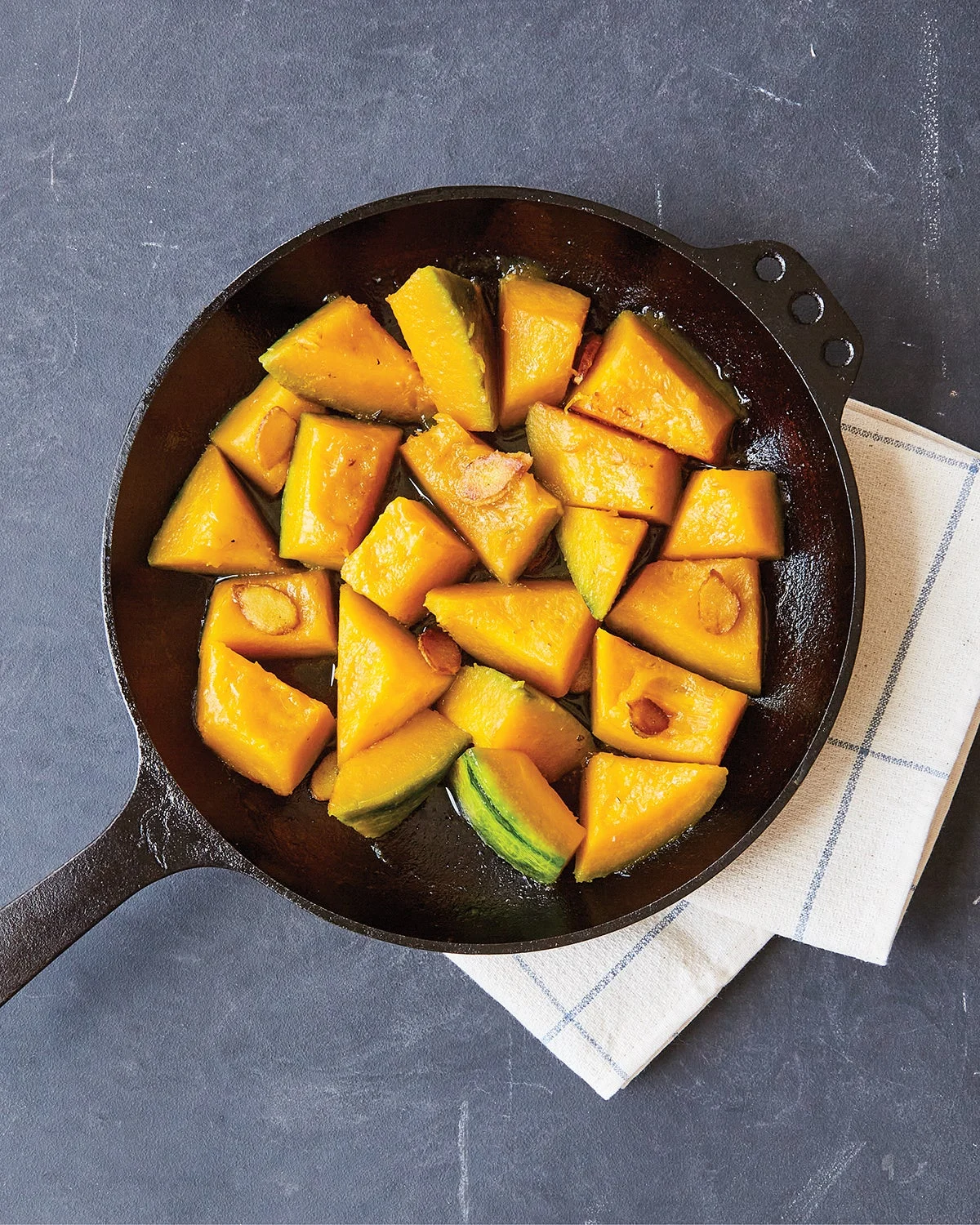
A seemingly simple, yet profoundly flavorful Taiwanese side dish, Braised Kabocha Squash With Ginger, has captured the attention of culinary enthusiasts for its ability to deliver complex taste profiles within a remarkably short preparation time of just 30 minutes. This fragrant, five-ingredient preparation, originating from the bustling culinary landscape of Taipei, offers a delightful glimpse into the nuances of Taiwanese home cooking. Travel writer Matt Gross, credited with documenting this recipe, learned its secrets from A-Mui Huang, a seasoned home cook in the Taiwanese capital. While kabocha squash is the star, the recipe’s inherent flexibility allows for the substitution of butternut squash, broadening its accessibility for home cooks globally.
The dish’s appeal lies in its elegant simplicity and the harmonious interplay of its core components. At its heart, it is a testament to the power of minimal ingredients to achieve maximum flavor. The preparation, as described, involves a high-heat sear of fresh ginger, releasing its pungent aroma and softening its texture, followed by the introduction of kabocha squash, a touch of sugar for sweetness, salt for balance, and a modest amount of water to facilitate the braising process. This straightforward approach belies the depth of flavor that emerges, a characteristic often found in traditional Taiwanese cuisine, which masterfully balances sweet, savory, and aromatic elements.
Background and Culinary Context
Taiwanese cuisine, a vibrant tapestry woven from indigenous, Chinese, Japanese, and even some Southeast Asian influences, is renowned for its emphasis on fresh ingredients, delicate flavorings, and meticulous preparation techniques. The island’s agricultural bounty, coupled with its rich history of cultural exchange, has fostered a culinary tradition that is both diverse and deeply rooted. Side dishes, often overlooked in Western culinary narratives, play a pivotal role in a Taiwanese meal. They are not mere accompaniments but integral components that contribute texture, color, and complementary flavors to the main courses. These dishes often showcase seasonal produce and highlight the natural sweetness and unique characteristics of various vegetables.
Kabocha squash, also known as Japanese pumpkin, is a popular ingredient in East Asian cuisines, appreciated for its dense, sweet flesh and its ability to hold its shape during cooking. Its slightly nutty flavor and creamy texture make it an ideal candidate for braising, where it can absorb the surrounding flavors without becoming mushy. The inclusion of ginger, a staple in many Asian kitchens, provides a warming spice and aromatic complexity that cuts through the squash’s inherent sweetness, creating a balanced and invigorating taste.
The methodology of braising, employed in this recipe, is a time-honored cooking technique that involves searing food and then simmering it gently in a liquid. This process not only tenderizes tougher cuts of meat and vegetables but also allows flavors to meld and deepen. In the context of this Taiwanese dish, the high-heat initial sear of the ginger awakens its aromatic compounds, while the subsequent braising in a minimal liquid infuses the squash with the ginger’s essence and a subtle sweetness from the sugar.
The Recipe’s Genesis and Transmission
The personal narrative behind this recipe underscores its authenticity and its connection to everyday Taiwanese life. Travel writer Matt Gross’s encounter with A-Mui Huang in Taipei serves as a conduit for sharing this culinary tradition with a wider audience. This process of knowledge transfer, from a home cook to a journalist, and subsequently to the public, is crucial for the preservation and dissemination of cultural heritage, particularly in the realm of food. Home cooks like A-Mui Huang are the custodians of generational recipes, their kitchens the laboratories where these flavors are perfected and passed down.
The fact that this dish can be prepared with butternut squash highlights its adaptability. Butternut squash, while possessing a slightly different texture and flavor profile, shares enough characteristics with kabocha squash to serve as a viable substitute. This substitutability speaks to the pragmatic nature of home cooking, where resourcefulness and the availability of ingredients often dictate the final preparation. It also makes the recipe more approachable for international audiences who may have easier access to butternut squash.
Culinary Significance and Data
The nutritional profile of kabocha squash further enhances its appeal. It is a good source of Vitamin A, essential for vision and immune function, and Vitamin C, an antioxidant that supports skin health and the immune system. It also provides dietary fiber, which aids in digestion and promotes satiety. Ginger, renowned for its anti-inflammatory and digestive properties, adds a health-conscious dimension to the dish.
The simplicity of the five-ingredient structure (kabocha squash, ginger, oil, sugar, salt) is a significant aspect of its culinary appeal. In an era where complex recipes and lengthy ingredient lists can be intimidating, a dish that requires minimal components and a short preparation time is highly attractive. This aligns with broader trends in home cooking, emphasizing efficiency and accessibility without compromising on flavor or nutritional value. The 30-minute timeframe is particularly relevant for busy individuals and families seeking wholesome and flavorful meals.
Broader Impact and Implications
The popularization of recipes like Braised Kabocha Squash With Ginger through media channels has a tangible impact on culinary trends and consumer behavior. It introduces diverse flavors and ingredients to a wider audience, encouraging experimentation and a greater appreciation for international cuisines. This particular dish, with its Taiwanese origins, contributes to the growing recognition of the richness and sophistication of Taiwanese culinary traditions on a global scale.
Furthermore, such recipes can foster a greater understanding and appreciation for the cultural contexts from which they emerge. By learning about a dish, individuals often gain insights into the daily lives, traditions, and agricultural practices of a particular region. This culinary diplomacy, facilitated by the sharing of recipes, can build bridges of understanding and cultural exchange.
The adaptability of the recipe, allowing for the use of butternut squash, also has economic implications. It can stimulate demand for specific types of squash and encourage local producers to cultivate them. Moreover, it empowers home cooks to recreate authentic flavors using ingredients readily available in their local markets.
Chronology of Preparation and Flavor Development
The 30-minute timeline is not merely a suggestion but a carefully calibrated sequence of events designed to optimize flavor development. The process begins with the high-heat application to the oil, a critical step for achieving the desired aromatic release from the ginger.
Minute 0-2: The introduction of ginger to hot oil. This initial searing is crucial for unlocking its volatile aromatic compounds. The ginger softens slightly, indicating the release of its pungent essence into the oil, forming the flavor base of the dish.
Minute 2-4: The addition of kabocha squash. This is followed by the incorporation of sugar and salt. The sugar begins to dissolve, contributing to the caramelization of the squash and providing a counterpoint to the ginger’s spice. Salt enhances the natural sweetness of the squash and balances the overall flavor profile.
Minute 4-5: The addition of water and bringing the mixture to a boil. The water acts as a braising liquid, preventing the ingredients from sticking and creating steam to cook the squash. Boiling initiates the tenderization process.
Minute 5-17 (approximately): Covering the skillet and reducing the heat to medium. This stage is the core of the braising process. The covered skillet traps steam, allowing the squash to cook gently and absorb the flavors from the ginger and the braising liquid. Occasional stirring ensures even cooking and prevents any sticking. The target is for the squash to be tender when pierced with a fork, indicating it has reached the optimal texture – soft but not mushy.
Minute 17+: Transferring to a bowl and serving hot. The dish is ready to be enjoyed immediately, allowing the diner to experience the full impact of the freshly braised flavors.
This precise, albeit brief, chronological sequence highlights the efficiency and effectiveness of the cooking method. Each step is designed to contribute to the final flavor and texture, demonstrating that complexity in taste does not necessarily equate to complexity in preparation.
Official Responses and Recognition (Inferred)
While no official statements or reactions from governing bodies or culinary organizations are provided for this specific recipe, the continued presence and documentation of such traditional dishes in reputable culinary publications like Saveur signifies a broader, implicit endorsement. Food writers and journalists, acting as cultural ambassadors, play a crucial role in identifying, documenting, and promoting these culinary gems. Their work often brings these home-style recipes to a wider audience, indirectly contributing to their preservation and recognition. The inclusion of this recipe in a prominent food publication suggests that it has met certain standards of culinary merit, flavor, and cultural significance.
Broader Impact and Future Implications
The enduring appeal of Braised Kabocha Squash With Ginger lies in its ability to transcend simple sustenance and become a vehicle for cultural connection. As global palates become more adventurous and the appreciation for authentic culinary experiences grows, dishes like this are poised to gain even greater prominence. The accessibility of the recipe, both in terms of its simple ingredient list and its short preparation time, makes it an ideal candidate for replication in homes around the world.
The continued exploration and documentation of regional cuisines, particularly those that emphasize fresh, seasonal ingredients and balanced flavor profiles, are vital for maintaining culinary diversity. This Taiwanese side dish, with its warmth and depth, serves as a delicious ambassador for a rich and multifaceted culinary heritage, inviting individuals to explore the world one flavorful bite at a time. The potential for this dish to become a staple in home kitchens globally is significant, not only for its taste but also for its ability to foster a deeper appreciation for the art of simple, honest cooking.