admin
admin
The intricate world of home renovation, often fraught with unforeseen complications and overwhelming micro-details, has found a new, comprehensive guide in Annie Meyers-Shyer’s recently published book, This Oak House. Hailed as a seminal work that seamlessly blends personal narrative with an exhaustive how-to manual, Meyers-Shyer’s debut offers a meticulous roadmap for navigating the often-turbulent journey of transforming a house into a home. Drawing from her own extensive experience in renovating a cherished family property, the book, much like its popular Instagram precursor, stands out for its radical transparency and commitment to empowering homeowners with the knowledge typically reserved for design professionals.
From Personal Journal to Public Phenomenon: The @ThisOakHouse Journey
The genesis of This Oak House is rooted in a deeply personal endeavor that serendipitously blossomed into a public phenomenon. When Annie Meyers-Shyer, along with her husband and two sons, embarked on a new chapter in Los Angeles, the prospect of undertaking a deep renovation of an inherited "country colonial-style five-bedroom" house was not initially part of her plans. The property, once belonging to her mother-in-law, presented a significant undertaking, yet Meyers-Shyer, with a keen eye for potential, embraced the challenge with a remarkable zeal.
Her journey began not as a public design project, but as a digital journal on Instagram, @ThisOakHouse, intended primarily for friends and family in New York City to follow her family’s new life and the unfolding renovation. Within months, however, the account transcended its initial purpose, evolving into a widely followed renovation travelogue. By September 2026, the account boasted hundreds of thousands of dedicated followers, captivated by Meyers-Shyer’s unique approach to home design documentation.
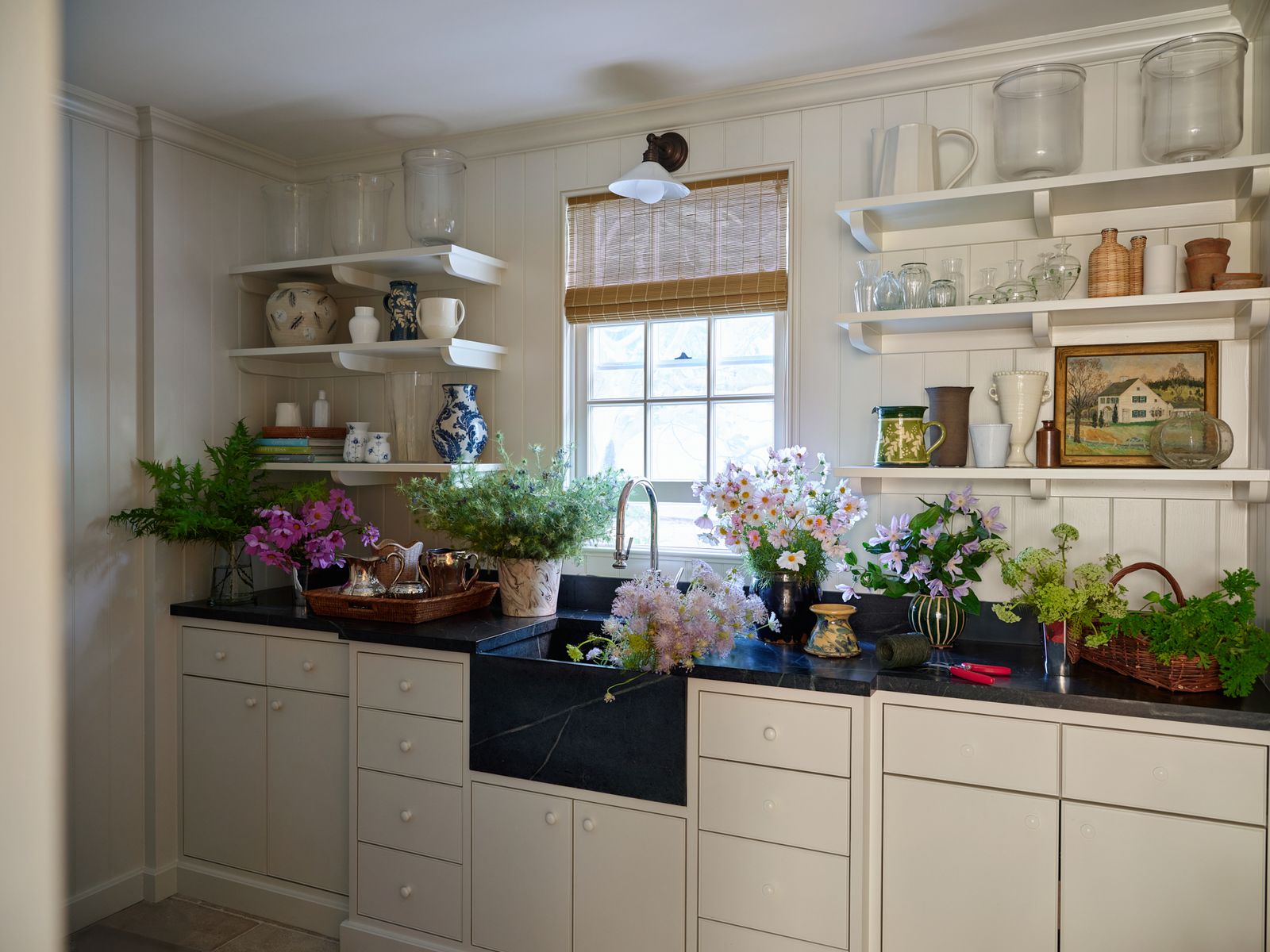
A significant draw, undoubtedly, was Meyers-Shyer’s lineage; her mother, acclaimed filmmaker Nancy Meyers, is widely recognized as the unofficial godmother of the "Coastal Grandma" aesthetic – a style synonymous with elegant, comfortable, and aspirationally curated living spaces. This familial connection initially piqued interest, but it was Annie Meyers-Shyer’s distinctive "anti-gatekeeping" philosophy that sustained and expanded her audience. Unlike many renovation accounts that present polished "after" shots or selectively reveal processes, @ThisOakHouse invited its audience into the nitty-gritty, often messy, details of decision-making. Discussions ranged from the practicalities of utilizing awkward spaces between eaves in children’s bedrooms and the suitability of wood flooring in bathrooms, to the aesthetic debate of light versus dark paint choices for specific rooms. This open dialogue, where Meyers-Shyer actively engaged with comments and feedback, fostered an unprecedented sense of collaboration, making followers feel genuinely invested in the project. As Nancy Meyers herself notes in the book’s foreword, this interactive dynamic transformed the renovation into a collective experience.
The Blueprint of Detail: Navigating the "House" Section
This Oak House is intelligently structured into two distinct yet complementary sections: "House" and "Home." The "House" section serves as a technical manual, meticulously dissecting the architectural and structural elements of a renovation. Meyers-Shyer leaves no stone unturned, accounting for every conceivable decision that contributes to the foundational integrity and functional elegance of a living space.
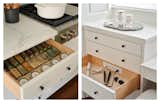
This section delves into critical, often overlooked, specifics such as determining the precise placement of electrical outlets based on a comprehensive furniture plan, supervising contractors during the installation of custom storage solutions, and managing the intricate logistics of lighting deliveries. Readers are privy to insights usually reserved for industry professionals, including architect Brian Covington’s detailed drawings specifying front door hardware placement – a testament to the granular level of planning required for a truly bespoke finish. Meyers-Shyer’s guidance extends to complex terminology, elucidating concepts like "RCP" (reflected ceiling plan) and "paint schedule," and crucially, sharing her own versions of these documents.
Her expertise is vividly demonstrated in her discussions on lighting, where she unequivocally champions "monopoints—a single light fixture using a track-style head, mounted to a ceiling without a track system" over traditional recessed or "can" lights. This isn’t merely a preference; it’s an informed decision rooted in a deep understanding of design aesthetics and functionality. By providing such detailed explanations, Meyers-Shyer empowers readers to speak the same language as their architects, contractors, and designers, fostering more effective communication and ensuring their vision is accurately translated into reality.
Supporting data consistently highlights the value of such meticulous planning. According to a 2023 report by HomeAdvisor, over 35% of home renovation projects exceed their initial budget, often due to unforeseen issues stemming from inadequate upfront planning. A significant portion of these cost overruns and delays could be mitigated by the kind of exhaustive detail advocated in This Oak House. Design professionals often lament the communication gap with homeowners who lack the technical vocabulary to articulate their desires precisely. This Oak House directly addresses this challenge, offering a practical education that bridges this critical divide, potentially saving homeowners time, money, and considerable stress.
Crafting a Personal Sanctuary: Insights from the "Home" Section
While the "House" section lays the technical groundwork, the "Home" section cultivates the soul of the living space. This segment is an intimate exploration of how personal touches and curated aesthetics transform mere structures into sanctuaries. Meyers-Shyer’s approach here is no less detailed or instructive, but it is imbued with a warmth that reflects the emotional investment inherent in creating a family home.
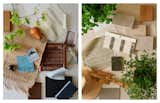
Readers are invited into the creative process through vibrant mood boards showcasing fabric swatches from esteemed designers like Rose Tarlow and jute rugs from Lawrence of LaBrea. These visual guides illustrate the meticulous curation of materials, textures, and colors that define the aesthetic of each room. Beyond fabrics and finishes, Meyers-Shyer shares practical advice for sourcing unique pieces, including her personal list of auction search terms for uncovering antiques and artwork, and methods for calculating optimal lighting distances in hallways.
The "Home" section also extends to the lived experience within the house, offering family recipes for hot fudge and thoughtfully designed menus for hosting lunch and dinner parties. These elements, seemingly tangential to renovation, are integral to Meyers-Shyer’s holistic vision. They underscore the philosophy that a truly successful home renovation is not just about structural integrity and aesthetic appeal, but about fostering a vibrant environment for family life, entertaining, and personal well-being. This integration of lifestyle elements aligns with contemporary trends emphasizing wellness and experiential living within the home, making the book a guide not just to building, but to living beautifully.
Empowering the Homeowner: Meyers-Shyer’s Anti-Gatekeeping Philosophy
One of the most revolutionary aspects of This Oak House is Meyers-Shyer’s unwavering commitment to an "anti-gatekeeping offensive." In an industry often perceived as exclusive and intimidating to outsiders, she actively dismantles barriers by sharing an extraordinary level of detail and insider knowledge. This approach, honed through her highly interactive Instagram presence, is meticulously translated into the book’s pages.
Meyers-Shyer doesn’t just offer inspiration; she teaches readers how to articulate their design ideas effectively. By explaining technical terms such as "RCP" and "paint schedule" and then providing her own examples, she equips homeowners with the lexicon necessary to engage confidently with professionals. Her candid discussions, like the impassioned argument for monopoints over can lights, are not merely expressions of taste but lessons in informed decision-making. This educational thrust empowers readers to move beyond passive consumption of design ideas to active participation in their renovation projects.
The impact of this philosophy extends beyond individual projects. It represents a significant shift in the broader home design landscape, fostering greater transparency and collaboration between homeowners and professionals. The rise of digital platforms and online communities has already democratized access to design inspiration, but This Oak House takes this a step further by providing the tools for active engagement and informed advocacy. This model of shared knowledge can lead to more fulfilling renovation outcomes, reducing misunderstandings and aligning expectations more closely. It suggests a future where homeowners are not just clients, but educated partners in the design process.
Aspiration Meets Practicality: The Broader Appeal and Market Implications
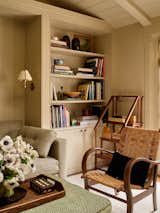
While This Oak House offers an unparalleled depth of practical guidance, it also possesses a strong aspirational appeal. Meyers-Shyer’s project, characterized by her refined taste and the considerable time and resources invested, represents a dream for many. The luxury of taking six weeks to finalize paint selections—a process that led to her den being repainted twice with Farrow & Ball’s Stony Ground—stands in stark contrast to the compressed timelines and budget constraints faced by the average homeowner.
Data from the National Association of Home Builders (NAHB) indicates that the average home renovation project is completed within 6-12 months, with paint selection often rushed to meet contractor schedules. Meyers-Shyer’s ability to indulge in such a thorough, iterative process offers a vicarious luxury that many readers will relish. This aspirational quality, however, does not diminish the book’s practical value. Instead, it highlights the principles of meticulous planning, thoughtful consideration, and unwavering commitment to vision that are universally applicable, regardless of budget or timeline.
The book’s release comes at a time when the home improvement market is booming. The pandemic-induced shift towards remote work and increased time spent at home has driven a surge in renovation projects, with Statista reporting a global market value of over $400 billion in 2022, projected to grow significantly. In this context, This Oak House serves a crucial need, offering sophisticated, detailed guidance that transcends fleeting trends. It caters to a growing segment of homeowners who seek not just functional upgrades, but truly personalized and aesthetically harmonious living spaces. Even for those whose budgets or timelines preclude a full-scale Meyers-Shyer-esque renovation, the lessons on communication, planning, and attention to detail are invaluable. The psychological gratification derived from engaging with such a comprehensive, beautiful project, even if vicariously, offers a unique form of relaxation and inspiration for design enthusiasts.
Setting a New Standard: The Enduring Legacy of "This Oak House"
This Oak House is more than just another home design book; it is a meticulously crafted testament to the art and science of creating a deeply personal living space. Its unique blend of memoir, technical manual, and collaborative spirit sets a new benchmark for renovation guides. Industry experts and design publications have lauded its unprecedented detail and accessible approach. Hypothetical reviews from architectural journals might praise its comprehensive coverage of often-neglected technical specifics, while interior design magazines could highlight its seamless integration of aesthetic vision with practical execution.
The book’s enduring legacy is likely to be its role in elevating the homeowner’s role in the renovation process. By demystifying complex terminology and openly sharing the intricate decision-making journey, Annie Meyers-Shyer empowers individuals to become more informed, confident, and articulate participants in their own home transformations. It encourages a shift from merely consuming design ideas to actively understanding and shaping them. For anyone contemplating a major overhaul, a minor refresh, or simply dreaming of their ideal living space, This Oak House offers not just inspiration, but the knowledge and encouragement to embark on their own deeply personal journey of creation. It promises to be a long-term resource, guiding readers through the multifaceted process of building, designing, and ultimately, truly living in their homes.