admin
admin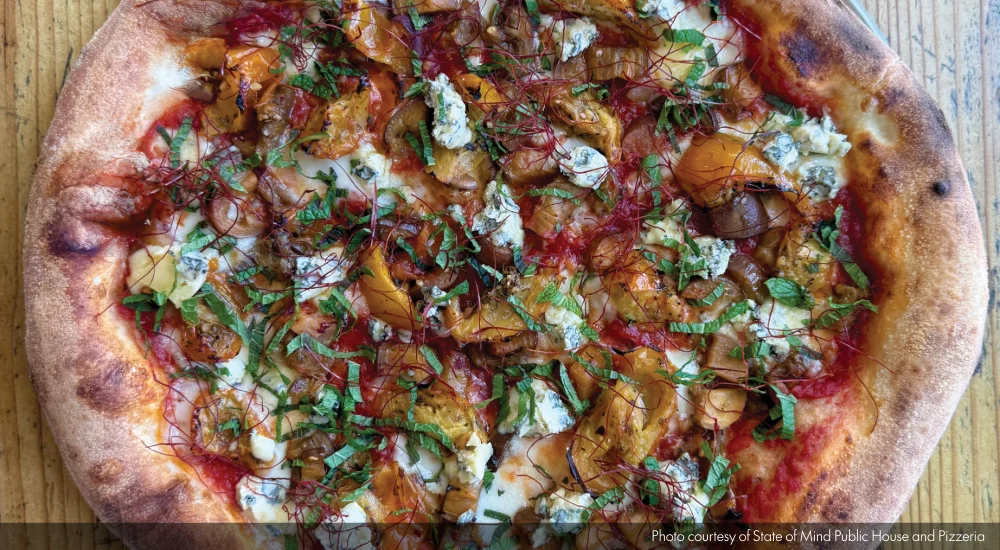
The ubiquitous shaker of pre-grated Parmesan, long a staple on pizzeria tables across America, is slowly being relegated to the past as innovative restaurateurs embrace a broader palette of finishing cheeses. This culinary evolution, spearheaded by chefs like Lars Smith of State of Mind Hospitality Group, a three-unit pizza business on the San Francisco Peninsula, signals a significant shift towards elevated dining experiences and a deeper appreciation for artisanal dairy products. Smith, while acknowledging customer expectations for the classic Parmesan shaker, openly states it is not his preferred method or cheese for enhancing his acclaimed pizzas. Instead, he champions a philosophy of thoughtfully selected, freshly grated or artfully applied cheeses that complement and elevate each pie’s unique flavor profile.
The Evolution of Pizza Toppings: From Convenience to Connoisseurship
For decades, the standard grated Parmesan shaker symbolized convenience and a universal topping for pizza. It offered a quick, accessible burst of salty, umami flavor, becoming an integral part of the American pizza experience. However, as the culinary landscape has matured and consumer palates have grown more sophisticated, the demand for higher quality, more diverse ingredients has surged. This trend mirrors a broader movement in the food industry towards artisanal products, local sourcing, and a greater emphasis on flavor complexity and ingredient integrity.
The journey of pizza in the United States has seen it transform from a humble, ethnic dish to a gourmet canvas. Initially, simplicity reigned, with basic mozzarella, tomato sauce, and a sprinkle of dried herbs or pre-grated cheese. The post-war economic boom and the rise of fast food culture further cemented the convenience-driven approach. However, starting in the late 20th century and accelerating into the 21st, a "pizza renaissance" began. Chefs, inspired by traditional Italian techniques and a burgeoning farm-to-table movement, started exploring diverse dough formulations, premium tomato varietals, and, crucially, a wider array of cheeses. This evolution has made the generic Parmesan shaker seem increasingly anachronistic in a market segment that values authenticity and nuanced flavor.
Aged Cheeses: The Foundation of Elevated Flavor
At the heart of Smith’s finishing cheese philosophy lies a deep respect for aged dairy products, particularly those with complex flavor profiles developed over months. His current favorite, a raw cow’s milk variety aged for 16 months, exemplifies this preference. This extensive aging process allows the cheese to develop a distinct nutty taste and a rich, golden hue, providing a depth of flavor that a standard, quickly processed Parmesan simply cannot match. The granular texture and concentrated savory notes of such aged cheeses integrate seamlessly with the warmth of a freshly baked pizza, enhancing its character without overwhelming it.

Smith’s appreciation extends significantly to Italian-style hard cheeses, with a particular affinity for Pecorino. Unlike Parmesan, which is typically made from cow’s milk, Pecorino is a sheep’s milk cheese, known for its sharper, more pungent character. "Pecorino is one of my favorite sheep’s milk cheeses," Smith explains, highlighting its popularity in Roman pizzerias. He describes it as delivering a spicier, more impactful punch and a distinctly saltier profile compared to its cow’s milk counterparts. This robust flavor makes Pecorino an excellent choice for cutting through richer toppings or adding a vibrant counterpoint to simpler pizzas. The historical context of Pecorino, a cheese with roots dating back to ancient Rome, further underscores the authenticity and tradition that Smith seeks to bring to his modern pizza offerings. The production of Pecorino Romano, for example, is strictly regulated, ensuring a consistent quality that reflects centuries of cheesemaking expertise. This commitment to traditional methods often results in a product with a superior flavor and texture that discerning consumers are increasingly willing to pay a premium for.
Local and Artisanal: Celebrating Regional Identity
Beyond Italian tradition, State of Mind Hospitality Group also champions local ingredients, reflecting a broader trend of regional sourcing in the culinary world. Smith describes his family-owned pizzerias as "a celebration of where we grew up," emphasizing the incorporation of as many California ingredients as possible. This commitment to local sourcing not only supports regional producers but also allows for the integration of unique flavors that speak to the restaurant’s geographic identity.
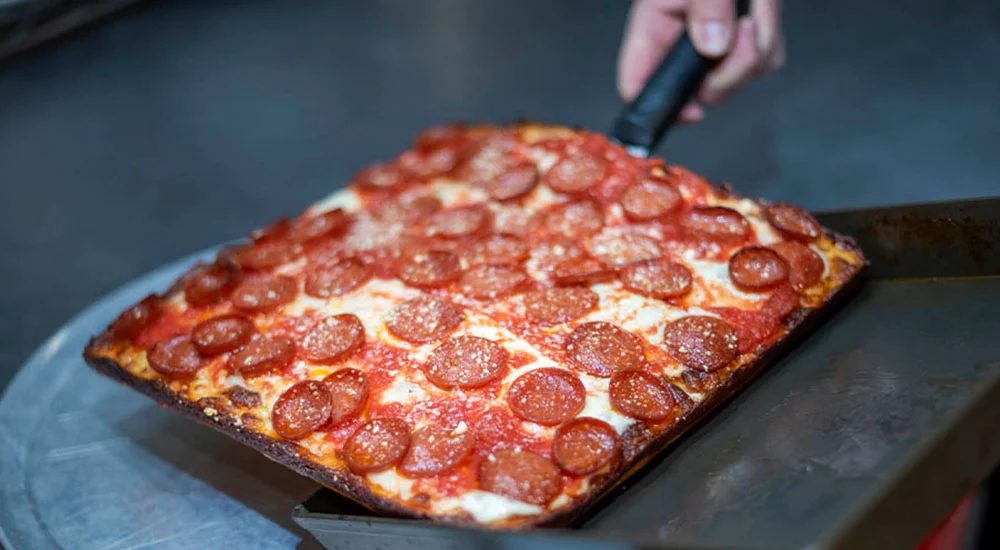
One prominent example is their use of a 12-month aged California cheddar. This is not the mild, block cheddar typically found in supermarkets. Smith characterizes it as "less recognizable as a cheddar" due to the significant saltiness and notes of caramel that develop over its year-long aging process. This transformation creates a cheese that is surprisingly versatile, excelling on classic pan pizzas with traditional cheese and pepperoni, but also pairing beautifully with more unconventional, seasonal ingredients. Smith recalls a successful limited-time offer that combined this aged cheddar with fennel and apple, demonstrating its adaptability. The Maillard reaction, a chemical process responsible for browning and flavor development, plays a crucial role in enhancing the complex profile of aged cheddar, particularly when exposed to the heat of a pizza oven. The caramel notes become more pronounced, and the salty tang provides a delightful contrast to sweet or earthy toppings. This focus on local, aged cheddar showcases how American cheesemakers are innovating and creating products that stand shoulder-to-shoulder with their European counterparts, providing unique finishing options for pizza makers.
The Allure of Freshness: Burrata, Stracciatella, and Ricotta
While aged cheeses offer depth and complexity, fresh cheeses provide a different, equally compelling dimension to pizza. Smith identifies burrata and stracciatella as "the trendiest finishing cheese in the world for the last 10 years." These fresh Italian cheeses, known for their creamy, delicate textures, are typically best applied post-bake. Smith notes that fresh cheeses "get weird when it bakes," referring to their tendency to lose their distinct texture and become overly watery or oily if exposed to high heat for too long. This observation highlights the importance of understanding the properties of each cheese and applying them appropriately to achieve the desired culinary effect.
Burrata, a fresh Italian cheese made from mozzarella and cream, offers a rich, buttery interior that bursts with flavor. It’s often distributed in various sizes, with Smith finding a 4-ounce ball perfect for finishing a 14-inch pizza. Stracciatella, essentially the creamy, shredded interior of burrata, is even more versatile. For his family’s slice house, Smith procures stracciatella in 1-pound tubs, allowing customers to add this luxurious, stretchy cheese to any slice for an upcharge. This strategy capitalizes on the cheese’s popularity and offers a premium customization option. However, operators must account for its cost and proper handling. Smith advises stirring the stracciatella before use to prevent a watery consistency and notes that while it can be spooned onto pies, pre-stirring and using a piping bag allows for more precise and aesthetically pleasing application. The delicate, sweet cream flavor of burrata and stracciatella finds its ideal canvas on simple tomato pies with fresh basil and oregano, where the quality of the dairy can truly shine. These cheeses, often consumed the same day they are made in Italy, embody a commitment to freshness and purity that resonates with modern diners.

Ricotta, another fresh Italian cheese, presents a different set of considerations. While many pizzaiolos apply ricotta post-bake, Smith prefers to add it before the pizza enters the oven. His rationale is that baking allows the ricotta’s exterior to caramelize, developing "a little bit of color on top." By using a piping bag with a star tip, Smith creates distinct points of ricotta on the pizza. These points, exposed to the most intense heat, undergo a chemical reaction that adds "some bitter notes, some sweeter notes," which he appreciates. This deliberate technique transforms a simple dollop of cheese into a textural and flavor-rich element, showcasing the nuanced approach required for optimal cheese application.
Beyond the Traditional: Blue and Washed-Rind Varieties
Pushing the boundaries further, Smith also explores less conventional finishing cheeses like blue and washed-rind varieties. Blue cheeses, with their distinctive pungent aroma and sharp, salty flavor, are admittedly "controversial." Smith recounts how a friend and fellow pizzaiola, Leah Scurto of PizzaLeah, firmly believes blue cheese "should never be cooked." Yet, Smith holds a different view, advocating for blue cheese crumbles as a "really nice finishing cheese, particularly when you put them on a warm pizza and it just starts to melt." He cautions against over-application, advising pizzaiolos to "finish lightly," as cooking can amplify its already intense flavor. Blue cheese, with its bold character, pairs exceptionally well with fruits like apricots, figs, or pears, creating a sophisticated balance of sweet and savory notes.
Washed-rind cheeses, such as brie, are characterized by their moist, sticky rinds and creamy, often pungent interiors. These cheeses are typically fatty and luscious, but their high moisture content means they can melt excessively and spread across the pizza if fully heated. Smith suggests slicing them into small pieces and applying them judiciously to avoid operational challenges. Washed-rind cheeses find harmony with fresh fruits, earthy mushrooms, and bitter greens like escarole or radicchio, offering a complex flavor profile that can elevate a gourmet pizza. Smith expresses a particular fondness for "gorgonzola al Cucchiaio," a spoonable gorgonzola, which he describes as one of his favorite cheeses globally, despite its difficulty to source in the United States. His experience using it in international competitions underscores the desire among top pizzaiolos to experiment with unique and high-quality ingredients, regardless of their availability.
The Art and Science of Application: Technique and Presentation
The method of applying finishing cheeses is as crucial as the selection of the cheese itself. For high-volume environments like his slice shop, Smith’s staff utilizes a food processor to prepare hard cheeses into pebble-sized pieces, which are then applied by hand. This method ensures efficiency without sacrificing the quality of the finish. In his sit-down restaurants, where presentation is paramount, Smith prefers a microplane zester to apply hard cheeses. This technique creates a light, feathery dusting that melts delicately onto the hot pizza, offering a refined aesthetic and a subtle infusion of flavor.
The decision of whether to extend the grated cheese all the way to the crust is a matter of personal preference, often dictated by the specific pizza style and desired textural contrast. Beyond aesthetics, the nutritional benefits of aged cheeses are also gaining recognition. With increasing consumer interest in high-protein diets, protein-dense options like Parmesan and other aged varieties offer a valuable benefit. Smith emphasizes that "finishing cheeses can really elevate a pizza," especially when paired with otherwise unseasoned toppings like tomatoes, bell peppers, or mushrooms. The inherent saltiness and umami compounds in many cheeses provide a significant flavor boost and textural enhancement post-bake, transforming simple ingredients into a more complex and satisfying experience.

Economic and Culinary Implications for the Modern Pizzeria
The shift away from generic Parmesan shakers towards a diverse array of finishing cheeses carries significant implications for pizzeria operators and the broader culinary industry. For operators, it presents both opportunities and challenges. On one hand, offering a curated selection of specialty cheeses allows for menu differentiation, attracting a more discerning clientele willing to pay a premium for quality and uniqueness. It positions the pizzeria as a culinary destination, not just a casual eatery. On the other hand, it requires careful sourcing, often from smaller, artisanal producers, which can entail higher costs and logistical complexities. Staff training becomes essential, not only in handling and applying these delicate ingredients but also in educating customers about their unique characteristics and pairings. Waste management, particularly for fresh, perishable cheeses like burrata, also needs meticulous planning.
For consumers, this trend translates to an enriched dining experience, offering a wider spectrum of flavors, textures, and aromas. It fosters culinary education, introducing them to cheeses they might not otherwise encounter and encouraging a more adventurous approach to food. The focus on local and artisanal ingredients also aligns with growing consumer demand for transparency, sustainability, and support for local economies.
From the perspective of the dairy industry, the increased demand for specialty finishing cheeses represents a growth opportunity for artisanal cheesemakers. It encourages innovation in cheese production, fostering a vibrant ecosystem of diverse dairy products that cater to evolving culinary trends. As chefs like Lars Smith continue to push the boundaries of pizza toppings, the era of the single, ubiquitous Parmesan shaker truly appears to be drawing to a close, replaced by a nuanced and exciting world of aged, fresh, and exotic cheese finishes.
Conclusion: The Future of Finishing Cheeses
Lars Smith’s approach to finishing cheeses at State of Mind Hospitality Group is emblematic of a broader movement within the culinary world. It’s a testament to the idea that every element on a plate, even a seemingly minor topping, contributes to the overall dining experience. By thoughtfully selecting and applying a diverse range of aged, fresh, local, and even unconventional cheeses, Smith and his peers are not merely adding flavor; they are crafting narratives, celebrating regional produce, and elevating pizza to an art form. The future of pizza will undoubtedly continue to see innovation in dough, sauce, and toppings, but the humble yet transformative finishing cheese is poised to play an increasingly central role in defining the character and quality of the modern pie. The days of Parmesan packets as the default are indeed becoming a distant, albeit nostalgic, memory, replaced by a rich tapestry of dairy delights.