admin
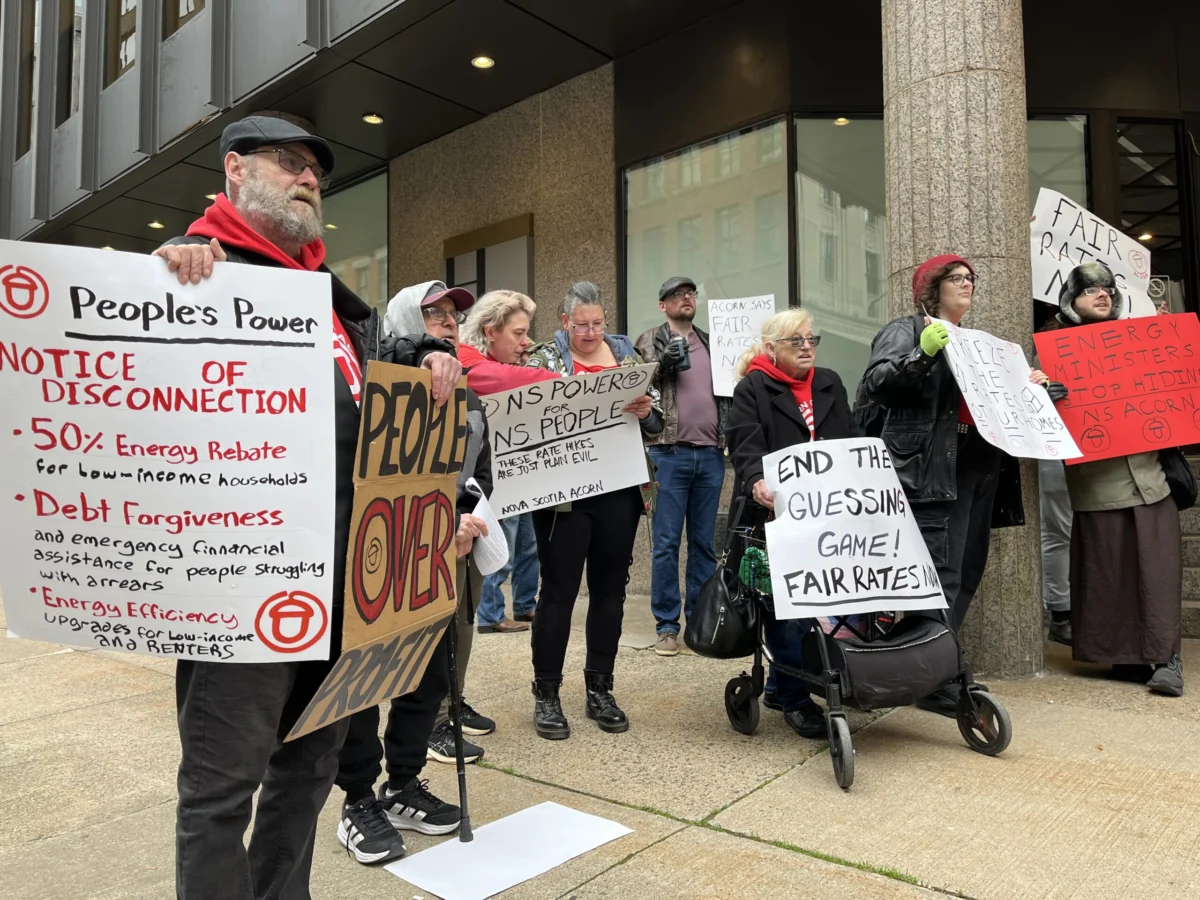
Downtown Halifax became the focal point of public frustration on Tuesday as a coalition of affordability advocates and concerned citizens gathered to voice their alarm over Nova Scotia’s escalating energy costs, asserting that current provincial government measures are insufficient to alleviate the mounting financial pressure on struggling families. The protest, marked by passionate calls for immediate intervention, highlighted the deepening crisis of energy poverty just as the colder months approach, threatening to push more households into untenable financial predicaments.
Miriam Williams, a prominent organizer with ACORN’s Halifax chapter, articulated the core grievance, stating unequivocally, “Simply put, power bills are far too high, and we’ve had enough of it.” Her sentiment resonated with many attendees, reflecting a widespread struggle where essential choices become agonizing trade-offs. “I know people, myself included, who’ve had to make choices between rent and power and groceries, and the fact that bills being juggled is the normal thing,” Williams emphasized, painting a stark picture of everyday economic hardship. This struggle underscores a critical challenge within the province: how to balance the transition to a sustainable energy future with the immediate affordability needs of its residents.
The advocates’ demands are clear and comprehensive, urging the Nova Scotia government to implement several critical affordability measures. Chief among these is a proposed rebate program that would cover 50 percent of energy costs for low-income families, providing direct and tangible relief to those most impacted. Beyond immediate financial aid, they also called for substantial investment in energy-efficient upgrades for households across the province. Such upgrades, they argued, could lead to a sustainable reduction in electricity bills over the long term, thereby fostering greater energy independence and financial stability for residents. Tim Allenby, representing ACORN’s Dartmouth chapter, succinctly captured the sentiment: “People are already struggling, and we need support, not more financial crunch.” His statement highlights the perception among advocates that the current economic climate, coupled with rising utility rates, is creating an unbearable burden for many Nova Scotians.
These protests and calls for action are particularly timely given the impending increases to Nova Scotia Power (NSP) bills. As of January, a 3.9 percent increase is set to take effect. Adding to this burden, the utility provider is currently awaiting a decision from the province’s independent energy regulator, the Nova Scotia Utility and Review Board (UARB), on an additional 2.9 percent fee. If approved, this combined increase would push electricity rates significantly higher, placing Nova Scotia among the provinces with the most substantial energy cost hikes. This dual threat of approved and pending increases has intensified the urgency of the advocates’ pleas, transforming an ongoing concern into an immediate crisis for many households.
The province’s Official Opposition has swiftly responded to these concerns, echoing the urgency for immediate relief measures. NDP Leader Claudia Chender, a vocal critic of the escalating energy costs, underscored the severity of the situation. “That will be the highest energy increase in the country and is one of the reasons that our inflation is an outlier,” Chender stated during a press conference held ahead of Tuesday’s rally. Her assertion positions Nova Scotia’s energy cost trajectory as an anomaly, contributing disproportionately to the province’s overall inflationary pressures compared to other Canadian jurisdictions. This national comparison serves to highlight the unique and acute nature of the challenge faced by Nova Scotian households.

Chender was joined by Juli Bishwokarma, co-chair of the Affordable Energy Coalition, a group actively working to develop and advocate for strategic solutions to energy poverty. The coalition has put forth a comprehensive proposal designed to address this multifaceted issue. Their strategy includes several key pillars: robust arrear management support to help families clear outstanding bills and avoid disconnection, significantly expanded funding for existing energy efficiency programs, and the establishment of a dedicated crisis management support fund to assist households facing immediate and severe energy-related emergencies. Bishwokarma elaborated on the potential impact of their proposed strategy, projecting that “This program could lift 27,000 households out of energy poverty, with an investment of $35 million per year from the province.” This data point provides a concrete metric for the scale of the problem and the potential reach of a targeted intervention, framing the investment as a cost-effective solution to a widespread social issue.
Background Context: Nova Scotia’s Energy Landscape and the Path to Renewables
Nova Scotia’s current energy challenges are deeply rooted in its historical reliance on fossil fuels, particularly coal, which has traditionally fueled a significant portion of its electricity generation. This dependency has made the province vulnerable to fluctuating global commodity prices and has contributed to higher carbon emissions. In response to climate change imperatives and the need for greater energy security, Nova Scotia has embarked on an ambitious transition towards renewable energy sources. The province has set aggressive targets, aiming to generate 80 percent of its electricity from renewables by 2030 and phase out coal-fired electricity by 2030. While commendable, this transition comes with substantial infrastructure costs, including investments in wind and solar farms, energy storage solutions, and upgrades to the grid to accommodate intermittent renewable generation. These costs are often passed on to consumers through utility rates, creating a tension between long-term environmental and economic goals and immediate affordability concerns. Nova Scotia Power, as the primary electricity provider and a regulated monopoly, operates under the oversight of the UARB, which reviews and approves rate applications, balancing the utility’s need for revenue to maintain and upgrade infrastructure with the public interest in affordable rates.

A Timeline of Rising Concerns:
- Early 2020s: Global energy price volatility, supply chain disruptions, and inflationary pressures begin to impact Nova Scotia’s utility costs, particularly due to the reliance on imported fossil fuels.
- Late 2021/Early 2022: Nova Scotia Power files initial applications with the UARB for multi-year rate increases, citing the need for investments in grid modernization, storm hardening, and the transition to renewable energy.
- Throughout 2022-2023: Public consultations and UARB hearings take place, drawing significant public and intervenor opposition to the proposed rate hikes. Advocates, including ACORN and the Affordable Energy Coalition, become increasingly vocal.
- Late 2023/Early 2024: The UARB approves initial rate increases, typically phased over several years.
- Mid-2026: Nova Scotia Power files for additional rate adjustments, including the 2.9 percent fee currently under review, citing ongoing operational costs and capital investment requirements for the energy transition.
- November 24, 2026: Affordability advocates and the Official Opposition hold protests and press conferences, intensifying calls for government intervention ahead of the imminent January 2027 rate hike and the UARB’s decision on the additional fee.
Official Response and Long-Term Strategy:
In response to the mounting public concern and political pressure, the provincial Department of Energy issued a statement acknowledging the significant cost-of-living pressures faced by Nova Scotians. The department highlighted its ongoing efforts to mitigate these challenges, particularly through expanding energy efficiency programs via Efficiency Nova Scotia. These programs, it noted, are designed to assist households in lowering their power bills through various initiatives, including home energy upgrades, the installation of heat pumps, insulation improvements, and targeted support specifically tailored for low- and moderate-income families.

Furthermore, the department emphasized its commitment to stabilizing long-term energy costs by strategically reducing the province’s reliance on imported fossil fuels. This approach involves a concerted effort to pivot towards locally produced renewable energy sources. The statement detailed significant investments in key renewable technologies, including wind power, solar energy, advanced energy storage solutions, and the modernization of existing electricity infrastructure. These investments, the department affirmed, are fundamentally designed to enhance energy security for the province while simultaneously supporting the development of a more affordable and sustainable energy system over time. The long-term vision, as articulated by the government, is one where Nova Scotians benefit from cleaner, more stable, and ultimately more affordable electricity, even as the immediate transition presents undeniable financial challenges.
Broader Economic Implications and the Specter of Energy Poverty:
The implications of soaring electricity costs extend far beyond individual household budgets, rippling through the provincial economy. Nova Scotia’s inflation rate, already a concern, is exacerbated by rising utility prices, creating a challenging environment for businesses and consumers alike. For families, the choices articulated by ACORN’s Miriam Williams – between rent, power, and groceries – illustrate the harsh reality of energy poverty. This condition, defined as spending an excessively high proportion of household income on energy costs, disproportionately affects low-income households, seniors, and single-parent families. It leads to difficult decisions that can impact health, nutrition, and overall quality of life. The average Nova Scotian household, already grappling with increased costs for housing, food, and transportation, finds its disposable income further eroded by rising utility bills.

The impending winter season casts a particularly long shadow over these concerns. With temperatures dropping, the demand for heating increases dramatically, leading to higher electricity consumption and consequently, higher bills. For those already on the brink, the choice between "heating or eating" becomes a stark reality. Tim Allenby’s closing remarks underscore this grim outlook: “People will be forced to make all kinds of difficult choices about basic quality of life stuff.” This scenario highlights a fundamental societal challenge: ensuring that essential services like electricity remain accessible and affordable for all, regardless of economic standing, especially in a region known for its cold winters.
Comparison with Other Provinces:
While specific national comparative data for the exact proposed increases is dynamic, Nova Scotia’s energy transition costs and unique market structure (a largely single, privately-owned utility) often position it differently from other provinces. For instance, provinces like Quebec and Manitoba benefit from vast hydroelectric resources, leading to historically lower rates. Alberta and Saskatchewan, while also transitioning, have different market structures and resource bases. Ontario has also faced significant debate over electricity costs, but the assertion by NDP Leader Chender that Nova Scotia’s impending increases represent the “highest energy increase in the country” speaks to the particular confluence of factors—transition costs, inflation, and a specific regulatory environment—making the situation acutely challenging for Nova Scotians. This comparative disadvantage further fuels the calls for provincial government intervention and targeted relief.

Conclusion: A Critical Juncture for Energy Policy
Nova Scotia stands at a critical juncture in its energy policy. The province is committed to a necessary and laudable transition to renewable energy, which promises long-term environmental benefits and greater energy independence. However, the immediate costs of this transition, coupled with broader inflationary pressures, are creating significant hardship for many residents. The voices of affordability advocates and the Official Opposition serve as a powerful reminder that while long-term goals are vital, the immediate well-being of citizens cannot be overlooked. The government’s strategy of expanding efficiency programs and investing in renewables is a step in the right direction for future sustainability, but protesters argue that these measures are not enough to address the present crisis.
The debate underscores the complex challenge of balancing environmental stewardship with social equity. As winter approaches, the provincial government faces intensified pressure to not only continue its strategic energy transition but also to implement more robust and immediate affordability measures. Whether through enhanced rebates, more aggressive energy efficiency funding, or comprehensive energy poverty strategies, the call for action from the streets of Halifax is clear: Nova Scotians need tangible relief now to ensure that a basic quality of life remains within reach for all. The coming months will undoubtedly test the resolve of policymakers and the resilience of the province’s most vulnerable citizens as they navigate the evolving landscape of energy costs.