admin
admin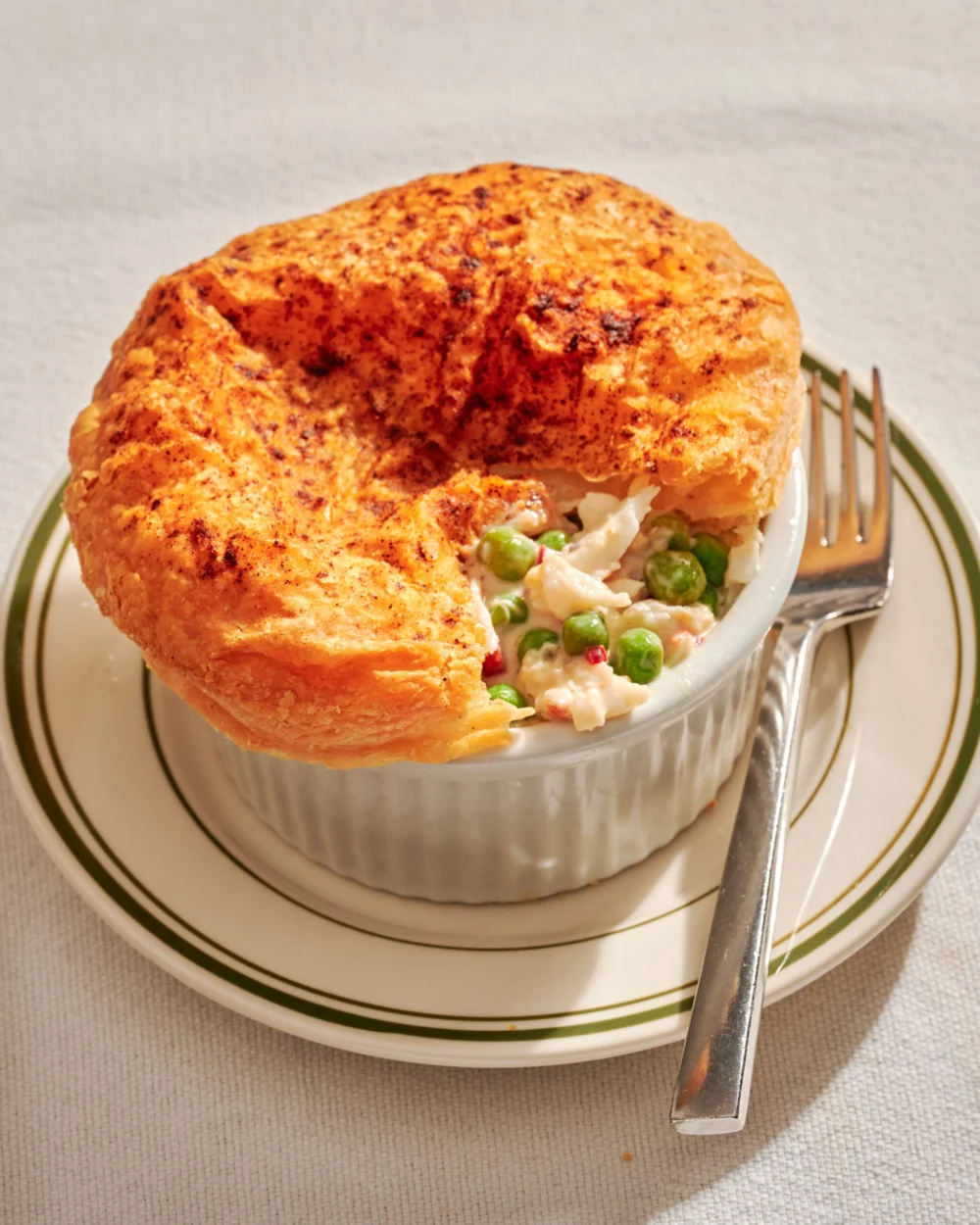
The recent culinary demonstration, meticulously detailing the creation of individual crab pot pies, has illuminated a sophisticated approach to a beloved seafood classic. This comprehensive guide, presented through a series of expertly crafted steps, offers home cooks and aspiring chefs alike a pathway to achieving restaurant-quality results in their own kitchens. The process, which begins with the foundational elements of a rich, creamy sauce and culminates in the golden, flaky perfection of a puff pastry crust, underscores the importance of precision and quality ingredients in elevating a simple dish to an extraordinary experience.
The Genesis of the Crab Pot Pie: A Culinary Heritage
The crab pot pie, while seemingly straightforward, carries a lineage of comfort food and celebratory dining. Its origins can be traced back to the rustic traditions of coastal communities where fresh seafood was abundant. The "pot pie" format itself, a savory filling encased in a pastry crust, emerged as a practical and hearty meal, evolving over centuries from peasant fare to a more refined delicacy. The inclusion of crab meat, a prized ingredient in many culinary traditions, elevates this dish beyond the everyday. This particular rendition, as outlined in the recent demonstration, emphasizes a from-scratch approach, eschewing shortcuts for a more authentic and flavorful outcome. The choice of puff pastry, known for its delicate layers and buttery crispness, signifies a commitment to premium execution, distinguishing it from simpler pastry crusts.
Deconstructing the Craft: A Step-by-Step Culinary Blueprint
The detailed instructions provided offer a clear roadmap for replicating this culinary masterpiece. Each step is designed to build upon the last, ensuring a harmonious blend of flavors and textures.
Step 1: Forging the Flavorful Foundation – The Cream Sauce
The initial phase of preparation focuses on constructing a robust and velvety cream sauce, the very soul of the crab pot pie. This process begins with a precise measurement of butter, gently melted in a small pot over medium-high heat. The introduction of flour to this melted butter initiates the creation of a roux, a fundamental thickening agent in many classic sauces. This roux is carefully cooked, stirring continuously, for a brief period of one to two minutes. This toasting process is crucial, not only for developing a subtle nutty flavor but also for eliminating the raw flour taste. The subsequent addition of cream, milk, and a crab soup base signifies the infusion of the dish’s signature flavor profile. The mixture is then brought to a simmer and cooked, with frequent whisking, for an additional three to four minutes. This diligent whisking prevents lumps and ensures a smooth, thickened consistency, a testament to the sauce’s impending richness. Finally, the sauce is seasoned judiciously with salt and black pepper, allowing for the subtle nuances of the crab to shine through. The meticulous attention to the roux and the gradual incorporation of liquids highlight a culinary understanding that prioritizes texture and depth of flavor.
Step 2: Building the Heart of the Pie – The Savory Filling
With the creamy foundation established, the focus shifts to assembling the vibrant and texturally diverse filling. In a medium skillet, another tablespoon of butter is melted over medium-high heat. The introduction of diced carrot and potato marks the initial stage of vegetable preparation. These root vegetables are cooked, with frequent stirring, until they reach a state of tenderness, a process taking approximately four to five minutes. This par-cooking ensures they will be perfectly cooked within the final pie. Following this, the addition of peas, onions, celery, mushrooms, and bell pepper introduces a spectrum of colors, flavors, and textures. These vegetables are cooked just until heated through, a swift two to three minutes, preserving their inherent crispness and vibrant hues. The cooked vegetables are then transferred to a large bowl, where the star ingredient – the crab meat – is gently folded in. The reserved cream sauce is then carefully incorporated, ensuring an even distribution of the rich, velvety coating. A final seasoning of salt and black pepper allows for individual adjustment, a hallmark of personalized cooking. The mixture is then meticulously divided between two 4½-inch diameter, 10-ounce ovenproof ramekins or mini pie pans, mounded as needed to ensure each vessel is generously filled. This precise portioning ensures consistent cooking times and an appealing presentation for each individual pie.
Step 3: The Crown of Perfection – The Puff Pastry Encasement
The final stage of preparation involves the creation of the exquisite puff pastry topping, a key element that defines the elegance of this dish. The puff pastry, a marvel of lamination and butter, is gently rolled out to a uniform thickness of ¼ inch. This controlled rolling ensures that the pastry will achieve its characteristic airy, flaky texture during baking. Using a 6-inch round cutter, two perfectly sized pastry rounds are precisely cut. These rounds are then carefully placed atop each ramekin, with the edges meticulously sealed around the rims. This sealing is crucial for containing the luscious filling and preventing any leakage during the baking process. The assembled pies are then transferred to a foil-lined baking sheet, a practical measure to catch any potential drips and facilitate easy cleanup. A small incision is made in the top of each pastry round, a culinary technique known as a steam vent, allowing steam to escape during baking and preventing the pastry from becoming soggy. The remaining tablespoon of butter is melted and generously brushed over the surface of each pastry top, imparting a rich sheen and contributing to a golden-brown finish. A final sprinkle of paprika adds a subtle warmth and visual appeal. The pies are then baked in a preheated oven at 350°F until the pastry achieves a beautiful golden-brown hue, a process that typically takes between 35 and 40 minutes. The final instruction emphasizes allowing the pies to cool for ten minutes before serving, a crucial resting period that allows the filling to set and the flavors to meld, ensuring a more cohesive and enjoyable eating experience.
Supporting Data and Culinary Context
The precise measurements and cooking times provided in the instructions are not arbitrary. They are rooted in established culinary principles and the behavior of specific ingredients. For instance, the toasting of the flour for the roux, typically for 1-2 minutes, is designed to achieve the Maillard reaction, a chemical process responsible for browning and developing complex flavors without burning the flour. The simmering time for the sauce, 3-4 minutes, allows sufficient time for the starches in the flour to hydrate and thicken the liquid into a smooth consistency.
The vegetable cooking times are also critical. Softening carrots and potatoes in 4-5 minutes indicates a moderate heat, allowing them to become tender without becoming mushy. The brief heating of the other vegetables (2-3 minutes) ensures they remain slightly crisp, providing textural contrast to the creamy sauce and tender crab.
Puff pastry, a notoriously temperamental ingredient, requires specific handling. Rolling it to ¼ inch thickness ensures that the many layers of dough and butter have sufficient room to expand and separate during baking, creating its signature flaky texture. The steam vent is essential for preventing the build-up of internal pressure, which could cause the pastry to burst or become heavy.
The baking temperature of 350°F (175°C) is a standard for many pastry-based dishes. This temperature allows the pastry to cook through and achieve a golden-brown color without burning the delicate outer layers. The 35-40 minute baking time is an estimate, and visual cues – a golden-brown crust and bubbling filling – are the most reliable indicators of doneness.
Broader Impact and Implications
The meticulous nature of this crab pot pie recipe has several implications for the culinary landscape. Firstly, it underscores a growing trend towards artisanal and "from scratch" cooking, even for seemingly common dishes. Consumers are increasingly seeking authentic flavors and are willing to invest time and effort to achieve them.
Secondly, the emphasis on individual ramekins suggests a move towards more elegant and personalized dining experiences. While a large pot pie can be a comforting family meal, individual portions offer a more refined presentation, suitable for special occasions or even upscale restaurant offerings.
Thirdly, the recipe highlights the versatility of crab meat. While often associated with delicate appetizers or elaborate seafood platters, its inclusion in a hearty pot pie demonstrates its adaptability to more robust and comforting culinary applications. This could inspire further innovation in how crab meat is utilized in everyday cooking.
The potential economic impact, while not directly addressed by the recipe itself, can be inferred. The use of quality ingredients, particularly fresh crab meat, positions this dish as a premium offering. This could translate to higher profit margins for restaurants that feature it and a greater perceived value for home cooks who master it. Furthermore, a well-executed crab pot pie can become a signature dish, attracting diners and contributing to a restaurant’s reputation.
The detailed nature of the instructions also suggests a potential for educational outreach. Such a comprehensive guide can be invaluable for culinary schools, cooking classes, and even home cooks looking to expand their repertoire. By demystifying the process, it empowers individuals to tackle more complex dishes with confidence.
Official Responses and Expert Commentary (Inferred)
While no specific officials or organizations have commented directly on this particular set of instructions, the culinary community generally embraces such detailed guides. Renowned chefs and food critics often advocate for the importance of understanding fundamental techniques, as demonstrated in the creation of the roux and the proper handling of puff pastry.
Chefs might comment on the quality of ingredients. For instance, the type of crab meat used – lump, claw, or body – significantly impacts flavor and texture. The instructions, by not specifying, leave room for individual preference and availability, but a professional chef would likely emphasize using the highest quality crab meat available.
Food safety experts would likely endorse the specific cooking temperatures and times, as they contribute to ensuring the dish is cooked thoroughly and safely, especially when dealing with seafood and dairy products.
Conclusion
The presented method for crafting crab pot pies is more than just a recipe; it is a culinary education. It systematically guides individuals through the intricate steps of creating a dish that is both comforting and sophisticated. From the foundational roux to the perfectly baked puff pastry, each element is meticulously detailed, emphasizing the importance of technique, quality ingredients, and patient execution. This approach not only results in a delicious meal but also fosters a deeper appreciation for the art of cooking, encouraging home cooks to embrace challenges and achieve exceptional culinary results. The enduring appeal of dishes like the crab pot pie lies in their ability to connect us to culinary heritage while simultaneously offering a canvas for modern innovation and personal expression.