admin
admin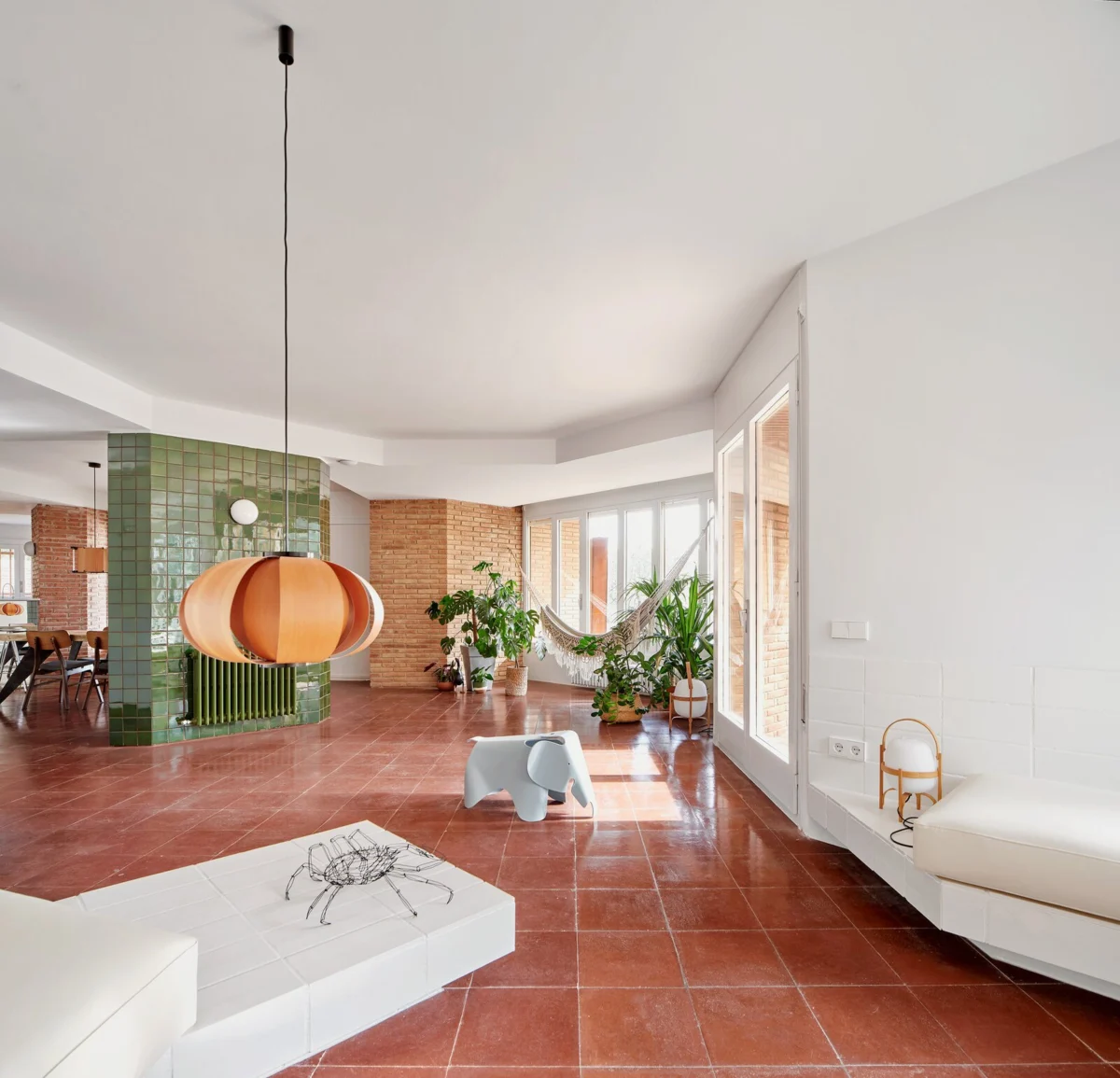
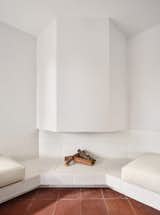
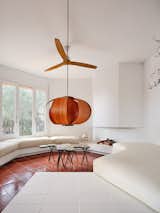
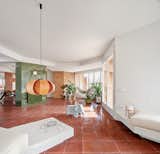
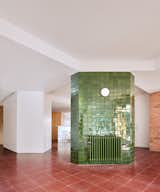
In a striking example of architectural adaptive reuse, a 50-year-old residence in L’Ametlla del Vallès, Spain, originally conceived by architect Lluís Vintró, has undergone a transformative renovation by Twobo Arquitectura. The project, dubbed the "Tangram House," reinterprets Vintró’s distinctive 1970s geometry into a fluid, doorless living space designed to foster greater freedom and interaction for its current inhabitants. This significant undertaking not only preserves the historical essence of a mid-century Spanish home but also updates it for contemporary lifestyles, demonstrating a nuanced approach to heritage conservation and innovative design.
The Original Vision: Lluís Vintró’s 1970s Masterpiece
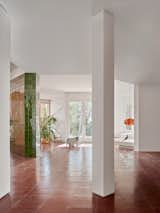
The house, constructed half a century ago, stands as a testament to the architectural sensibilities of the 1970s in Spain. This period was characterized by a move away from rigid functionalism towards more expressive, often experimental forms, influenced by international trends but imbued with local materials and cultural nuances. Lluís Vintró, the original architect, designed a structure marked by its unusual geometric complexity, specifically featuring slanted walls that challenged conventional spatial perception. Upon their initial inspection, the team from Twobo Arquitectura described feeling "speechless," noting the palpable "’70s aroma in the materials," the presence of iconic Miguel Milá lamps, and the disorienting yet captivating geometry. This initial impression underscores the strong character and unique identity Vintró had instilled in the building, making it a compelling candidate for thoughtful preservation rather than complete overhaul. The original design, with its non-orthogonal walls, created a labyrinthine quality, where the relationship between internal spaces and the overall structure was deliberately ambiguous, fostering a sense of discovery and intrigue for those moving through it.
The Client’s Mandate and the Architects’ Approach
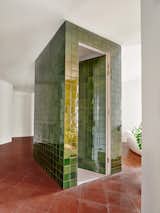
The impetus for the renovation came from a young couple who had acquired the property. Their singular, yet profoundly challenging, request to Twobo Arquitectura was simple: they desired to "inhabit the place with more freedom." This seemingly straightforward directive carried significant weight, implying a need to unlock the potential of the existing structure, to make it more responsive to modern living patterns, and to enhance its functionality without erasing its historical narrative. The clients entrusted the architects with considerable creative liberty, a testament to their confidence in Twobo Arquitectura’s vision and their shared commitment to a respectful yet revolutionary transformation. This commission necessitated a deep dive into the original architect’s intent, a process the renovation team approached with scholarly rigor. They spent considerable time "gazing at the original geometry" and "pausing to study it before drawing a single line." This preliminary phase was critical to understanding the underlying architectural grammar that governed Vintró’s design.
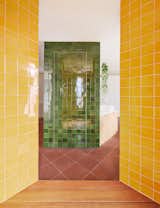
Deconstructing and Reimagining: The Tangram Concept
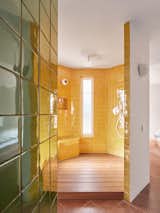
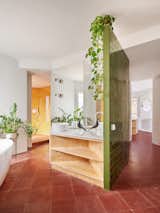
The pivotal discovery made by Twobo Arquitectura was an underlying "triangular mesh" that served as the foundational guide for Vintró’s original wall layouts. This mesh, they realized, was not merely a structural device but a generative principle, allowing for "variations of hexagons and octagons" within the dwelling. The architects observed the frequent recurrence of an "elongated hexagon" in different spaces, a shape that felt intrinsically "comfortable" within the house’s existing framework. This elongated hexagon became the primary module for their reinterpretation. Instead of imposing a new structure, Twobo Arquitectura opted for a strategy akin to a "game of tangram," subtly "weaving changes in the triangular mesh" by moving, rotating, and turning these hexagonal and octagonal elements.
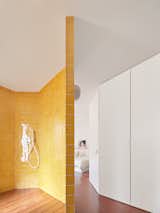
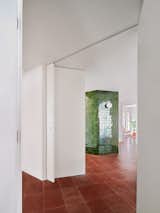
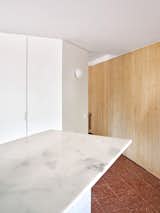
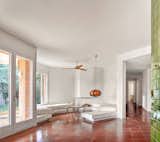
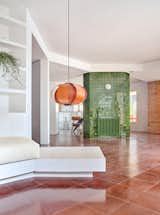
This approach enabled a profound spatial reorganization without resorting to demolition or radical alteration. By reconfiguring the existing geometric components, new relationships were established: areas gained or lost "closeness, openness, and privacy," and the "material limits and the intangible volumes" of the house were redefined. The result is a highly permeable and interconnected series of spaces, intentionally designed "without doors." This radical departure from conventional room division fosters a sense of continuous flow, encouraging residents to "explore the architecture" rather than simply move through it. The architects envisioned the resulting environment as a "forest with clearings that invited us to pause, play, and rest," a metaphor that beautifully encapsulates the organic, exploratory, and adaptive nature of the renovated home. This fluid design challenges traditional notions of domesticity, promoting a more communal and less compartmentalized way of life.
Architectural Philosophy and Modern Relevance
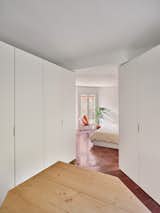
The "Tangram House" project aligns with several key architectural philosophies prevalent today, most notably adaptive reuse and the concept of flexible living. Adaptive reuse, the process of repurposing existing buildings for new uses, is crucial for sustainable urban development, reducing waste, and preserving architectural heritage. In this instance, Twobo Arquitectura didn’t merely adapt the house for a new owner; they adapted its very spatial logic for a new era of habitation. The elimination of doors, for example, is a direct response to the modern desire for open-plan living, which promotes social interaction and maximizes natural light and ventilation. This design choice also reflects a growing trend towards "unprogrammed" spaces that can evolve with the occupants’ changing needs, rather than prescribing specific functions for each room. The "forest with clearings" metaphor also subtly nods to biophilic design principles, seeking to integrate natural patterns and a sense of organic growth into the built environment, fostering well-being and a connection to nature.
The Role of Materials and Lighting
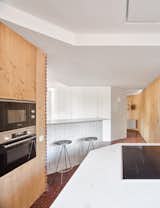
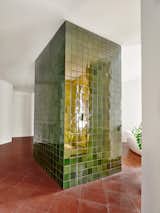
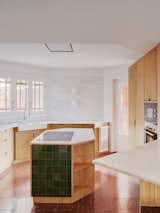
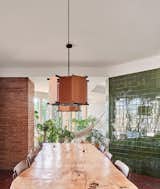
While the architects aimed for reinterpretation, the homage to the original 1970s aesthetic is evident in their careful consideration of materials and fixtures. The original article specifically mentions "Miguel Milá lamps," highlighting the significance of iconic Spanish design elements. Miguel Milá, a celebrated Spanish designer, is renowned for his timeless and functional lighting pieces that often blend traditional craftsmanship with modern industrial techniques. His inclusion in the original design would have lent a sophisticated, avant-garde touch to the 1970s interior. In the renovation, it can be inferred that these lamps were either meticulously preserved, restored, or served as inspiration for new lighting choices that maintain the period’s spirit. The "’70s aroma in the materials" likely refers to the prevalent use of certain textures, colors, and finishes of that era—perhaps specific types of wood paneling, ceramic tiles, or natural stone. Twobo Arquitectura’s sensitivity to these details suggests a balanced approach: honoring the tactile and visual language of the original home while integrating new elements that speak to contemporary aesthetics and durability. This careful material palette contributes to the house’s unique character, bridging half a century of design evolution.
Broader Implications for Heritage Architecture
The "Tangram House" project offers significant insights into the evolving discourse around architectural heritage, particularly for structures from the mid-20th century. Unlike classical or monumental architecture, many mid-century homes often face the risk of being deemed outdated or functionally inadequate, leading to demolition or unsympathetic remodels. This project champions a different path: one where the inherent design intelligence of an older building is recognized, analyzed, and creatively re-engaged. By focusing on Vintró’s original geometric "mesh," Twobo Arquitectura demonstrated that renovation can be an act of deep architectural dialogue, a conversation between past and present. This approach validates the cultural and artistic value of more recent architectural history and sets a precedent for how such buildings can be sensitively updated to remain relevant and viable for future generations. It underscores the importance of a meticulous, research-driven process in any renovation that seeks to respect and enhance the existing architectural fabric.
Sustainability and Future-Proofing
Beyond its aesthetic and historical considerations, the renovation of the Tangram House inherently embodies principles of sustainability. By opting for adaptive reuse over new construction, the project significantly reduces its environmental footprint, minimizing the consumption of new resources and the generation of construction waste. The creation of flexible, doorless spaces also contributes to the home’s long-term adaptability, or "future-proofing." As family structures and lifestyles change, the fluid layout can accommodate a variety of uses without requiring further significant structural modifications. This inherent flexibility reduces the likelihood of future renovations, thereby extending the building’s lifecycle and enhancing its sustainable credentials. Furthermore, optimizing natural light and airflow through an open design can lead to reduced energy consumption for lighting and cooling, aligning with contemporary environmental building standards. The project serves as a compelling model for how existing housing stock can be made more environmentally responsible and resilient.
Community and Context in L’Ametlla del Vallès
L’Ametlla del Vallès, located in the province of Barcelona, Catalonia, is known for its residential areas, often featuring houses with gardens and a more relaxed pace of life compared to the bustling city center. The context of this location likely influenced both Vintró’s original design and Twobo Arquitectura’s renovation. A house in such an environment might lend itself to more expansive, inwardly focused designs that prioritize comfort, light, and connection to private outdoor spaces. The "forest with clearings" concept, for instance, resonates particularly well within a more verdant, suburban setting, allowing the architecture to echo the natural landscape. The renovation contributes to the evolving architectural identity of the region, showcasing how modern design interventions can coexist harmoniously with existing structures, creating unique and functional homes that reflect the dynamic interplay between tradition and innovation in Catalan architecture.
Conclusion and Outlook
The "Tangram House" by Twobo Arquitectura stands as a remarkable achievement in contemporary architectural renovation. It is a project that eloquently bridges the gap between mid-century design principles and modern demands for freedom, flexibility, and sustainability. By delving into the underlying geometric logic of Lluís Vintró’s 1970s creation, the architects have crafted a home that is both deeply respectful of its past and boldly forward-looking. The decision to eliminate traditional doors and embrace a fluid, interconnected series of spaces creates an immersive and adaptable living experience, transforming the static into the dynamic. This project not only offers a unique residential solution for its owners but also serves as an inspiring case study for the broader architectural community, illustrating the immense potential of intelligent adaptive reuse in shaping the homes of tomorrow while celebrating the legacies of yesterday.