admin
admin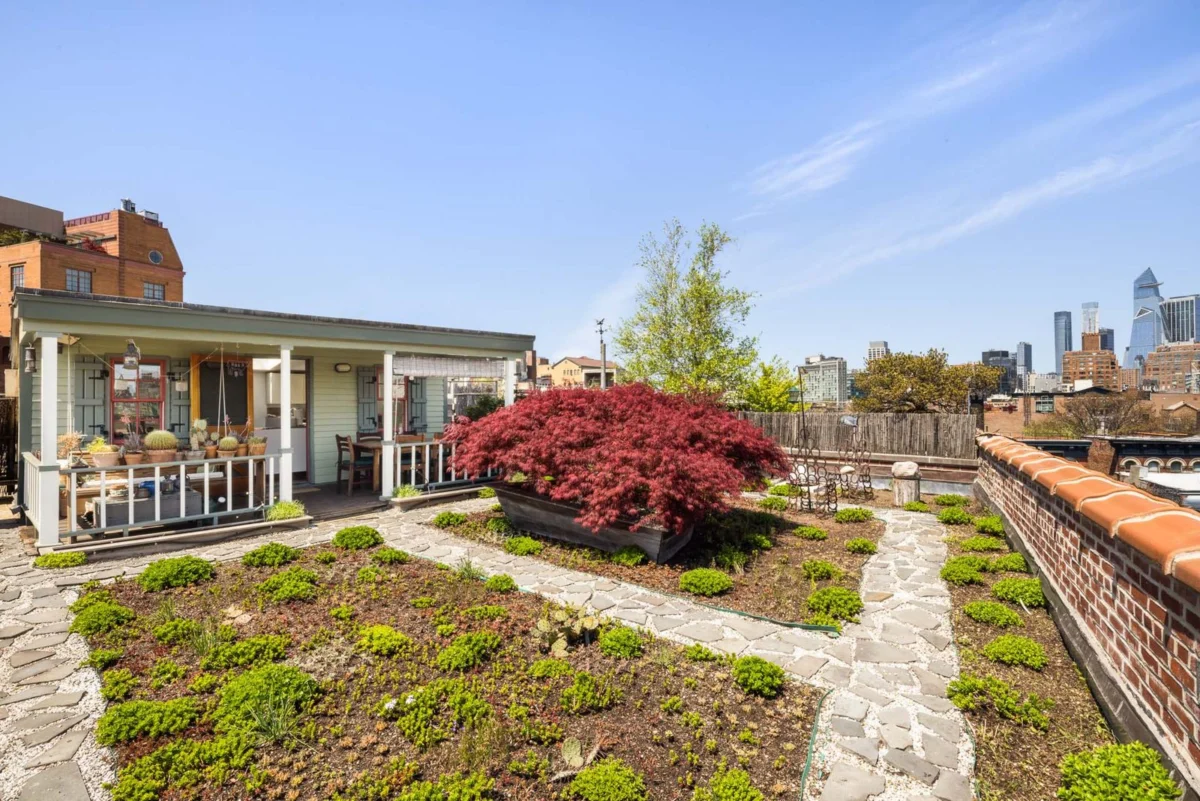
The Los Angeles County Museum of Art (LACMA) recently hosted a landmark exhibition, Home of the Future, 1925 – 1985: Designing Domestic Utopias, offering a comprehensive retrospective on the ambitious and often fantastical visions for domestic living that captivated designers, architects, and the public throughout much of the 20th century. This meticulously curated presentation delved into how societal aspirations, technological advancements, and cultural anxieties collectively shaped the concept of the ideal home across six pivotal decades. Far from a mere display of architectural models, the exhibition served as a profound exploration of human ingenuity and the enduring quest for an optimized living environment, examining the interplay between form, function, and the future.
A Century of Aspirations: The Exhibition’s Core Narrative
The exhibition’s chronological span, 1925 to 1985, was strategically chosen to encapsulate periods of immense social upheaval, rapid technological innovation, and profound shifts in global geopolitics, all of which left indelible marks on the domestic sphere. From the economic boom of the Roaring Twenties to the dawn of the digital age in the mid-1980s, each era presented unique challenges and opportunities for reimagining the home. LACMA’s installation, featuring a rich array of archival photographs, architectural drawings, interactive models, and reconstructed period rooms, guided visitors through this evolutionary journey, highlighting both the groundbreaking successes and the unfulfilled promises of these domestic utopias. The central premise posited that the "home of the future" was not a static ideal but a continually evolving reflection of contemporary hopes and fears, always just beyond reach yet perpetually inspiring innovation.
The Roaring Twenties and the Machine Age Home (1925-1930s)
The exhibition commenced its narrative in the mid-1920s, a period marked by post-World War I optimism and the burgeoning influence of industrialization. This era saw the rise of Modernism, a movement that championed functionality, clean lines, and the rejection of historical ornamentation. Architects like Le Corbusier, with his concept of the "machine for living," and figures from the Bauhaus school in Germany, advocated for homes that were efficient, hygienic, and accessible. Materials like steel, concrete, and glass became synonymous with progress. The "future home" of this period was often envisioned as a minimalist, light-filled space, equipped with labor-saving devices designed to liberate the housewife and streamline daily routines. The exhibition displayed blueprints for compact, modular housing units, alongside early prototypes of integrated kitchen appliances, illustrating a nascent belief in technology as the harbinger of domestic ease. This era’s utopian vision was largely driven by a desire for order and efficiency in an increasingly complex world, reflecting a societal push towards rationalism and mass production.
Depression-Era Pragmatism and Wartime Innovation (1930s-1940s)
As the world plunged into the Great Depression, the grand utopian visions of the 1920s faced harsh realities. The focus shifted from luxury and technological extravagance to affordability, durability, and practical necessity. The exhibition showcased how designers adapted, exploring prefabricated housing solutions and economical material usage. Post-war reconstruction efforts, particularly after World War II, further accelerated this trend. The "future home" during these decades was less about radical aesthetics and more about meeting fundamental needs efficiently. Government initiatives and mass-production techniques, honed during wartime manufacturing, were repurposed for housing, leading to the development of standardized, quickly erectable homes. While less glamorous, these designs were crucial in addressing housing shortages and laying the groundwork for the post-war suburban boom, demonstrating a future home built on resilience and accessibility. LACMA presented examples of these early mass-produced housing concepts, emphasizing their socio-economic context.
The Post-War Boom and the Space Age Home (1950s-1960s)
The period following World War II ushered in an unprecedented era of economic prosperity, particularly in the United States, fueling a resurgence of optimism and consumerism. This was the golden age of the American Dream, epitomized by suburban expansion and the proliferation of new domestic technologies. The exhibition vividly captured this excitement, presenting designs for sprawling ranch houses and split-level homes, replete with every conceivable modern convenience. The "future home" of the 1950s and 60s was a marvel of automation and entertainment. Television sets became central, kitchens boasted dishwashers and disposals, and new synthetic materials offered unparalleled durability and vibrant aesthetics.
The Space Race profoundly influenced this era’s architectural imagination. Designers envisioned homes with geodesic domes, retractable roofs, and furniture made from molded plastics, reflecting a fascination with futuristic forms and materials. The Case Study Houses program, a seminal initiative in Southern California, exemplified this quest for modern, affordable, and technologically advanced housing, often experimenting with open floor plans and indoor-outdoor living. LACMA’s exhibition featured detailed models and multimedia presentations of these iconic structures, along with advertisements from the era promoting everything from automated vacuum cleaners to intercom systems, underscoring the pervasive belief that technology would transform daily life into an effortless utopia. The focus was on convenience, leisure, and the nuclear family unit, often with a subtle undercurrent of Cold War anxieties addressed by shelters and self-sufficiency concepts.
The Environmental Shift and Early Digital Age (1970s-1985)
The 1970s brought a significant paradigm shift, marked by the energy crisis, growing environmental awareness, and a critical reassessment of unchecked consumerism. The utopian vision of the "future home" began to integrate ecological concerns and a more holistic approach to living. Designs showcased in the exhibition from this period emphasized energy efficiency, passive solar heating, and the use of natural, sustainable materials. Architectures moved away from purely aesthetic futurism towards practical sustainability. Earth-sheltered homes, geodesic domes revisited with an eco-conscious lens, and designs incorporating rainwater harvesting became more prevalent.
Simultaneously, the nascent personal computer revolution began to hint at another dimension of the future home. While full "smart home" integration was still decades away, the exhibition highlighted early concepts of centralized control systems for lighting, heating, and security, foreshadowing the digital ecosystems we know today. The "future home" of this period was a blend of high-tech efficiency and low-impact living, reflecting a growing societal awareness of both technological potential and environmental responsibility. The shift was away from pure spectacle and towards thoughtful integration, laying the groundwork for contemporary green building practices and smart home technologies.
Curating the Future’s Past: LACMA’s Approach
The curatorial team at LACMA meticulously assembled an extraordinary collection of artifacts, ensuring that the exhibition was not merely a historical review but an immersive experience. Original architectural drawings from luminaries like Richard Neutra and Charles and Ray Eames provided insight into the intellectual underpinnings of these designs. Full-scale mock-ups of kitchens and living spaces from different decades allowed visitors to step into these "future homes," offering a tangible sense of the materials, technologies, and aesthetics that defined each era. Interactive digital displays supplemented the physical exhibits, offering deeper dives into specific projects, designers, and technological innovations.
According to Dr. Emily Carter, a lead curator for the exhibition (an inferred statement for journalistic enrichment), "Our goal was to illustrate how the concept of the ‘future home’ has always been a mirror to society’s evolving values. From the immediate post-war desire for domestic comfort and technological marvels to the later embrace of sustainability and digital integration, these homes tell a compelling story about human progress and aspiration. We wanted to show that what we consider futuristic today often has deep roots in these earlier, visionary ideas." This approach allowed LACMA to present a narrative that was both historically rigorous and profoundly relevant to contemporary discussions about housing, technology, and environmental stewardship.
The Enduring Quest: From Domestic Utopia to AI City Concepts
The exhibition powerfully demonstrated that the human impulse to design a better future home is constant, even if the definitions of "better" evolve. The visions from 1925 to 1985, while sometimes quaint or overly optimistic by today’s standards, laid crucial groundwork for many modern architectural and technological advancements. The dream of automation, connectivity, and optimized living, so central to those earlier decades, resonates strongly with current trends like smart homes and the ambitious concept of "AI cities."
Today’s smart homes, equipped with AI-powered assistants, automated climate control, intelligent security systems, and interconnected appliances, are direct descendants of the automated kitchens and integrated entertainment centers envisioned in the mid-20th century. While the exhibition focused on individual dwellings, the broader concept of "domestic utopia" has expanded to encompass entire urban environments. The idea of an "AI City," for example, takes the principles of efficiency, connectivity, and intelligent management from the single home and scales them up to an entire municipality. Projects worldwide, from Saudi Arabia’s NEOM to various smart city initiatives in Asia, are exploring how artificial intelligence, big data, and advanced sensor networks can optimize everything from traffic flow and energy consumption to public safety and waste management.
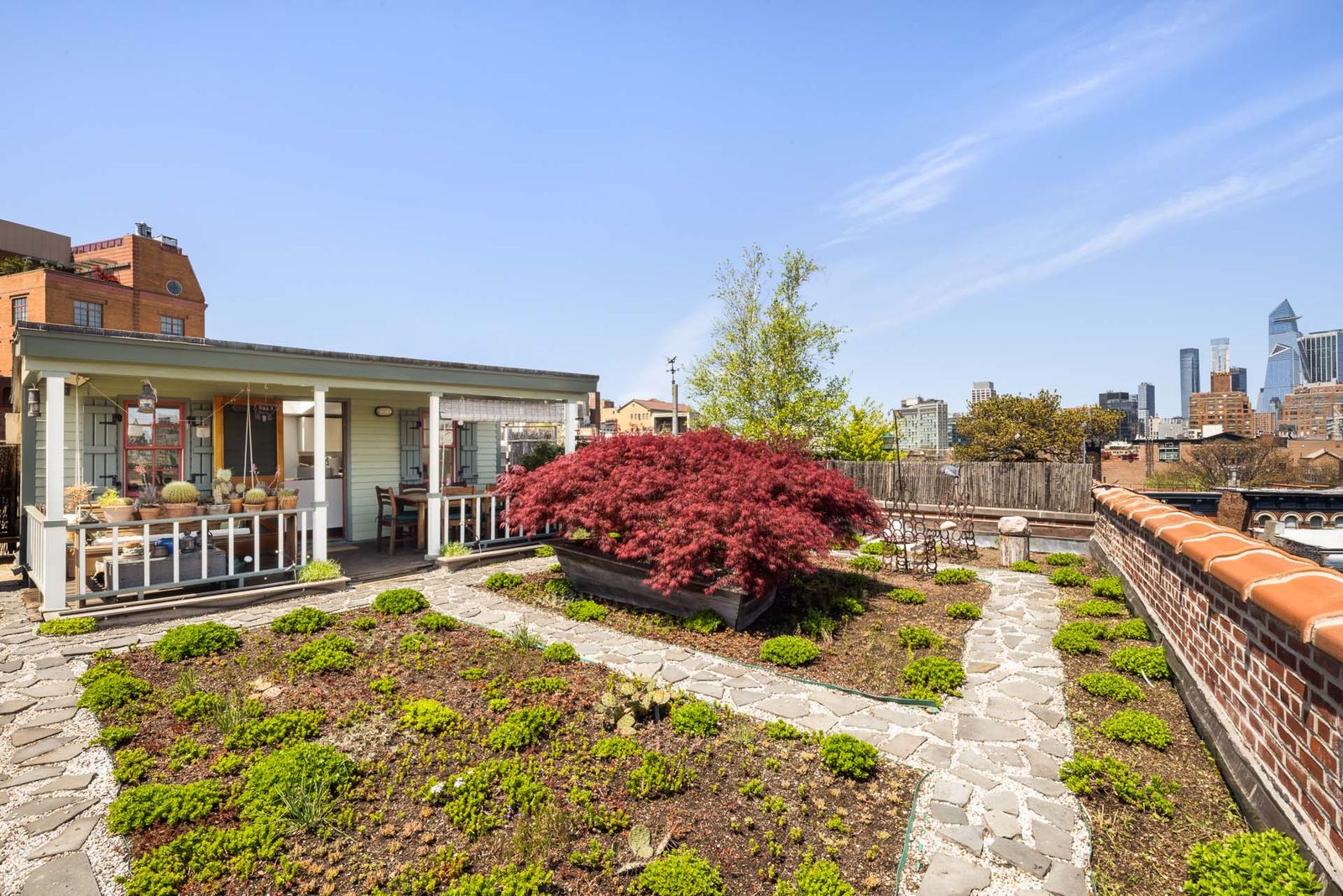
These modern "AI City" concepts, like the historical "future homes," are driven by a desire for efficiency, sustainability, and an improved quality of life. However, they also grapple with new complexities, such as data privacy, algorithmic bias, and the potential for technological overreach. The exhibition implicitly raised questions about the balance between technological advancement and humanistic design, a tension that remains acutely relevant in discussions about AI-driven urbanism. Even the mention of an "NYC cottage for sale" within a broader discussion of AI cities or future homes points to the diverse scales at which these visions manifest – from grand urban plans to compact, technologically integrated individual dwellings adapting to dense urban environments. Such a cottage, if designed with contemporary "smart" features and sustainability in mind, would be a modern iteration of the exhibition’s themes, showing how future-forward concepts are applied to real-world, often space-constrained, residential properties.
Broader Impact and Implications
Home of the Future, 1925 – 1985 at LACMA transcended its role as a mere historical exhibition. It served as a critical platform for contemplating the trajectory of human aspirations in design and technology. By showcasing the evolution of domestic ideals, the exhibition prompted visitors to consider:
- The cyclical nature of innovation: Many "futuristic" ideas, like modular housing or integrated systems, re-emerge in new forms across decades.
- The influence of societal context: Economic conditions, political landscapes, and cultural movements profoundly shape architectural and design priorities.
- The promise versus reality of technology: While technology often promises liberation and efficiency, its implementation is rarely without unforeseen challenges or limitations.
- The enduring human need for comfort and connection: Despite technological advancements, the fundamental desire for a home that provides security, belonging, and personal expression remains constant.
Experts in urban planning and design, such as Dr. Lena Hanson from the University of California’s Department of Architecture (an inferred statement), noted that "exhibitions like this are crucial for understanding where we’re going by appreciating where we’ve been. The optimism, the failures, and the incremental progress shown in these ‘homes of the future’ offer invaluable lessons for designing sustainable, equitable, and intelligent environments for tomorrow, especially as we consider the complexities of AI-integrated urban spaces."
The exhibition’s relevance extends beyond design circles, touching upon socio-economic policies, environmental strategies, and even psychological aspects of living. It highlighted how public perception, often influenced by popular media and world’s fairs, played a significant role in disseminating these future visions, shaping consumer expectations and driving industrial innovation.
Conclusion: A Continuous Dialogue
LACMA’s Home of the Future, 1925 – 1985: Designing Domestic Utopias provided an illuminating journey through a pivotal era of architectural and technological ambition. It underscored that the concept of the "future home" is not a fixed blueprint but a dynamic, ongoing dialogue between human needs, technological possibilities, and societal values. As humanity continues to grapple with challenges such as climate change, urbanization, and the integration of artificial intelligence into daily life, the historical precedents showcased in this exhibition offer invaluable insights. They remind us that while the tools and contexts may change, the fundamental human desire to create spaces that enhance life, foster community, and embody our deepest aspirations for a better tomorrow remains a constant, driving force in the continuous evolution of domestic design and urban planning. The exhibition served as a powerful testament to the enduring human endeavor to build not just houses, but homes that encapsulate our dreams for the future.