Jia Lissa
A coordinated campaign involving suspicious letters containing white powder has targeted election offices across at least 32 U.S. states, escalating concerns about election security and the safety of election workers just two weeks before critical midterm elections. The incidents, which began last Tuesday in Louisiana and rapidly spread, have prompted evacuations, emergency responses, and federal investigations, though initial tests have consistently indicated the substances were non-hazardous. This widespread assault on the infrastructure of American democracy underscores a growing climate of intimidation aimed at those who administer the nation’s electoral processes.
Initial Discovery and Rapid Escalation
The unsettling sequence of events commenced on Tuesday, October 18th, at approximately 12:20 pm, when an official in the Louisiana Secretary of State’s office in Baton Rouge opened a mailed letter. As the envelope was unsealed, a quantity of white powder fell out, triggering an immediate and alarming emergency protocol. The office was swiftly evacuated, and the exposed employee was rushed to a local emergency room for evaluation. While the incident caused significant alarm and disruption, subsequent tests confirmed that the substance was harmless, and the employee sustained no injuries. By Wednesday, the Louisiana office had resumed normal operations, with officials confirming that the event did not impede any critical election preparations. Trey Williams, a spokesperson for Louisiana’s Secretary of State, emphasized that "Tuesday’s event did not impact any election operations in preparation for the upcoming election."
However, what initially appeared to be an isolated incident in Louisiana soon revealed itself as a much larger, orchestrated campaign. A comprehensive investigation by WIRED quickly uncovered that over the subsequent days, election offices in at least 31 other states had been targeted with similar suspicious letters. This coordinated effort, unprecedented in its scale and reach, signaled a deliberate attempt to sow fear and disrupt the electoral process nationwide. While many states publicly acknowledged receiving these letters, WIRED’s investigation provided the first holistic accounting of the full scope of this concerning campaign, revealing its true breadth and potential implications.
The Modus Operandi: Widespread Distribution and Interception
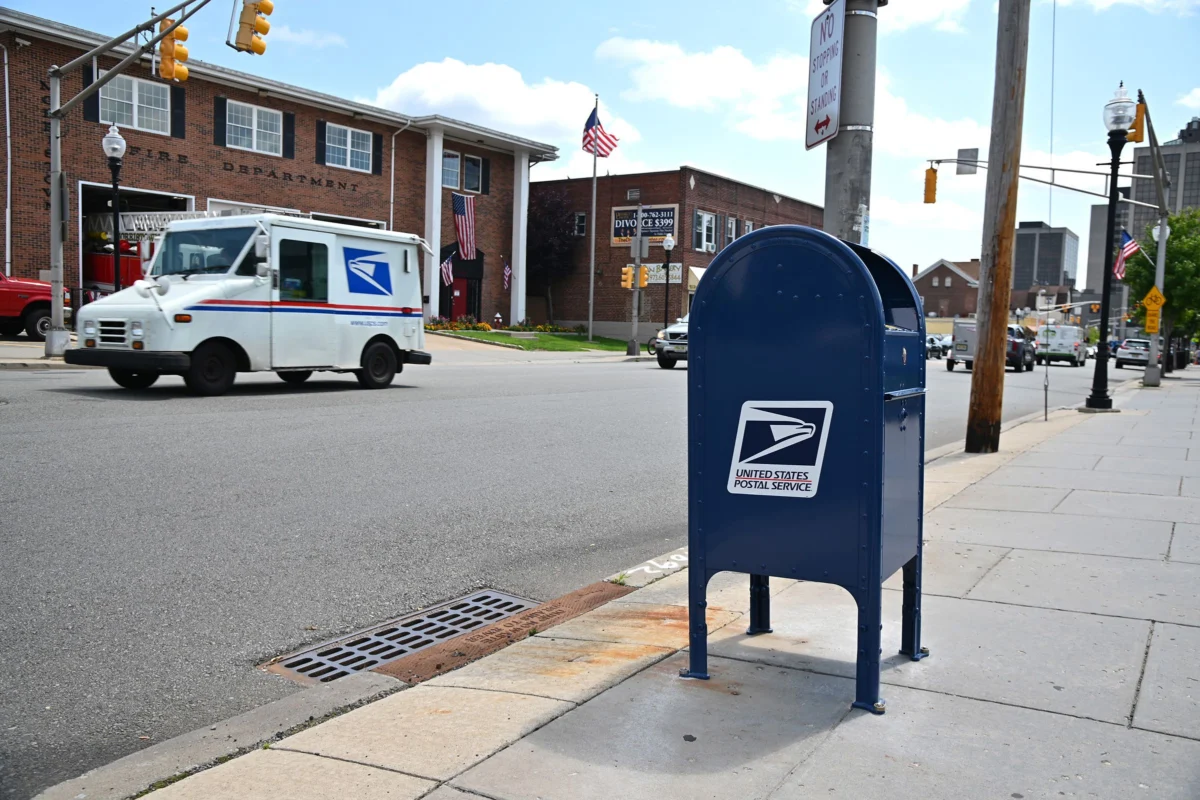
The vast majority of these menacing letters were successfully intercepted by the United States Postal Service (USPS) before they could reach their intended recipients, a testament to the vigilance of postal workers and the effectiveness of inter-agency communication. This proactive interception prevented numerous potential evacuations and minimized direct exposure risks to election personnel. Nevertheless, in several states, including Arizona, Delaware, Oklahoma, South Carolina, and Louisiana, the letters bypassed initial postal screening, leading to election offices being evacuated once the suspicious white powder was discovered. These instances forced local law enforcement and hazmat teams to deploy, incurring significant operational costs and causing temporary but considerable disruption.
The list of states confirming receipt of a suspicious letter is extensive and geographically diverse, highlighting the national nature of the campaign. These states include Alaska, Arizona, California, Connecticut, Delaware, Florida, Georgia, Idaho, Illinois, Kansas, Louisiana, Maine, Maryland, Massachusetts, Minnesota, Mississippi, Nebraska, New Hampshire, New Mexico, North Dakota, Ohio, Oklahoma, Oregon, Pennsylvania, South Carolina, South Dakota, Tennessee, Utah, Virginia, Washington, Wisconsin, and Wyoming. This broad targeting suggests a deliberate strategy to impact a wide array of jurisdictions, potentially aiming to overwhelm emergency services and create a pervasive sense of insecurity.
Conversely, election officials in 10 states—Colorado, Indiana, Kentucky, Michigan, New York, North Carolina, Rhode Island, Texas, Vermont, and West Virginia—along with Washington D.C., reported to WIRED that they had not received any suspicious packages. Eight other state election offices did not respond to inquiries, leaving the full extent of the attempted targeting potentially even broader.
Federal Response and Coordinated Efforts
As news of the initial incidents emerged and the pattern became clear, federal agencies swiftly mobilized to coordinate a national response. The FBI and the U.S. Postal Inspection Service (USPIS) launched a joint investigation into the "series of suspicious mailings sent to various addresses nationwide, including Secretary of State offices and their related election offices." While the FBI declined to specify the exact number of identified letters or comment on leads, they confirmed that they are "working closely with our law enforcement partners to respond to each incident."
The Department of Homeland Security (DHS) also acknowledged the situation, with a spokesperson stating that its "Federal Protective Service has responded to a series of suspicious-letter incidents affecting congressional offices in federal facilities over the past week," though they did not explicitly comment on the letters sent to election offices. The convergence of these incidents targeting both electoral and legislative bodies suggests a broader, coordinated effort of intimidation against governmental institutions.
Federal agencies played a crucial role in preempting some of the threats. For instance, the FBI notified authorities in Alaska on Friday that a suspicious envelope was expected to arrive the following day. This advance warning allowed the USPS to identify and intercept the package around 9 am Saturday morning, as reported by the Juneau Independent. Similarly, in Utah, officials were prepared after being contacted by federal authorities. A spokesperson for Utah Lieutenant Governor Deidre Henderson stated, "We have been in contact with postal service employees who are actively monitoring our mail for a similar letter so they can intercept it before it reaches our office." On Sunday, Henderson posted an image on Threads of the intercepted letter, which was sent in a plain white envelope with a handwritten address.
In Mississippi, proactive measures also led to an interception. Elizabeth Jonson, a spokesperson for the Mississippi Secretary of State, told WIRED, "Based on the events in other states, we were notified to expect a suspicious letter, but it was intercepted by the USPS and [Homeland Security Investigations] before it got to our office. It has now been turned over to the FBI, and we were informed the contents were nonhazardous." These examples highlight the critical importance of inter-agency communication and preparedness in mitigating the impact of such threats.
The Intimidation Tactic and its Broader Context
The white powder contained in the letters that have been opened so far has consistently been reported as non-harmful, confirming that these incidents constitute a form of hoax or intimidation rather than a direct biological or chemical attack. However, the intent behind such hoaxes is to terrorize and disrupt, forcing emergency responses and creating a climate of fear. The letters themselves offered some clues regarding their purported origin. The intercepted letter in Utah, for instance, listed "DSA" in the top-left-hand corner, seemingly referring to the Democratic Socialists of America organization, and included a New York zip code associated with the group. The Democratic Socialists of America have, however, vehemently denied any involvement in the campaign, underscoring the potential for false flagging or attempts to sow division and blame.
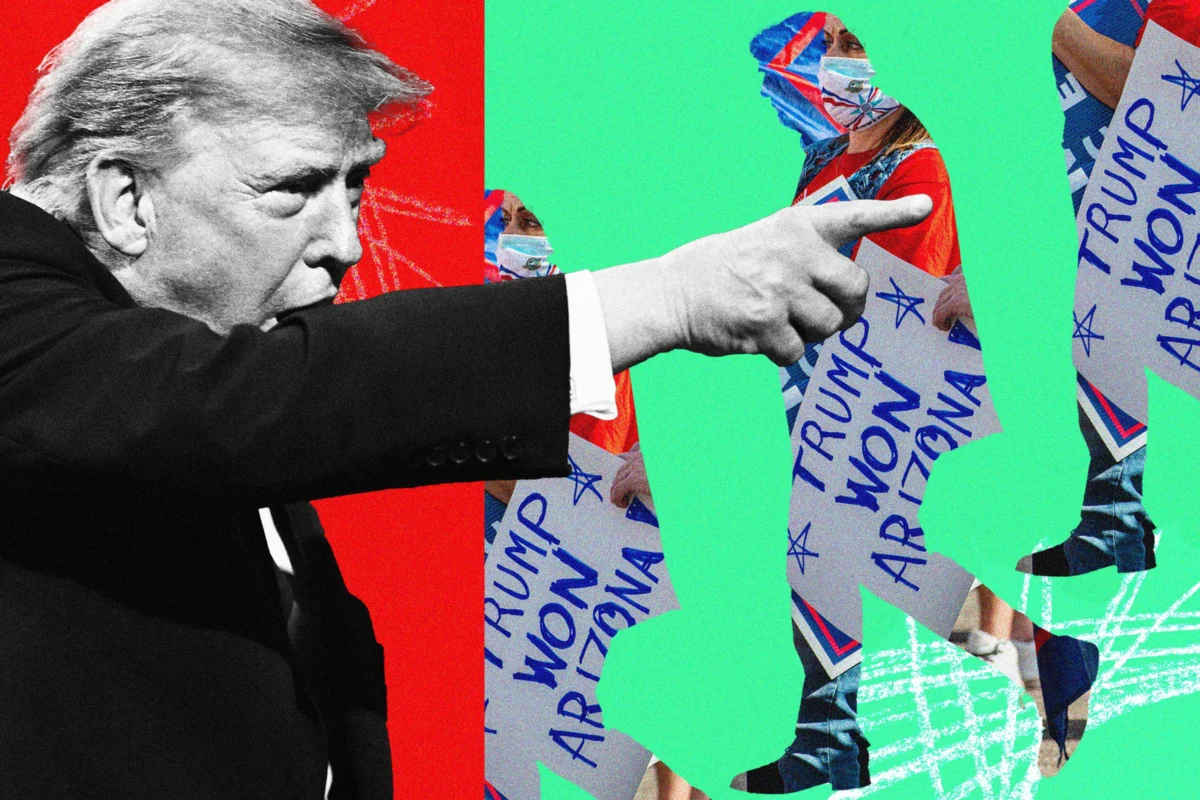
These incidents are not occurring in a vacuum. They are set against a backdrop of heightened political polarization and a disturbing increase in threats directed at election officials and workers, particularly since the 2020 presidential election. The rhetoric surrounding "election integrity" has often been weaponized, leading to unprecedented levels of harassment and intimidation against the individuals who ensure the smooth functioning of democratic processes. This campaign of suspicious letters can be seen as an escalation of these ongoing threats, designed to demoralize and distract election administrators in the crucial period leading up to the midterms.
Beyond election offices, the campaign also coincided with similar letters being sent to congressional offices across the country, targeting both Democratic and some Republican lawmakers. Senators Ted Cruz, Chris Murphy, and Alex Padilla were among those who received such packages. Michigan Representative Hillary Scholten, a Democrat, reported receiving a letter that explicitly "warned of an impending ‘civil war’ beginning after the midterms." This broader targeting suggests a coordinated effort aimed at destabilizing governmental functions and intimidating public servants across various branches.
Implications for Democracy and Election Integrity
The implications of this widespread intimidation campaign are significant and multi-faceted. Firstly, it places an immense strain on the individuals who work tirelessly to administer elections. The National Association of Secretaries of State (NASS) and the National Association of State Election Directors (NASED) issued a joint statement expressing deep concern: "As we have each stated in the past, threats against election officials and workers have no place in our democracy. Those who administer our elections should never fear for their safety while carrying out their essential duties." This sentiment reflects the growing apprehension among election professionals who are increasingly on the front lines of political contention.
Secondly, these incidents impose substantial financial and logistical burdens on local and state governments. Emergency evacuations, hazmat team deployments, and subsequent investigations are costly endeavors that divert resources from other critical public services. While the substances proved harmless, each incident requires a full-scale emergency response due to the inherent uncertainty of unknown powders.
Thirdly, the timing of these incidents, just two weeks before the midterm elections, is particularly insidious. It aims to disrupt preparations, create chaos, and potentially deter individuals from participating in the electoral process, either as voters or as poll workers. Such tactics can erode public confidence in the safety and security of elections, a cornerstone of any healthy democracy.
Despite the clear intent to intimidate, election officials across the country have expressed resolute defiance. Utah Lieutenant Governor Deidre Henderson’s statement, "Nothing is going to disrupt the midterm election. We won’t let it happen," encapsulates the unwavering commitment of these public servants. Michel Moore, co-chair of the Committee for Safe and Secure Elections, reiterated this resolve: "Threats and intimidation have no place in our elections. Professionals responsible for administering and protecting our elections have established plans, practiced their responses, and are working together to keep election workers and voters safe."
This nationwide campaign of suspicious letters serves as a stark reminder of the persistent threats facing America’s electoral system. It underscores the critical need for continued vigilance, robust inter-agency cooperation, and unwavering support for the election officials and workers who are vital to upholding the integrity of the democratic process, even in the face of escalating intimidation tactics. The ongoing federal investigation aims to identify and bring to justice those responsible for orchestrating this audacious assault on democratic institutions.