admin
admin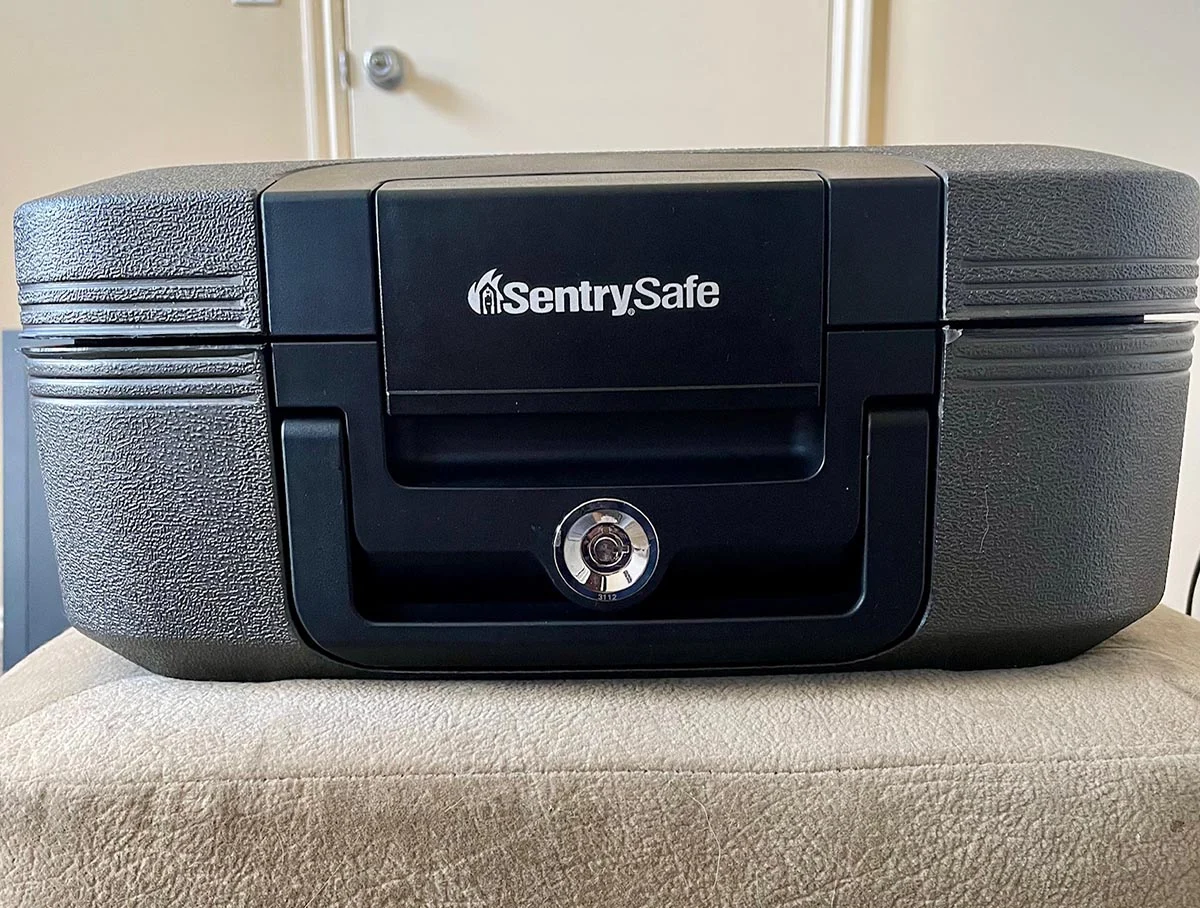
The security of personal assets has transitioned from a luxury to a necessity for modern homeowners, as rising concerns regarding identity theft, natural disasters, and property crimes drive a surge in the home security market. To address this demand, a comprehensive evaluation was recently conducted on ten leading home safes, subjecting them to rigorous durability, security, and environmental resistance tests. The findings highlight a diverse range of options, from entry-level theft deterrents to high-end units capable of withstanding extreme thermal stress and prolonged water submersion. This investigation, spanning 18 hours of hands-on testing, identified the SentrySafe SFW123GDC Digital Fire/Water Safe as the premier choice for overall protection, balancing advanced locking mechanisms with robust environmental certifications.
The Landscape of Home Asset Protection
As global climate patterns shift and urban density increases, the risks to physical documents and heirlooms have evolved. Statistics from the National Fire Protection Association (NFPA) indicate that home fires occur every few minutes across the United States, while the Federal Bureau of Investigation (FBI) continues to report hundreds of thousands of residential burglaries annually. In this context, a home safe serves as a final line of defense. The modern safe is no longer just a "black box" of steel; it is a sophisticated piece of engineering designed to maintain a stable internal temperature even when surrounded by 1,700-degree flames or submerged under several inches of floodwater.
Rigorous Testing Methodology and Chronology
The evaluation process was designed to simulate real-world threats. Over an 18-hour period, a team of specialized testers analyzed ten distinct models across a price spectrum of $10 to $800. The testing chronology was divided into five distinct phases:
- Initial Setup and Ergonomics: Each safe was assessed for ease of programming, battery installation, and the intuitiveness of its digital or manual interface.
- The "Toilet Paper" Water Test: To verify claims of water resistance, testers placed rolls of toilet paper inside the units. Safes were then subjected to a continuous high-pressure shower for 15 minutes or, in the case of waterproof-rated models, submerged in a bathtub for at least one hour. Any hint of moisture on the paper resulted in immediate point deductions.
- Durability and Impact Analysis: Safes were dropped from heights onto concrete surfaces to simulate structural collapses during a fire or a forced entry attempt.
- Security Breach Simulation: Testers employed common "safe-cracking" techniques, including prying and digital bypass attempts, to identify vulnerabilities in the locking bars and hinges.
- Capacity and Internal Utility: The final phase evaluated the practical use of interior space, checking if standard A4 documents, jewelry boxes, and digital media could be stored without damage.
Analysis of Top-Performing Models
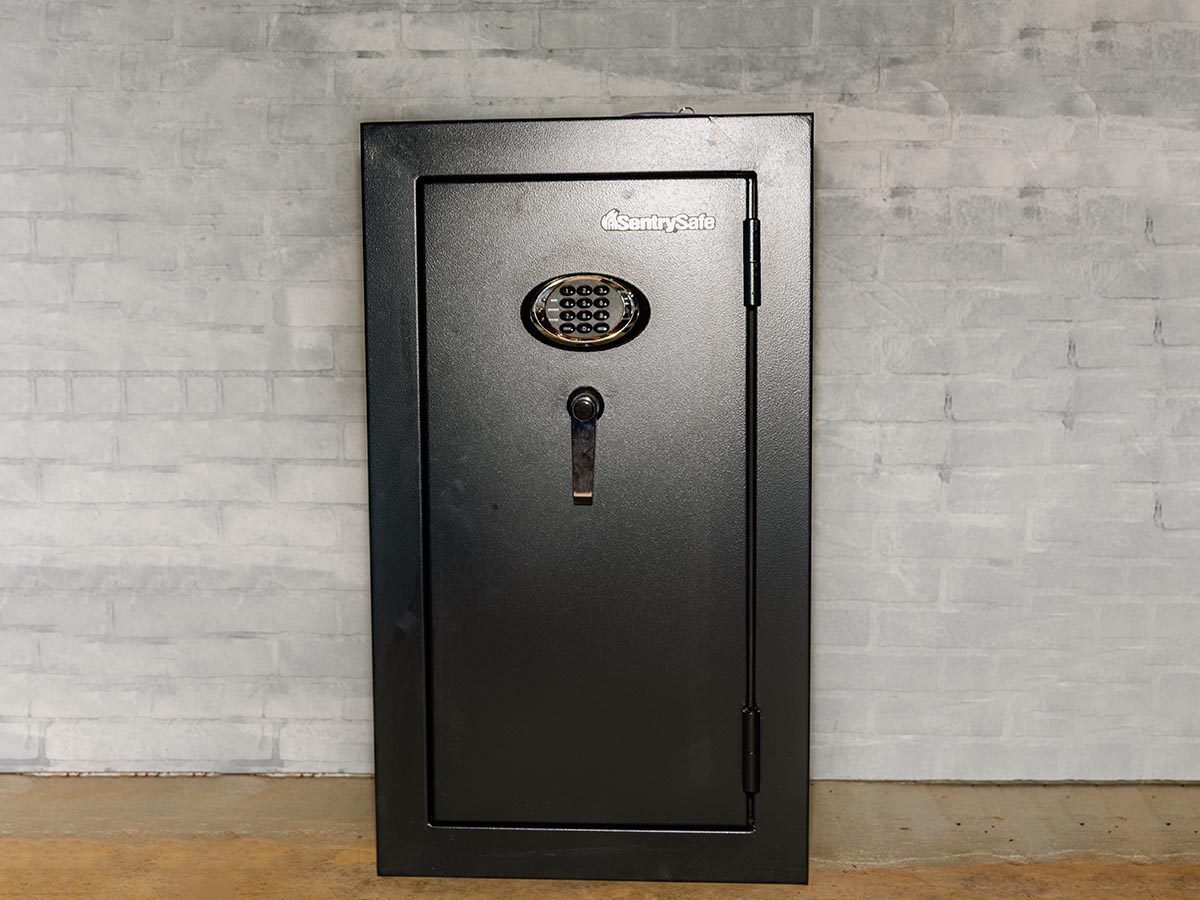
The SentrySafe SFW123GDC emerged as the benchmark for the industry. During the testing, this 1.23-cubic-foot unit successfully protected its contents against a simulated flood, keeping interior materials dry for 24 hours in eight inches of water. Its fire rating is equally impressive, certified to withstand one hour of exposure to temperatures reaching 1,700 degrees Fahrenheit. Security experts note that the inclusion of four live-locking bolts and a pry-resistant hinge bar makes this model particularly difficult to breach without specialized heavy machinery.
For consumers operating under budget constraints, the Amazon Basics Steel Home Security Electronic Safe proved to be a formidable "bang for the buck" option. Constructed from heavy carbon steel, this safe demonstrated exceptional durability during the drop test, actually chipping the concrete floor while remaining structurally intact. However, testers noted that this model lacks water and fire resistance, making it suitable primarily for theft deterrence rather than disaster protection.
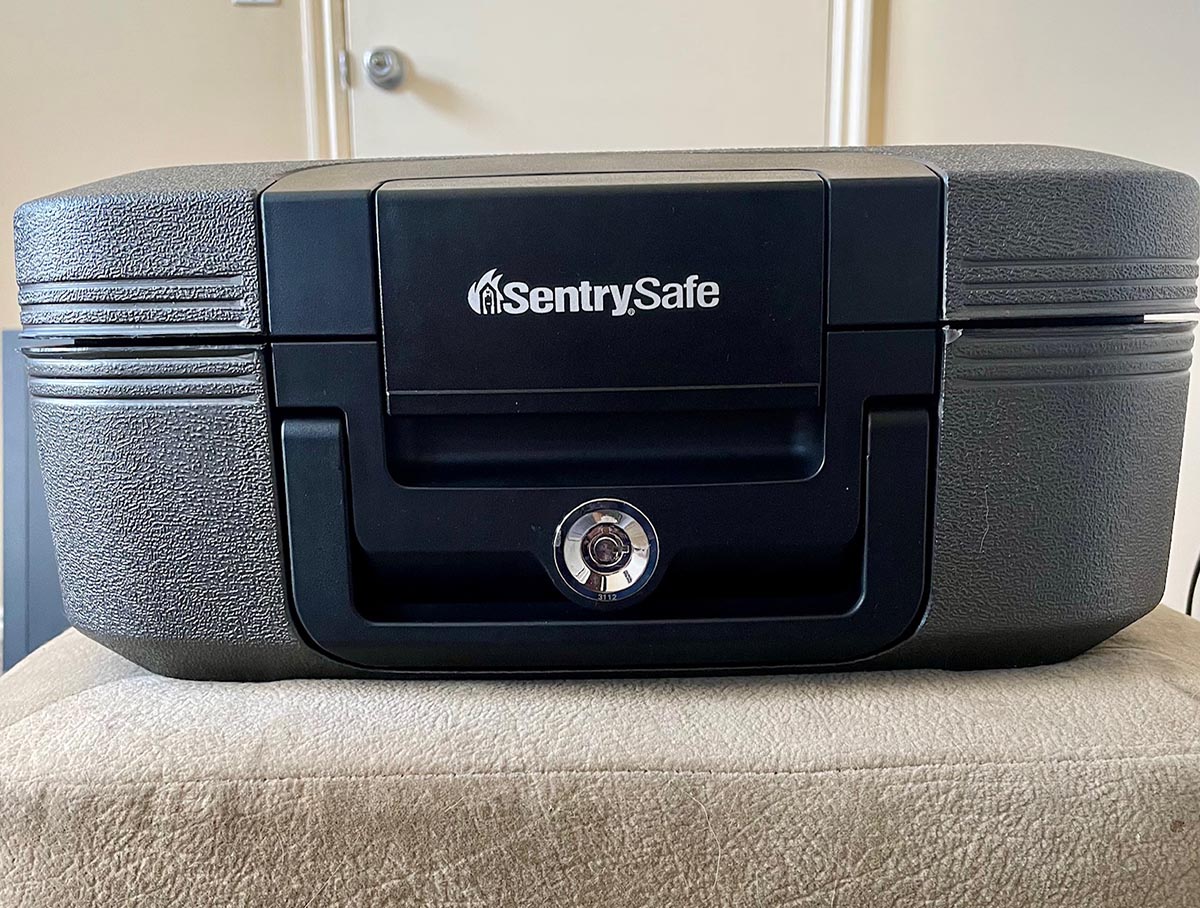
In the portable category, the SentrySafe CHW20221 Fire/Water Chest offered a specialized solution for those requiring mobility. Its Electrical Testing Laboratories (ETL) verification ensures that the internal gasket remains watertight for up to 72 hours of submersion, a critical feature for residents in hurricane-prone regions.
Understanding Industry Ratings and Standards
A critical component of the testing involved deciphering industry certifications, which are often misunderstood by the general public. There are two primary agencies that provide these benchmarks: Underwriters Laboratories (UL) and Electrical Testing Laboratories (ETL).
Fire Ratings: A UL-classified fire safe is rated based on how long it can keep its internal temperature below 350 degrees Fahrenheit (the point at which paper begins to char) while the exterior is exposed to extreme heat. Ratings typically range from 30 minutes to 2 hours.
Waterproof Verification: ETL testing confirms a safe’s ability to prevent water ingress during a flood or while being sprayed by fire hoses.
Burglary Ratings: Higher-end safes often carry "B-Rate" or "C-Rate" classifications. A B-Rate safe typically features a 1/2-inch thick door and 1/4-inch thick walls, while a C-Rate safe doubles those specifications. These ratings are vital for insurance purposes, as many high-value item riders require a specific level of safe classification to maintain coverage.
Specialized Solutions: Wall Safes and Concealment
The investigation also highlighted the importance of "security through obscurity." The Paragon Lock & Safe Superior Wall Safe was recognized for its ability to be integrated directly into the home’s architecture. By fitting between standard 16-inch-on-center wall studs, it allows homeowners to hide valuables behind artwork or mirrors. While wall safes are generally shallower (approximately 4 inches deep) and offer less fire protection than floor models, their concealment factor provides a unique psychological deterrent to intruders.
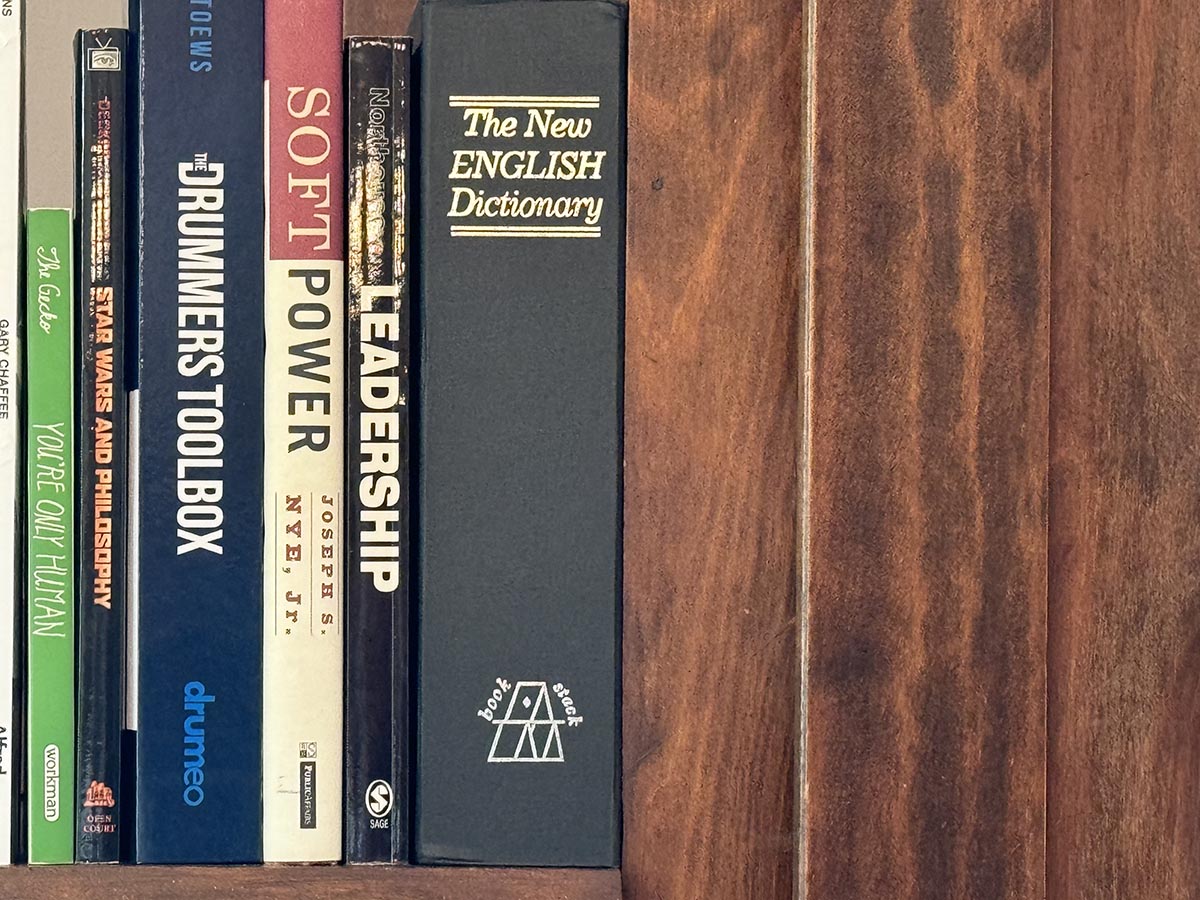
Conversely, the Jssmst Book Safe represented the "concealment-only" category. Disguised as a standard dictionary, it is designed to blend into a bookshelf. However, the testing team warned that this model offers minimal physical security; it was breached in under 20 minutes by testers cycling through combinations, and its lightweight construction would not survive a forced entry tool.
Implications for Homeowners and Insurance
Security analysts suggest that the purchase of a home safe should be viewed as an integrated part of a broader risk management strategy. Beyond the immediate protection of physical items, having a certified safe can impact homeowner insurance premiums. Many insurers offer discounts for homes equipped with bolted-down, UL-rated safes, as they significantly reduce the likelihood of a total loss during a burglary or fire.
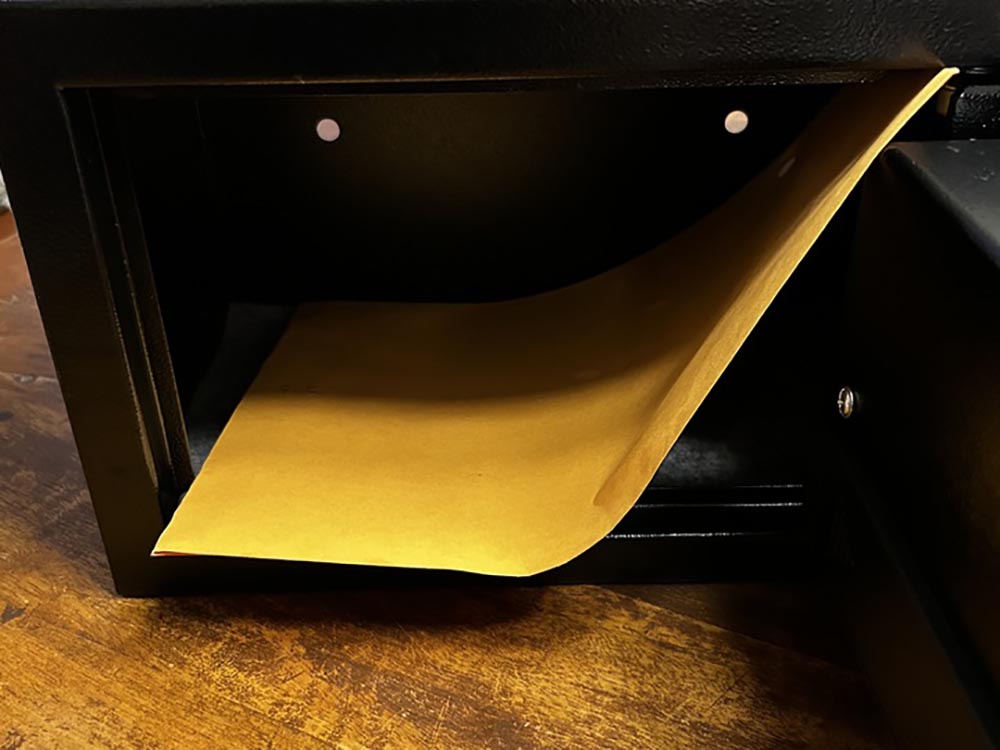
Furthermore, the shift toward digital lives has not eliminated the need for physical storage. Birth certificates, social security cards, property deeds, and physical "cold storage" cryptocurrency wallets remain vulnerable. The SentrySafe EF4738E, the largest model tested at 4.71 cubic feet, was noted for its ability to house large quantities of these documents alongside larger heirlooms, though its fire protection is limited to 30 minutes.
Expert Recommendations for Installation
The testing team emphasized that the effectiveness of a safe is heavily dependent on its installation. For maximum security, experts recommend:
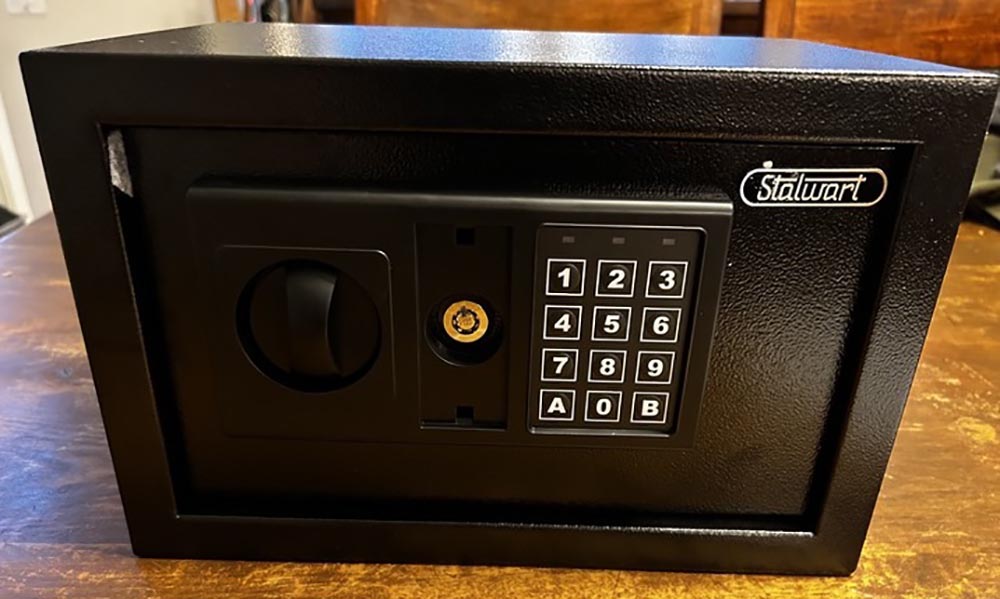
- Bolting to the Subfloor: Most high-quality safes include bolt-down hardware. Attaching a safe to a concrete slab prevents burglars from simply carrying the unit away to crack it at a secondary location.
- Climate Control: For safes stored in basements or garages, humidity can become an issue, potentially leading to mold on documents or corrosion on jewelry. The use of silica gel packs or electric dehumidifier rods inside the safe is highly recommended.
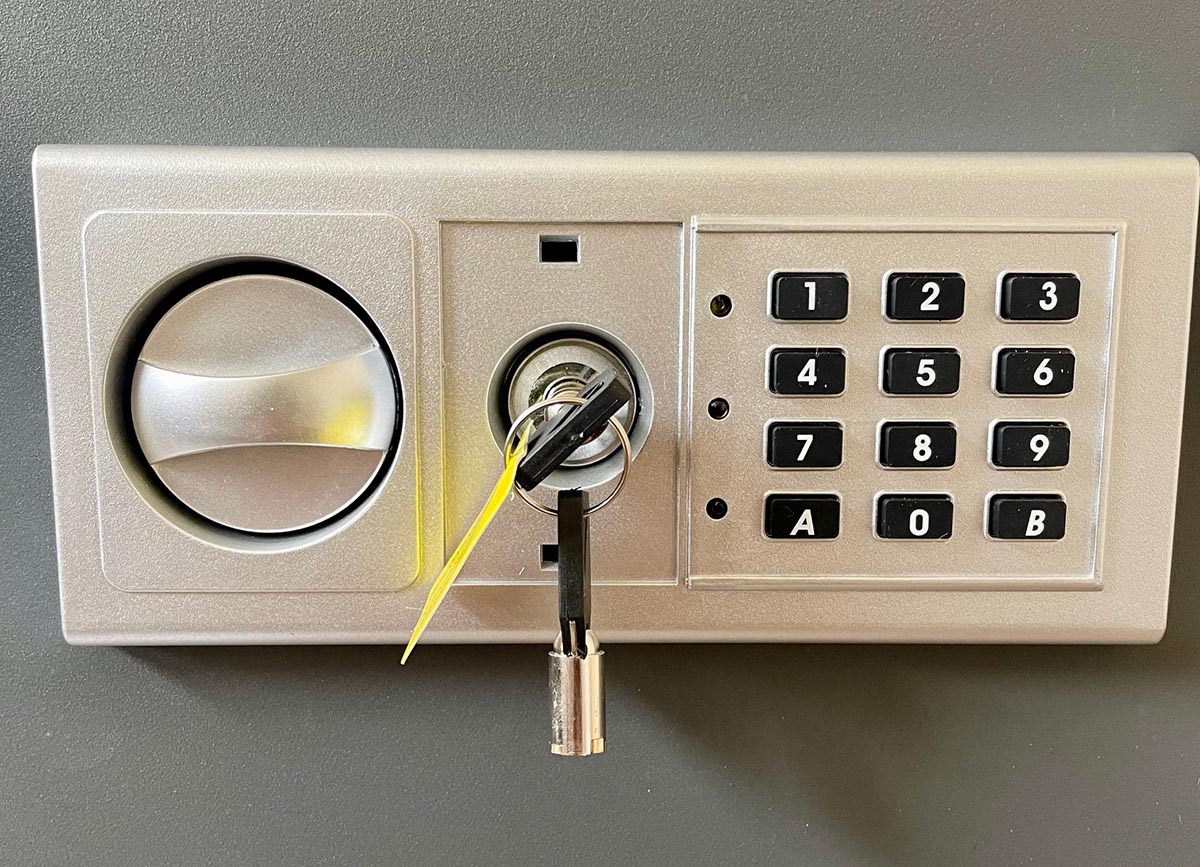
- Code Management: For electronic safes, testers advised against using easily guessable codes like birthdays or addresses. Models like the Paragon wall safe include "penalty modes" that sound an alarm after multiple failed attempts, a feature that testers found highly effective in alerting occupants to a breach attempt.
Conclusion
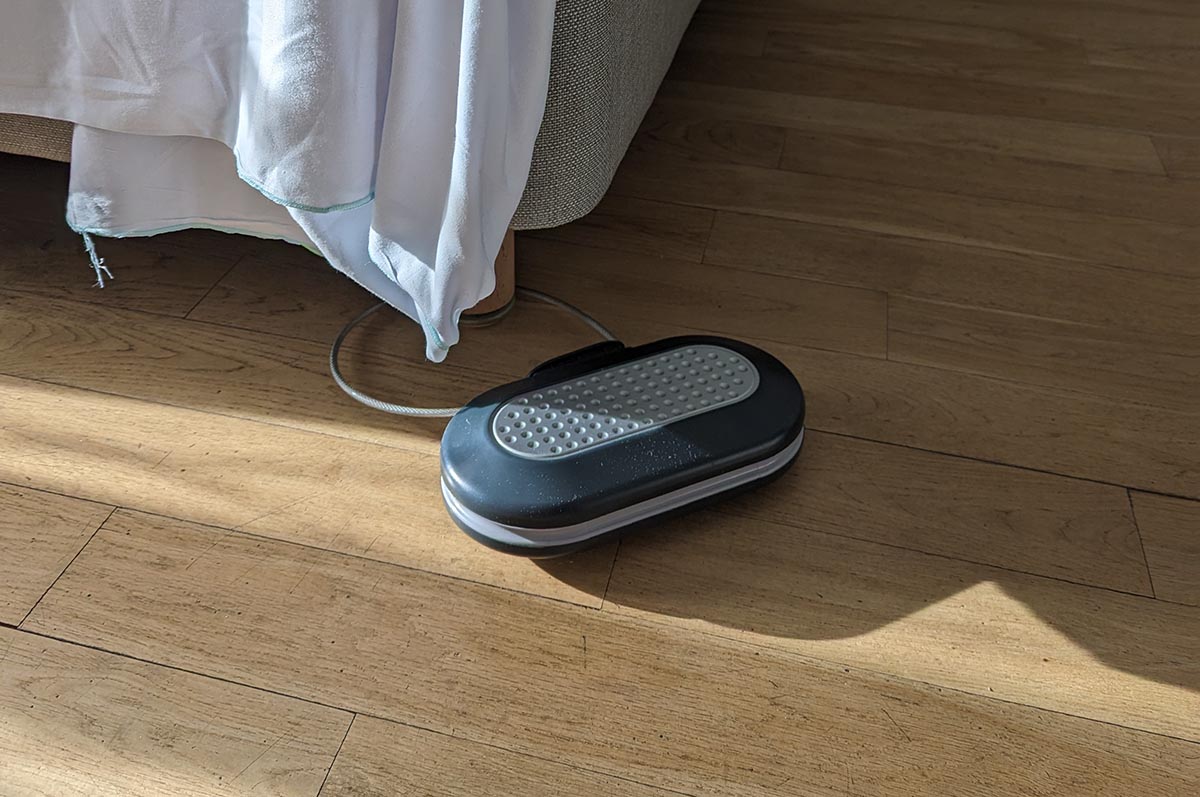
The comprehensive testing of these ten home safes underscores a fundamental truth in personal security: no single safe is perfect for every scenario. The "Best Overall" SentrySafe SFW123GDC provides the most balanced protection against the dual threats of fire and water, while specialized models like the Amazon Basics Slim and the Master Lock Portable cater to niche needs of drawer storage and travel.
As homeowners continue to navigate an increasingly uncertain environment, the data suggests that investing in a tested, rated safe is a prudent step toward long-term asset preservation. By matching the specific security rating and environmental resistance of a safe to their local risk factors—whether they be wildfire, flooding, or burglary—consumers can ensure that their most "irreplaceable" items remain exactly that.