admin
admin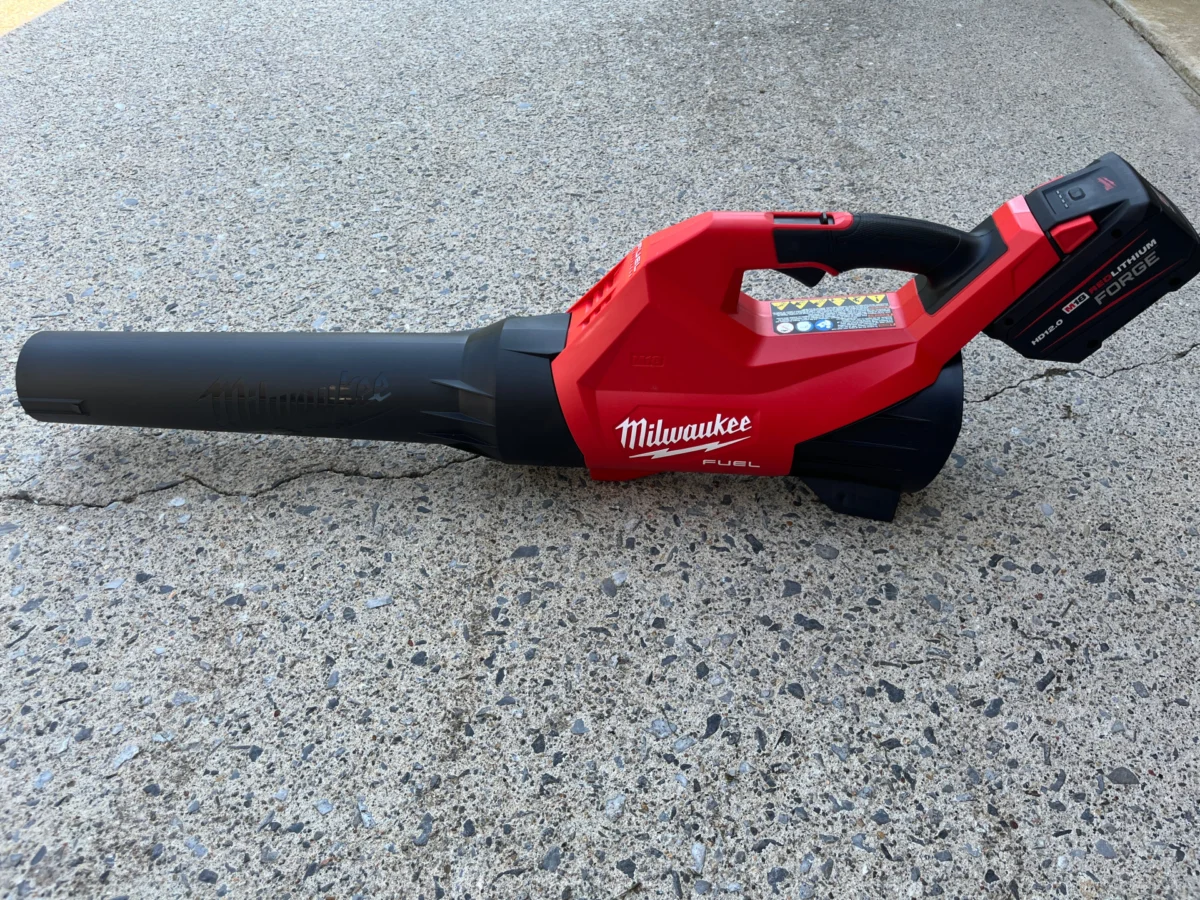
The transition from internal combustion engines to cordless electric power in the residential landscaping sector has reached a critical tipping point. As battery technology advances and municipal noise ordinances become increasingly stringent, the demand for high-performance cordless leaf blowers has surged. Over a rigorous two-year evaluation period, industry experts conducted extensive field testing on 26 of the most prominent models in the market to determine which units offer the optimal balance of power, runtime, and ergonomic design. The results indicate that the current generation of battery-operated blowers is now capable of rivaling, and in some cases exceeding, the performance of traditional gas-powered handheld units.
Industry Shift: The Decline of Gas-Powered Landscaping
The shift toward cordless electric tools is driven by several converging factors. Historically, gas-powered leaf blowers were favored for their raw power and unlimited runtime, provided one had a fuel can nearby. However, these units are increasingly falling out of favor due to their high maintenance requirements, the necessity of mixing fuel, and significant noise and air pollution.
In response, many metropolitan areas across the United States have implemented partial or total bans on gas-powered leaf blowers. Cities such as Los Angeles, California, and Washington, D.C., have led
the way in legislating against small off-road engines (SOREs) to reduce carbon emissions and noise levels in residential neighborhoods. This regulatory environment has accelerated research and development in the lithium-ion battery sector, leading to tools that offer higher voltage and longer amp-hour (Ah) ratings than were thought possible a decade ago.
Methodology: A Two-Year Comprehensive Field Evaluation
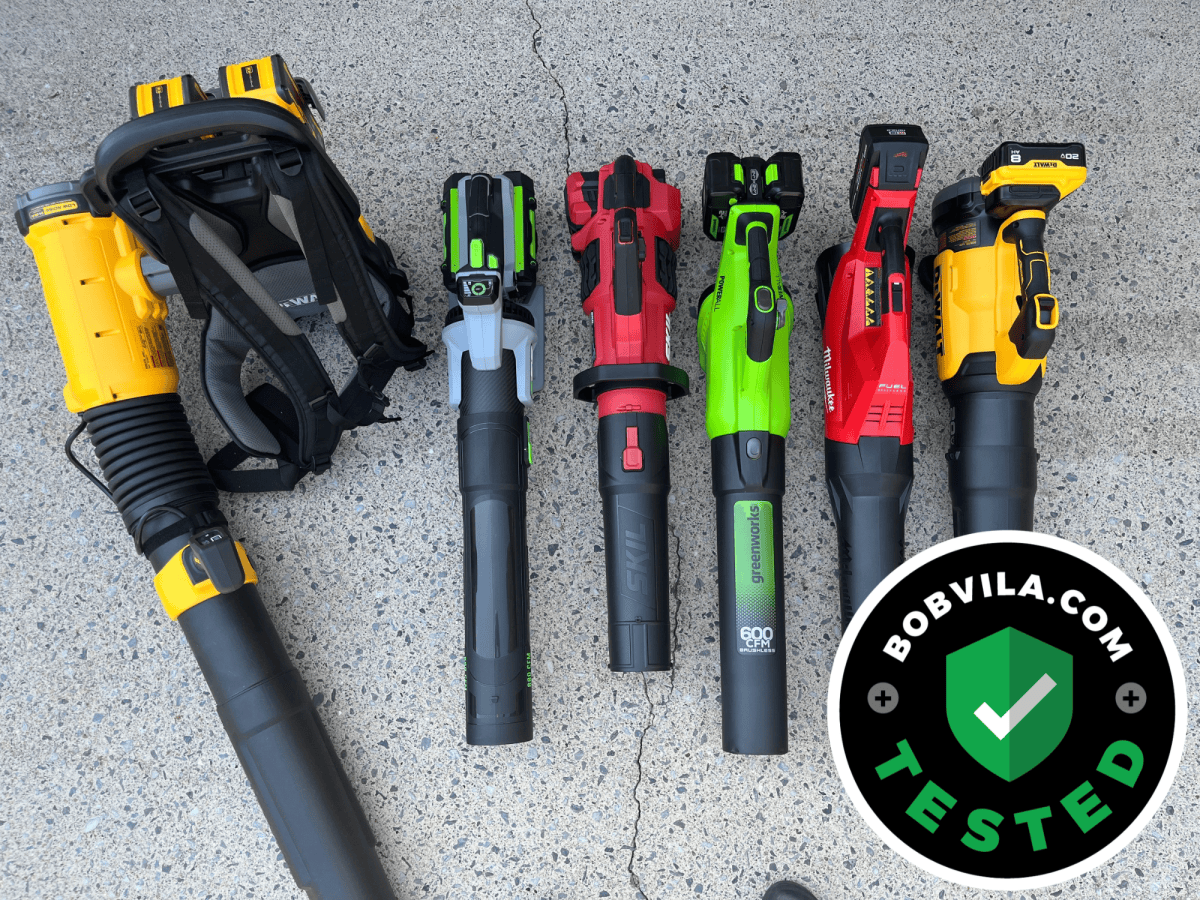
To identify the top performers in this evolving market, testers spent over 42 hours evaluating 26 different models across a variety of real-world scenarios. The testing process was designed to simulate the typical challenges faced by homeowners throughout the seasons. This included clearing dry summer grass clippings, moving heavy, matted autumn leaves, and clearing light snowfall from walkways.

The evaluation process followed a strict five-test rubric:
- Direct Blowforce Test: Measuring the ability to move heavy debris, such as wet potting soil and sand.
- Obstacle Course: Navigating around lawn furniture and tight corners to assess maneuverability and balance.
- Runtime Durability: Recording the duration of operation at maximum power settings.
- Acoustic Analysis: Measuring decibel levels at the operator’s ear to verify noise-reduction claims.
- Recharge Efficiency: Timing the interval required to return a depleted battery to full capacity.
Performance Leaders: The Toro 60V Max and the Ego Power+
The standout performer in the comprehensive testing was the Toro 60V Max 900 CFM Cordless Leaf Blower. This unit represents the pinnacle of current handheld battery technology, delivering an air volume of 900 cubic feet per minute (CFM) and airspeeds of up to 165 miles per hour (mph). While it was the heaviest handheld unit tested at 11.4 pounds, its ergonomic balance was noted as a significant advantage. The blower is designed such that the tube naturally rests at the optimal working angle, reducing the physical strain on the operator’s wrist and forearm.
For users prioritizing raw power, the Ego Power+ 880 CFM model emerged as a formidable competitor. Statistically, it rivals the Toro in blowforce and offers a lighter chassis at 9.8 pounds. The Ego kit is particularly notable for its inclusion of two 4 Ah batteries, allowing for a total runtime of approximately 40 minutes on high settings. However, testers noted that the speed-lock mechanism on the Ego was less intuitive than the Toro, requiring a multi-button sequence that could be cumbersome for some users.

Technological Innovations in Battery Ecosystems
One of the most significant trends identified during the evaluation was the move toward "battery ecosystems." Manufacturers are increasingly designing tools that share a common battery platform, allowing homeowners to use the same power source for their mower, string trimmer, and leaf blower.
- Milwaukee M18 Fuel: This system focuses on professional-grade durability. The Milwaukee 3017-21HD blower utilized an 18V, 12 Ah battery. While its 500 CFM rating is lower than the Toro, its noise output was a mere 54 decibels—making it the quietest unit in the study. This makes it ideal for early-morning or late-evening maintenance in dense residential areas.
- Greenworks PowerAll 48V: Greenworks has introduced tabless cell technology, which facilitates faster charging and improved heat dissipation. This model uses two 24V batteries to achieve 48V of power. It was highlighted for its exceptional power-to-weight ratio, weighing only 8.5 pounds while delivering 600 CFM.
- DeWalt FlexVolt: DeWalt’s system is unique in its ability to automatically change voltage when the user switches tools. The DeWalt 60V Max High Power Brushless Blower provided 30 minutes of runtime at 760 CFM, demonstrating high efficiency per available watt-hour.
Specialized Solutions: Backpack and Small-Yard Models
For larger properties, the physical demand of a handheld unit can become prohibitive. The DeWalt 60V Max 855 CFM Cordless Backpack Blower was identified as the premier choice for extended use. By shifting the weight of the batteries and motor to the operator’s back, it allows for up to 82 minutes of cleaning power in "eco mode." The unit features three performance modes, allowing users to balance power requirements against battery longevity.
Conversely, for small urban yards, the Skil 40V 650 CFM model was recognized for its value. Despite its lower price point, it delivered a blowforce of 19 Newtons (N), which is sufficient for most suburban needs. It also features a "stubby nozzle" attachment, which concentrates the airflow for moving stubborn debris from gutters or car exteriors.

Technical Analysis: Understanding CFM vs. MPH
A common point of confusion for consumers is the distinction between Cubic Feet per Minute (CFM) and Miles Per Hour (MPH). Through this testing, it became clear that both metrics are essential for different tasks:
- CFM (Volume): This measures the amount of air the blower moves. High CFM is critical for moving large piles of dry leaves or clearing wide areas quickly.
- MPH (Velocity): This measures the speed at which the air exits the nozzle. High MPH is necessary for dislodging matted, wet leaves or heavy debris like gravel and mud.
The most effective blowers, such as the Husqvarna 350iB Leaf Blaster, strike a balance between the two. The Husqvarna model provided 800 CFM at 200 mph, powered by a massive 7.5 Ah battery. This combination allowed it to clear a large testing area in nearly half the time required by lower-rated models.
Environmental and Economic Implications
The transition to cordless leaf blowers has broader implications beyond mere convenience. From an environmental standpoint, the elimination of two-stroke gas engines significantly reduces the emission of carbon monoxide, nitrous oxides, and hydrocarbons. According to data from the California Air Resources Board, operating a commercial gas leaf blower for one hour emits as much smog-forming pollution as driving a passenger car for 1,100 miles.

Economically, while the initial investment for a high-end battery kit (ranging from $200 to $1,000) may be higher than a comparable gas model, the long-term cost of ownership is often lower. Users save on the cost of fuel, oil, and spark plugs. Furthermore, the maintenance schedule for electric motors is virtually non-existent compared to the frequent carburetor cleanings and air filter replacements required by gas engines.
Future Outlook: The Professionalization of Battery Power
As the landscaping industry continues to evolve, the "Honorable Mention" given to the Greenworks 80V 580 CFM model serves as a reminder of how far the technology has come. The 80V platform, once reserved for professional contractors, is now accessible to the average homeowner. This professionalization of consumer tools ensures that the power gap between gas and electric will continue to shrink.
In conclusion, the two-year study of 26 cordless leaf blowers confirms that battery-powered equipment is no longer a compromise. For the majority of residential applications, units like the Toro 60V Max or the Milwaukee M18 Fuel provide more than enough power and runtime to manage seasonal debris. As battery chemistry continues to improve and charging times decrease, the era of gas-powered residential lawn care appears to be drawing to a close, replaced by a quieter, cleaner, and more efficient electric future.