admin
admin
Germany, long recognized as the world’s leading consumer of sparkling wine, or Sekt as it is known locally, is currently navigating a significant shift in its domestic market. While per capita consumption has seen a notable decline over the past decade, falling from 6.1 bottles (approximately 46 glasses) per person aged 16 and over ten years ago to an estimated 4.8 bottles (36 glasses) in 2024, this reduction in volume is paradoxically accompanied by a dramatic surge in quality. German Sekt, once largely perceived as a budget-friendly alternative to Champagne, has undergone a profound transformation, with its finest examples now commanding international acclaim and standing proudly alongside the world’s most prestigious sparkling wines. This evolution signifies a maturing market where consumers are increasingly prioritizing excellence over mere quantity, reshaping the industry’s focus and trajectory.

The Evolution of Sekt: A Journey from Quantity to Quality
The history of Sekt in Germany dates back to the early 19th century, with the first sparkling wines produced in the Mosel region. For much of its existence, Sekt was a mass-market product, often produced using the Charmat method (tank fermentation) or even simply carbonated still wine, allowing for large volumes and lower prices. This approach firmly established Germany as a powerhouse in sparkling wine consumption, driven by affordability and widespread availability. However, this focus on volume often came at the expense of complexity and finesse, leading to a perception that Sekt lacked the sophistication of its French counterparts.
The turning point began subtly in the late 20th century and gained considerable momentum in the early 21st century. A new generation of dedicated winemakers, often inspired by the traditional method of Champagne production, began to challenge the status quo. They recognized the immense potential of Germany’s diverse terroir and indigenous grape varieties for crafting world-class sparkling wines. This movement, often spearheaded by "Winzersekt" producers – winemakers who meticulously oversee the entire sparkling wine production process from grape cultivation to final disgorgement – marked a paradigm shift. These pioneers moved away from the bulk production model, embracing extended lees aging, careful varietal selection, and the labor-intensive traditional method (Flaschengärung).
Key Drivers of Quality Improvement: Winemaker Commitment and Traditional Methods
The dramatic improvement in German Sekt quality can be attributed to several interlocking factors, primarily the unwavering commitment of individual winemakers and a widespread adoption of more rigorous production techniques. The traditional method, involving a secondary fermentation in the bottle, followed by extended aging on the lees, has become the hallmark of premium Sekt. This process imparts the characteristic brioche, toast, and nutty notes, alongside a finer, more persistent mousse that connoisseurs seek.
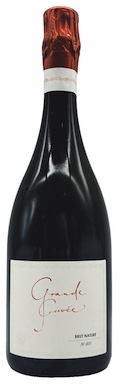
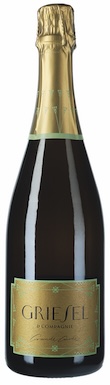
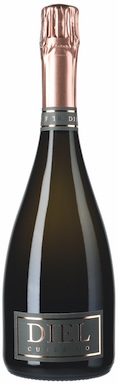
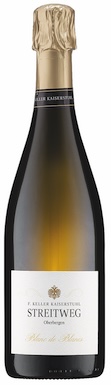
Producers like Weingut Keller, traditionally celebrated for their still Rieslings, now see the younger generation, such as Felix Keller, dedicate themselves to sparkling wine production, bringing the same meticulous attention to detail. Similarly, Volker Raumland is widely regarded as a trailblazer, having championed high-quality Winzersekt for decades, with his daughters now continuing this legacy. Estates such as Schlossgut Diel, with a long history of sparkling wine production, and newer ventures like Griesel & Compagnie (founded in 2013 with an explicit focus on Francophile-style sparkling wine), exemplify this dedication. The 58 months of lees aging for Griesel & Compagnie’s Grande Cuvée Dosage Zéro, for instance, is a testament to the patience and investment required to achieve exceptional quality.
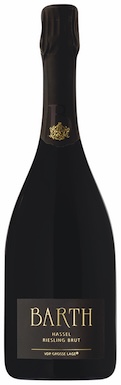
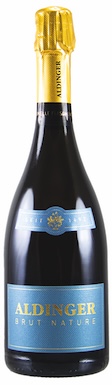
Beyond the method, the choice of grape varieties plays a crucial role. While Riesling has always been a German specialty, its high acidity and aromatic profile lend themselves beautifully to sparkling wine, producing Sekt with vibrant freshness and distinct mineral characteristics. Producers like Barth in Rheingau have established themselves as leaders in sparkling Riesling, often from single-vineyard plots. Increasingly, the classic Champagne varieties – Pinot Noir (Spätburgunder), Chardonnay, and Pinot Blanc (Weissburgunder) – are being planted and utilized, offering a broader spectrum of styles, from delicate Blanc de Blancs to robust Blanc de Noirs and elegant Rosés. The Aldinger brothers in Württemberg, with their "champagne pirate" approach, demonstrate how these classic blends can achieve distinctly Champagnesque profiles.
Regional Diversity and Grape Varieties in German Sekt
Germany’s diverse wine regions each contribute unique characteristics to the Sekt landscape.
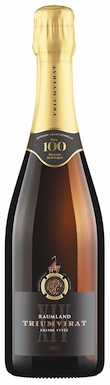
- Rheinhessen: A large and diverse region, it produces excellent Sekt from both Riesling and Pinot varieties. Producers like Weingut Keller and Raumland are prime examples of the region’s prowess.
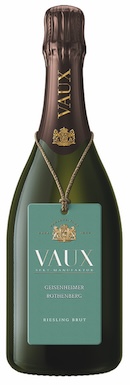
- Rheingau: Historically known for its Riesling, the Rheingau yields vibrant, mineral-driven Riesling Sekt, as seen from estates like Barth and Schloss Vaux.
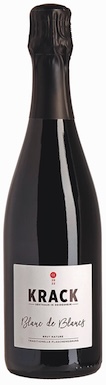
- Pfalz: This warmer region excels with Pinot varieties, offering full-bodied and complex sparkling wines. Innovators like Krack and Rings, and Christmann & Kauffmann (a joint venture focused solely on sparkling wine), are redefining the Pfalz’s Sekt identity.
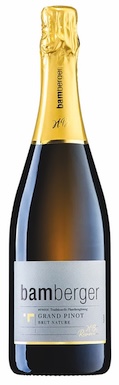
- Nahe: With its varied soils, the Nahe region produces nuanced Sekt, with estates like Schlossgut Diel and Bamberger showcasing both traditional and innovative styles, including extended barrel fermentation.
- Württemberg: Primarily a red wine region, Württemberg is gaining recognition for its Sekt, particularly from Pinot Noir, with Aldinger setting high standards.
- Baden: Germany’s warmest region, Baden, exemplified by Franz Keller, contributes rich, often Pinot-based sparkling wines.
- Hessische Bergstrasse: A smaller region, Griesel & Compagnie here focuses exclusively on high-quality traditional method sparkling wine.
This regional specificity, combined with the increasing focus on single-vineyard (Grosse Lage) Sekt, allows for an expression of terroir previously uncommon in German sparkling wine.
The Rise of Austrian Sekt: A Distinct Identity
Parallel to Germany’s Sekt revolution, Austria has also witnessed a remarkable ascent in its sparkling wine quality. Austrian Sekt, or Österreichischer Sekt, has consciously strived to carve out its own identity rather than merely emulating Champagne. This ambition is reflected in its Sekt g.U. (geschützte Ursprungsbezeichnung – protected designation of origin) system, introduced in 2015, which categorizes quality into three tiers: Klassik, Reserve, and Grosse Reserve, with increasingly stringent requirements for grape sourcing, production method, and aging.
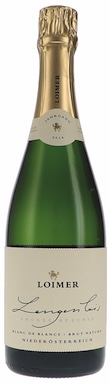
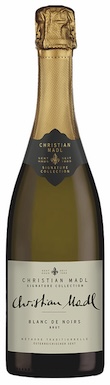
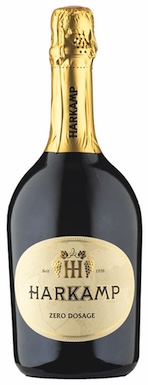
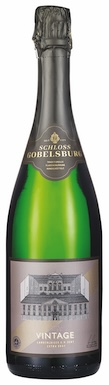
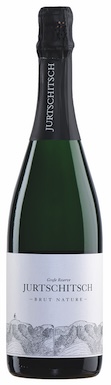
Austrian producers, like the venerable Bründlmayer in Kamptal (known for its Grüner Veltliner and Riesling but celebrated for its sparkling Rosé), are at the forefront of this movement. Fred Loimer, also in Kamptal, produces Grosse Reserve Blanc de Blancs that showcase exceptional complexity from lees aging. Christian Madl in Weinviertel explicitly focuses on a "distinctive Austrian style," often utilizing indigenous grape varieties like Grüner Veltliner alongside international ones. Schloss Gobelsburg, one of Austria’s oldest wineries, produces Vintage Grosse Reserve with over a decade of lees aging, rivaling the longevity and depth of top Champagne. Even lesser-known regions like Südsteiermark, with producers like Harkamp practicing biodynamic viticulture for their minimalist Zero Dosage Sekt, are contributing to Austria’s sparkling wine renaissance. Jurtschitsch, with a sparkling wine tradition dating back to 1936, further highlights the historical roots now being revitalized with modern techniques.
Market Dynamics: Decoding the Consumption Shift
The decline in overall Sekt consumption in Germany, while initially appearing concerning, can be interpreted as a natural evolution in a mature market. This trend aligns with broader shifts in consumer behavior across many developed economies, where there is a move away from high-volume, lower-cost alcoholic beverages towards more premium, artisanal, and sustainably produced options. Consumers are increasingly discerning, willing to pay more for a product that offers a superior experience, even if it means consuming less frequently.
This premiumization trend is a boon for Winzersekt producers in both Germany and Austria. While the total volume consumed might be lower, the value generated per bottle is likely increasing. This shift also reflects a growing appreciation for craft and origin, mirroring trends seen in specialty coffee, craft beer, and fine dining. The average German consumer is now "drinking better," indicating a heightened awareness and demand for quality. This also places Sekt in a more competitive light globally, moving it from a domestic staple to a sophisticated export product. The challenge for the industry now is to maintain this quality trajectory while also communicating the value proposition of premium Sekt to a wider, international audience.
Pioneers and Innovators: Shaping the Future of Sekt
The strength of German and Austrian Sekt lies in its dynamic and innovative producers. Felix Keller, representing the next generation at Weingut Keller, is specifically dedicated to sparkling wine, bringing fresh perspectives and techniques. Anna and Christian Krack in Pfalz are recognized as "exciting representatives of the new generation," known for their unconventional style. The collaboration between Sophie and Steffen Christmann and former Bollinger cellar master Mathieu Kauffmann in Pfalz for Christmann & Kauffmann demonstrates a willingness to embrace international expertise while grounding production in local terroir.
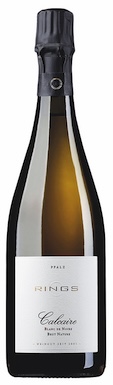
These innovators are not just making sparkling wine; they are pushing boundaries. They experiment with different grape blends, extended aging periods, unique fermentation vessels (like wooden barrels for Bamberger’s Grand Pinot Réserve), and various dosage levels, including the increasingly popular ‘Dosage Zéro’ or ‘Brut Nature’ styles that highlight purity and acidity. This spirit of experimentation ensures that the Sekt category remains vibrant and continues to evolve, offering a diverse range of styles to appeal to a broad spectrum of palates.
Industry Perspectives and Future Outlook
Industry bodies such as the German Wine Institute (Deutsches Weininstitut) and the Austrian Wine Marketing Board (Österreich Wein Marketing) would likely view these trends with cautious optimism. While the decrease in overall consumption volume presents a challenge, the concurrent rise in quality and premiumization signals a healthier, more sustainable future for the industry. Focus will likely shift from market share by volume to market share by value, and towards enhancing Sekt’s image on the global stage.
The "world champion" title in Sekt consumption may transition to a "world champion" in Sekt quality and diversity. This narrative shift is crucial for attracting new consumers, both domestically and internationally, who are seeking authentic, high-quality sparkling wine experiences. Educational campaigns highlighting the traditional method, regional characteristics, and food-pairing versatility of Sekt will be key to solidifying this new identity.
Implications for the Global Sparkling Wine Market
The transformation of German and Austrian Sekt has significant implications for the global sparkling wine market. It introduces a formidable competitor to established categories like Champagne, Prosecco, and Cava. With its unique combination of indigenous grape varieties (especially Riesling) and classic methods, Sekt offers a distinct profile that can captivate discerning palates. This rise in quality also encourages greater innovation and competition across the entire sparkling wine sector, ultimately benefiting consumers worldwide.
Furthermore, the emphasis on Winzersekt and terroir-driven production aligns with broader global trends towards authenticity and artisanal products. As consumers become more sophisticated and demand greater transparency about origin and production methods, German and Austrian Sekt are well-positioned to meet these expectations. The ongoing evolution of Sekt from a high-volume, low-cost product to a premium, quality-focused beverage represents a success story in the European wine industry, demonstrating how tradition and innovation can converge to redefine a category and elevate its global standing. The future for German and Austrian sparkling wine promises not just effervescence, but also depth, complexity, and a distinct sense of place.