admin
admin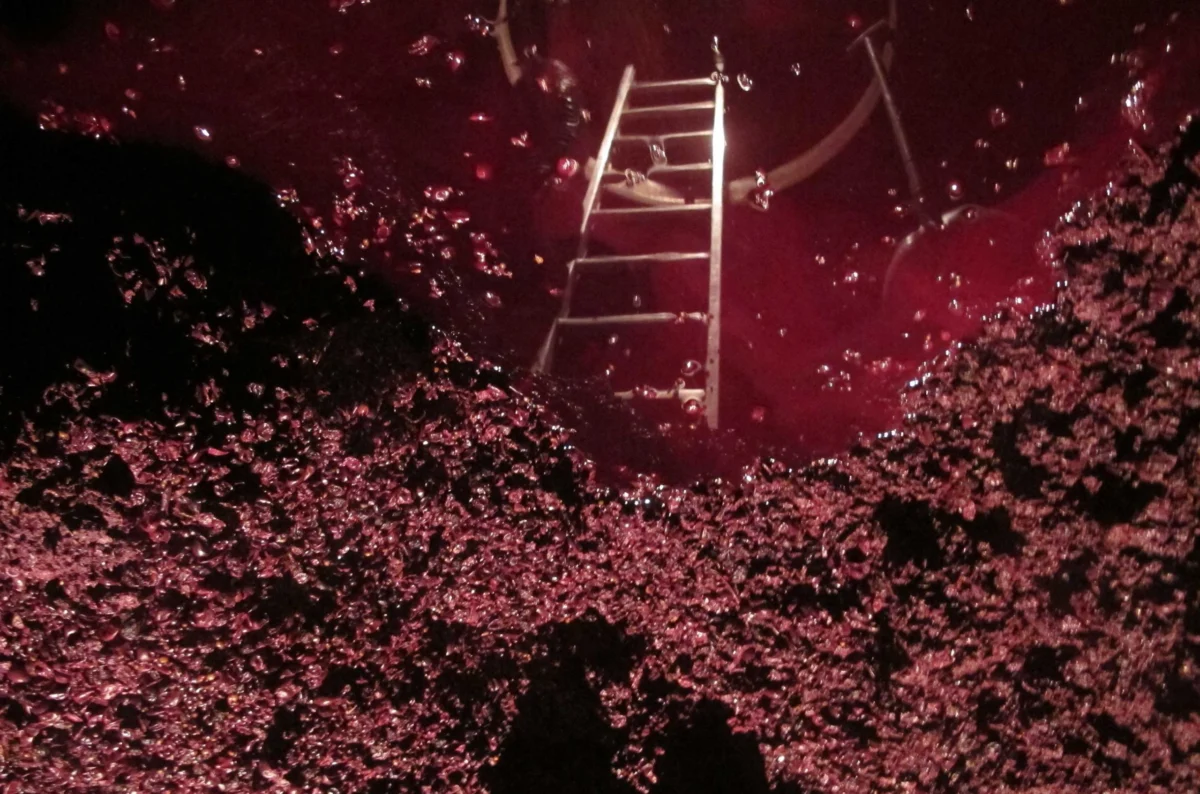
The Northern Rhône Valley, a region renowned for its powerful Syrah wines, harbors an appellation that consistently challenges and rewards even the most dedicated connoisseurs: Côte-Rôtie. While direct engagement with any wine region deepens understanding, Côte-Rôtie stands out for its profound and "stubbornly inscrutable" nature, a characteristic that ensures continuous discovery for those who commit to its study. Its steep, terraced vineyards, intricate geological mosaic, and diverse winemaking philosophies coalesce into a tapestry of flavor and history that demands repeated exploration to truly grasp its nuances.
The Geographical Imperatives and Ancient Origins
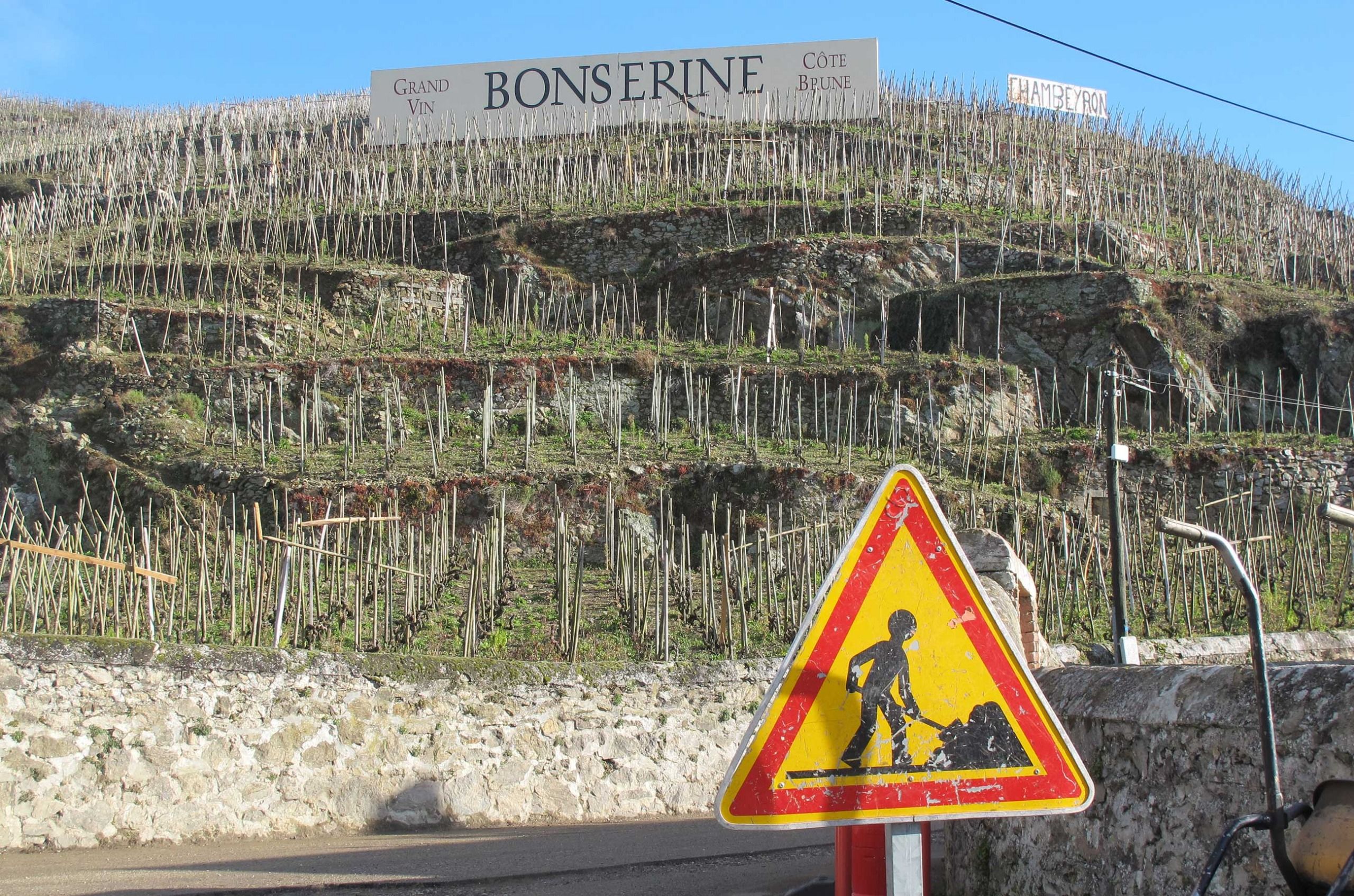
Côte-Rôtie, meaning "the roasted slope," is aptly named for its sun-drenched, precipitous vineyards that cling precariously to the hillsides overlooking the Rhône River. Located just south of Vienne, it is the northernmost appellation of the Rhône Valley, uniquely positioned to produce Syrah of exceptional elegance and aromatic complexity, often with the addition of a small percentage of Viognier. The region’s defining geographical feature is its dramatic topography, with slopes sometimes exceeding a 60-degree gradient. This extreme incline necessitates meticulous, often manual, viticulture, shaping not only the character of the wines but also the very culture and traditions of its vignerons.
Geologically, Côte-Rôtie is divided into two historically significant sections: the Côte Blonde and the Côte Brune. This division, legendarily attributed to the blonde and brunette daughters of a local lord, holds genuine geological significance. The Côte Blonde, predominantly composed of lighter, sandy, and calcareous soils over gneiss, typically yields wines that are more aromatic, elegant, and often softer in tannin structure, maturing earlier. In contrast, the Côte Brune, characterized by darker, iron-rich schist soils, produces wines of greater power, structure, and intensity, requiring longer aging to reveal their full potential. This fundamental geological dichotomy is a primary source of the appellation’s celebrated complexity, contributing distinct expressions of Syrah within a relatively small geographic area. Beyond these two main "côtes," numerous other lieux-dits (named vineyard plots) like La Landonne, La Mouline, Les Jumelles, and Coteaux de Tupin further fragment the terroir, each contributing its own subtle signature to the wines.
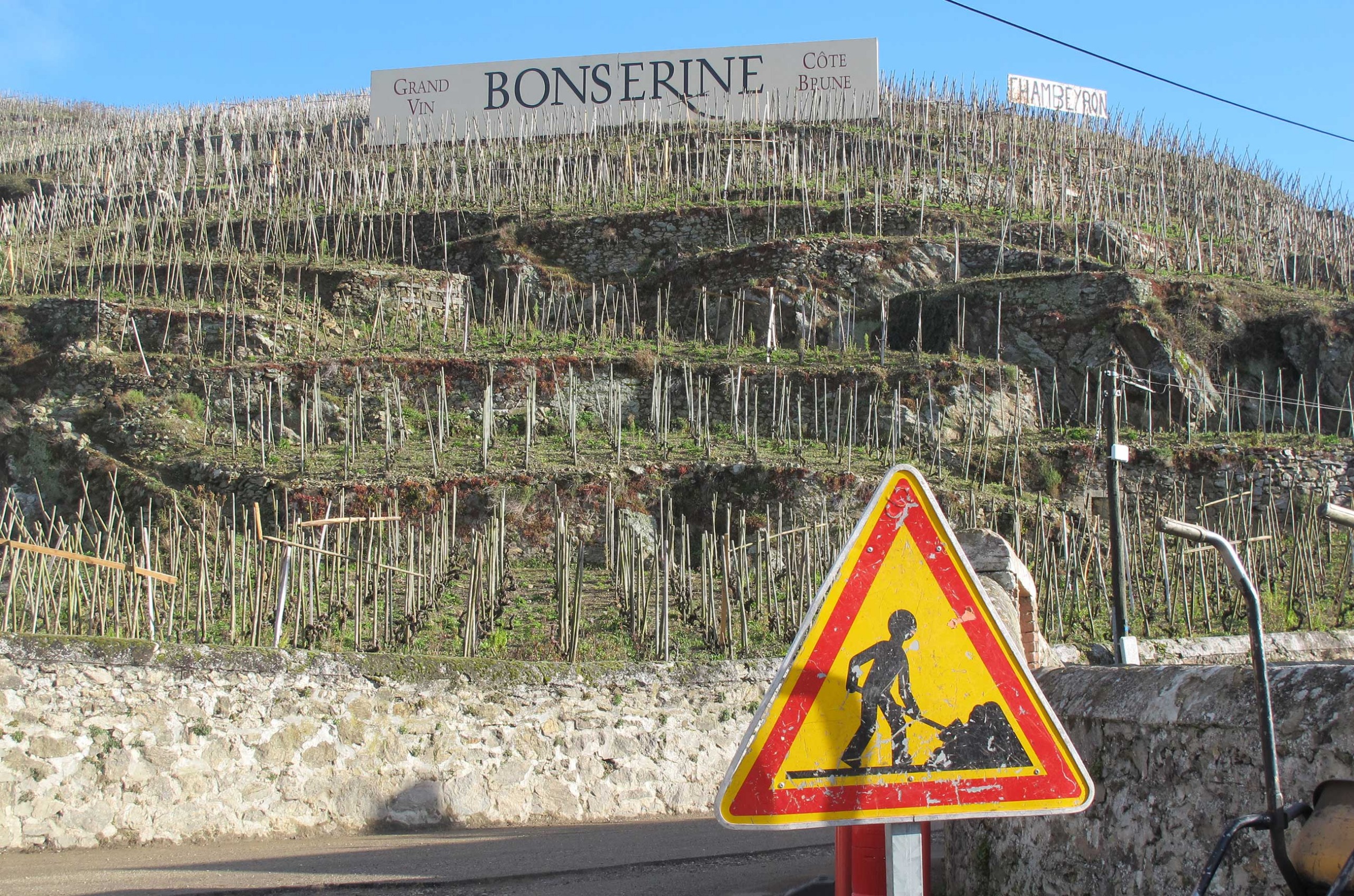
The viticultural history of Côte-Rôtie dates back to Roman times, with evidence suggesting that vines were cultivated here over two millennia ago. For centuries, its wines enjoyed high esteem, particularly in the royal courts of Europe. However, like many European wine regions, Côte-Rôtie experienced periods of significant decline, most notably after the phylloxera epidemic of the late 19th century and the economic hardships of the 20th century’s two World Wars. Many vineyards were abandoned, deemed too difficult and uneconomical to cultivate. The appellation faced near extinction, with only a handful of dedicated growers preserving its legacy.
A Renaissance and Evolving Identity
The mid-20th century marked the beginning of Côte-Rôtie’s remarkable renaissance. Pioneering producers, driven by an unwavering belief in the region’s unique potential, undertook the arduous task of replanting and restoring the ancient terraces. Figures such as Etienne Guigal, Marcel Guigal, Gérard Rostaing, and Marius Gentaz are often credited with spearheading this revival. Their dedication laid the groundwork for the modern Côte-Rôtie, transforming it from a forgotten gem into one of the world’s most sought-after fine wines. This period saw the re-establishment of traditional practices, but also the cautious introduction of modern techniques that sought to refine and enhance the wines’ quality and consistency.
The appellation’s regulations (AOC Côte-Rôtie) mandate that wines must be made primarily from Syrah, with an allowance for up to 20% Viognier. This co-fermentation of white and red grapes is a distinctive tradition of Côte-Rôtie, believed to enhance the wine’s aromatic profile, stabilize color, and add a touch of textural elegance. The influence of Viognier can range from subtle floral and apricot notes to a more pronounced lift, depending on the percentage used and the winemaker’s intent. While some producers embrace this tradition fully, others opt for 100% Syrah, leading to a fascinating spectrum of styles within the appellation. This stylistic choice is another layer of the region’s complexity, requiring consumers and critics to understand a producer’s philosophy to anticipate the wine’s character.
Viticultural Challenges and Winemaking Philosophies
The extreme steepness of Côte-Rôtie’s vineyards presents formidable challenges to viticulture. Mechanization is largely impossible, meaning all vineyard work, from pruning to harvesting, must be done by hand. The ancient system of chaillées – dry stone walls built to support the narrow terraces – is crucial for preventing erosion and retaining precious topsoil. Maintaining these walls is an ongoing, labor-intensive task, yet they are integral to the identity and sustainability of the vineyards. The harsh conditions necessitate deep roots for the vines, which struggle to find water and nutrients in the poor, stony soils, ultimately concentrating flavors in the grapes.
Winemaking philosophies in Côte-Rôtie are diverse, contributing significantly to its "inscrutable" nature. A broad distinction can be drawn between traditional and modern approaches, though many producers now blend elements of both.
- Traditionalists often favor whole-cluster fermentation (including stems), which can impart a peppery, spicy note and a firmer tannic structure, contributing to wines built for longevity. They typically use larger, older oak barrels (foudres) for aging, allowing for slow, oxidative maturation without imparting strong oak flavors. The resulting wines are often described as savory, earthy, and complex, with a strong sense of terroir.
- Modernists, conversely, often destem their grapes to achieve softer tannins and a more fruit-forward profile. They may use smaller new oak barriques, which can lend notes of vanilla, toast, and spice, creating a richer, more opulent style. These wines often present with more immediate fruit appeal and a smoother texture.
The ongoing dialogue between these two poles, and the myriad interpretations in between, means that no two producers, or even two bottlings from the same producer, are entirely alike. This stylistic pluralism demands a deep understanding of individual domaines and their specific vineyard sites to truly navigate the appellation’s offerings.
The Mosaic of Terroir and Vintage Variation
The perceived "inscrutability" of Côte-Rôtie is perhaps most pronounced in its multifaceted terroir. Beyond the broad distinction of Côte Blonde and Côte Brune, the numerous lieux-dits each possess unique microclimates and soil compositions. For example, "La Landonne" on the Côte Brune is renowned for producing exceptionally powerful, dark, and long-lived Syrahs, often with notes of black fruit, smoked meat, and iron. "La Mouline," largely on the Côte Blonde, produces wines of incredible finesse, aromatic complexity, and often a silken texture, frequently incorporating a higher percentage of Viognier. "Les Jumelles," a blend from both côtes, often aims for a harmonious balance of power and elegance. Understanding these specific vineyard identities and how they are expressed by different winemakers is a lifelong pursuit.
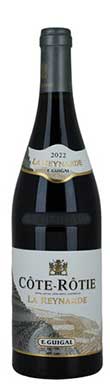
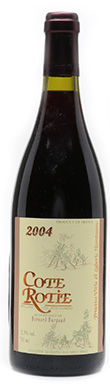
Furthermore, Côte-Rôtie, like all fine wine regions, is profoundly affected by vintage variation. The steep slopes and reliance on manual labor make the vineyards particularly vulnerable to adverse weather conditions. Hailstorms can devastate crops, while periods of drought or excessive rain can significantly impact grape quality. Hot vintages may yield richer, more powerful wines, while cooler years might produce leaner, more aromatic expressions. A deep comprehension of Côte-Rôtie necessitates not only knowledge of its terroirs and producers but also an appreciation for the specific characteristics of each vintage, which can dramatically alter a wine’s profile and aging trajectory. A 2004 Côte-Rôtie, for instance, known for its soaring aromatics and aged complexity, will present a vastly different experience than a vibrant, fruit-driven 2022, highlighting the continuous learning curve for enthusiasts.
The Perspectives of Stakeholders
Winemakers in Côte-Rôtie consistently articulate the immense dedication required to work in this demanding landscape. They speak of a profound connection to the land, an ancestral heritage, and the relentless pursuit of expressing their unique terroir. Many emphasize the balance between tradition and innovation, aiming to preserve the essence of Côte-Rôtie while adapting to modern challenges. They often highlight the challenge of coaxing elegance and perfume from Syrah while maintaining its inherent power, a hallmark of the appellation.
Sommeliers and wine critics frequently laud Côte-Rôtie for its ability to produce some of the world’s most compelling Syrahs, often drawing comparisons to the finest wines of Bordeaux or Burgundy in terms of complexity and aging potential. They often discuss the region’s capacity for evolution in the bottle, noting how the youthful exuberance of black fruits and violets transforms over decades into layers of leather, tobacco, olive tapenade, and game. The ongoing debates about optimal drinking windows, the impact of oak, and the role of Viognier are testament to the region’s dynamic character and the continuous critical engagement it inspires.
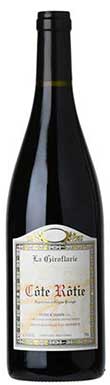
For wine collectors and enthusiasts, Côte-Rôtie offers a compelling journey of discovery. Its wines are often seen as benchmarks for Syrah, commanding significant interest in the fine wine market. The scarcity of top bottlings, coupled with their exceptional aging potential, makes them highly sought after. However, the sheer diversity of producers, lieux-dits, and vintages means that understanding and appreciating Côte-Rôtie requires more than just acquiring bottles; it necessitates a commitment to tasting, comparing, and learning over time. This ongoing educational process is precisely what makes the region so captivating and, indeed, "inscrutable" in the most rewarding sense.
Broader Implications and The Future
The enduring appeal and complexity of Côte-Rôtie have significant economic implications. The region’s reputation drives wine tourism, attracting visitors eager to experience its dramatic landscapes and taste its renowned wines firsthand. The value of its top wines continues to climb, reflecting their quality, scarcity, and critical acclaim. This economic success helps sustain the labor-intensive viticulture and encourages new generations to take on the challenging work of the vineyards.
Looking ahead, Côte-Rôtie faces the pervasive challenge of climate change. Warmer temperatures and changing rainfall patterns impact viticultural practices, potentially leading to earlier harvests, higher alcohol levels, and shifts in aromatic profiles. Winemakers are actively adapting, experimenting with canopy management, rootstock choices, and even considering different trellising systems to mitigate these effects. The future will likely see a continued emphasis on sustainable practices and a thoughtful balance between preserving the region’s historical character and adapting to environmental realities.
Ultimately, the essence of Côte-Rôtie lies in its profound depth and continuous capacity for revelation. It is a region that rewards patience and persistent inquiry, unveiling new facets of its character with each vintage, each producer, and each repeated visit. The journey of understanding Côte-Rôtie is never truly complete, making it a perennial source of fascination for anyone dedicated to the world of fine wine.