admin
admin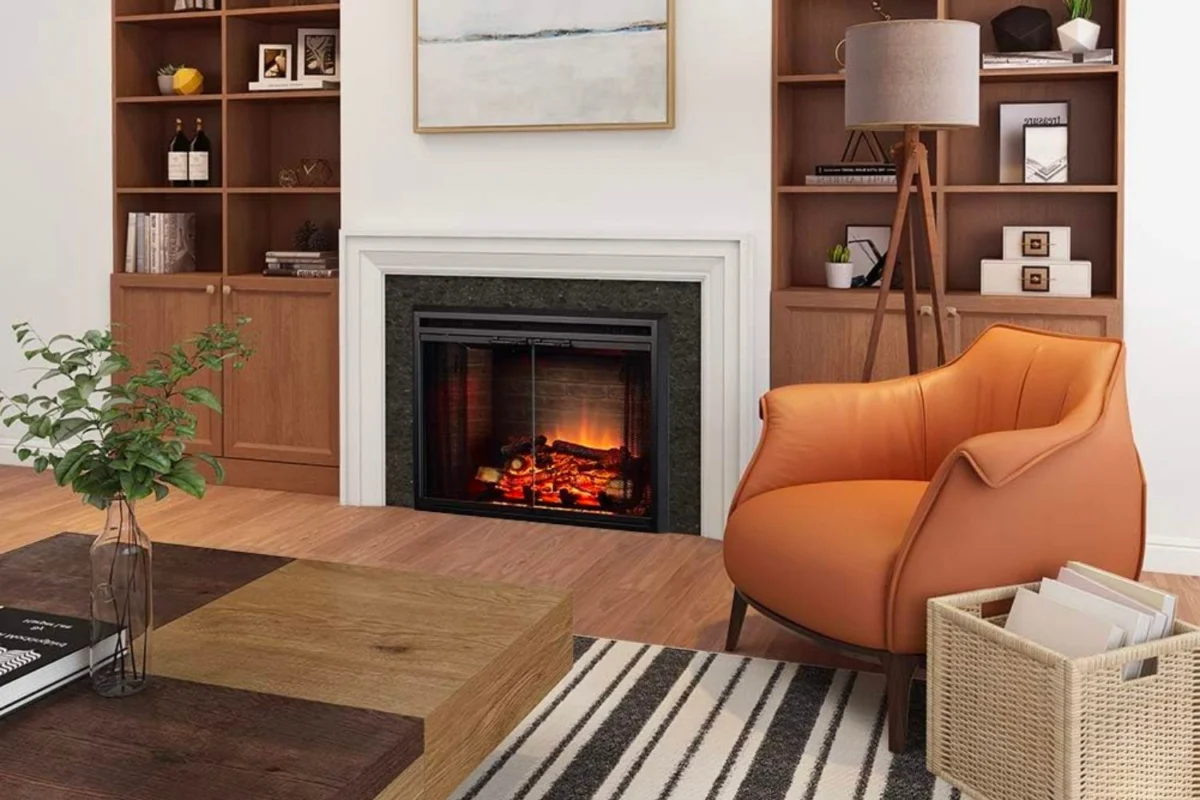
Electric fireplace inserts have emerged as a leading solution for homeowners seeking the aesthetic appeal of a traditional hearth without the environmental, maintenance, and safety challenges associated with wood-burning or gas-fueled systems. As energy costs fluctuate and urban building codes increasingly restrict the use of wood-burning appliances due to air quality concerns, the electric fireplace market has seen a significant technological evolution. These units, which utilize LED technology and fan-forced or infrared heating elements, provide a localized heat source capable of warming rooms up to 400 square feet while functioning as a sophisticated design element.
The shift toward electric heating is supported by data from the home improvement and HVAC sectors, which indicate a growing consumer preference for "zone heating"—the practice of heating specific occupied rooms rather than the entire house. By utilizing an electric fireplace insert, users can reduce the load on their central heating system, potentially lowering overall utility expenses. Modern inserts are characterized by their versatility, offering features such as programmable thermostats, adjustable flame color palettes, and integration with smart home ecosystems like Amazon Alexa and Google Home.
The Evolution of the Electric Fireplace Market
The history of the electric fireplace dates back to the early 20th century, but the technology remained largely rudimentary until the late 1990s. Early models often featured simple light bulbs and rotating tinsel to mimic the flicker of a flame. However, the introduction of high-intensity LED technology and holographic mirroring has transformed the industry. Today, manufacturers focus on "hyper-realistic" experiences, incorporating resin-cast logs that glow from within and multi-layered flame projections that offer depth and movement indistinguishable from real fire at a distance.
Current market trends highlight a move toward the "linear" fireplace—wide, thin units that are often recessed into walls beneath televisions. This architectural integration has replaced the traditional mantel-style fireplace in many modern builds. According to industry analysis, the global electric fireplace market is expected to grow at a compound annual growth rate (CAGR) of over 3.5% through 2030, driven by the rise in apartment living and the increasing availability of renewable electricity.
Technical Analysis of Top-Performing Models
When evaluating the effectiveness of an electric fireplace insert, several technical benchmarks must be considered: wattage, British Thermal Units (BTUs), and installation depth. Most standard units operate at 1,500 watts on their high setting, producing approximately 5,100 BTUs. This is the maximum output a standard 120-volt household outlet can support without risking a tripped circuit breaker.
The Realistic Standard: PuraFlame Klaus 33-Inch
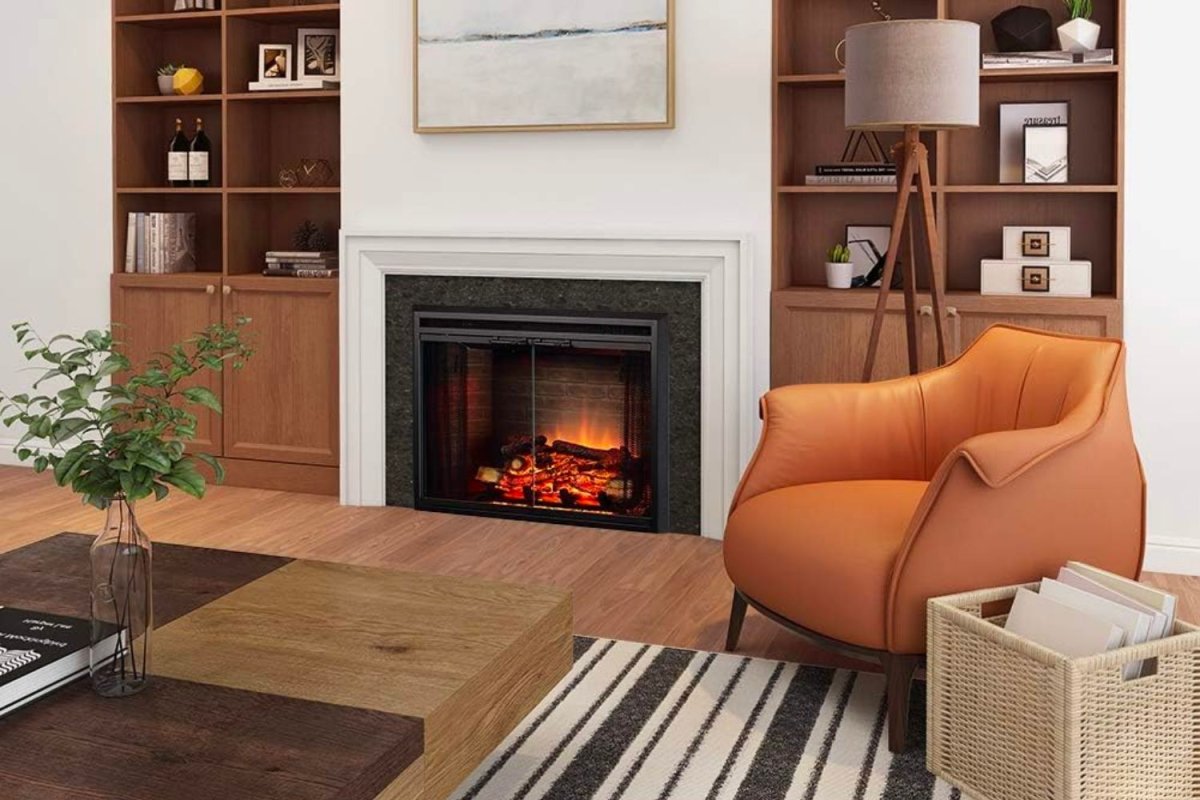
The PuraFlame Klaus has set a benchmark for realism in the "firebox" category. Unlike linear models, this unit is designed to fit into existing masonry fireplaces. It features a brick-patterned interior and a glass front that remains cool to the touch. Technically, it offers a dual-wattage setting (750W/1500W), allowing for energy conservation during milder weather. Consumer testing highlights its "spark-arrest" mesh screen and crackling sound effects as key features that bridge the gap between digital and analog experiences.
Large-Scale Integration: Electactic 68-Inch
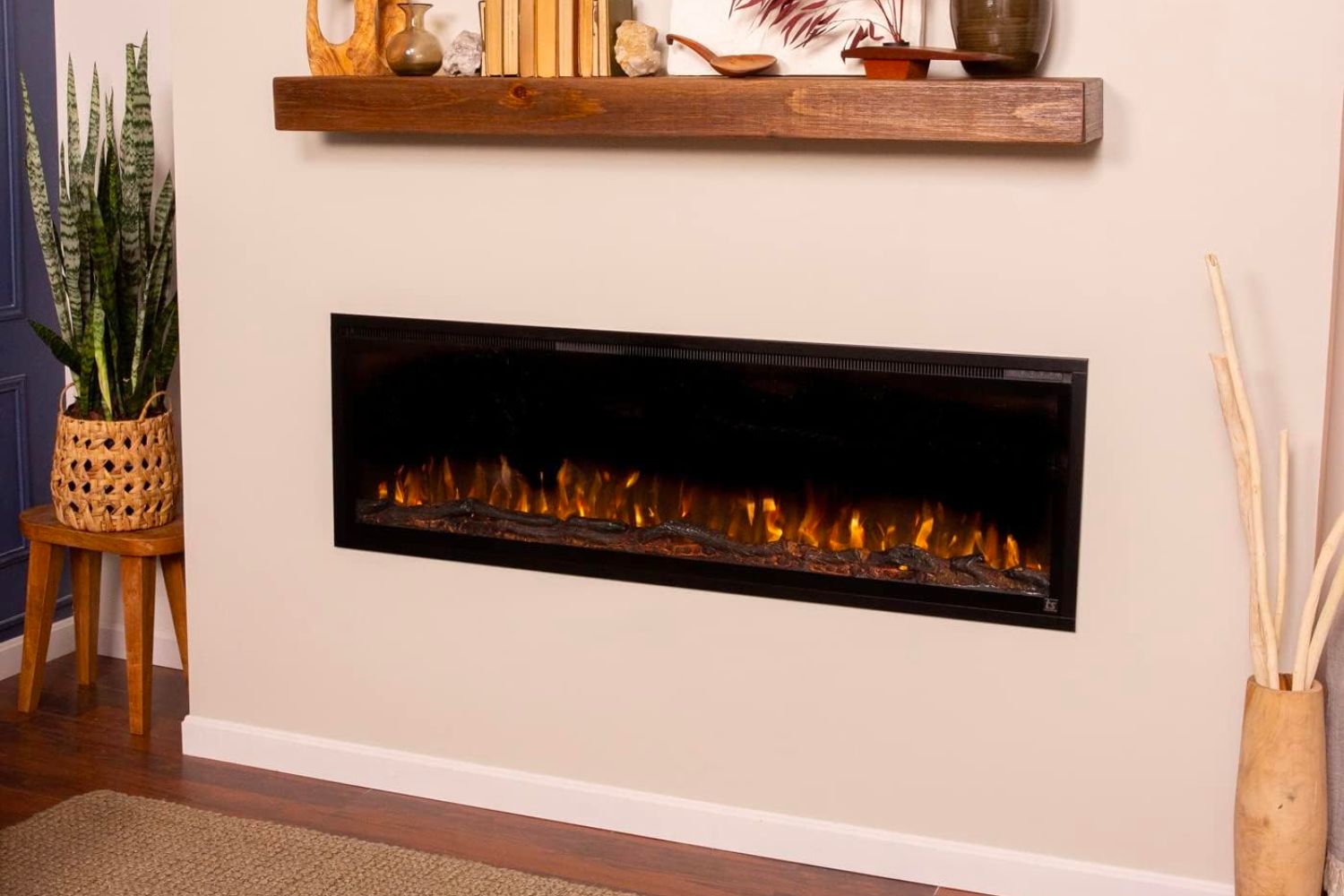
For modern architectural applications, the Electactic 68-inch model represents the shift toward expansive, wall-recessed units. Despite its width, it maintains a quiet operational profile of 40 decibels, roughly equivalent to a quiet library. This model emphasizes customization, offering 12 flame colors and 12 bed colors, allowing the unit to serve as ambient lighting even when the heating element is deactivated.
Smart Home Integration: Touchstone Sideline Elite
The Touchstone Sideline Elite represents the pinnacle of current smart-home compatibility. This unit is Wi-Fi enabled, allowing users to control temperature and visual settings via smartphone applications or voice commands. In a broader context, smart fireplaces represent a significant step in home automation, as they can be programmed to activate based on room occupancy or time-of-day schedules, further optimizing energy consumption.
Comparative Performance Data
| Model | Width | Max Heat Output | Features |
|---|---|---|---|
| PuraFlame Klaus | 33" | 5,100 BTU | Realistic logs, brick back, sound effects |
| Costway Insert | 28.5" | 5,118 BTU | 8-hour timer, five brightness levels |
| Electactic Linear | 68" | 5,100 BTU | 12 flame colors, ultra-quiet fan |
| Masarflame | 40" | 5,000 BTU | Resin logs, 9-hour timer, resin embers |
| Touchstone Elite | 50" | 5,118 BTU | Wi-Fi enabled, Alexa/Google compatible |
| R.W.Flame | 68" | 5,100 BTU | Slim profile (3.85"), wall-mount capable |
Installation and Safety Protocols
The installation of an electric fireplace insert is considerably less complex than gas or wood alternatives, yet it requires adherence to specific electrical and structural guidelines. There are three primary installation methods:
- Recessed Installation: The unit is placed inside a wall "niche." This requires a dedicated frame and, in many cases, a dedicated electrical circuit to prevent overloading.
- Wall-Mounted: Units like the R.W.Flame are hung directly on the wall surface using a bracket system. This is ideal for renters or those who do not wish to perform structural modifications.
- Fireplace Plug-In: These are designed to slide into existing hearths. The primary requirement is ensuring the chimney flue is sealed to prevent heat loss and that a grounded outlet is accessible within the firebox.
Safety remains a paramount concern for manufacturers. Most modern units are equipped with thermal overload protection, which automatically disconnects power if the internal temperature exceeds a safe threshold. Furthermore, because there is no actual combustion, these units do not produce carbon monoxide, nitrogen dioxide, or particulate matter (PM2.5), which are common pollutants associated with wood fires.
Economic and Environmental Implications
The economic argument for electric fireplace inserts is rooted in efficiency and maintenance. A traditional wood-burning fireplace loses approximately 80-90% of its heat through the chimney. In contrast, electric fireplaces are 100% efficient at the point of use, as all electricity consumed is converted directly into heat and light within the room.
From an operational cost perspective, based on a national average electricity rate of $0.15 per kilowatt-hour, running a 1,500-watt fireplace costs approximately $0.22 per hour. For a household using the unit for four hours an evening, the monthly cost would be roughly $26.40. This is significantly lower than the cost of purchasing, transporting, and storing seasoned firewood, or the professional cleaning fees required for gas and wood chimneys.
Environmentally, as the national power grid transitions toward renewable sources such as wind and solar, the carbon footprint of electric heating continues to decrease. This aligns with global "electrification" initiatives aimed at reducing residential reliance on fossil fuels.
Expert Perspectives and Industry Outlook
HVAC specialists often categorize electric fireplaces as "supplemental" rather than "primary" heat sources. "An electric insert is not designed to replace a furnace," notes the industry consensus. "It is a localized comfort device." However, architects are increasingly incorporating these units into "passive house" designs where high levels of insulation mean only a small amount of supplemental heat is needed to maintain comfort.
Looking forward, the industry is expected to integrate more advanced display technologies, such as OLED screens, to provide even higher resolution flame effects. There is also a push toward "infrared quartz" heating elements, which heat objects and people directly rather than warming the air, providing a more efficient and less drying heat than traditional fan-forced coils.
Conclusion
Electric fireplace inserts represent a convergence of home comfort, modern technology, and environmental responsibility. By providing a safe, efficient, and aesthetically pleasing alternative to traditional fire, they have become a staple of contemporary interior design. Whether used for the visual "ambiance-only" mode during summer or as a functional heater during winter, these units offer a level of control and convenience that traditional hearths cannot match. As technology continues to advance, the distinction between the "fake" fire and the real flame will likely continue to blur, further solidifying the electric fireplace’s role in the modern home.