admin
admin
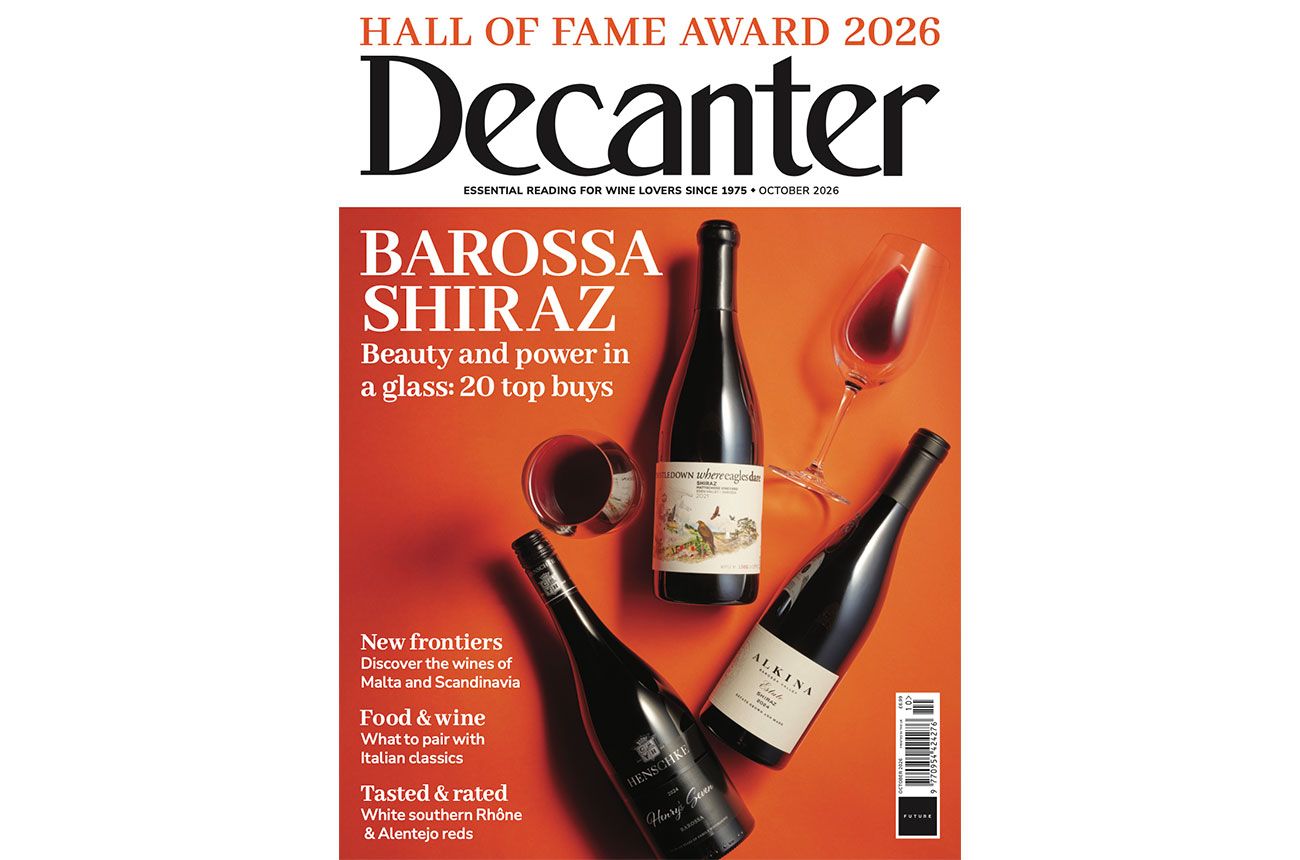
The October 2026 issue of Decanter magazine, under the editorial leadership of Amy Wislocki, delivers a comprehensive exploration of Italy’s dynamic wine landscape and highlights the burgeoning excellence of English sparkling wines. This month’s edition features an expansive Italy guide, curated by Regional Editor James Button, offering readers an unparalleled dive into the diverse terroirs and evolving narratives of Italian viticulture, alongside a personal reflection on a pioneering English wine estate.
Italy in Depth: Unpacking a Nation’s Wine Identity
At the heart of the October issue is a profound focus on Italy, a country whose vinous heritage is as rich and complex as its history. Editor Amy Wislocki opens the issue with a thought-provoking leader, reflecting on a curious disparity within the global wine community: the surprisingly low number of Italian Masters of Wine (MWs). Wislocki recounts her initial astonishment, a couple of years prior, upon discovering that Italy, a titan in global wine production and consumption, boasted only three MWs. While this figure has since nudged up to four, it remains strikingly modest compared to other leading wine nations.
The Master of Wine qualification, administered by The Institute of Masters of Wine, is widely regarded as one of the highest standards of professional knowledge in the global wine industry. It demands rigorous academic study, exceptional tasting skills, and a comprehensive understanding of every aspect of wine, from viticulture and winemaking to commerce and ethics. With approximately 420 MWs globally, predominantly from countries such as the United Kingdom, United States, Australia, and France, Italy’s representation has long been a subject of discussion among industry insiders. This disparity is often attributed to a combination of factors, including Italy’s deeply rooted traditional wine culture, which historically placed greater emphasis on regional expertise and family legacy rather than formal international certifications. Additionally, language barriers and differing educational pathways for wine professionals may have played a role. Decanter’s editorial emphasis on this point serves to highlight a growing recognition within Italy itself of the value of international benchmarks and the potential for greater global integration of its wine professionals.
Wislocki’s reflections were partly spurred by her encounter with the three Italian MWs behind Marsala’s "Salt West project." While details of the project are elaborated within the Italy guide, Wislocki’s initial reaction underscored her eagerness to witness and taste the tangible results of their efforts to "transform Marsala." This ambitious undertaking likely signifies a broader movement within Sicily’s historic Marsala region to revitalize its image, perhaps shifting focus towards premium dry expressions or emphasizing sustainable practices and terroir-driven wines, moving beyond its traditional fortified wine reputation. The project’s very existence, spearheaded by Masters of Wine, suggests a strategic, quality-driven approach to repositioning Marsala on the international stage.
The Annual Italy Guide: A Curated Journey
The enclosed Italy guide, a much-anticipated annual feature, is the culmination of extensive work by James Button, Decanter’s Regional Editor for Italy, and a team of expert writers. Button’s frequent visits across the length and breadth of the country ensure that the guide captures the most current trends, emerging regions, and established classics. This year’s guide promises a deep dive into various facets of Italian wine, offering both seasoned connoisseurs and budding enthusiasts new discoveries and insights.

Wislocki shares her personal resolutions sparked by the guide, offering a glimpse into its diverse content and inspiring readers to formulate their own:
- Revisiting Cartizze: This resolution underscores a focus on quality Prosecco. Cartizze represents the pinnacle of Prosecco production, a small, hilly sub-region within Valdobbiadene, renowned for its superior Glera grapes and often considered the "Grand Cru" of Prosecco Superiore DOCG. These wines are known for their finer perlage, delicate aromas, and often a touch more complexity and body than standard Prosecco, justifying their higher price point. The guide likely provides tasting notes and producer recommendations for this esteemed sparkling wine.
- Exploring Southern Italian Wines: Wislocki’s plan to purchase five southern Italian recommendations from Waitrose, with the most expensive at £16, highlights the incredible value and quality emerging from regions like Puglia, Sicily, Campania, and Calabria. These regions, once overshadowed by their northern counterparts, are experiencing a renaissance, championing indigenous grape varieties such as Nero d’Avola, Primitivo, Aglianico, and Fiano. The guide likely showcases these wines as excellent options for everyday drinking and culinary pairing, reflecting a broader trend in the UK retail market to stock more diverse and affordable Italian offerings.
- Journeying the Via Chiantigiana: This resolution speaks to the experiential aspect of wine. The Via Chiantigiana, or SS222, is a picturesque road that winds through the heart of Tuscany’s Chianti Classico region, connecting Florence and Siena. It is famed for its stunning landscapes of rolling vineyards, olive groves, and medieval villages, offering a quintessential Italian wine travel experience. The guide undoubtedly includes recommendations for wineries, agriturismos, and culinary stops along this iconic route.
- Elevating Balsamic Vinegar Choices: This seemingly simple resolution points to the nuanced world of Italian gastronomy. The guide likely distinguishes between mass-produced balsamic vinegars and the revered Aceto Balsamico Tradizionale di Modena DOP or Reggio Emilia DOP. Traditional balsamic vinegar, aged for a minimum of 12 or 25 years in a series of wooden barrels, is a complex, syrupy condiment used sparingly to enhance dishes, a far cry from its more common, often sweetened, industrial counterparts.
- Finally Trying Marsala Wines: Reinforcing the editorial leader’s theme, Wislocki’s desire to taste Marsala wines, particularly those influenced by the Salt West project, signals a renewed interest in this historically significant, yet sometimes misunderstood, fortified wine. The guide would delve into its various styles – from dry (secco) to semi-dry (semisecco) and sweet (dolce), and different aging categories like Fine, Superiore, and Vergine – providing context for its versatility and potential for modern appreciation.
In My Glass This Month: Nyetimber’s English Elegance
Beyond Italy, the October issue also turns its attention to the burgeoning success of English sparkling wine, a sector that has captivated the global wine community. Editor Amy Wislocki shares her personal experience with Nyetimber, a pioneer and one of the most celebrated producers of English sparkling wine. Her visit in mid-September, just before the estate embarked on its earliest harvest to date, offered a firsthand look at the quality of the grapes, described as "fat and juicy on the vine."
The English sparkling wine industry has seen meteoric growth over the past two decades. Driven by favorable climate change, which has extended growing seasons, and the presence of chalk soils similar to those in Champagne, producers across southern England are crafting world-class sparkling wines using traditional methods and classic grape varieties like Chardonnay, Pinot Noir, and Pinot Meunier. Nyetimber, established in 1988 in West Sussex, was one of the first to plant these Champagne varieties and commit to producing wines exclusively from its own vineyards. Its historical ties, with the estate once being home to Anne of Cleves during Tudor times, add a layer of historical intrigue to its modern success.

Wislocki specifically highlights Nyetimber’s Cuvée Cherie MV demi-sec (£43 at Majestic), praising its profile of "patisserie, ripe apricot, honey and citrus, but oh so fresh." The "MV" designation indicates a multi-vintage blend, allowing the winemaker to achieve a consistent house style by blending wines from several harvests, a common practice in Champagne and increasingly in English sparkling wine. "Demi-sec" denotes an off-dry style, making Cuvée Cherie a versatile choice, particularly suited for pairing with desserts, fruit tarts, or even certain spicy dishes, offering a pleasant contrast to the more prevalent Brut (dry) styles. Majestic Wine, a prominent UK retailer, plays a significant role in making such premium English wines accessible to a broader audience. The mention of an "earliest harvest" is a critical detail, reflecting broader climate trends affecting viticulture globally, often leading to earlier bud break and ripening, which presents both opportunities and challenges for winemakers in managing grape acidity and ripeness levels.
Beyond the Headlines: A Holistic Wine Experience
The October 2026 issue further reinforces Decanter’s commitment to providing a holistic and enriching wine experience through its regular sections. While specific content for "In Focus," "Spirits," "Food & Travel," "Learning," "Buying Guide," "Collecting & Investing," and "Regulars" is not detailed in the provided excerpt, these headings signify the magazine’s broad appeal.
- In Focus: Typically delves into a specific wine region, grape variety, or winemaking technique, offering a deeper understanding of current trends or historical significance.
- Spirits: Reflects the increasing crossover interest among wine enthusiasts in high-quality spirits, from artisanal gins and whiskies to brandies and digestifs.
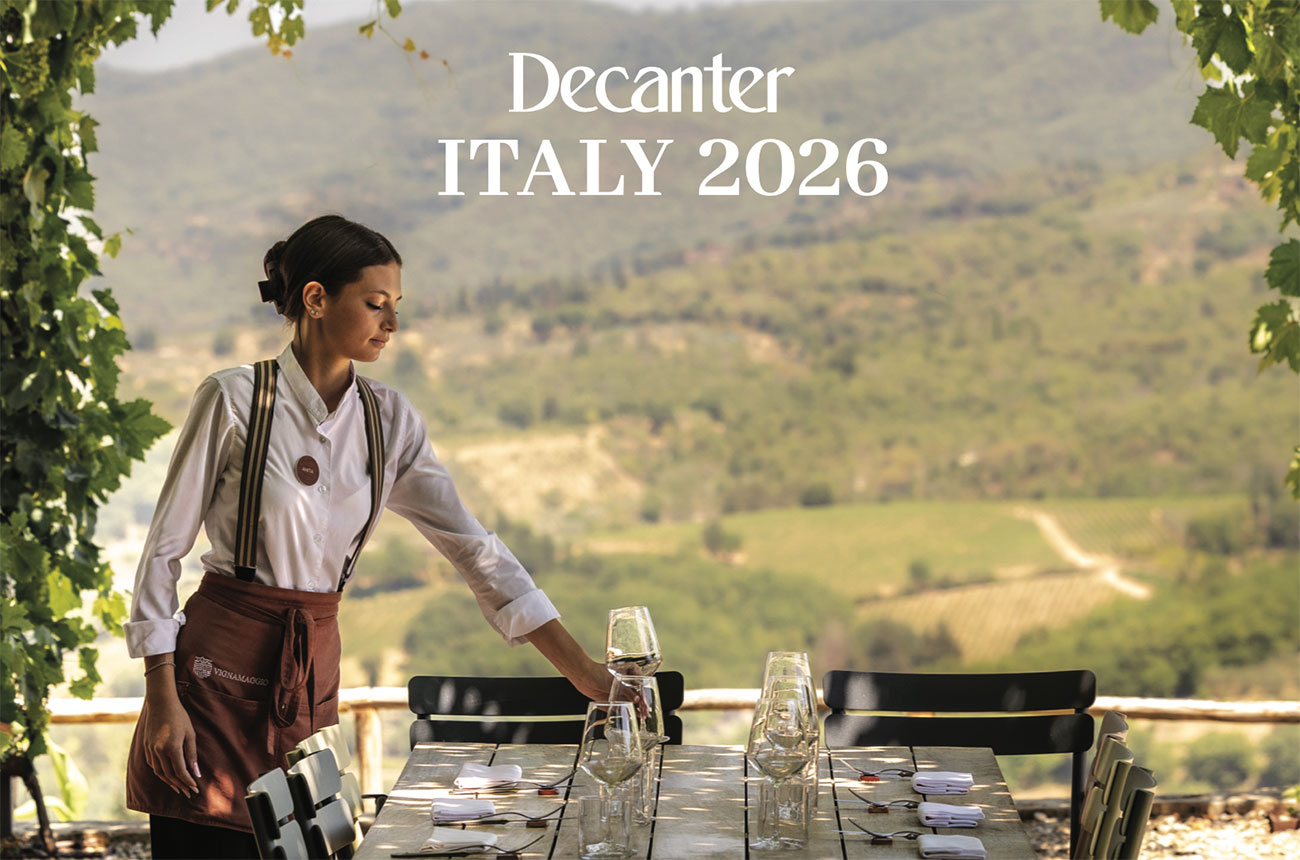
- Food & Travel: Continuously links wine with culinary experiences and travel destinations, aligning perfectly with the Italy guide’s emphasis on wine tourism, as exemplified by the image of La Fattoria restaurant at Vignamaggio farm estate in Tuscany.
- Learning: Provides educational content for all levels of wine enthusiasts, from fundamental concepts to advanced topics.
- Buying Guide: Offers practical advice, ratings, and recommendations to help readers navigate the vast world of wine purchases.
- Collecting & Investing: Caters to those interested in wine as an asset, providing insights into market trends, cellar management, and investment opportunities.
- Regulars: Encompasses staple features that keep readers engaged with ongoing news, opinions, and updates from the wine world.
Sponsored Content and Subscriptions: Expanding Horizons
The inclusion of a "Sponsored Guide: Uruguay" underscores Decanter’s global perspective and its role in introducing readers to emerging wine regions. Uruguay, though smaller in scale than its South American neighbors, is gaining recognition, particularly for its distinctive Tannat wines. This guide would likely explore Uruguay’s diverse regions, unique wine styles, and compelling travel experiences, further enriching the reader’s understanding of the global wine tapestry.
Finally, the magazine encourages readers to "Subscribe to Decanter," highlighting various plans from print to digital (Premium). This call to action emphasizes the value proposition of continuous access to expert wine reviews, ratings, news, and travel guides, all delivered directly to subscribers. The images of the magazine cover and digital devices reinforce the accessibility and comprehensive nature of a Decanter subscription, inviting readers to deepen their engagement with the world of fine wine.
The October 2026 issue of Decanter magazine thus stands as a testament to its enduring mission: to educate, inspire, and connect wine lovers with the dynamic and ever-evolving global wine landscape, from the ancient vineyards of Italy to the innovative estates of England and beyond.