admin
admin
The world of sake, a traditional Japanese fermented rice beverage, is experiencing a global renaissance, captivating palates far beyond its origins. While historically celebrated for its rich, umami-laden, and sometimes deeply savory characteristics—notes reminiscent of soy sauce, fermented tofu, miso, and the comforting aroma of freshly steamed rice—many wine enthusiasts have found these profiles challenging to reconcile with their established preferences. This initial hurdle often stems from limited exposure to the full spectrum of sake styles, particularly those that align more closely with the delicate, floral, and fruit-forward qualities often prized in fine wines. However, a vast and elegant universe of sake awaits discovery, one that boasts vibrant aromatics and a mellow sophistication perfectly poised to charm even the most discerning wine connoisseur. The key lies in understanding the intricate brewing decisions that shape sake’s diverse expressions.
The Genesis of Delicacy: Rice Polishing and the Seimaibuai
At the heart of sake’s stylistic diversity is the meticulous process of rice polishing, a technique fundamental to crafting premium aromatic sakes. Unlike typical short-grain Japanese table rice, such as that used for sushi, sake rice varieties (known as sakamai) are specifically cultivated for brewing. These grains, generally larger, often develop an opaque, starchy core called the shinpaku when steamed. This shinpaku is critical for koji mold growth and efficient fermentation, producing desirable sugars and amino acids.
The outer layers of the sake rice grain, however, contain higher concentrations of proteins, fats, and minerals. While these components contribute to the richer, more robust, and savory notes found in certain sake styles, they can also introduce less desirable flavors or heavier textures when aiming for a delicate, aromatic profile. Consequently, the more these outer layers are polished away, and the closer the brewer gets to the pure starchy core, the greater the likelihood of producing a sake with a clean, delicate, fruity, and floral character.
This degree of polishing is quantified by the Seimaibuai, or polishing ratio, which indicates the percentage of the rice grain remaining after polishing. For comparison, everyday table rice might only be polished to 90%, meaning 10% of its outer husk is removed. For ultra-premium sake, the Seimaibuai can drop below 50%, sometimes even as low as 7%, signifying that over 90% of the original grain has been polished away. This extensive milling is not merely a matter of prestige; it is a precise technical decision aimed at isolating the pure starch necessary for crafting exquisitely refined sakes.
It is crucial to understand that a higher polishing ratio (meaning less rice removed) does not inherently denote inferior quality. Rather, it represents a distinct stylistic choice, often yielding sakes with greater body, depth, and a more pronounced "ricey" character. However, for those seeking refreshing, fragrant, and fruit-forward profiles, a lower Seimaibuai (more rice polished off) is a primary indicator. Sake labels typically display this ratio, and the classification terms Ginjo (吟醸) and Daiginjo (大吟醸) directly hint at it: Ginjo sakes have a Seimaibuai of 60% or less, while Daiginjo sakes are polished to 50% or less, representing the pinnacle of aromatic refinement.
The Alchemist’s Touch: Added Alcohol (Aruten) for Aromatic Lift
Another fascinating aspect of sake production, often misunderstood by those unfamiliar with the beverage, is the optional addition of a small amount of distilled brewer’s alcohol (jozo alcohol), a technique known as Aruten. Unlike the fortification of wines, where alcohol is added to boost strength or halt fermentation, Aruten in premium sake serves a different, more nuanced purpose: to enhance and release volatile aromatic compounds.
For quality sake (specifically Tokutei Meishoshu, or "special designation sakes"), the amount of added alcohol is strictly limited to 10% or less of the weight of the polished rice used. This judicious addition, typically introduced towards the end of the fermentation process, acts as a solvent, extracting fragrant esters and other aromatic components from the moromi (fermentation mash). The result is a sake with a lighter body, a crisper texture, and a more pronounced and expressive bouquet of floral and fruity notes.
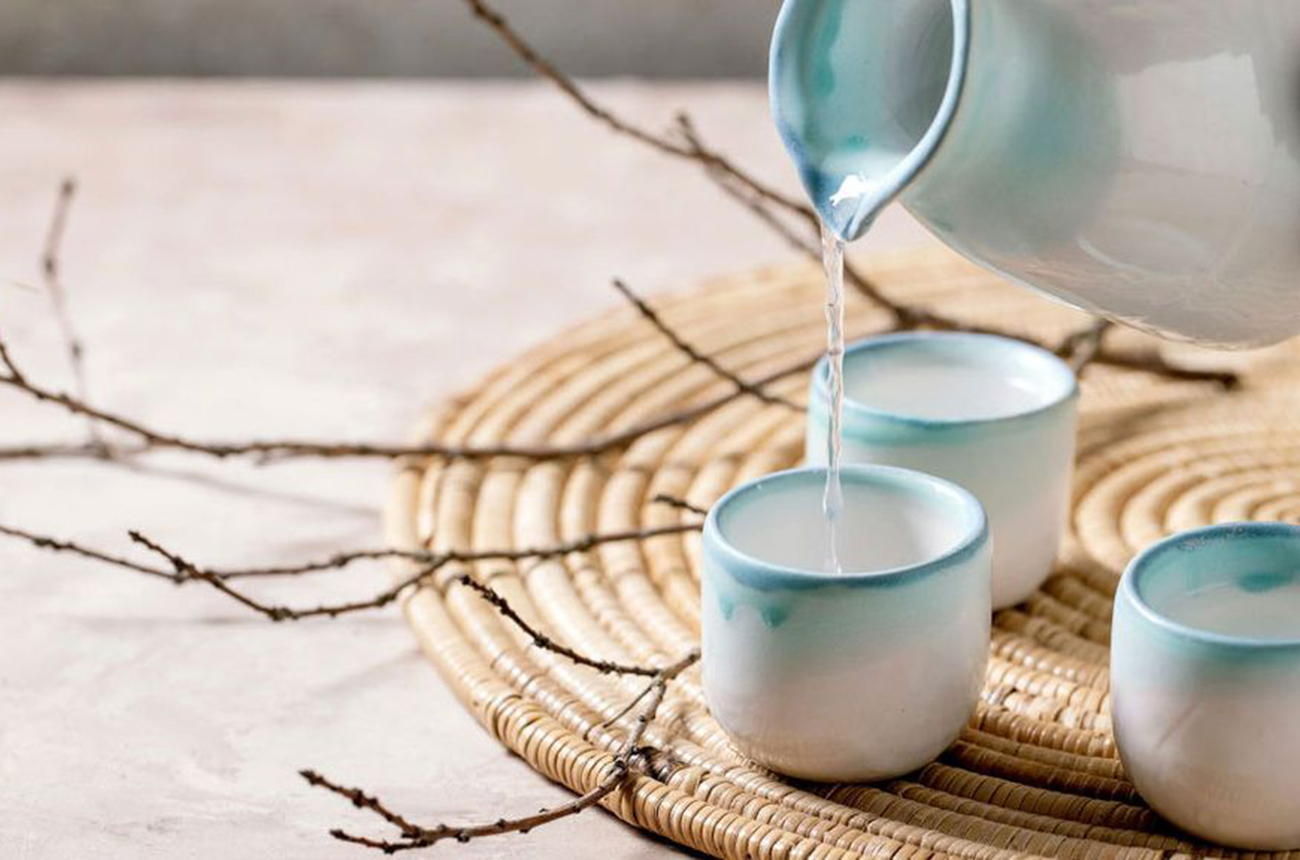
Sakes crafted with this Aruten method, particularly when combined with a low Seimaibuai (e.g., Ginjo or Daiginjo), often present with a limpid, ethereal mouthfeel. Their aromatic profiles frequently include delicate floral qualities, alongside an intriguing herbal freshness reminiscent of bamboo leaves, pine needles, or green tea. The absence of the word Junmai (純米) on a Ginjo or Daiginjo label is the subtle indication that brewer’s alcohol has been added, signaling a style that can be particularly appealing to those who appreciate the lifted aromatics of white wines.
Historically, jozo alcohol was introduced during wartime to increase sake yields due to rice shortages. However, post-war, brewers discovered its beneficial impact on aroma and texture, transforming it from a pragmatic necessity into a sophisticated stylistic tool for premium sake.
The Yeast Whisperers: Cultivating Apple and Banana Aromas
Beyond rice polishing and alcohol addition, the choice of yeast strain plays a pivotal role in shaping sake’s aromatic landscape. Just as specific yeast strains contribute distinct flavor profiles to beer and wine, sake yeasts are carefully selected and cultivated to encourage the production of desired aromatic esters. Modern brewing science has significantly advanced in this area, developing specialized yeasts that actively boost specific fruity aromas, most notably apple (attributed to ethyl caproate) and banana (from isoamyl acetate).
During sake tastings, it is common to hear brewers discuss their chosen yeast strains, often referencing "Kyokai yeasts" (yeast strains distributed by the Brewing Society of Japan), identified by specific numbers. For instance, Kyokai No. 1801 (K-1801) is renowned for its ability to produce vibrant, fruity aromas, particularly notes of green apple and pear. Other strains, such as Kyokai No. 901 (K-901), are prized for their balance and ability to yield elegant floral and fruity notes, while Kyokai No. 7 (K-7) is known for a more traditional, subdued aromatic profile. Regional yeast strains, like the "Alps Yeast" developed in Nagano Prefecture, also contribute unique characteristics, often emphasizing bright, clean fruit.
The science behind this involves manipulating yeast metabolism to favor the synthesis of these aromatic esters. For example, cerulenin-resistant yeasts have been developed specifically to boost ethyl caproate, thereby intensifying those desirable apple-like aromas. Furthermore, brewing conditions are meticulously controlled to optimize yeast performance. Cooler fermentation temperatures, akin to those employed in white wine production, are crucial for preserving and retaining these delicate, volatile fruit esters, ensuring they remain prominent in the final sake.
When evaluating sake labels, particularly if a spec sheet is available, looking for references to aromatic yeast strains like K-1801 or regional equivalents can provide valuable clues about the expected flavor profile, even before tasting. While many yeast strains can produce beautifully aromatic sakes, these specific indicators offer a reliable starting point for those seeking pronounced fruity characteristics.
Traditional Methods: Kimoto and Yamahai – A Journey for the Adventurous Palate
While the focus for wine lovers seeking fruity and floral notes leans towards specific modern techniques, it is essential to acknowledge and understand sake’s traditional fermentation methods, namely Kimoto (生酛) and Yamahai (山廃). These labor-intensive approaches, representing a rich historical lineage in sake brewing, have a devoted following among connoisseurs but can present a more adventurous territory for beginners.
Both Kimoto and Yamahai methods eschew the addition of commercially prepared lactic acid, instead relying on naturally occurring lactic acid bacteria present in the brewery environment to establish the initial fermentation starter (shubo). The Kimoto method, the oldest of the two, involves a strenuous, pole-mashing process (yama-oroshi) to manually break down the rice and koji, facilitating the activity of these natural microbes. The Yamahai method, developed as a simplification of Kimoto in the early 20th century, eliminated the pole-mashing step but retained the reliance on ambient lactic acid bacteria.
The extended development of the shubo in these methods, often taking several weeks longer than modern sokujo-moto (fast-fermentation starter) methods, allows for a more complex microbial ecosystem to evolve. This results in sakes that typically exhibit higher acidity (in sake terms, which is generally lower than wine), a more pronounced umami character, and a flavor spectrum that can lean towards richer, earthier, lactic, and sometimes even savory or subtly cheesy notes. Common descriptors include yogurt, mushroom, nuts, and a deep, multi-layered complexity.
While wine lovers are often accustomed to acidity, the accentuated savory and sometimes wild flavors of Kimoto and Yamahai sakes can be quite impactful and distinct from the fruity profiles they might initially seek. Therefore, if "Kimoto" or "Yamahai" appears on a label, even in conjunction with "Ginjo" or "Daiginjo," it signals a sake that, while potentially exquisite, warrants a cautious approach for those new to sake, ideally with a prior tasting.
Dispelling Myths: Sweetness, Nama, and Rice Variety
Several common misconceptions can cloud a wine enthusiast’s initial foray into sake. Understanding these can help clarify expectations and guide selection.
Sweetness and the Sake Meter Value (SMV/Nihonshudo): The Sake Meter Value (SMV), or Nihonshudo, is often cited as an indicator of sweetness. Counterintuitively, a negative SMV reading (-SMV) suggests a sweeter sake, while a positive reading (+SMV) indicates a drier profile. However, this metric alone is insufficient to predict a sake’s overall flavor. A sake with a high +SMV (dry) might still be rich in umami or have a broad texture, while a -SMV (sweet) sake could be intensely floral and delicate, or robust and creamy. The SMV primarily measures the specific gravity relative to water, reflecting residual sugar, but it does not account for acidity, umami, or aromatic complexity, all of which profoundly influence the perception of sweetness and overall balance. A dry sake does not automatically equate to a fruity or highly acidic one in the same way it might in wine.
Nama (Unpasteurized) Sake: The term Nama (生), literally meaning "raw," denotes unpasteurized sake. These sakes, typically served chilled, are vibrant, fresh, and often more aromatic due to the presence of active enzymes and microorganisms. They can indeed be intensely fruity and lively, offering a dynamic tasting experience. However, Nama sakes are also highly diverse; some can be rich, cereal-like, and powerful, while others are light and delicate. Their unpasteurized nature means they are more delicate and require careful refrigeration and consumption within a shorter timeframe. The "raw" descriptor, therefore, does not exclusively guarantee a fruity profile, but rather a fresh, often more robust and evolving character.
The Role of Rice Variety: While fascinating names like Yamada Nishiki, Gohyakumangoku, Omachi, and Dewasansan adorn sake labels, their influence on the final flavor profile differs significantly from grape varieties in wine. In winemaking, the grape variety is often the single most dominant determinant of flavor. In sake, however, the intrinsic qualities of the sakamai – such as grain size, the size and texture of its shinpaku, its water absorption rate, and how easily it dissolves in the fermentation mash – primarily influence the production process. These characteristics dictate how the rice should be polished, steamed, and fermented, thereby indirectly shaping the final style.
As this article illustrates, factors like the polishing ratio, the presence or absence of added alcohol, the specific yeast strains employed, water softness and mineral content, and the meticulous details chosen during the brewing process tend to exert a more direct and significant impact on the final sake’s flavor profile. While a Yamada Nishiki sake might often be associated with elegance and depth due to its excellent shinpaku and suitability for high polishing, and a Gohyakumangoku sake with a crisper, drier finish typical of its cultivation region (Niigata), these are broad tendencies rather than absolute flavor dictates. The brewer’s artistry in navigating these variables is paramount.
The Unsung Hero: Water Quality
No discussion of sake is complete without acknowledging the critical role of water. Often referred to as kihon-mizu (brewing water), it constitutes up to 80% of the final product and is a fundamental ingredient, influencing every stage of the brewing process. Japan is blessed with diverse water sources, each with unique mineral compositions.
Soft water, low in minerals, is commonly found in regions like Kyoto and Hiroshima. It leads to slower fermentation, resulting in sakes that are typically softer, smoother, and more delicate on the palate, often emphasizing subtle aromatic nuances.
Hard water, rich in minerals like potassium, magnesium, and calcium, is characteristic of regions like Nada (Kobe). These minerals act as nutrients for yeast and koji, promoting vigorous and faster fermentation. Sakes made with hard water tend to be more robust, full-bodied, and often drier, with a more pronounced, sometimes sharper finish.
The interplay between water quality, rice variety, polishing, yeast, and fermentation techniques underscores the intricate craftsmanship involved in sake production. This complex synergy is what allows sake to express such a vast array of styles, from the deeply savory to the exquisitely floral and fruity.
The Global Rise of Sake and Its Future
In recent decades, sake has transcended its traditional Japanese context to become a beverage of international acclaim. This growing global appreciation is fueled by increased accessibility, the rise of sake sommeliers and educators, and a greater understanding of its versatility and food-pairing potential. Brewers are actively innovating, developing styles tailored to appeal to diverse palates, including those accustomed to wine. The emphasis on aromatic, elegant sakes, often presented chilled in wine glasses, is a strategic move to bridge the gap and invite new enthusiasts. The implication for the industry is a promising expansion into new markets, challenging preconceived notions and solidifying sake’s position as a sophisticated beverage alongside the world’s finest wines and spirits.
For wine lovers, the journey into sake is an invitation to explore a parallel universe of fermented beverages, one that offers familiar aromatic pleasures alongside unique textural and umami depths. With a basic understanding of polishing ratios, yeast influences, and the role of added alcohol, selecting a sake that resonates with a preference for fruit and floral notes becomes an exciting and rewarding endeavor.
Spotting the Fruity Sake: Eight Recommendations for Exploration
To facilitate this exploration, here are eight exemplary sakes that showcase delicate fruit and floral characteristics, offering a perfect entry point for wine enthusiasts. Each selection highlights specific attributes discussed, providing a tangible reference for newfound knowledge.
-
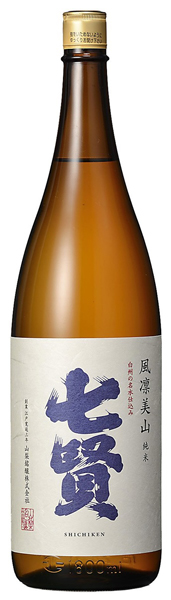
Shichiken, Furin Bizan Junmai (七賢「風林美山」純米)
- Polishing ratio: 70%, Alc 15%
- Profile: A delightful bouquet of green apple, pineapple, and banana peel. The palate offers a lovely richness and melon roundness, complemented by subtle notes of yoghurt and cream. This Junmai offers a fuller body with approachable fruit.
- Availability: £24.95 at Ministry of Drinks
-
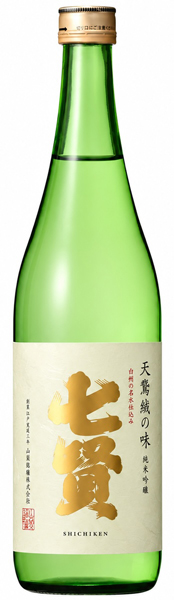
Shichiken, Junmai Ginjo (七賢「天鵞絨の味」純米吟醸)
- Polishing ratio: 60%, Alc 15%
- Profile: Crafted with Yume Sansui rice, this sake presents elegant white fruits and green apples on the nose. The palate is polished with a hint of spice and subtle red berry notes, enveloped in a velvety creaminess leading to a savory finish.
- Availability: £28.5 at N.D.John
-
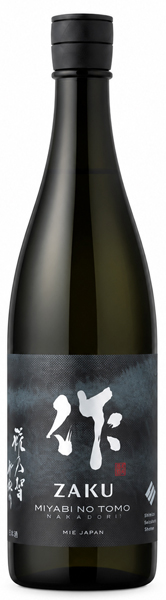
Zaku Miyabi no Tomo (作「雅乃智」)
- Polishing ratio: 50%, Alc 15%
- Profile: A bright, appealing nose of citrus pith and banana bread. Rounded and limpid on the palate with flavors of white peach and honeydew melon. A deeper steamed rice character emerges, leading to a clean finish.
- Availability: £43 at Mai Sake
-
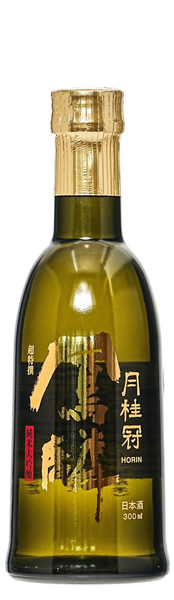
Gekkeikan, Horin Junmai Daiginjo (月桂冠「鳳麟」純米大吟醸)
- Polishing ratio: 50%, Alc 16%
- Profile: This sake boasts a brilliantly fragrant nose of citrus, golden apple, and freshly peeled banana. The soft, creamy palate reveals more banana porridge and green melon, lifted by gentle acidity and concluding with a clean finish.
- Availability: £15 for 300ml at Japan Centre
-
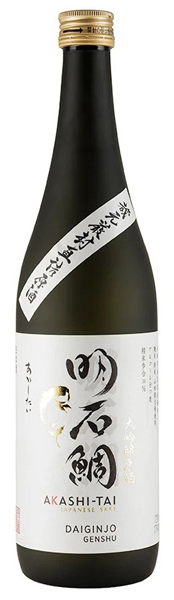
Akashi-Tai, Daiginjo Genshu (明石鯛大吟醸原酒)
- Polishing ratio: 38%, Alc 17%
- Profile: "Genshu" indicates this sake is undiluted. It offers notes of green melon, fresh lime, and a subtle hint of bamboo. The palate is crisp and slightly peppery with elevating acidity, balanced by a mellow and sweet finish.
- Availability: £42.50 at Master of Malt
- Also try: Akashi-Tai’s Junmai Daiginjo Genshu for comparison, available at Lea & Sandeman for £26.95.
-
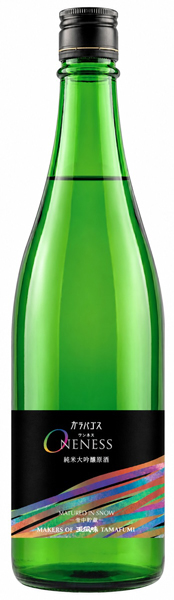
Tamagawa, Galapagos Oneness Junmai Daiginjo (玉川純米大吟醸「ガラパゴス ONENESS」)
- Polishing ratio: 50%, Alc 16%
- Profile: Aged under snow for unique character, this newly released Junmai Daiginjo features a perfumed nose of mango, sliced green apple, and green melon, underpinned by notes of rice pudding. It presents lovely acidity on a peppery palate, culminating in a crisp finish.
-
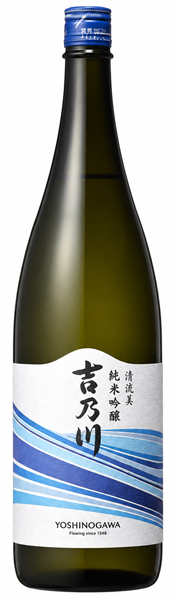
Yoshinogawa, Seiryubi Junmai Ginjo (吉乃川「清流美」純米吟醸)
- Polishing ratio: 60%, Alc 15%
- Profile: Crafted using Gohyakumangoku rice in Niigata Prefecture, known for its clean style. It offers a gentle and elegant nose of green apple and star fruit. Crisp and linear on a dry, savory palate, finishing clean and short, true to its regional heritage.
-
Tenzan, Shichida Junmai Daiginjo (天山酒造「七田」純米大吟醸)
- Polishing ratio: 45%, Alc 16%
- Profile: A perfumed nose of white blossom, lychee, and yogurt. The palate is mellow and silky, featuring sour cream, melon, and zesty freshness, with a subtle savory undertone. This sake is extremely food-friendly, balancing fruit with complexity.
Kanpai!