admin
admin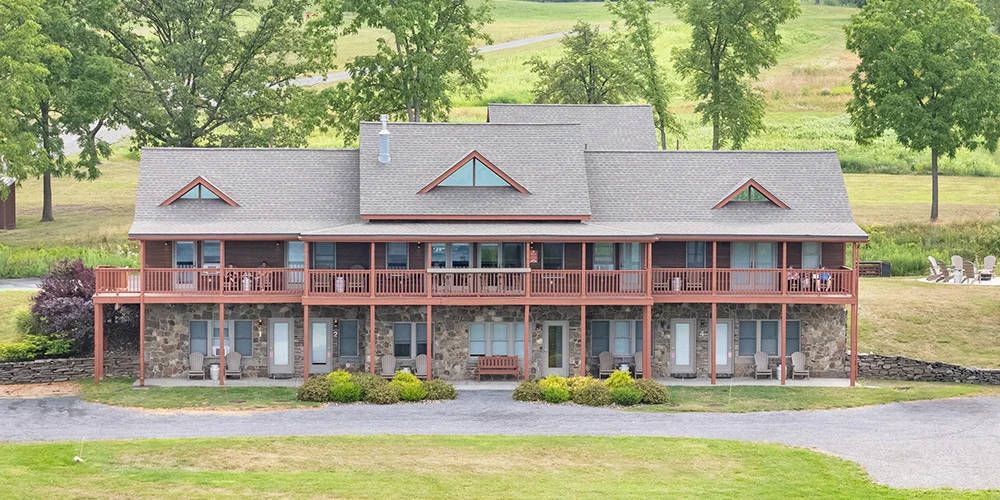
Across the United States, a significant shift in the craft beer industry is transforming the traditional taproom model into a comprehensive hospitality experience. Brewers are increasingly diversifying their portfolios by converting historic buildings, rustic barns, and serene lakeside bungalows into boutique accommodations. This movement, colloquially known as the "beercation," allows brands to move beyond the transactional nature of a pint and toward a full-fledged lifestyle immersion. From the rugged cliffs of the Columbia River Gorge to the alpine slopes of Vermont, these brewery-led lodging initiatives represent a strategic evolution in how craft brands connect with their consumer base.
The Evolution of Beer Tourism and Market Context
The transition from simple tasting rooms to immersive resorts is not merely an aesthetic choice but a calculated response to a maturing craft beer market. According to data from the Brewers Association, while the number of operating craft breweries in the U.S. has climbed to over 9,500, the industry has faced headwinds including rising production costs and shifting consumer habits. In this competitive landscape, brand loyalty is no longer driven solely by the liquid in the glass. Today’s consumers, particularly Millennials and Gen Z, prioritize "experience-driven" spending.
Industry analysts suggest that by offering overnight stays, breweries can extend the "customer lifecycle" from a 45-minute visit to a 48-hour immersion. This allows breweries to act as storytellers, using architecture, interior design, and curated hospitality to reinforce their brand ethos. For many independent brewers, lodging serves as a vital secondary revenue stream that remains resilient even when wholesale distribution faces challenges.
Case Study: Cabin Culture and the Pacific Northwest
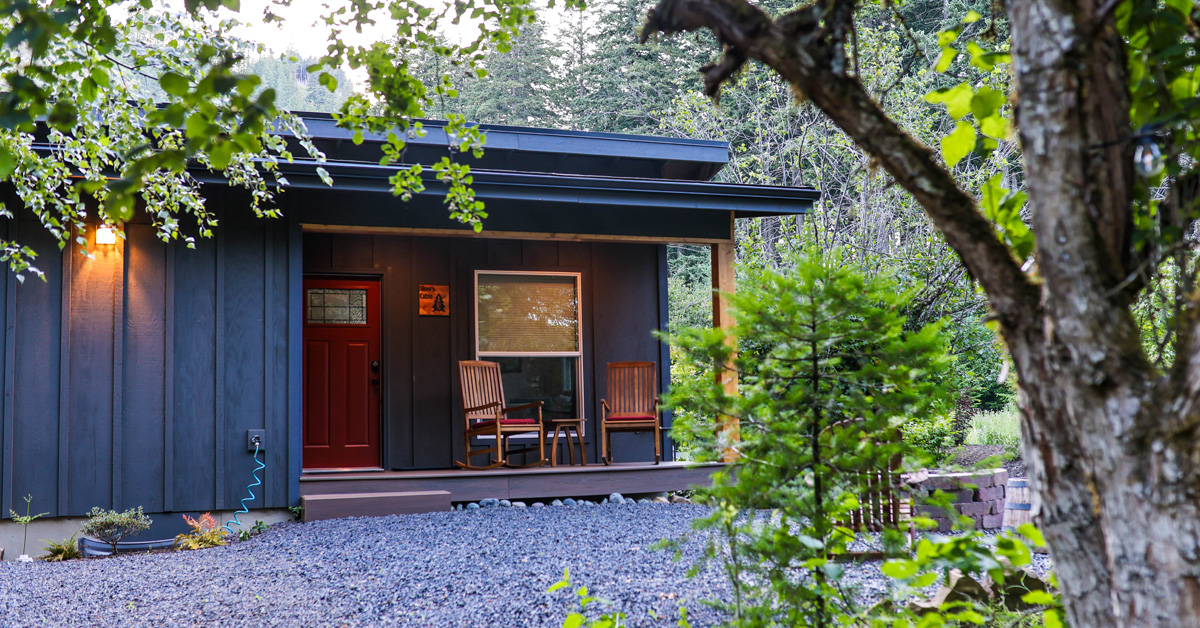
In Carson, Washington, Backwoods Brewing Company exemplifies this shift toward integrated hospitality. Located approximately one hour from Portland and three hours from Seattle, the brewery has long been a staple of the Columbia River Gorge. However, the introduction of the Backwoods Cabins has fundamentally altered the company’s business model.
The Waters family, who founded the brewery, recognized that the natural beauty of the Gorge—characterized by forested hills and rugged cliffs—offered a unique backdrop for a retreat. Steve Waters, CEO of Backwoods Brewing, notes that the cabins were designed to reflect the region’s outdoor culture. The eight luxury-leaning cabins are themed after local activities, such as the "Hiker’s," "Kayaker’s," and "Stargazer’s" units.
The design philosophy bridges the gap between "cabin-core" aesthetics and high-end comfort, featuring gas fireplaces, leather armchairs, and 600-thread-count linens. Strategic branding is integrated into the guest experience through subtle touches, such as hops-scented spa soaps and the ability for guests to pre-order a curated mix of the brewery’s latest releases, including the Party Acres Hazy IPA and the Ridge Run Oatmeal Stout. This model turns the brewery into a destination anchor for regional tourism, encouraging longer stays and higher per-capita spending.
Heritage and the Alpine Tradition in Vermont
While some breweries are building new structures, others are leveraging deep historical roots. The von Trapp Family Lodge in Stowe, Vermont, represents one of the most established examples of integrated beer and hospitality in the country. Founded by the family made famous by The Sound of Music, the 2,600-acre resort was a hospitality destination long before it became a brewing powerhouse.
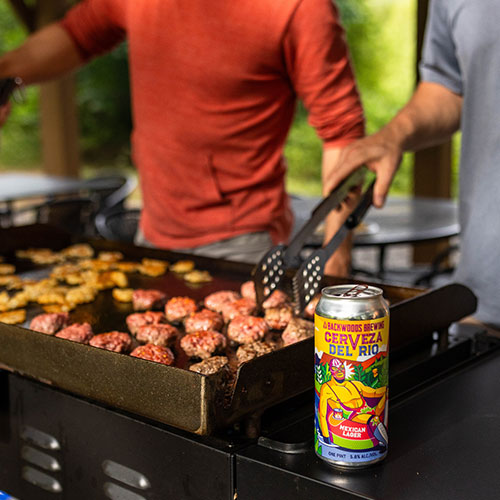
The brewery was established by Johannes von Trapp, who sought to recreate the crisp, refreshing lagers of his European heritage. Emily Provost, marketing manager for von Trapp Brewing, emphasizes that the brewery is intrinsically linked to the land, utilizing natural spring water from the property.
The resort’s "Bierhall" serves as a central hub where Austrian-inspired cuisine—such as schnitzel and house-made bratwurst—is paired with award-winning Helles and Kölsch-style ales. By offering guided brewery tastings and snowshoe tours led by family members, the von Trapps have created a model where history, nature, and zymurgy coexist. This vertical integration allows the brand to command a premium, positioning the beer not just as a beverage, but as a component of a historic alpine lifestyle.
Innovative Design and Branding in the Finger Lakes
In Watkins Glen, New York, Grist Iron Brewing took a "lodging-first" approach to its development. When the current owners scouted the location, the presence of existing guest rooms on the property was a primary selling point. Today, The Lodge at Grist Iron serves as a premier destination in the Finger Lakes region, blending rustic-modern design with hyper-focused branding.
The rooms at Grist Iron are notable for their specific attention to "beer culture" details. Beyond the sweeping lake views and black-and-white brewing murals, each bathroom features a built-in shower ledge specifically designed to hold a "shower beer." While seemingly a minor detail, industry experts point to such features as masterstrokes of "micro-branding" that resonate deeply with craft beer enthusiasts.
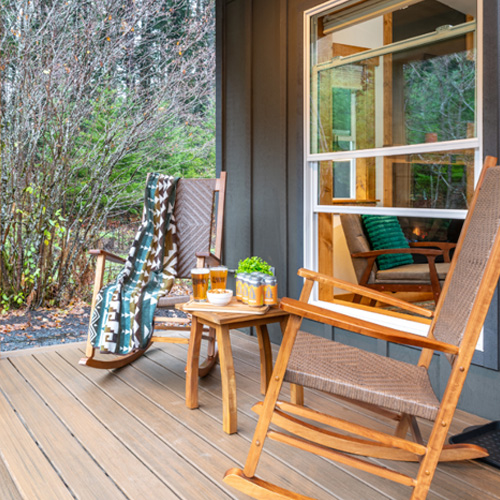
The brewery has further expanded its "resort" status with the addition of Beer Mountain, which includes a disc golf course and a dog park featuring an on-site "Woof Top" bar. Emily Knowlden, the brewery’s marketing coordinator, observes that these amenities encourage guests to linger longer and engage more deeply with the staff, fostering a sense of community that traditional retail environments cannot replicate.
Adaptive Reuse and Urban Boutique Stays
The trend is not limited to rural or scenic landscapes. In the Pacific Northwest, McMenamins has become a leader in the "adaptive reuse" of historic urban structures. By transforming former schools, churches, and lodges into eclectic hotel-brewery hybrids, McMenamins has preserved local history while creating a unique hospitality niche. Their properties are famous for secret bars, "speakeasy" corridors, and rooms decorated with original art that reflects the building’s past.
Similarly, in Fargo, North Dakota, Drekker Brewing has launched the Brewhalla Crash Pad. This boutique hotel takes a more modern, "maximalist" approach to branding. Each room is themed after a specific Drekker beer label. For instance, the Mind Bullets suite—named after a zesty sour IPA—features psychedelic murals, industrial ductwork, and polished concrete floors. This approach appeals to a younger demographic that values "Instagrammable" environments and direct brand interaction.
The Broader Economic Impact and Future Outlook
The expansion of breweries into the lodging sector has significant implications for local economies. In many cases, these brewery-hotels become the primary drivers of tourism in small towns or rural areas. By providing high-quality accommodations, breweries increase the "overnight stay" capacity of their regions, which benefits other local businesses, from restaurants to outdoor outfitters.
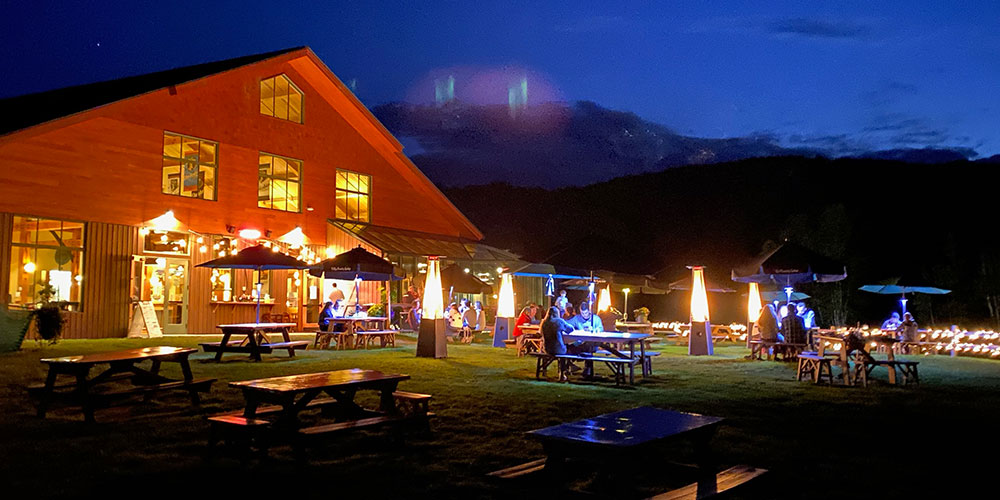
From a regulatory and logistical standpoint, the move into hospitality requires breweries to navigate complex zoning laws and hospitality management standards that differ significantly from manufacturing and taproom operations. However, the data suggests the investment is paying off. Destinations like the Commerce Street Brewery Hotel in Wisconsin or the Calistoga Inn in California report high occupancy rates driven specifically by beer-focused travelers.
As the craft beer industry continues to navigate a crowded market, the "beercation" model offers a blueprint for sustainable growth. By diversifying their offerings and creating physical spaces where consumers can "live the brand," breweries are securing their place in the broader travel and leisure industry.
Conclusion: A New Standard for Craft Hospitality
The rise of brewery stays represents the maturation of the American craft beer movement. No longer content with merely producing high-quality liquid, brewers are now architects of experience. Whether it is through the quiet luxury of a PNW cabin, the historic grandeur of a Vermont lodge, or the quirky industrialism of a Fargo boutique hotel, these destinations offer a level of engagement that traditional hospitality chains cannot match.
For the modern traveler, the draw is clear: the opportunity to stay at the source, where the beer is brewed just steps from the bed and the story of the brand is woven into every aspect of the stay. As this trend continues to grow, it is likely that the "brewery-resort" will become a standard fixture of the American tourism landscape, further cementing the role of craft beer as a cornerstone of contemporary culture and community.