admin
admin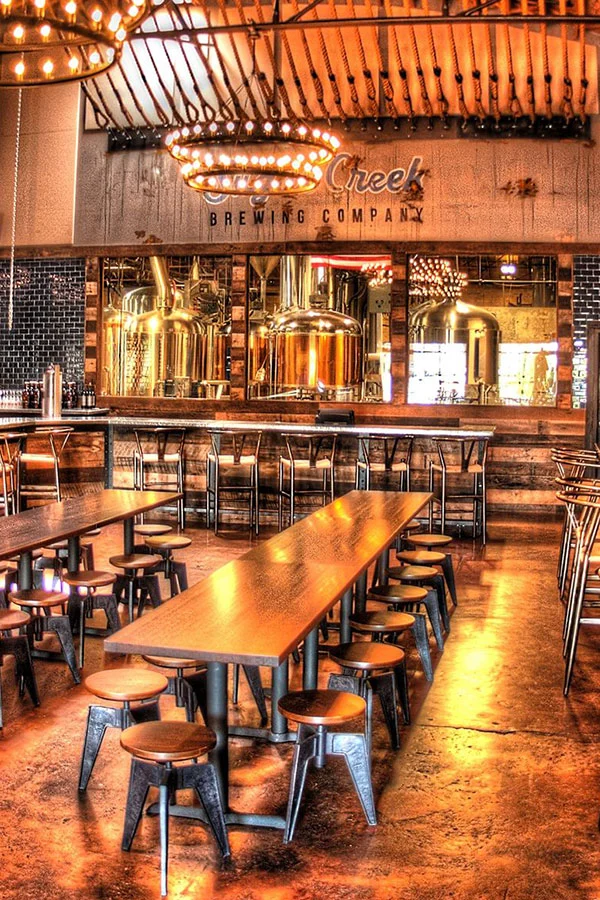
Artificial intelligence has emerged as one of the most relevant technological, social, and economic phenomena of the decade, reshaping sectors from military intelligence-gathering and autonomous transportation to the intricacies of the culinary arts. Within the United States, the craft brewing industry—a sector traditionally rooted in manual labor, artisanal intuition, and centuries-old traditions—is increasingly turning to machine learning to solve modern logistical challenges and push the boundaries of flavor profile development. While AI has frequently been framed as a potential threat to job security, early adopters in the brewing world suggest that the technology serves less as a replacement for human brewers and more as a "creativity enhancement" and operational optimizer.
The integration of high-tech solutions into the $28.9 billion American craft beer market comes at a critical time. As the industry faces plateauing growth and increased competition, breweries are seeking ways to reduce waste, ensure consistency, and capture consumer interest through novel recipes. This transition from "analog" brewing to data-driven production is manifesting in two primary ways: the optimization of back-end operations and the experimental generation of new liquid products.
Precision and Quality Control: The Operational Foundation
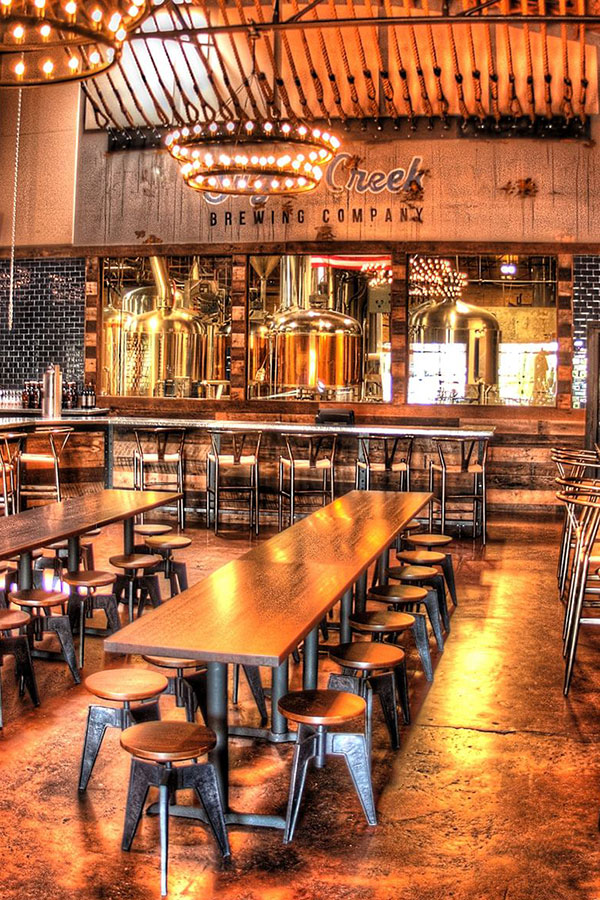
The first wave of AI integration in brewing focused on the "cold side" of production—packaging, quality assurance, and logistics. Sugar Creek Brewing Company in Charlotte, North Carolina, serves as a primary case study for this transition. By utilizing a network of Internet of Things (IoT) devices and AI-driven monitoring systems, the brewery tracks granular data points during the packaging process, including temperature, fill levels, and foam levels.
In traditional settings, excessive foaming during the bottling process—often referred to as "breakout"—can lead to significant product loss and oxygen ingress, which compromises the shelf life and flavor of the beer. By employing AI to analyze pressure and temperature in real-time, Sugar Creek can identify the exact variables leading to waste. This data-driven approach allows for immediate mechanical adjustments that human operators might miss, significantly increasing efficiency and protecting the brewery’s bottom line.
Beyond the bottling line, AI is being used to predict demand and manage complex supply chains. As craft breweries scale, the management of perishable ingredients such as hops and yeast becomes a logistical hurdle. Machine learning models can now analyze historical sales data alongside local event calendars and weather forecasts to predict which styles of beer will be in high demand, allowing brewers to optimize their production schedules and reduce the risk of unsold inventory.
The Rise of the AI-Generated Recipe
While operational efficiency provides a stable foundation, the most visible shift in the industry involves the use of Large Language Models (LLMs) and custom machine learning algorithms to design new recipes. Several American breweries have recently released "AI-IPAs," utilizing platforms like OpenAI’s ChatGPT to determine grain bills, hop additions, and water chemistry.
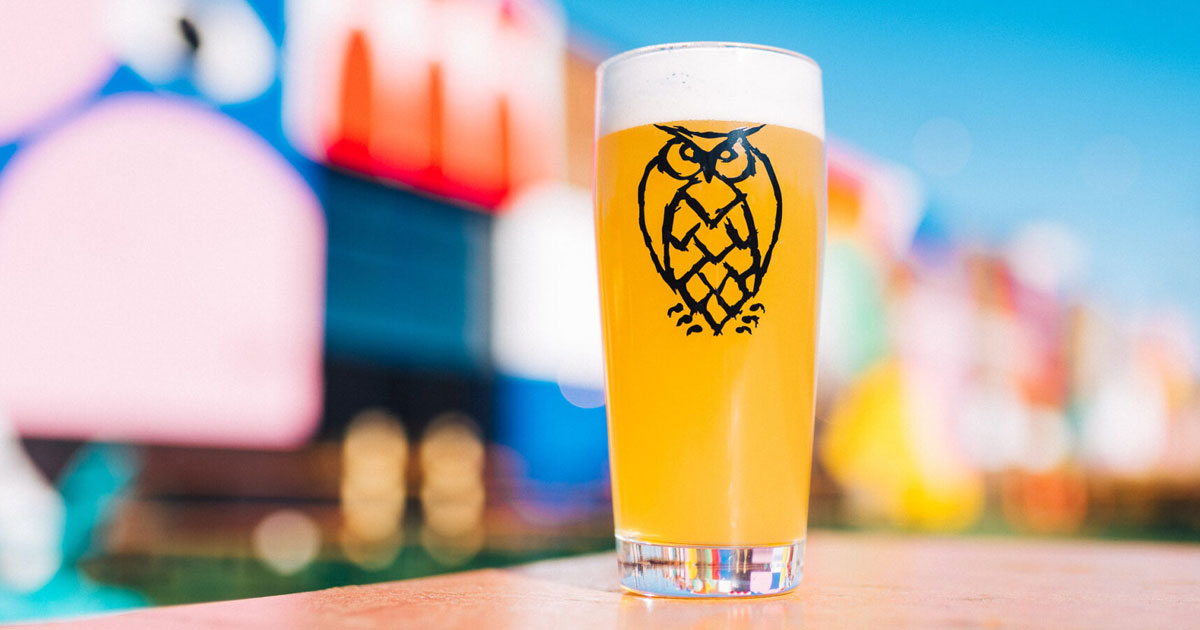
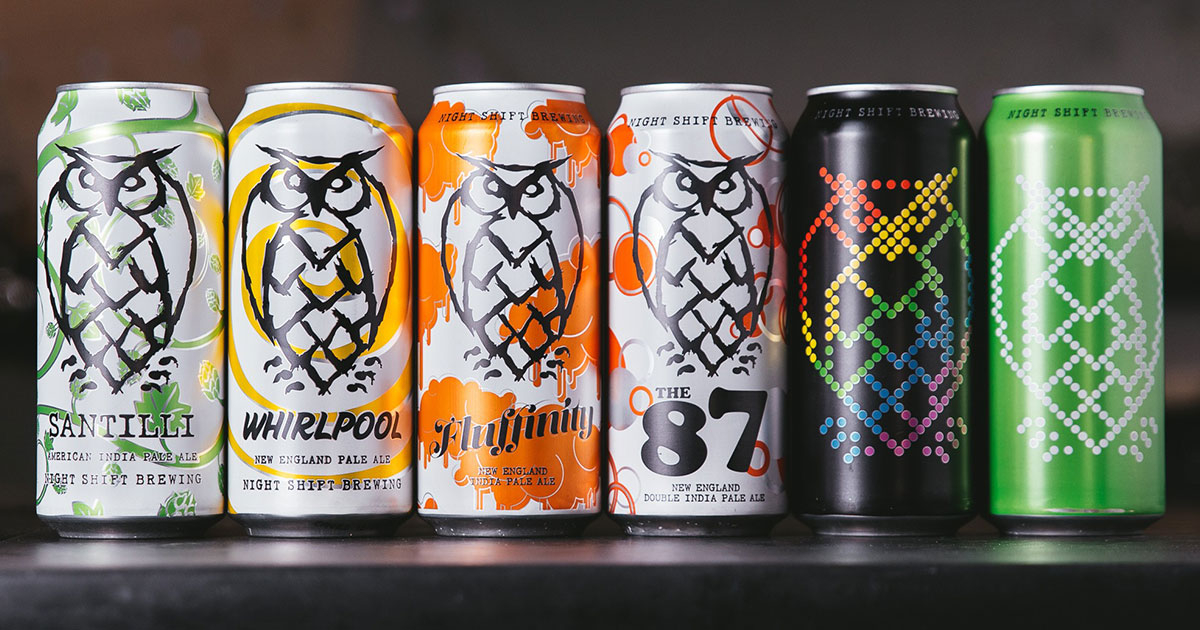
Night Shift Brewing in Boston, Massachusetts, recently experimented with ChatGPT to develop a hazy IPA. Michael Oxton, the brewery’s co-founder, noted that the AI was capable of producing a comprehensive recipe, including a specific water profile—the mineral content of the brewing water which significantly impacts the final mouthfeel and hop expression. According to Oxton, developing such a profile manually often requires weeks of research and iterative testing; the AI produced a viable starting point in minutes.
The resulting beer, dubbed "AI-PA," featured a complex profile of mango, watermelon, and citrus. However, the process was not entirely autonomous. The brewing team had to adjust the AI’s suggestions based on ingredient availability and practical equipment limitations. This collaborative dynamic—where the AI provides a "rough draft" and the human brewer refines the nuances—has become the standard operating procedure for breweries exploring the tech, including Asbury Park Brewery in New Jersey, Atwater Brewing in Detroit, and Urban Forest Craft Brewing in Illinois.
Beyond LLMs: Custom Neural Networks and Species X
While many breweries use off-the-shelf AI like ChatGPT, some industry innovators have pursued more sophisticated, bespoke solutions. The now-closed Species X Beer Project, founded by Beau Warren, represented the vanguard of this movement. Warren, whose background spans beer microbiology and data analytics, developed a proprietary system involving seven different AI models to create what he called the "Silicon Species" of beers.
Unlike a general-purpose LLM, Warren’s models utilized regression analysis and neural networks trained on proprietary data. These models were fed information on water chemistry, yeast behavior, hop alpha-acid levels, and historical customer reviews. The goal was to teach the machine the parameters of a "highly rated" beer.
One of the most significant outputs of this system was an amber lager brewed with 100% Maris Otter malt—a grain usually reserved for English ales and stouts. The AI’s suggestion to use this malt for a clean-fermenting lager was considered unconventional, yet it resulted in a commercially successful, well-balanced product. Another creation, a "Beh3moth" imperial pastry Baltic porter, combined twelve types of malt, marshmallows, lactose, coffee, and fruit, then dry-hopped the mixture like a New England IPA. Warren noted that the complexity of such a recipe would be nearly impossible for a human to conceptualize without the aid of a machine capable of processing thousands of flavor permutations simultaneously.
Microbiology and the AI Assistant
The influence of AI extends into the microscopic realm of brewing through yeast management. Propagate Lab, a Colorado-based yeast propagation facility, introduced "Yeast Buddy," an AI chatbot designed to help brewers navigate a database of over 120 yeast strains.
Yeast is arguably the most critical component of beer, responsible for both alcohol production and the creation of esters and phenols that define a beer’s aroma. However, many brewers default to "house strains" due to the complexity of testing new varieties. Yeast Buddy acts as an automated consultant, filtering through parameters such as attenuation (how much sugar the yeast consumes), flocculation (how quickly the yeast settles), and flavor output to suggest the optimal strain for a specific project. Matthew Peetz, founder of Propagate Lab, compares the tool to a calculator: it doesn’t do the brewing, but it prevents the human error associated with navigating massive datasets.
A Chronology of AI Integration in Brewing
The timeline of AI in the beer industry shows a rapid acceleration of adoption over the last five years:
- 2016–2018: Early experiments with AI-driven quality control and sensor technology (IoT) begin in larger regional breweries.
- 2019–2021: Smaller craft breweries start utilizing data analytics for sales forecasting and supply chain management.
- 2022: The public release of advanced LLMs allows brewers to begin experimenting with recipe generation for the first time.
- 2023: A wave of "AI-IPAs" hits the market, with breweries like Night Shift and Atwater gaining national attention for their machine-assisted brews.
- 2024: Development of specialized AI tools like Yeast Buddy and the emergence of data-first brewing projects like Species X.
The Human Element: Guardrails and Sensory Limits
Despite the technological milestones, industry experts remain adamant that AI is not poised to replace the head brewer. The primary limitation of current AI models is the lack of a sensory interface; a machine can analyze the chemical composition of a beer, but it cannot "taste" the final product or understand the cultural context of a "sessionable" brew.
Furthermore, AI models require "guardrails" to remain within the laws of physics and the limitations of brewing hardware. Without human intervention, an AI might suggest a mash thickness that would clog a lauter tun or a fermentation temperature that would kill the yeast. As Beau Warren emphasized, humans are required to feed the models new training data; otherwise, the AI remains trapped in a loop of past trends, unable to innovate beyond its initial programming.
Broader Implications and Industry Outlook
The future of AI in craft beer likely lies in its ability to democratize expertise. For a novice brewer, an AI assistant can provide the technical knowledge of a veteran with decades of experience. For the established brewmaster, it offers a way to break through creative plateaus and explore "left field" ingredient combinations that tradition might discourage.
However, the technology is not a panacea for the economic challenges facing the industry. The closure of Species X Beer Project shortly after its launch serves as a reminder that even the most advanced technology cannot fully insulate a business from the pressures of rising rent, ingredient costs, and shifting consumer habits.
As the industry moves forward, the "digital pint" will likely become a standard part of the brewing landscape. The integration of AI represents a new chapter in the history of beer—one where the intuition of the artisan is augmented by the processing power of the machine, ensuring that the next "insane" recipe is just a prompt away. For now, the consensus among industry leaders is clear: AI is a powerful tool, but the soul of craft beer remains firmly in human hands.