admin
admin
Beyond the familiar squeeze of ketchup or squirt of mustard lies a universe of flavor possibilities for the humble hot dog. Across continents and within diverse culinary landscapes, the frankfurter has transformed from a simple backyard staple into a celebrated vessel for local tastes and traditions. From the spiced meat sauces of the East Coast to the vibrant, fresh toppings of the Southwest, and the fusion creations that span international borders, the hot dog serves as a testament to global culinary ingenuity. This exploration delves into the rich tapestry of hot dog preparations, showcasing how this approachable food item has become a canvas for regional identity and gastronomic creativity.

A Spectrum of Toppings: Regional Delights and Global Twists
The seemingly simple hot dog offers a remarkable platform for culinary expression. Its universal appeal lies in its adaptability, allowing cooks worldwide to infuse it with their unique regional flavors. What might be considered a basic condiment in one locale can be the foundation for an elaborate creation elsewhere. This versatility has led to a fascinating array of hot dog styles, each with its own story and devoted following.
Rhode Island’s "Hot Wieners": A Symphony of Savory and Spice
In Providence, Rhode Island, the "Hot Wiener" stands as a beloved local icon. This isn’t just a hot dog; it’s an experience defined by its specific assembly, affectionately known by locals as "all the way." The foundation is a generously sized wiener, often deep-fried or grilled to a perfect snap, nestled in a soft, steamed bun. The true magic, however, lies in its signature toppings. A rich, warmly spiced meat sauce, simmered to perfection, generously blankets the dog. This is followed by a bright, tangy drizzle of yellow mustard, offering a sharp counterpoint to the savory sauce. Finely chopped white onion adds a crisp textural element and a subtle bite, while a final, crucial dusting of celery salt provides a unique aromatic finish that is quintessentially Rhode Island. The combination is a harmonious blend of textures and flavors, a testament to how a few carefully chosen ingredients can elevate a simple dish into a regional specialty.

The Sonoran Dog: A Southwest Fiesta in a Bun
Venturing west to the American Southwest, particularly Arizona, we encounter the vibrant Sonoran Dog. This culinary masterpiece is a celebration of fresh, bold flavors and satisfying textures. The process begins with a plump hot dog, often wrapped in crispy bacon and pan-fried until golden and slightly charred, imparting a smoky depth. This savory core is then cradled in a soft, bolillo-style roll, chosen for its ability to absorb the accompanying flavors without becoming soggy. The Sonoran Dog is then piled high with a medley of meticulously prepared toppings. Sautéed onions, sweet and caramelized, offer a soft sweetness. Freshly diced onion adds a pungent crunch. Creamy avocado provides a rich, buttery element, while diced tomatoes bring a burst of freshness. The crowning glory is a homemade jalapeño sauce, delivering a delightful kick of heat that balances the richness of the other ingredients. The Sonoran Dog is more than just a meal; it’s a sensory experience that encapsulates the vibrant culinary spirit of its region.
Los Angeles’ "Danger Dogs": A Street Food Sensation with Celebrity Flair
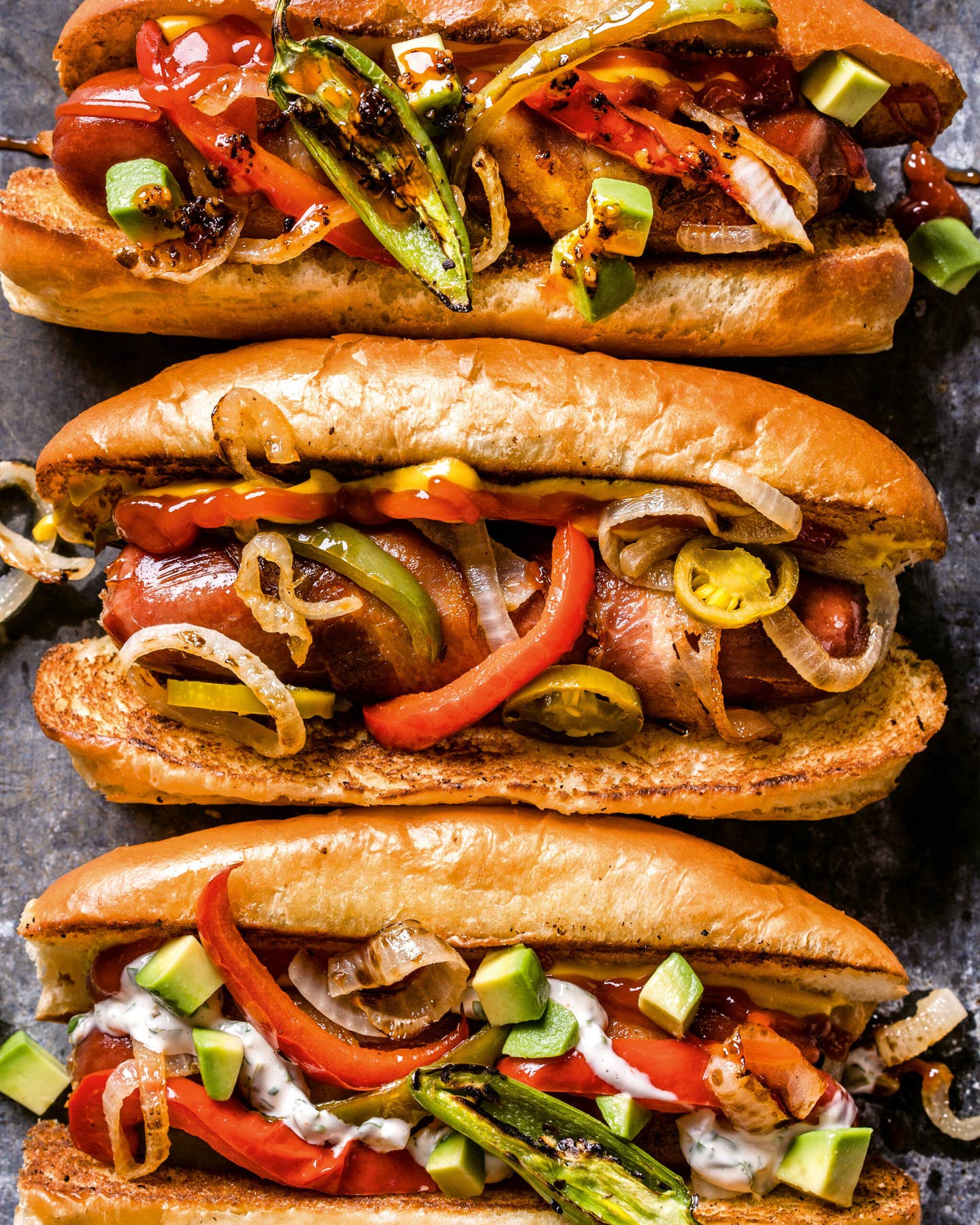
Los Angeles is renowned for its diverse and dynamic street food scene, and the "Danger Dog" is a shining example of its innovative spirit. Often found sizzling on griddles outside major sporting events and bustling thoroughfares, these hot dogs have become a cultural phenomenon. The foundation is typically a bacon-wrapped frankfurter, pan-fried to achieve a delightful crispness. This is then crowned with a generous portion of sweet, caramelized peppers and onions, offering a soft, savory sweetness that melds beautifully with the smoky bacon. For those seeking an extra thrill, charred jalapeños are often added, providing a potent and exhilarating level of heat. This beloved L.A. street food has even garnered the attention of culinary personalities, with actor and restaurateur Danny Trejo offering his own popular rendition, further cementing the Danger Dog’s status as an iconic West Coast treat. The combination of smoky, sweet, and spicy creates an addictive flavor profile that keeps Angelenos and visitors alike coming back for more.

Korean Corn Dogs: A Sweet and Savory Global Fusion
The evolution of the hot dog extends across the Pacific to Korea, where a fascinating fusion has emerged: the Korean Corn Dog. This street food sensation draws inspiration from the American hot dog but infuses it with distinctly Korean flavors and textures. The traditional American corn dog, a hot dog coated in a cornmeal batter and deep-fried, has been reimagined with a chewy, stretchy mozzarella cheese filling that often encases the hot dog itself. The dogs are then coated in a crisp panko batter, ensuring a satisfying crunch with every bite, and fried to a perfect golden hue. A final flourish of granulated sugar dusted over the top adds an unexpected but delightful sweet contrast to the savory dog and cheese. Drizzles of ketchup and mustard provide familiar, comforting notes, creating a complex and addictive sweet-and-savory experience that has taken the global food scene by storm. This innovation highlights the dynamic nature of culinary exchange, where established favorites are reinterpreted through new cultural lenses.
Southern Hot Links with Chow Chow: A Barbecue Essential
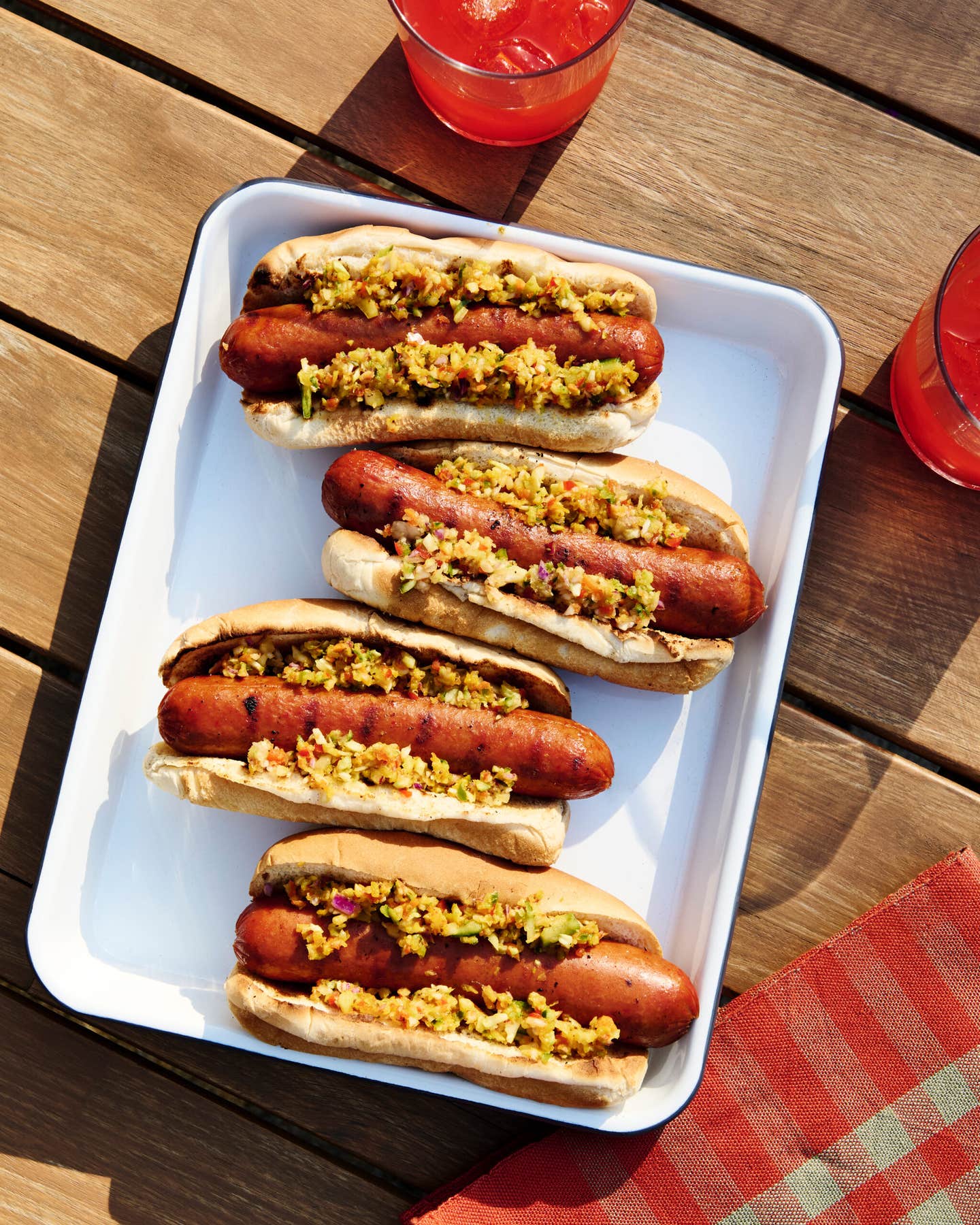
In the American South and extending into Texas, "hot links" are a staple of barbecue culture. These smoky, slightly spiced sausages are a cornerstone of cookouts and a perfect accompaniment to classic barbecue fare. While delicious on their own, their culinary potential is amplified when paired with "chow chow," a traditional Southern relish. This tangy, vinegary condiment, typically made from a medley of pickled vegetables like cabbage, peppers, and onions, provides a bright, acidic counterpoint to the rich, smoky flavor of the hot link. The crunchy texture of the chow chow also adds a welcome textural contrast. This pairing is a perfect example of how regional traditions can enhance and complement each other, creating a deeply satisfying and authentic taste of the South.
Choripán: Argentina’s Grilled Chorizo Sandwich
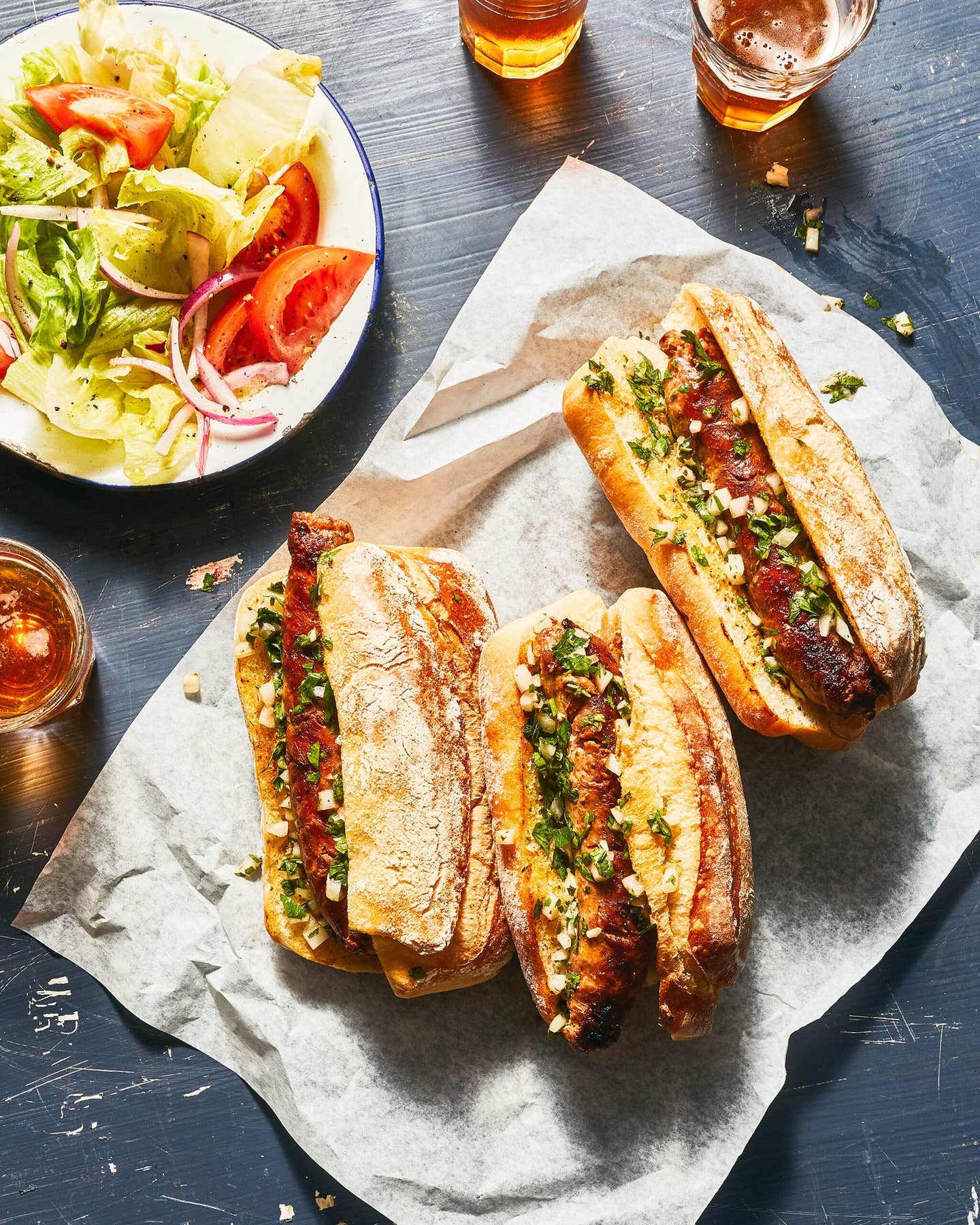
While the debate over whether a hot dog is a sandwich continues, the Argentinian "Choripán" leaves no room for ambiguity. This beloved street food, also popular in neighboring countries like Chile, Uruguay, and parts of Brazil, features a grilled chorizo sausage as its star. Flame-kissed to perfection, the robust, flavorful chorizo is typically served in a crusty bread roll. The quintessential accompaniment is a vibrant, herby chimichurri sauce. This classic Argentinian condiment, made from finely chopped parsley, garlic, oregano, vinegar, and olive oil, adds a fresh, zesty, and slightly spicy dimension that perfectly cuts through the richness of the sausage. The Choripán is a masterclass in simple, yet profoundly satisfying, flavor combinations, embodying the spirit of outdoor cooking and communal enjoyment.
Maryland Crab Hot Dog: A Taste of the Chesapeake
Maryland’s culinary identity is inextricably linked to its abundant seafood, particularly its world-renowned crab. This regional pride extends to its hot dog preparations, where the addition of crabmeat and the iconic Old Bay seasoning transforms a simple frank into a "Maryland-style" delight. The hot dog itself might be grilled, and often features fresh corn, adding a touch of sweetness and texture. A garnish of celery leaves provides a hint of herbaceous freshness. The true Maryland touch comes with a generous topping of crunchy, Old Bay-seasoned potato chips, offering both a familiar salty crunch and a distinctively regional flavor profile. This inventive fusion celebrates the iconic tastes of the Chesapeake Bay in an approachable and delicious format.

Pineapple Avocado Hot Dog: A Tropical Twist
The addition of fruit to savory dishes can sometimes be polarizing, but in the case of this hot dog, pineapple proves to be a delightful counterpoint. This recipe elevates the hot dog with a vibrant pineapple salsa, incorporating the sweetness of the fruit with the creamy richness of avocado. The pineapple offers a juicy, textural element that balances the savory frank, while the avocado salsa provides a cool, smooth contrast. This tropical-inspired topping brings a refreshing and unexpected dimension to the classic hot dog, showcasing how a simple fruit can introduce complex flavor and textural interplay.
Potato Salad Hot Dog: A Side Dish Elevated to Main Event
Potato salad is a quintessential cookout side dish, a creamy, comforting staple that often plays a supporting role. However, this preparation argues for its place as a star player. By topping a smoky, savory frankfurter with a generous dollop of creamy potato salad, the dish achieves a unique balance. The rich creaminess and cool temperature of the potato salad provide a delightful contrast to the warm, smoky dog. This innovative approach transforms a beloved side into an integral component of the main dish, demonstrating how familiar flavors can be creatively repurposed to create something entirely new and satisfying.
The Global Reach of the Hot Dog
The journey of the hot dog from its European origins to its current status as a global culinary phenomenon is a testament to its inherent adaptability and widespread appeal. Initially introduced to the United States by German immigrants, the "wiener" or "frankfurter" gained immense popularity, particularly in urban centers like New York City, where street vendors became synonymous with its sale.
Early 20th Century Expansion: By the early 20th century, hot dog carts were a common sight across American cities, providing an affordable and convenient meal for workers and families. This period also saw the beginnings of regional variations, as different communities began to put their own stamp on the classic.
Post-War Popularity and Diversification: The post-World War II era witnessed an explosion in casual dining and backyard barbecues, further solidifying the hot dog’s place in American culture. As Americans traveled more and as global culinary influences increased, so too did the diversity of hot dog toppings and preparations.
International Adoption and Adaptation: The American hot dog, in turn, influenced culinary traditions around the world. As American culture spread through military presence, media, and tourism, the hot dog was embraced and adapted by various cultures. The Korean corn dog, for instance, directly evolved from American hot dogs introduced during the Korean War. Similarly, the Sonoran dog’s roots can be traced to the influence of American fast food in Mexico.

The Hot Dog as a Culinary Canvas: Today, the hot dog continues to be a dynamic and evolving food item. It serves as a powerful symbol of accessible, yet creative, cuisine. Whether it’s a simple street food or an elaborate gourmet creation, the hot dog’s ability to absorb and complement a vast array of flavors ensures its enduring popularity and its continued reinvention across the global culinary landscape. Its humble beginnings belie its incredible capacity for transformation, making it a truly universal food experience.