admin
admin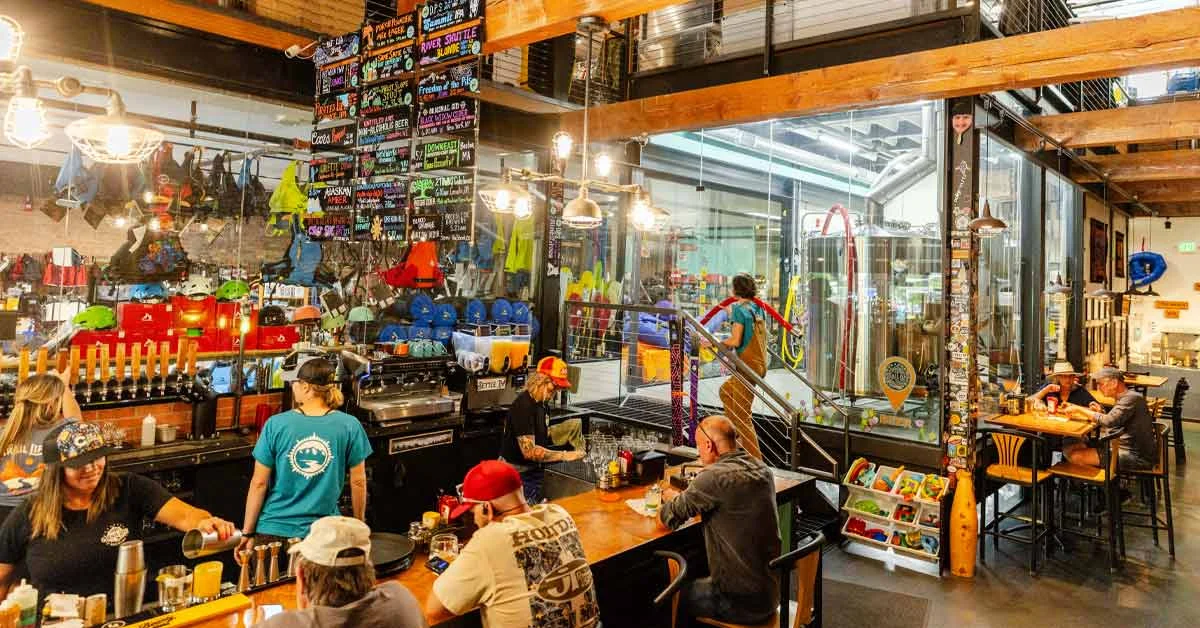
Grand Junction, Colorado, situated at the confluence of the Colorado and Gunnison Rivers, is undergoing a significant cultural and economic transformation as its burgeoning craft beer industry begins to rival its world-class outdoor recreation. While travelers have traditionally bypassed the Western Slope in favor of the Front Range or more famous national parks like Zion and the Grand Canyon, a growing "embarrassment of riches" in the local brewery scene is positioning the city as a primary destination for "beertourism." This shift is characterized by a unique synergy between the region’s rugged natural landscapes—including the Colorado National Monument and the Grand Mesa—and a sophisticated, community-oriented brewing culture that emphasizes quality, variety, and the "adventure-first" lifestyle of the high desert.
The Geographic Catalyst: A Landscape Unrivaled and Under-Visited
The primary draw for Grand Junction has historically been its proximity to unique geological formations. The Colorado National Monument, located just west of the city, offers towering red rock canyons and monolithic formations that mirror the majesty of the Grand Canyon but without the staggering crowds. According to National Park Service data, while the Grand Canyon attracts nearly 4.7 million visitors annually, the Colorado National Monument sees approximately 400,000, offering a level of serenity and accessibility that is increasingly rare in the American West.
The city’s name itself pays homage to its history; it was named for the junction of the Gunnison River and the Colorado River, the latter of which was known as the Grand River until 1921. This "grand" theme extends to the surrounding topography. To the east lies the Grand Mesa, the largest flat-top mountain in the world, covering roughly 500 square miles and reaching elevations of over 11,000 feet. To the northwest, the Rattlesnake Arches within the Black Ridge Canyons Wilderness boast one of the highest concentrations of natural arches in the world, second only to Arches National Park in Utah. This concentration of natural wonders has created a playground for hikers, mountain bikers, and climbers, providing the foundational demographic for the city’s evolving beer scene.
A Chronology of the Grand Junction Brewing Evolution
The development of the craft beer scene in Grand Junction has followed a steady trajectory from pioneering brewpubs to experimental, high-concept taprooms.
- The Pioneer Era (1994): The industry took root with the opening of The Rockslide Brew Pub in 1994. For over two decades, Rockslide served as the primary anchor for craft beer in the downtown area, establishing a culture of local consumption and proving that the Western Slope could support independent brewing.
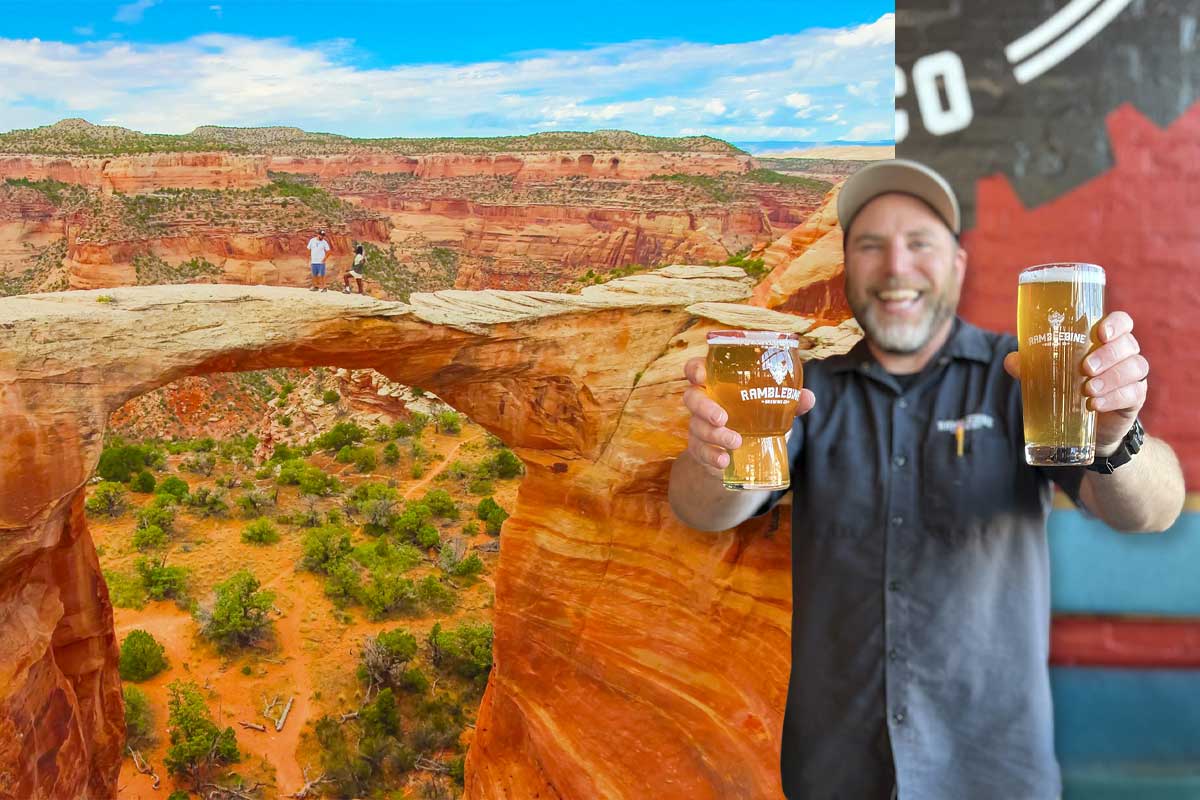
- The Modern Expansion (2020): Despite the global challenges of the COVID-19 pandemic, 2020 marked a turning point with the opening of Ramblebine Brewing. This era signaled a shift toward more diverse and experimental styles, moving beyond standard ambers and pales to include Norwegian kveik ales and complex barrel-aged stouts.
- The Current Maturation (2023–Present): The recent opening of WestCo Brewing and the expansion of establishments like Trail Life Brewing reflect a maturing market. These businesses are no longer just breweries; they are community hubs integrated with retail, live music, and high-end culinary programs.
Strategic Analysis of Key Industry Players
The current landscape is defined by several key establishments that have successfully blended the city’s outdoor identity with technical brewing excellence.
Ramblebine Brewing: Technical Sophistication
Founded by Eli Gerson and Rob James, Ramblebine Brewing has quickly become a cornerstone of the downtown scene. Their approach is characterized by a wide stylistic range. While they maintain accessible options like crisp lagers and West Coast IPAs, they have gained notoriety for "God Hammer," a kveik-fermented Norwegian red ale. The use of kveik yeast—a traditional Norwegian farmhouse yeast known for its high-temperature fermentation and unique ester profile—demonstrates a level of technical ambition that appeals to beer aficionados. Their portfolio also includes tart blueberry sours and hoppy pilsners, catering to a demographic that values nuance over high-volume production.
Trail Life Brewing and Handlebar Tap House: The "Bike and Brew" Model
The integration of the cycling community and the brewing industry is perhaps most evident at Trail Life Brewing and Handlebar Tap House. Trail Life is uniquely situated as a brewery attached directly to a mountain bike shop, reflecting the local ethos where outdoor activity and social drinking are inextricably linked.
Adam Kinsey, a prominent figure in the local scene and owner of Handlebar Tap House, notes that the city’s residents are almost universally involved in outdoor recreation. This lifestyle drives the demand for "crushable," lower-ABV styles like Mexican-style lagers and blonde ales, which are favored by patrons coming off the trails. However, the market also supports bolder experiments, such as Trail Life’s "Pirates Life" Black IPA—a style that balances the roasted malt profile of a stout with the aggressive hopping of an IPA.
WestCo Brewing: Culinary Integration and Community Space
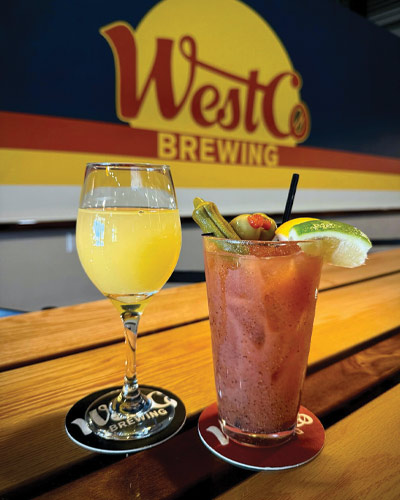
The newest addition to the scene, WestCo Brewing, represents the next step in the industry’s evolution: the "destination taproom." Located near the Amphitheater at Las Colonias Park, WestCo focuses on being a community gathering space. Under the guidance of Kinsey and head brewer Danny Wilson, WestCo has diversified the local palate with Japanese-style rice lagers and fruited sours.
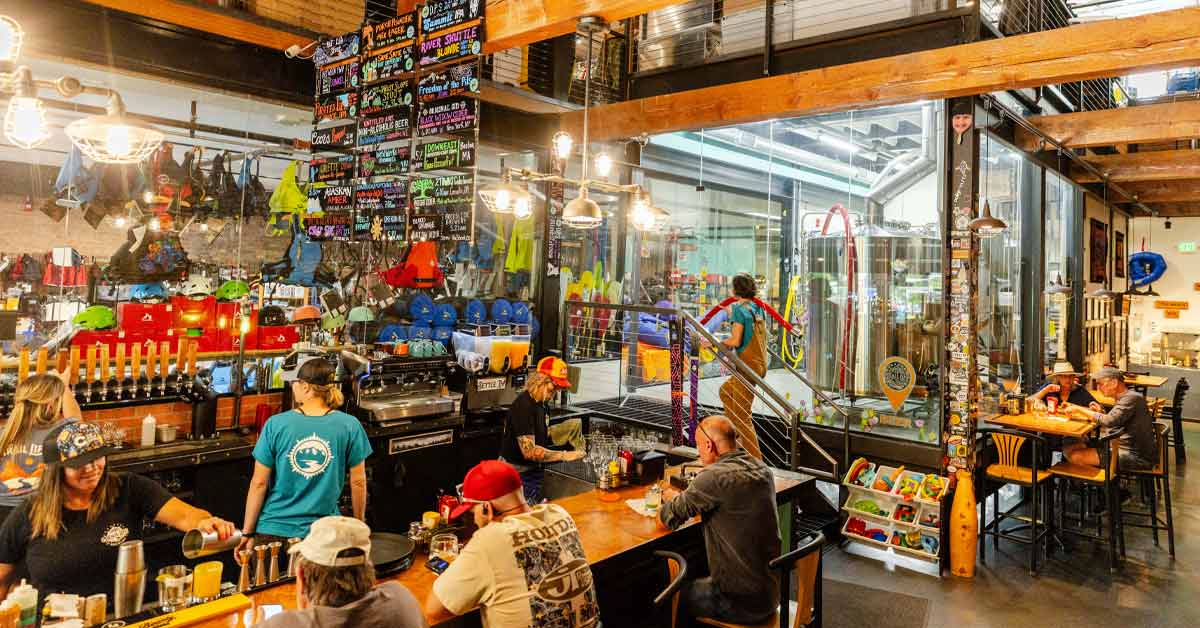
Furthermore, WestCo has elevated the "pub grub" standard by introducing a sophisticated kitchen menu. Offerings such as Japanese chicken curry poutine, gyoza, and Colorado elk sloppy joes indicate a move toward gastropub territory, where the food is as much a draw as the beverage program.
Supporting Data and Economic Impact
The growth of the beer scene in Grand Junction is part of a larger statewide economic trend. According to the Brewers Association, Colorado ranks in the top five states for the number of craft breweries per capita. The industry contributes over $2.4 billion to the state’s economy annually.
In Grand Junction specifically, the diversification of the economy is vital. Historically dependent on the energy sector (oil and gas), the city has made concerted efforts to pivot toward tourism and outdoor recreation. The "beertourism" sector provides a high-margin revenue stream that complements the city’s existing assets. Local data suggests that travelers who visit for craft beer tend to stay longer and spend more on lodging and dining than day-trip hikers, providing a significant boost to the municipal tax base.
Broader Implications and Future Outlook
The rise of the Grand Junction beer scene carries several implications for the future of the region and the craft beer industry at large.
First, it highlights the "Second-Tier City" trend. As major hubs like Denver and Fort Collins reach market saturation, brewers and entrepreneurs are looking to smaller, high-growth cities where the cost of entry is lower and the quality of life is high. Grand Junction offers a "frontier" feel for brewers, allowing for more experimentation without the intense competition found in larger metropolitan areas.
Second, the success of these breweries underscores the importance of "place-making." By creating spaces that cater to the specific hobbies and values of the local population—such as mountain biking and conservation—these breweries have built a resilient customer base that is less susceptible to the whims of national trends.
Finally, the emergence of Grand Junction as a beer destination challenges the traditional North-South axis of Colorado tourism. By establishing a world-class hospitality scene on the Western Slope, the city is effectively remapping the state’s cultural geography.
Conclusion
Grand Junction is no longer just a pitstop on the way to Moab or a quiet gateway to the Colorado National Monument. It has become a destination in its own right, where the "embarrassment of riches" in the natural world is now matched by a sophisticated and thriving craft beer community. For the beer enthusiast, the city offers a rare combination: top-tier technical brewing, a welcoming and unpretentious atmosphere, and the ability to enjoy a world-class pint in the shadow of some of the world’s most spectacular geological wonders. As the industry continues to mature, Grand Junction is well-positioned to remain a leader in the intersection of outdoor adventure and artisanal fermentation.