admin
admin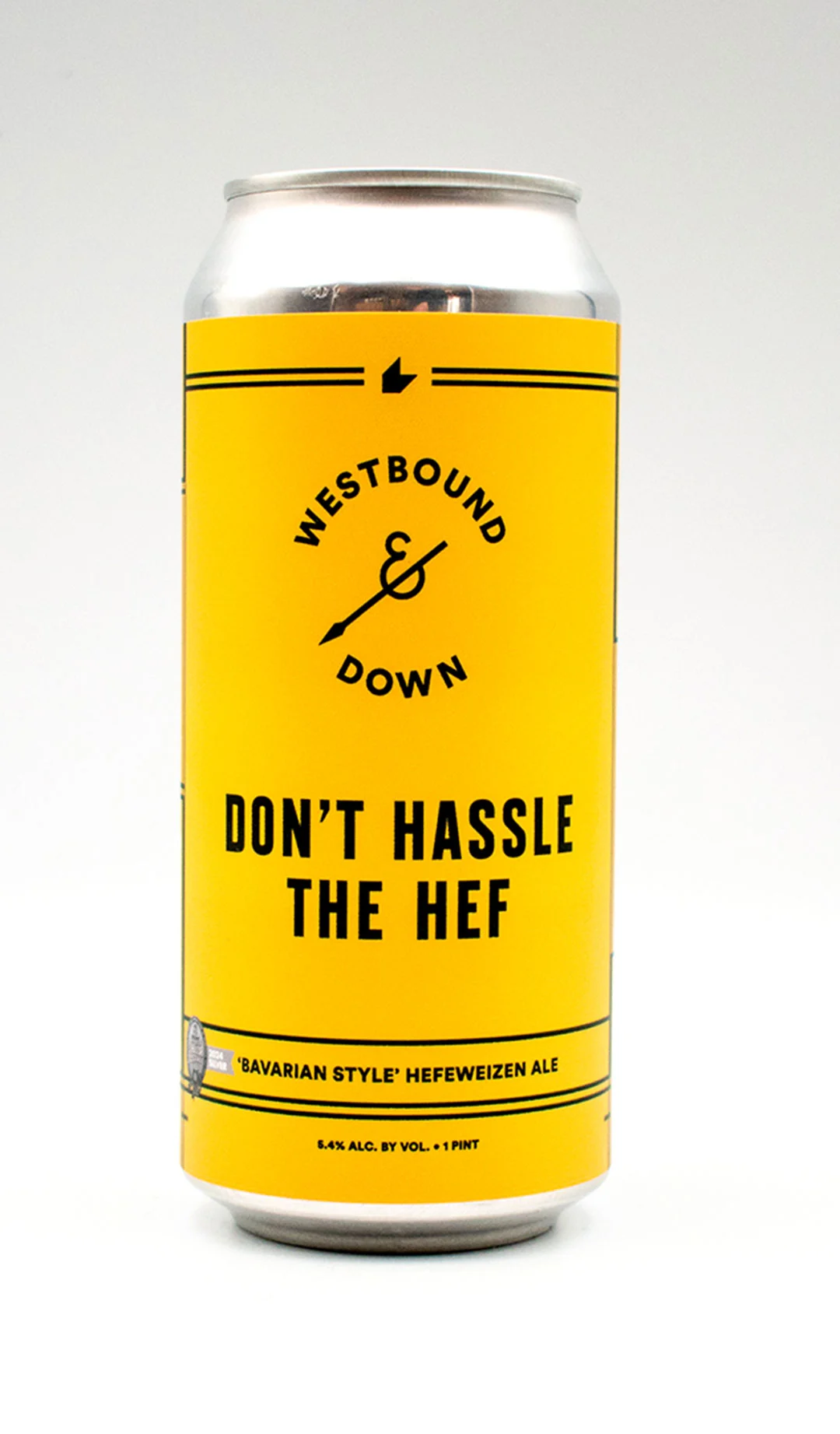
The trajectory of modern craft brewing is often defined by the lengths to which brewers will go to achieve a specific sensory profile, a reality exemplified by the experience of DankHouse Brewing in early 2020. Based in Newark, Ohio, co-founders Josh and Heather Lange were preparing to showcase their flagship hazy IPA, Banana Peel’d, at the prestigious Juicy Brews IPA festival in Pittsburgh. However, just days before the event, the couple found the banana intensity of the batch lacking. When traditional aseptic purees could not be shipped in time and grocery-store fruit resulted in unappealing oxidation, the Langes discovered that their preferred commercial puree shared a nearly identical composition with Gerber banana baby food. This led to a frantic search through every grocery store in the Newark area to secure enough baby food for what they termed a "scooping party" to fortify the beer. This anecdote, featuring a small-scale brewery serving a baby-food-infused IPA alongside legendary labels like The Alchemist’s Heady Topper, underscores a broader movement within the industry: the pursuit of intense, authentic, and sometimes nostalgic banana characteristics through both traditional fermentation and unorthodox additives.
The Chemical Foundation of Banana Aromatics
To understand the industry’s fascination with banana, one must first examine the chemical compound isoamyl acetate. This fruity ester is a natural byproduct of the fermentation process, particularly when yeast is subjected to specific stressors. While all beers contain trace amounts of isoamyl acetate—Coors Banquet is frequently cited by sensory experts for its subtle banana notes derived from cold fermentation—it is the defining characteristic of the German hefeweizen.
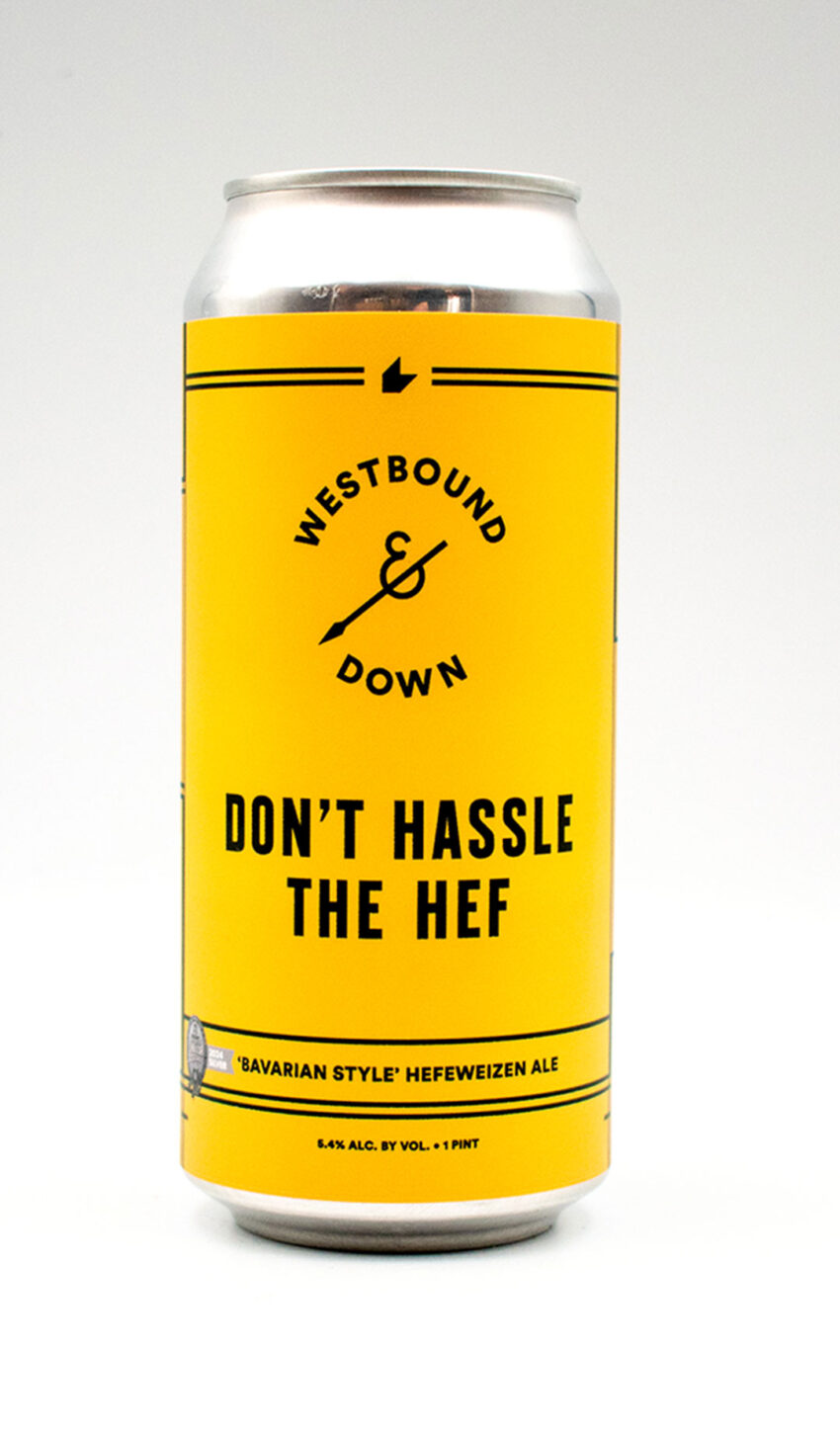
In the context of traditional German brewing, the banana aroma is not the result of fruit additions but rather the "stressing" of specific yeast strains. Derek Goodman, head brewer at Colorado’s Westbound & Down Brewing, notes that achieving the award-winning profile of their "Don’t Hassle the Hef" requires a counterintuitive approach. By pitching only one-third of the recommended yeast amount and limiting oxygen, brewers force the yeast to reproduce rapidly. This metabolic "greed" and the subsequent struggle for resources result in the heavy production of esters. The resulting aroma often leans toward "banana Runts" or "Laffy Taffy" rather than the scent of a fresh, peeled fruit. This discrepancy is rooted in agricultural history; the artificial banana flavors developed in the early 20th century were modeled after the Gros Michel cultivar, a banana variety that was more pungent and ester-heavy than the Cavendish variety dominant in grocery stores today.
Regulatory Shifts and the Formalization of Fruit Use
For much of the modern craft era, brewers faced significant administrative hurdles when incorporating bananas into their recipes. Until late 2023, the Alcohol and Tobacco Tax and Trade Bureau (TTB) did not classify bananas as a "traditional" brewing ingredient, unlike malts, hops, or certain other fruits. This meant that breweries were required to submit complex formula exemptions and wait for federal approval before they could legally bring a banana-infused beer to market.
This regulatory burden changed when the TTB expanded its list of ingredients exempt from formula requirements. This policy shift recognized the evolution of consumer tastes and the established safety of using common fruits in fermentation. The deregulation has paved the way for more experimental "smoothie" sours and pastry stouts, allowing brewers to pivot quickly to market trends without the months-long lead time previously required for federal paperwork.
Chronology of the Banana Trend: From Hefeweizens to Pastry Stouts
The integration of banana into American beer has moved through several distinct phases:
- The Traditional Era (Pre-2010): Banana notes were primarily confined to classic German styles. Brewers focused on temperature control and yeast management to produce "clove and banana" profiles in wheat beers.
- The Experimental Puree Phase (2010–2018): As the "Pastry Stout" and "Milkshake IPA" movements took hold, brewers began adding aseptic fruit purees post-fermentation. This added not only flavor but also residual sugars and a thicker mouthfeel.
- The "Grand Cru" Movement (2019–Present): High-end breweries began seeking more concentrated sources of flavor to compete in the luxury "whale" market—rare, expensive bottles often traded by enthusiasts. This led to the adoption of wild Thai bananas.
Rodrick Markus, CEO of Chicago-based Rare Tea Cellar, was a pivotal figure in this third phase. Originally importing dried wild Thai bananas for high-end culinary use, Markus saw a massive surge in demand from the brewing sector around 2019. Breweries such as Other Half and Evil Twin began using these fructose-rich, concentrated fruits to infuse imperial stouts with a "Grand Cru" quality. Markus reported that during the height of the COVID-19 pandemic, while restaurant orders cratered, he was shipping upwards of 1,000 pounds of Thai bananas weekly to breweries across the country.
Economic and Technical Challenges in Fruit Integration
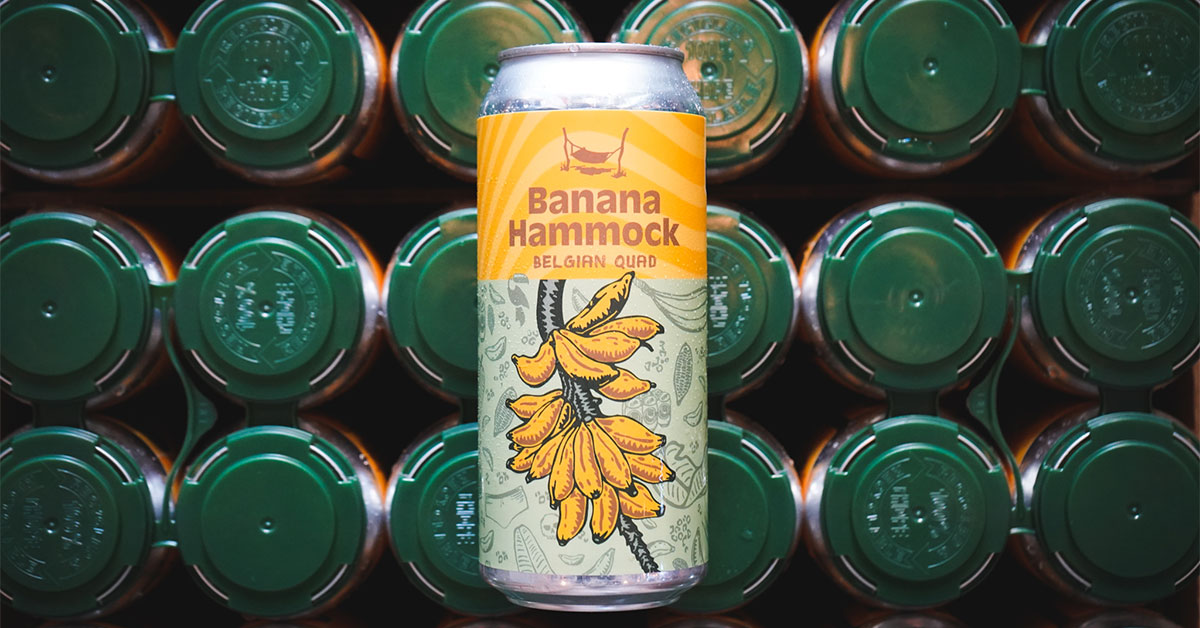
Despite the popularity of banana-flavored beers, the technical and economic barriers remain high. In the brewing of high-gravity beers, such as the 15% ABV "Banana Hammock" from Crooked Hammock Brewery, yeast health is a primary concern. Larry Horwitz, the brewery’s director of operations, describes the "Cheetos dilemma": if yeast is given simple sugars from fruit too early, it may become "lazy" and fail to ferment the more complex malt sugars properly, leading to a stalled fermentation and off-flavors. Consequently, brewers must carefully time the addition of banana purees to ensure the yeast completes its primary task before being introduced to the "junk food" of fruit sugars.
Furthermore, the cost of premium ingredients is increasingly prohibitive. Matt Tarpey, co-founder of The Veil Brewing in Richmond, Virginia, notes that to achieve a "crazy" banana character in a barrel-aged stout, a brewer might need more than 10 pounds of dried Thai bananas per barrel. With prices hovering around $50 per pound—compounded by a 35% tariff on imports from Thailand—the raw material cost for a single batch can reach several thousand dollars. Tarpey describes these projects as "labors of love," noting that while they are popular, the slim profit margins make them difficult to sustain as a primary business model.
Market Data and Consumer Sentiment
Current market data suggests that the "banana moment" is not a fleeting fad but a sustained trend. Jeff Mello of Nashville-based yeast suppliers Bootleg Biology and Spot Yeast indicates that hefeweizen yeast has become his second best-selling strain, surpassed only by the yeast used for hazy IPAs. This suggests a resurgence in classic styles alongside the trend for fruit-heavy experimentations.
At Wallenpaupack Brewing in Pennsylvania, head brewer Logan Ackerley reports that their flagship Hawley Hefeweizen is frequently requested by customers specifically as "the banana beer." This consumer behavior indicates a shift in the American palate; where banana notes were once sometimes viewed as a fermentation flaw in lagers, they are now a sought-after destination for craft drinkers.
Broader Implications for the Craft Sector
The evolution of banana in beer reflects the broader professionalization and diversification of the craft industry. What began as a "hack" involving baby food at DankHouse Brewing has matured into a sophisticated supply chain involving international agricultural imports and advanced metabolic management of yeast.
The industry’s ability to navigate the high costs of ingredients like Thai bananas and the complexities of TTB regulations demonstrates a resilient, consumer-focused innovation. As brewers continue to blur the lines between traditional styles and dessert-inspired beverages, the banana remains a versatile tool. Whether it is through the "stressed" yeast of a silver-medal hefeweizen or the $50-a-pound dried fruit in a luxury stout, the fruit’s presence in the brewhouse is a testament to the industry’s ongoing quest for flavor intensity. The "unpeeling" of this trend suggests that as long as consumers crave nostalgia and dynamic sensory experiences, brewers will continue to find new, albeit expensive and labor-intensive, ways to bring the banana to the pint glass.