admin
admin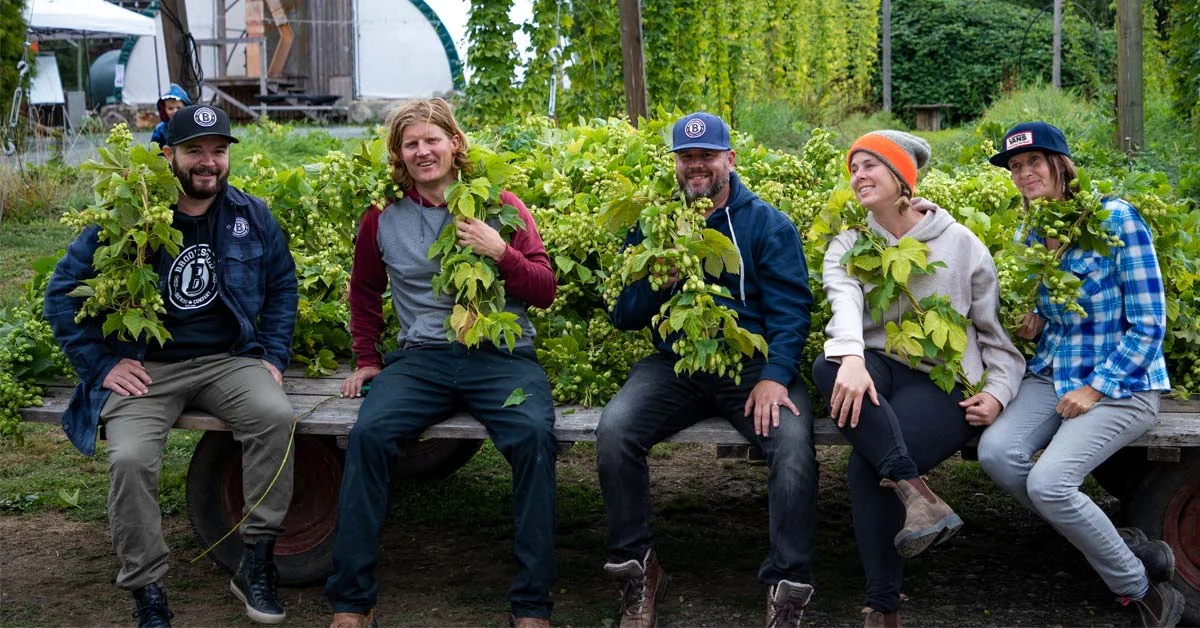
The Canadian craft beer landscape is currently undergoing a profound transformation as Indigenous brewers and entrepreneurs navigate a complex landscape of historical trauma, economic sovereignty, and cultural reclamation. This movement gained significant national attention in March 2021 when the Indigenous Brew Crew (IBC), a collective of three Indigenous brewers, launched the “Celebrating Sisters” campaign. The initiative was designed to support Indigenous women and showcase Indigenous presence in an industry where they have historically been excluded or marginalized. However, the campaign also exposed deep-seated tensions within Indigenous communities regarding the legacy of alcohol—a substance used for centuries as a tool of colonial oppression. While the IBC eventually dissolved following public debate over the ethics of Indigenous-branded alcohol, the conversation it sparked has evolved into a broader movement for self-determination and economic reconciliation within the $9 billion Canadian brewing sector.
A Chronology of Exclusion and the Legacy of the Indian Act
To understand the current friction between Indigenous identity and the brewing industry, one must examine the legislative history of Canada. The 1876 Indian Act served as the primary instrument for controlling Indigenous lives, defining "Indian" status, and managing reserve lands. For nearly a century, this legislation and its subsequent amendments effectively prohibited Indigenous people from participating in the alcohol economy.
Between the late 19th century and the mid-20th century, Indigenous people were legally barred from purchasing or consuming alcohol, and even from voting on liquor-related matters in their own territories. During this era, non-alcoholic beer was often disparagingly referred to as “Indian Beer” because it was the only fermented beverage legally accessible to First Nations people. This prohibition was not merely a matter of public health; it was a mechanism of social control. Simultaneously, European settlers utilized alcohol as a predatory trade good to disrupt Indigenous social structures and secure lopsided land deals.
The mid-20th century brought a shift in policy, but not necessarily in impact. Between the 1950s and the 1980s, provincial and federal laws were gradually amended to allow Indigenous people access to liquor. However, this transition occurred against the backdrop of the Residential School system and the “Sixties Scoop,” during which Indigenous children were forcibly removed from their families. The resulting intergenerational trauma created a cycle of dependency, where alcohol became a tool for coping with systemic abuse and cultural erasure. Consequently, many Indigenous elders and community leaders view the promotion of alcohol—even in a "craft" context—as an affront to the healing process.
The Economic Context of Indigenous Entrepreneurship
Despite this dark history, the 21st century has seen a surge in Indigenous-owned businesses. According to data from the National Aboriginal Economic Development Board, Indigenous entrepreneurship is growing at five times the rate of the general Canadian population. In the brewing industry, this growth represents a drive for "economic reconciliation"—the process of rectifying the economic marginalization of Indigenous peoples.
For many Indigenous brewers, the decision to enter the industry is an act of sovereignty. Darnell Stager of Indigenous Tourism BC notes that for decades, Indigenous people were treated as "wards of the state," a designation still reflected on many Indian Status cards. Stager argues that true self-determination includes the right for Indigenous people to participate in any industry they choose, including those that have historically caused harm. This perspective shifts the focus from the product itself to the right of the community to control its own economic destiny.
Financial infrastructure has also begun to pivot toward supporting these ventures. Organizations like Farm Credit Canada and the Manitoba Métis Federation have established specific programs to provide capital to Indigenous entrepreneurs who might otherwise face "economic gatekeeping" from traditional banking institutions.

Profiles in Resilience: Navigating Identity and Industry
The experiences of Indigenous people in the modern beer industry vary widely, often depending on their specific heritage—First Nations, Métis, or Inuit—and their geographic location.
Locality Brewing and the Responsibility of Representation
Melanie MacInnes, a Métis woman and co-owner of Locality Brewing in Langley, British Columbia, exemplifies the internal conflict many Indigenous owners face. MacInnes initially hesitated to define her business through her Indigenous identity. When nominated for Best Indigenous-Led Business at the 2022 BC Food & Beverage Awards, she experienced a "visceral response" of fear. Her eventual acceptance and subsequent win marked a turning point, allowing her to use her family’s land as a space for community gathering and cultural pride. This shift aligns with a broader trend where Métis families, who were historically encouraged to hide their heritage, are now reclaiming their identity in the public sphere.
Kahnawake Brewing: Sovereignty on Indigenous Land
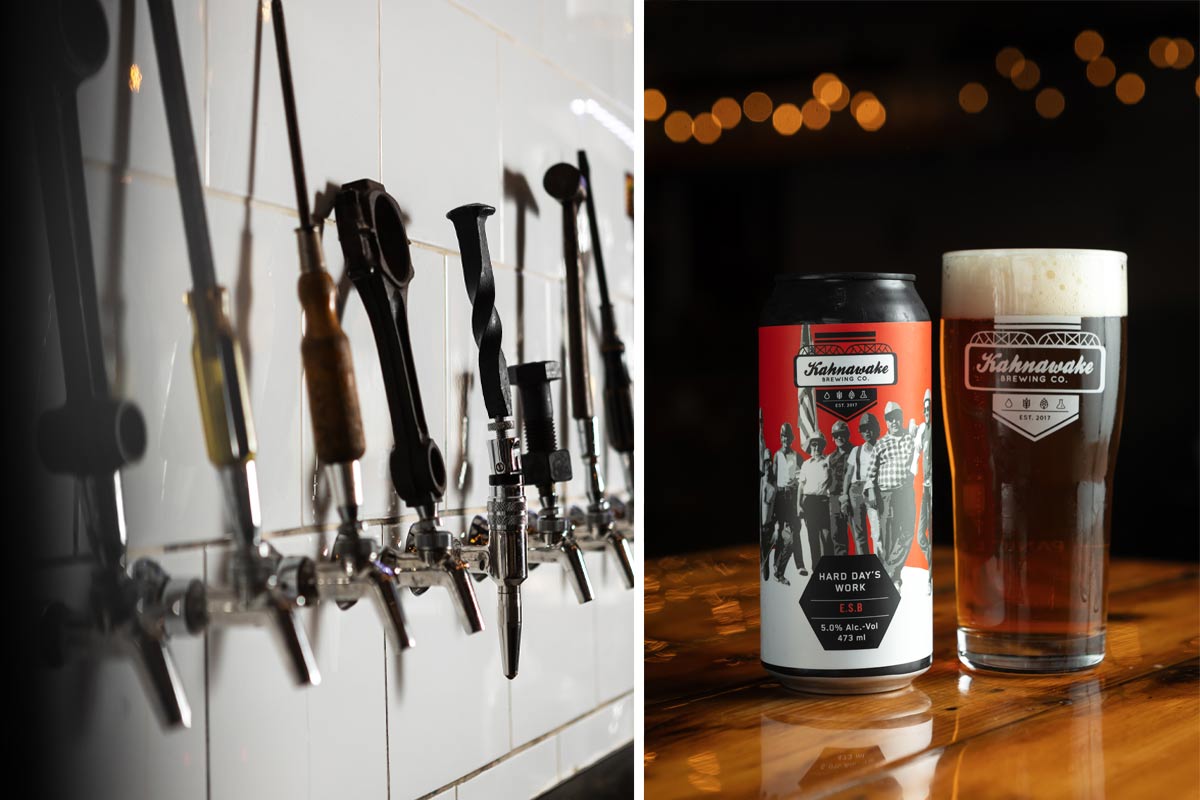
In Quebec, the Kahnawake Brewing Company & Black Bridge Taproom holds the distinction of being the first openly Indigenous-owned craft brewery located on Indigenous land. Co-owner Fred Leblanc, a former ironworker, draws on the history of the Mohawk tribe and their role in building the Saint-Laurent Railway Bridge. By operating on-reserve, the brewery asserts a form of territorial sovereignty that is rare in the industry. Leblanc’s success, highlighted by multiple medals at the Canada Beer Cup in 2024 and 2025, demonstrates that Indigenous-owned breweries can compete at the highest levels of quality while maintaining a distinct cultural focus.
Red Tape Brewery and the Inuit Perspective
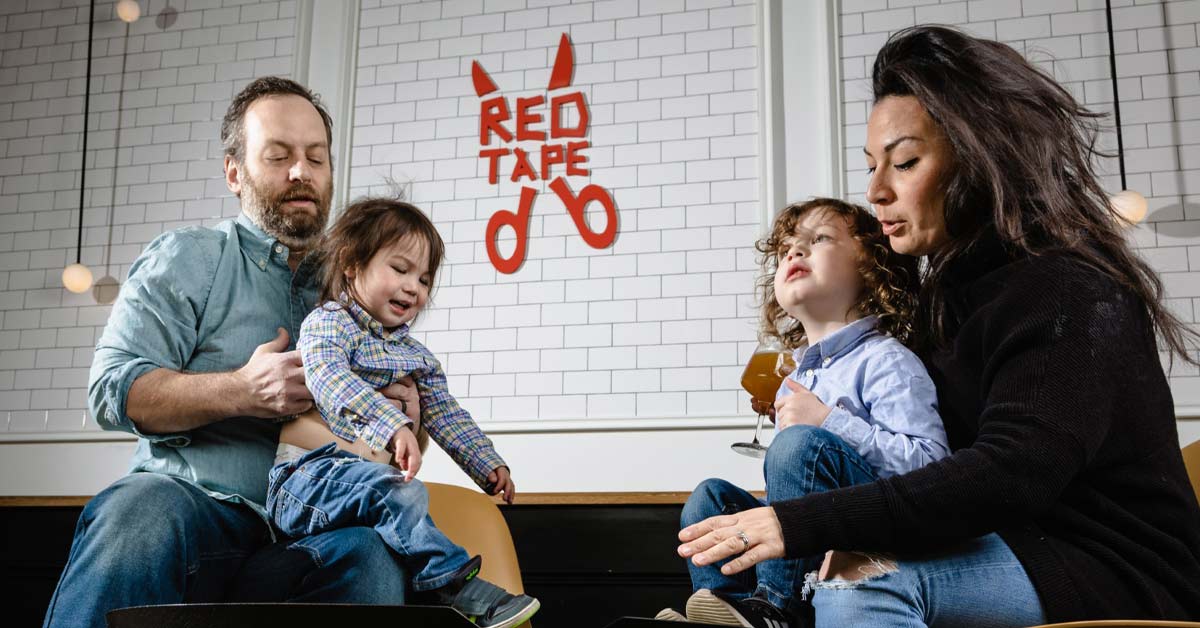
In Toronto, Inuit brewer Sarabeth Holden of Red Tape Brewery brings a unique perspective to the urban craft scene. Holden specializes in bespoke beers, often incorporating ingredients that reflect her northern heritage, such as orange pekoe tea—a staple of hunting and fishing trips in the Arctic—and Paunnat (dwarf fireweed). Despite her success, Holden notes that the industry remains largely white and male-dominated, leading to instances where she is not taken seriously by tradespeople or customers. Her experience highlights the dual challenge of navigating both racial and gender biases within the sector.
Defining Indigenous Craft: Ingredients and Land Ethics
A central question facing the industry is what constitutes an "Indigenous beer." For many in the community, it is not merely about ownership but about the relationship with the land and the ingredients used.
- Cultural Sourcing: Many Indigenous brewers prioritize ingredients with ancestral significance. This includes spruce tips, alfalfa, and wild berries. Nadine Jopson, a member of the Cree Nation and founder of Heartberry Soda, previously developed the "Aski Oci" saison, which used local botanicals to celebrate connections to the earth.
- The "Beer Bannock" Experience: Matthew Sabourin of La Brasserie Nonsuch Brewing Co. in Winnipeg uses his taproom to educate the public. Through events like the "Beer Bannock" experience, customers learn about Indigenous history and the significance of Louis Riel while engaging with the craft product in a respectful, moderate setting.
- Ethical Land Use: For brewers like Kevin Symington, who has worked with Fernie Brewing Co. and Crannog Ales, the focus is on environmental justice and respecting the history of the land upon which the brewery sits. This includes formal acknowledgments of Indigenous territory and building active partnerships with local tribal nations.
Official Responses and the Path to Inclusion
The broader Canadian craft beer industry has begun to respond to calls for greater inclusion, though progress is uneven. The North American Guild of Beer Writers and the Brewers Association have recently funded initiatives to highlight diverse voices, acknowledging that the industry’s survival may depend on its ability to reach new, diverse demographics.
Inez Cook, co-founder of the Indigenous restaurant Salmon n’ Bannock, emphasizes that inclusion must be relational rather than transactional. She suggests that non-Indigenous brewery owners should personally introduce themselves to local tribal councils. "Indigenous people do business with people, not with businesses," Cook asserts. She maintains that "actions and changed behavior" are the only true paths to reconciliation.
Professor Niigaan Sinclair, an Anishinaabe scholar, provides a philosophical framework for this inclusion. He notes that while alcohol has been a "violent intrusion," the natural elements of beer—water, grain, and plants—have medicinal and ceremonial histories in many cultures. The challenge, according to Sinclair, is for Indigenous people to define their own relationship with these elements, balanced by a responsibility to avoid harm within their communities.

Broader Impact and Future Implications
The emergence of Indigenous voices in the craft beer industry is more than a trend; it is a test case for how a colonial-era industry can adapt to a post-TRC (Truth and Reconciliation Commission) Canada. The industry is currently facing a "moment of crisis" characterized by shifting consumer habits and rising costs. Industry analysts suggest that the values championed by Indigenous brewers—prioritizing people over profits, respecting the land, and fostering deep community ties—may provide a blueprint for the industry’s future sustainability.
However, the path forward remains fraught. The dissolution of the IBC serves as a reminder that the wounds of the past are not easily healed. For inclusion to be meaningful, it must extend beyond marketing and labels into the entire supply chain. As Jason Tremblay of Two Loons Brewing points out, true representation means seeing Indigenous people not just as owners or customers, but as maltsters, hop growers, and distributors.
As the Canadian craft beer industry continues to evolve, the integration of Indigenous sovereignty and entrepreneurial spirit represents a significant step toward a more inclusive national identity. The success of these ventures will ultimately be measured not just in hectoliters or medals, but in their ability to foster "healing relationships" with a product that has long been a symbol of division.