admin
admin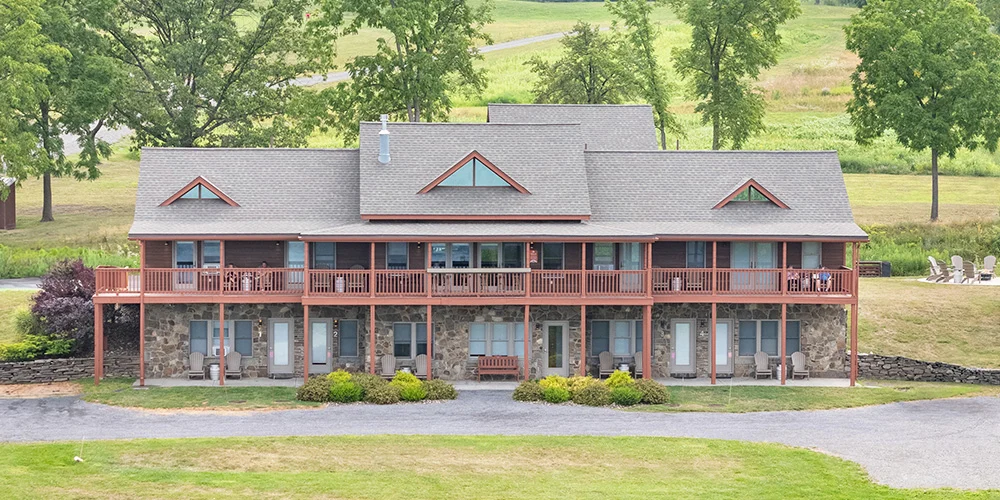
Across the United States, the craft brewing industry is undergoing a significant structural evolution, transitioning from a production-focused model to a comprehensive hospitality-driven strategy. As the market for craft beer reaches a point of high saturation, with more than 9,000 active breweries operating nationwide, established brands are seeking new ways to deepen consumer loyalty and diversify revenue streams. The result is the "beercation"—a travel trend where brewers transform historic buildings, rustic barns, and scenic bungalows into boutique accommodations. These destinations allow enthusiasts to do more than visit a taproom; they invite guests to live within the brand’s ecosystem, offering a full-fledged getaway that blends artisanal production with luxury hospitality.
The Evolution of Beer Tourism and the Experience Economy
The shift toward brewery-based lodging is a direct response to the "experience economy," a term coined by researchers to describe a consumer shift from purchasing goods to seeking memorable events. For the modern craft beer enthusiast, the novelty of the tasting flight has been superseded by a desire for narrative and connection. By offering overnight stays, breweries are able to extend the "brand touchpoint" from a 30-minute pint to a 24-hour immersive experience.
Data from the Brewers Association indicates that while draught sales and taproom traffic remain vital, the competitive landscape requires breweries to offer a "unique selling proposition." Lodging serves this purpose by providing a storytelling platform. It allows a brewery to reflect its core values—whether they be rugged outdoor adventure, European tradition, or industrial chic—through interior design, curated amenities, and personalized hospitality. This evolution marks a move away from the traditional industrial park taproom and toward the destination resort.
Case Study: Backwoods Brewing and the Luxury Cabin Model
In Carson, Washington, Backwoods Brewing Company serves as a primary example of how geography and industry can intersect to create a high-value tourism product. Located in the Columbia River Gorge, approximately an hour from Portland, Oregon, the brewery has long benefited from the region’s status as an outdoor recreation hub. However, the Waters family, who owns the brewery, recognized that the "missing link" in their business model was the ability to capture the overnight tourist market.
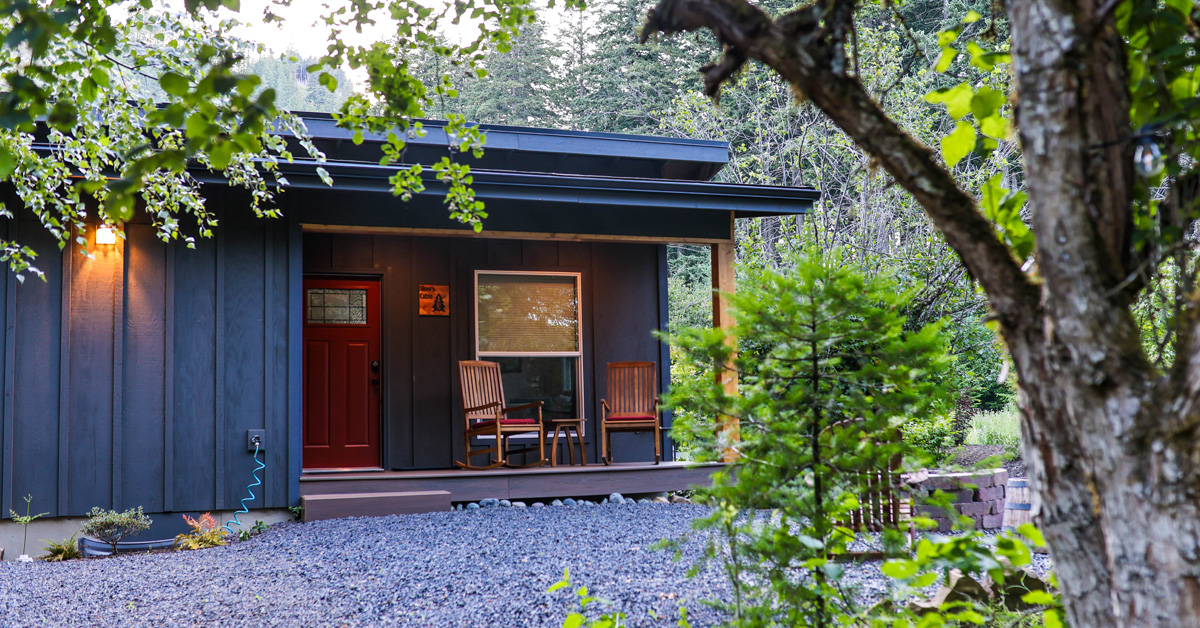
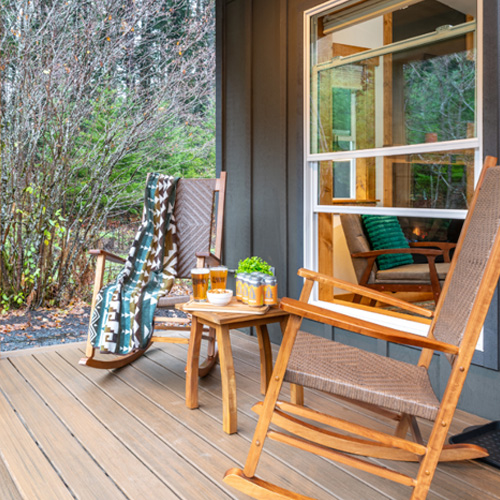
The development of Backwoods Cabins was a strategic move to transition the brewery from a pitstop to a destination. CEO Steve Waters noted that the goal was to create an environment where guests felt encouraged to "slow down" rather than just pass through. The project involved the construction of eight luxury-leaning cabins, each themed to reflect regional activities: the Hiker’s, Kayaker’s, and Stargazer’s cabins.
The integration of beer into the hospitality experience is seamless but intentional. Guests can pre-order curated beer selections for their rooms, which include flagship offerings like the Party Acres Hazy IPA and the Ridge Run Oatmeal Stout. The cabins themselves are designed with high-end finishes, such as 600-thread-count sheets and gas fireplaces, ensuring that the "rustic" brand image does not compromise modern comfort. This "cabin-core" aesthetic has proven successful in attracting a demographic that values both craft beverage culture and premium lodging.
The Heritage Model: von Trapp Brewing and Alpine Tradition
While some breweries are building new accommodations, others are integrating world-class brewing facilities into existing historic estates. The von Trapp Family Lodge in Stowe, Vermont, represents the pinnacle of the heritage-based brewery stay. Founded by the family made famous by The Sound of Music, the 2,600-acre resort was already a landmark before the brewery became a central focus of the guest experience.
The addition of von Trapp Brewing was a strategic initiative led by Johannes von Trapp, who sought to replicate the crisp, clean lagers of his European heritage. Unlike many American craft breweries that focused on high-IBU (International Bitterness Units) IPAs, von Trapp focused on Austrian-style lagers, utilizing natural spring water sourced directly from the property.
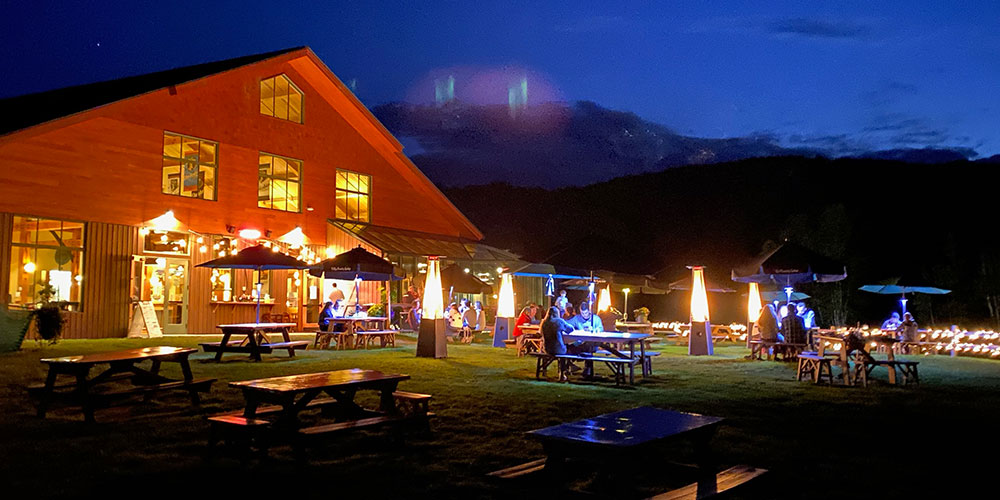
The resort’s business model relies on a "closed-loop" hospitality experience. Guests participate in guided brewery tastings, stay in Austrian-inspired lodge rooms, and dine in a Bierhall that serves schnitzel and bratwurst specifically paired with house-brewed Helles and Kölsch. Emily Provost, the brewery’s marketing manager, emphasizes that the lodging allows guests to "live, eat, and drink like a von Trapp," creating a historical and cultural immersion that cannot be replicated in a standard retail environment.
Strategic Integration: Grist Iron Brewing and the Finger Lakes Market
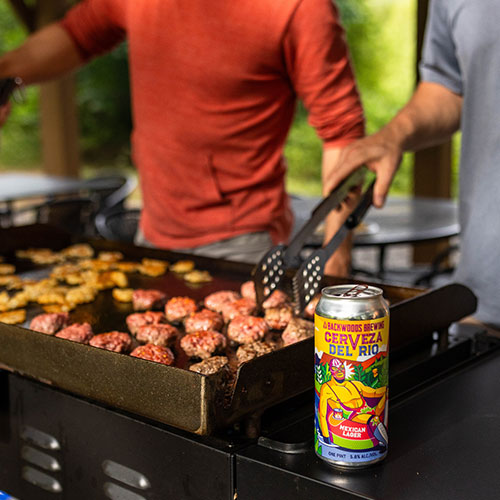
In the Finger Lakes region of New York, Grist Iron Brewing demonstrates a different chronological approach to the brewery-stay model. Unlike many breweries that add lodging as an afterthought, Grist Iron’s founders selected their Watkins Glen property specifically because it already contained lodging facilities. This "lodging-first" strategy allowed the brand to establish itself as a hospitality provider simultaneously with its debut as a brewery.
The Lodge at Grist Iron is designed with a "rustic-modern" aesthetic, featuring black-and-white brewing murals and industrial finishes. A notable feature of the guest rooms is the inclusion of a built-in shower ledge designed specifically for "shower beers"—a nod to a popular subculture within the craft beer community. This small design detail serves as a powerful branding tool, signaling to guests that the facility is designed by and for beer lovers.
Grist Iron has further expanded its "resort" credentials by developing "Beer Mountain," a complex that includes a disc golf course and a dog park with an on-site "Woof Top" bar. By catering to dog owners and outdoor enthusiasts, Grist Iron has managed to increase the average "length of stay" for its visitors, which directly correlates with higher per-guest spending in the taproom and restaurant.
Adaptive Reuse and the Transformation of Historic Spaces
A significant subset of the brewery-lodging trend is the adaptive reuse of historic buildings. McMenamins, operating in Oregon and Washington, has pioneered this model for decades. The company specializes in converting defunct schools, churches, and county poor farms into eclectic hotel-brewery hybrids.
These properties function as "adult playgrounds," where the history of the building is preserved through art and storytelling, while the basement or outbuildings are converted into functional breweries. This model provides a blueprint for how brewers can revitalize local communities by turning "blighted" properties into high-traffic tourism assets.
Similarly, in Fargo, North Dakota, Drekker Brewing’s "Brewhalla Crash Pad" utilizes a highly branded, boutique hotel approach. Each room is themed after a specific Drekker beer, such as the "Mind Bullets" suite, which features psychedelic murals and industrial ductwork that mirrors the label art of the brewery’s sour IPA. This level of hyper-branding turns the hotel stay into a marketing asset, as guests frequently share the unique aesthetics of their rooms on social media platforms, providing the brewery with organic, high-reach advertising.
Economic Implications and Industry Analysis
The rise of brewery stays has broader implications for both the craft beer industry and regional economies. For the brewery, lodging provides a "recession-resistant" revenue stream. While beer sales can fluctuate based on distribution trends and retail competition, a well-managed hotel or cabin rental often maintains high margins and consistent occupancy, particularly in scenic or tourist-heavy regions.
Furthermore, these establishments often act as anchors for rural economic development. By creating a multi-day destination, breweries like Backwoods in Washington or Commerce Street Brewery Hotel in Wisconsin bring "outside dollars" into small towns. Guests at these brewery hotels do not just spend money at the brewery; they visit local gas stations, grocery stores, and other small businesses, creating a multiplier effect that benefits the entire community.
From a labor perspective, this trend requires a professionalization of brewery staff. Managing a hotel requires a different skill set than managing a cellar or a taproom. As a result, we are seeing the emergence of a new class of "craft hospitality" professionals who must be as adept at property management and guest services as they are at explaining the nuances of a dry-hopped pilsner.
Conclusion: The Future of the Craft Beverage Destination
The transition of breweries into boutique accommodation providers represents a maturing of the American craft beer movement. It is no longer enough to produce a high-quality beverage; successful brands must now curate an entire lifestyle. Whether through the "cabin culture" of the Pacific Northwest, the alpine traditions of Vermont, or the historic renovations of the Midwest, brewery stays are proving that the future of the industry lies in immersion.
As more breweries look to differentiate themselves, the "beercation" is likely to become a standard offering for mid-to-large-scale craft operations. For the consumer, this means an era of travel where the journey, the destination, and the pint are all part of the same seamless story. The success of these ventures suggests that while the pint glass may eventually be emptied, the memories of a night spent at the source of the brew are what will truly sustain the industry’s growth in the years to come.