admin
admin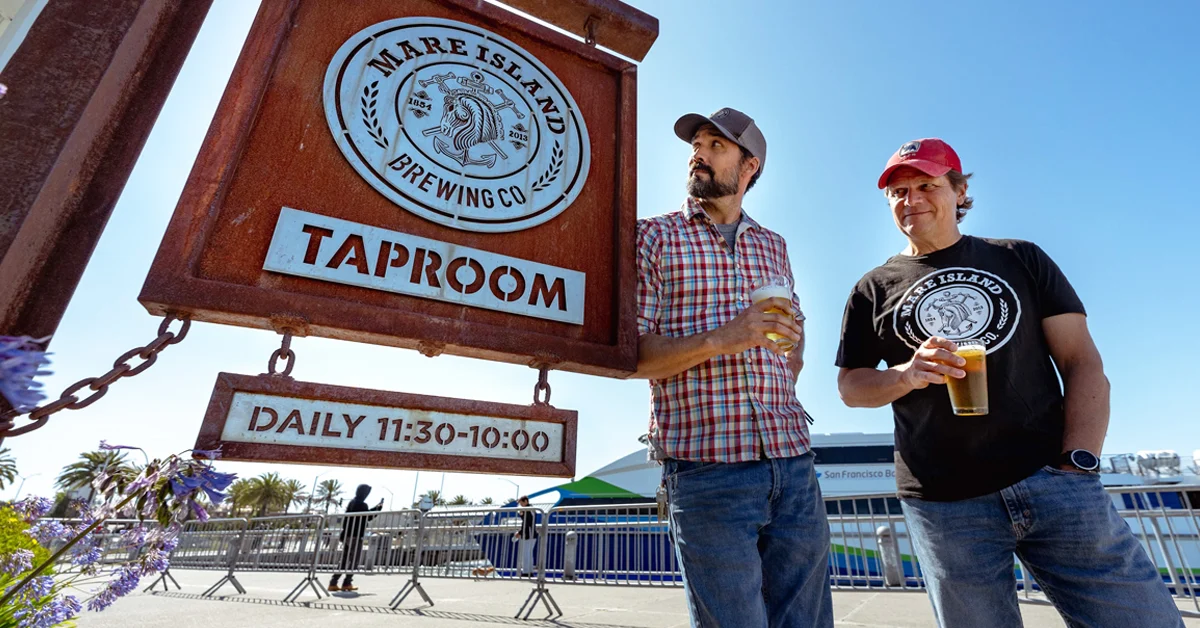
The long-standing adage in the viticulture world, "it takes a lot of beer to make good wine," has traditionally referred to the consumption habits of cellar crews during the grueling harvest season. However, in the contemporary California beverage landscape, this phrase has taken on a more literal meaning as a growing cohort of artisans bridges the gap between the brewhouse and the vineyard. As the United States’ leading producer of both wine and craft beer, California has become a primary laboratory for this cross-industry synergy, where the technical rigors of brewing meet the seasonal artistry of winemaking. This convergence is not merely a matter of personal preference but a sophisticated exchange of techniques, branding philosophies, and fermentation sciences that is reshaping the state’s artisanal identity.
The Dual Expertise of Sherman Thacher
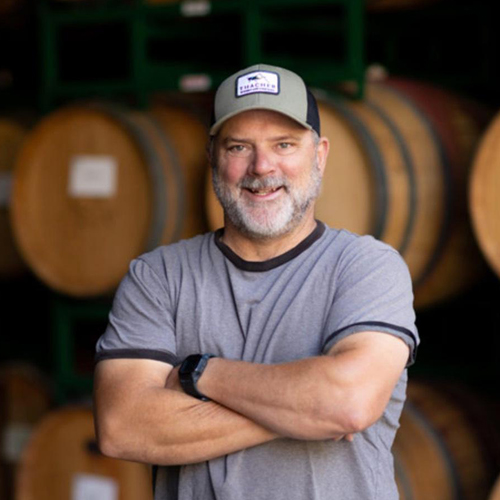
For Sherman Thacher, the proprietor of Thacher Winery in Paso Robles, the transition from hops to grapes was a natural progression rather than a career pivot. Thacher’s professional foundation was built in the brewing industry, where he served as a brewmaster at the Los Gatos Brewing Company from 1992 to 2006. During this fourteen-year tenure, he specialized in German-style beers, a discipline known for its emphasis on precision, clarity, and strict adherence to traditional profiles. These years spent managing the volatile nature of yeast and the exacting standards of temperature control provided a unique vantage point when he eventually turned his attention to the Central Coast’s wine industry.
Thacher notes that while he has moved away from commercial brewing, the beverage remains an essential component of his professional life, particularly as a sensory reset. He describes beer as a "perfectly refreshing palate cleanser," citing its carbonation, lower acidity, and cold serving temperature as the ideal antidote to a day spent evaluating the tannins and high-acid profiles of young wines. This perspective is common among winemakers who face "palate fatigue" during the blending process. The chemical contrast between a hop-forward or malt-balanced beer and a complex red wine allows the sensory receptors to recover, ensuring that the winemaker’s evaluations remain accurate throughout the day.
The Maritime Heritage of Mare Island Brewing Co.
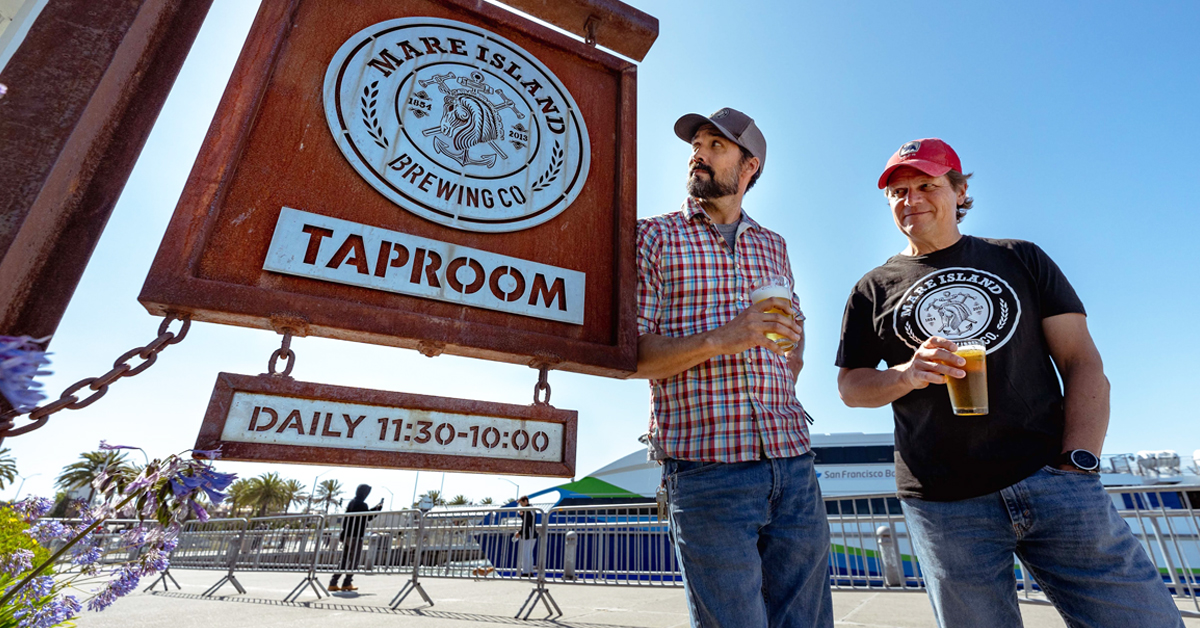
The intersection of these two worlds is perhaps most visible in the partnership of Kent Fortner and Ryan Gibbons, the co-founders of Mare Island Brewing Co. Their professional relationship began not in a brewery, but on a crush pad in the Napa Valley, where both were trained as winemakers. The decision to venture into beer was rooted in a shared appreciation for the history of the Vallejo waterfront and a desire to explore the creative flexibility inherent in brewing.
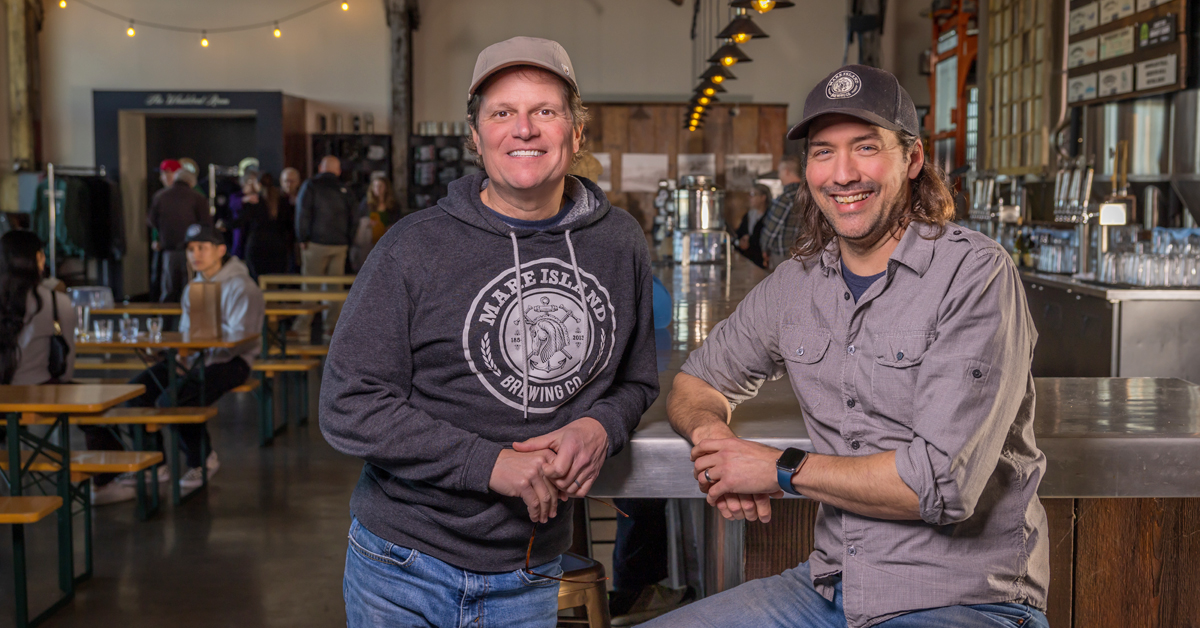
In 2013, the duo produced their inaugural beer, Saginaw Golden Ale. The name serves as a historical marker, honoring the first ship constructed at the Mare Island Naval Shipyard. Established in 1854 as the first U.S. naval installation on the West Coast, the shipyard remained a cornerstone of Pacific maritime activity until its decommissioning in 1996. By anchoring their brewery’s identity in this local history, Fortner and Gibbons utilized a branding strategy often found in the wine world—emphasizing "terroir" and historical provenance to create a sense of place.
Despite the success of the brewery, which now includes the Ferry Taproom in Vallejo, the Coal Shed Brewery on the Mare Island waterfront, and the First Street Taproom in Benicia, the influence of the vineyard remains a constant. Fortner continues to operate Road 31 Wine Co., a venture he started over two decades ago. Focusing on a single Napa Valley (Carneros) Pinot Noir, Road 31 operates primarily through a direct-to-consumer mailing list, a business model that contrasts sharply with the high-volume, taproom-centric model of Mare Island Brewing. This dual-track approach allows Fortner to navigate the distinct market demands of both industries simultaneously.
Technical Synergies and Fermentation Science
The migration from winemaking to brewing, or vice versa, is facilitated by a shared scientific foundation. Both industries rely on the mastery of Saccharomyces cerevisiae (yeast) and the careful management of fermentation kinetics. However, the technical demands of brewing often introduce a level of rigor that benefits winemaking. Sherman Thacher points out that while wine is somewhat more resilient due to its lower pH and higher alcohol content, the obsessive attention to detail required in brewing—where the risk of bacterial spoilage is higher—is an invaluable asset in the cellar.
Ryan Gibbons, who transitioned to a full-time brewing role at Lagunitas Brewing Co. before co-founding Mare Island, emphasizes the "creative flexibility" of beer. Unlike wine, which is tethered to a single annual harvest and a long aging process, beer can be brewed year-round with a vast array of ingredients. This allows for a faster iterative process, where recipes can be refined in weeks rather than years.
This technical crossover is supported by academic institutions like the University of California, Davis. The UC Davis Master Brewers Program is globally recognized, often sharing resources and research with the university’s world-renowned Department of Viticulture and Enology. Many professionals, such as Remy Martin of Fogbelt Brewing, have utilized these programs to formalize their transition between industries. Martin, the son of long-time Fetzer Vineyards winemaker Dennis Martin, grew up immersed in wine culture but sought out the UC Davis program to master the specific complexities of malt and hops.
Contrast in Philosophy: Consistency vs. Vintage
While the technical skills are transferable, the philosophical approach to the final product often differs between the two crafts. Remy Martin of Fogbelt Brewing notes that the expectations of the consumer vary significantly depending on whether they are holding a glass or a pint. In the wine industry, "vintage variation" is celebrated; the subtle differences caused by a heatwave or an early frost are seen as a truthful expression of a specific year.
In contrast, the craft beer industry—and its consumers—generally prizes consistency. A flagship IPA or pilsner is expected to taste the same in July as it does in December. Brewers must constantly adjust their processes to account for slight variations in hop alpha acids or malt protein levels to ensure the "house style" remains unchanged. Martin highlights that this creates a different operational rhythm; while winemakers have a frantic "crush" season followed by months of quiet maturation, brewers operate at a steady, high-intensity pace year-round.
Branding and Market Implications
The influence of winemaking on the beer industry extends beyond the liquid itself into the realms of marketing and aesthetics. Ryan Gibbons observes that many craft beer labels rely on irreverent, brightly colored, or "cheeky" designs to grab attention in a crowded market. Drawing from their Napa Valley roots, the founders of Mare Island Brewing opted for a different trajectory, favoring a design language that evokes "class and elegance." This "wine-lens" approach to branding targets a demographic that appreciates the craft nature of the product but seeks a more sophisticated presentation.
Furthermore, the physical spaces where these products are consumed are increasingly overlapping. At Mare Island’s taprooms, patrons can find Fortner’s Road 31 wines alongside their beers. Similarly, Fogbelt Brewing maintains strong ties to the Sonoma County wine community, often collaborating with local vintners. These hybrid models reflect a broader trend in the "Total Beverage Alcohol" (TBA) category, where consumers no longer identify strictly as "beer drinkers" or "wine drinkers" but as enthusiasts of high-quality, fermented products.
Broader Economic Impact and Industry Outlook
The economic significance of these crossover artisans cannot be overstated. According to data from the California Department of Food and Agriculture and the California Craft Brewers Association, the state’s wine industry contributes over $57 billion annually to the local economy, while the craft beer sector adds approximately $9 billion. The synergy between these two powerhouses fosters a more resilient agricultural and tourism ecosystem.
As climate change continues to impact grape yields and water availability in California, the ability of producers to diversify their portfolios is becoming a strategic necessity. A winery that also operates a brewery can maintain a steady cash flow throughout the year, mitigating the risks of a poor harvest. Conversely, a brewery that understands the nuances of barrel-aging and fruit fermentation—techniques borrowed from winemaking—can produce high-value, "crossover" products like wild ales or grape-must beers that command premium prices.
The evolution of California’s fermentation pioneers suggests that the boundaries between beer and wine will continue to blur. Whether it is through the use of wine barrels for aging stouts, the addition of wine grapes to sour ales, or simply the shared use of a taproom, the two industries are increasingly intertwined. As Sherman Thacher aptly notes, the "beer hasn’t stopped flowing" in the wine world; it has simply become a more integral, professionalized part of the craft. The success of figures like Thacher, Fortner, Gibbons, and Martin serves as a blueprint for a new generation of California artisans who view fermentation not as a set of rigid categories, but as a singular, multifaceted art form.