admin
admin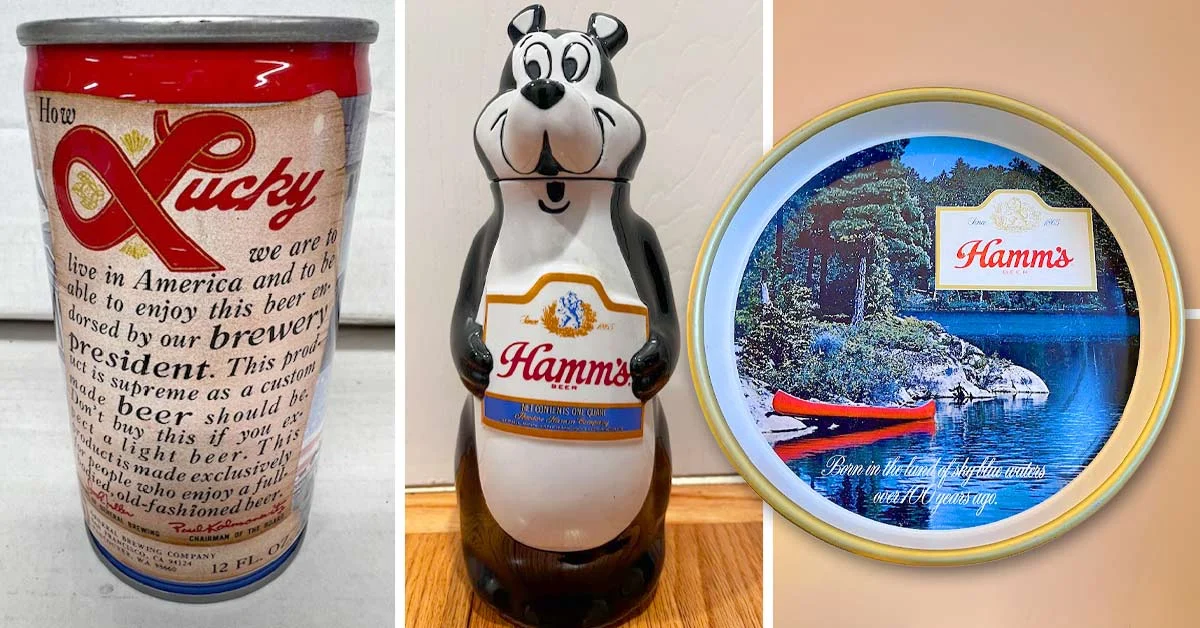
While the iconic verses of Emma Lazarus’s "The New Colossus" are most frequently associated with the bustling piers of Ellis Island and the tenements of New York City, a parallel narrative of the American Dream unfolded on the Pacific Coast during the 20th century. In San Francisco, the "golden door" was not merely a poetic metaphor but a literal gateway to industrial prosperity. For thousands of Eastern European immigrants—specifically those from the Slovene community—this prosperity was found not in the gold mines of the Sierra Nevada, but on the factory floors of the city’s massive brewing complexes. The evolution of San Francisco’s beer industry served as a primary engine for upward mobility, transforming a marginalized migrant population into a stable, home-owning middle class.
The Foundation of San Franciscos Industrial Brewing
The history of brewing in San Francisco is inextricably linked to the city’s rapid metamorphosis from a quiet outpost into a global maritime hub. In 1834, Richard Henry Dana Jr. documented the early days of the region in his memoir Two Years Before the Mast, describing a landscape of "worlds not realized." By the time he returned in 1858, the Gold Rush had catalyzed an explosion of commerce. However, as Dana and other contemporary observers noted, the real fortunes were rarely made in the mines. Instead, they were built by the merchants, tradesmen, and manufacturers who supplied the growing population.
Beer was a staple of this new economy. The first recorded shipment of bottled beer arrived in San Francisco in 1843 via merchant Benjamin T. Reed. However, the city’s unique climate necessitated innovation. Without access to large quantities of ice, early brewers developed "steam beer," a process where the heated wort was cooled in large, shallow rooftop vats, utilizing the city’s natural Pacific breezes to trigger fermentation. This method became the signature of the San Francisco brewing scene, eventually championed by the Anchor Brewing Company.
The early 20th century brought a series of existential threats to the industry. The Great Earthquake of 1906 leveled many facilities, and the onset of Prohibition in 1920 forced many brewers to pivot to "near-beer," malt syrups, or soft drinks. Additionally, the anti-German sentiment following World War I marginalized many of the industry’s founding families. Despite these setbacks, the repeal of the 18th Amendment in 1933 sparked a renaissance. Iconic brands such as Lucky Lager, Acme Brewing, and the San Francisco Brewing Corp. (later known as Burgermeister) emerged to define the mid-century era.
The Slovene Migration and the Search for Stability
The Slovene-American story is a distinct chapter in the broader history of South Slavic migration. In the 1920s, an estimated 228,000 Slovenes and their descendants resided in the United States, primarily concentrated in the industrial heartlands of Ohio, Pennsylvania, and Illinois, or the mining districts of Montana and Idaho. For many, the West Coast represented a secondary migration—a search for a more temperate climate and more diverse economic opportunities.
Following World War II, San Francisco became a magnet for veterans of Slovene descent. Many had served in the European theater, including General George S. Patton’s Third Army, and returned to a United States poised for an industrial boom. Initially, these workers found employment in heavy industries like Soule Steel, which produced landing craft and barges for the war effort. However, as defense contracts waned in the late 1940s, the Slovene community looked toward the city’s burgeoning "Beer Belt" in the Mission and Potrero Hill districts.
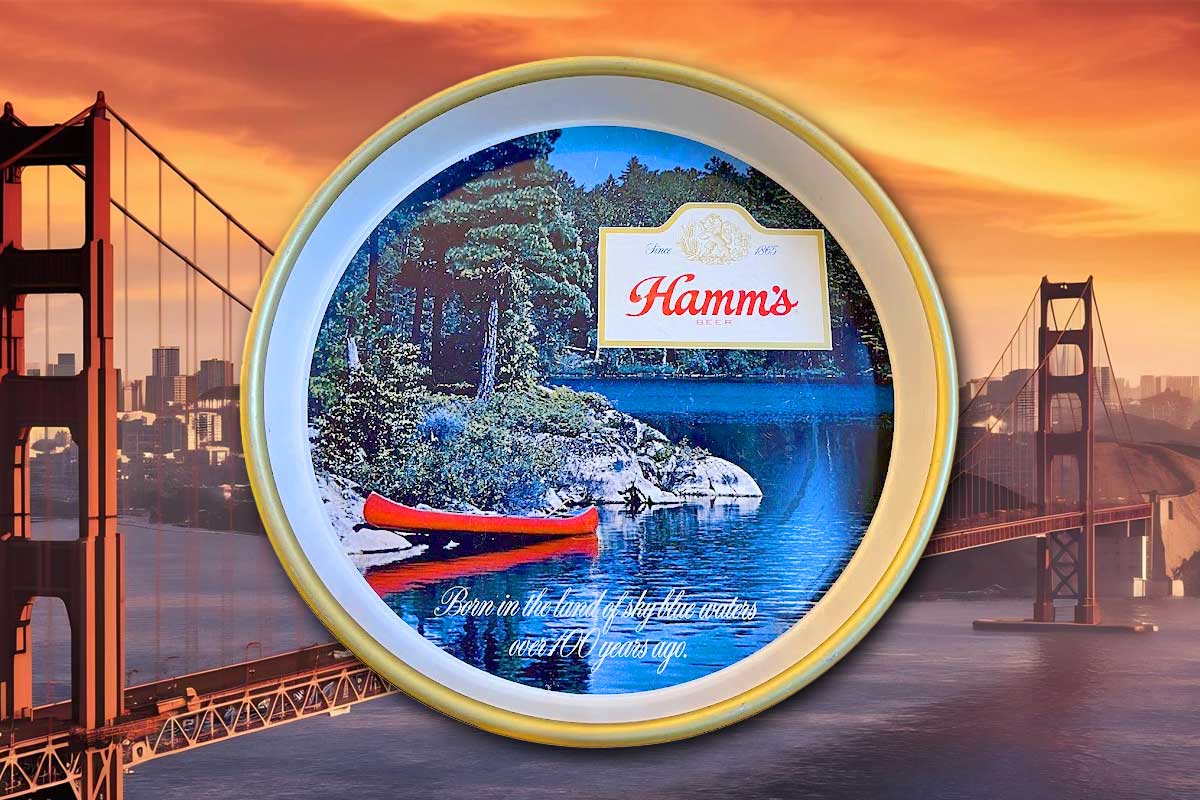
The transition into the brewing industry was often facilitated by kinship networks. At Burgermeister, an early Slovene employee named Joseph Klemens became a bridge for his community, encouraging fellow immigrants and returning veterans to apply for positions on the bottling lines and in the warehouses. By the 1950s, more than a dozen Slovene-American families were supported by the steady wages of a single brewery.
Labor Dynamics and the Immigrant Melting Pot
The brewing floors of the 1950s and 60s served as a social and economic laboratory. At the time, San Francisco was not immune to the ethnic prejudices of the era. Signs reading "No Bohunks Need Apply"—a derogatory term for Czechs, Slovenes, and Slovaks—were not uncommon in certain business sectors. However, the management at Burgermeister and other major plants adopted a more pragmatic approach, hiring based on labor capacity rather than ethnic origin.
The workforce was a tapestry of European immigration, including Irish, French, Italian, and Scottish laborers. By the 1970s, the industry began to integrate further, hiring African American workers as the city’s demographics shifted. According to historical accounts from the period, the brew floors were characterized by a functional harmony born of shared labor goals.
The work was physically demanding and categorized largely as blue-collar labor. Key roles included:
- Packaging and Warehousing: Laborers packed glass bottles and later aluminum cans onto large pallets.
- Logistics: Forklift operators moved massive kegs and pallets for distribution.
- Production Line: Workers monitored the "fillers," ensuring bottles were filled and capped at high speeds.
- Quality Control: Technicians tested pH levels and product consistency to maintain brand standards.
At the height of production, a single eight-hour shift with a crew of 40 workers could process upwards of half a million units. This high volume allowed for extensive overtime during the peak summer months, where "double shifts" during the swing and graveyard schedules became a common way for immigrant families to build significant savings.
Economic Impact and the Role of Organized Labor
The primary driver of the Slovene-American success story in San Francisco was the strength of organized labor. The brewing industry was a stronghold for the Teamsters and other unions, which ensured that manual labor was rewarded with a living wage, health benefits, and, most importantly, a pension.
The security provided by these unions allowed immigrant families to experience rapid upward mobility. Wages from the brewery were often reinvested into the community through the purchase and renovation of the city’s Victorian "painted ladies," many of which were in disrepair following the mid-century flight to the suburbs. Furthermore, the high wages allowed the second generation—the children of the brewery workers—to pursue higher education. It was a common tradition for the sons of Slovene workers to join the union during their summer breaks, earning enough in three months to cover their university tuition for the year.
The political consciousness of these workers was also shaped by their labor affiliations. During the 1973 boycott of the Coors plant—prompted by allegations of employment discrimination and union-busting—the Slovene workers in San Francisco stood in solidarity with the national movement, reflecting a deep-seated belief in the protective power of the union.
Technological Displacement and the Craft Pivot
The era of the large-scale industrial brewery in San Francisco began to wane in the late 1970s. The same technological innovation that fueled the Bay Area’s burgeoning tech sector eventually reached the factory floors. Automation began to replace manual tasks in the bottling and canning lines, reducing the need for a large human workforce.
By the early 1980s, many of the historic plants had closed or relocated. The Burgermeister factory, once a hub of Slovene labor, was eventually repurposed and now serves as the site of a Costco wholesale warehouse. Many workers transitioned to other beverage plants, such as those producing soft drink syrups for Coca-Cola or Dr Pepper, while others moved to the more modern Anheuser-Busch facility in Fairfield, California.
However, as the industrial giants faded, a new movement was taking root. In 1965, Fritz Maytag purchased a struggling Anchor Brewing Company. By focusing on quality over quantity and traditional brewing methods, Maytag laid the groundwork for the American craft beer revolution. This shift moved the industry away from the high-volume manual labor of the mid-century and toward the specialized, artisanal model that defines the San Francisco beer scene today.
Legacy and Modern Significance
The legacy of the Slovene-American brewery workers lives on in the cultural and physical fabric of San Francisco. While the massive bottling lines are gone, the city remains a global destination for beer enthusiasts. Events like SF Beer Week continue to celebrate the region’s brewing heritage, featuring hundreds of Northern California breweries.
The connection to Slovenia has also come full circle. Today, Slovenia boasts a thriving beer culture of its own, centered around the Laško and Union brands. Modern European bottle shops in the Bay Area frequently stock these labels, offering a liquid link between the old country and the new.
For the descendants of the Slovene immigrants, the story is one of gratitude for the "work of their hands." The brewing industry provided more than just a paycheck; it provided the stability necessary to plant roots in one of the world’s most dynamic cities. As John Steinbeck wrote in his 1945 novel Cannery Row, "There’s nothing like that first taste of beer!" For the Slovene-American community of San Francisco, that taste was the flavor of a hard-won, middle-class reality. The "lamp beside the golden door" was, for many, the glowing neon sign of a neighborhood brewery, signaling a place where a newcomer could work, thrive, and belong.