admin
admin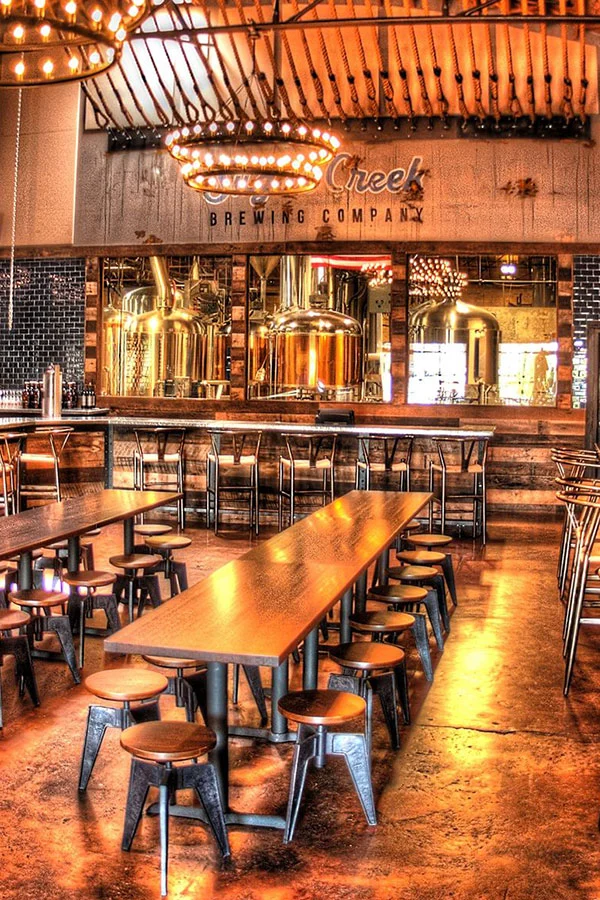
Artificial intelligence has rapidly transitioned from a niche technological curiosity to a foundational pillar of the modern global economy, influencing sectors as diverse as autonomous transportation, defense intelligence, and education. While the technology is frequently framed as a disruptive force capable of displacing human labor, its integration into the craft beer industry suggests a more nuanced reality: a symbiotic relationship where machine learning enhances human creativity and operational precision. From the meticulous monitoring of packaging lines in North Carolina to the generation of complex, boundary-pushing recipes in Massachusetts and Michigan, AI is no longer a futuristic concept for American brewers—it is a functional tool currently shaping the contents of the pint glass.
Precision in the Packinghouse: AI as a Quality Control Guardian
For many craft breweries, the initial adoption of artificial intelligence has been rooted in the pragmatic pursuit of efficiency and waste reduction. Brewing is a resource-intensive process where minor fluctuations in temperature or pressure can result in significant financial losses. Sugar Creek Brewing Company, based in Charlotte, North Carolina, has emerged as a pioneer in this space by integrating an AI-driven network of sensors to oversee its packaging operations.
The brewery utilizes a sophisticated system of Internet of Things (IoT) devices that monitor critical variables in real-time, including beer temperature, fill levels, and foam consistency during the bottling and canning process. By employing AI to analyze this data stream, the system can identify patterns that lead to "breakouts"—instances where excessive foam causes product waste. Before the implementation of this technology, such issues often required manual intervention and retrospective troubleshooting. Now, the predictive capabilities of machine learning allow the brewery to maintain a more consistent product, ensuring that every can meets quality standards while simultaneously protecting the company’s bottom line. This application reflects a broader trend in the $28 billion U.S. craft beer market, where breweries are increasingly turning to data-driven solutions to navigate rising ingredient costs and competitive pressures.
From Code to Cask: The Rise of the Generative Recipe
Beyond the factory floor, a more experimental movement is taking hold: the use of Large Language Models (LLMs) and custom neural networks to design the beer itself. Traditionally, recipe development is a labor-intensive process involving months of research, pilot batches, and sensory analysis. Artificial intelligence has demonstrated an ability to compress this timeline from weeks to minutes.
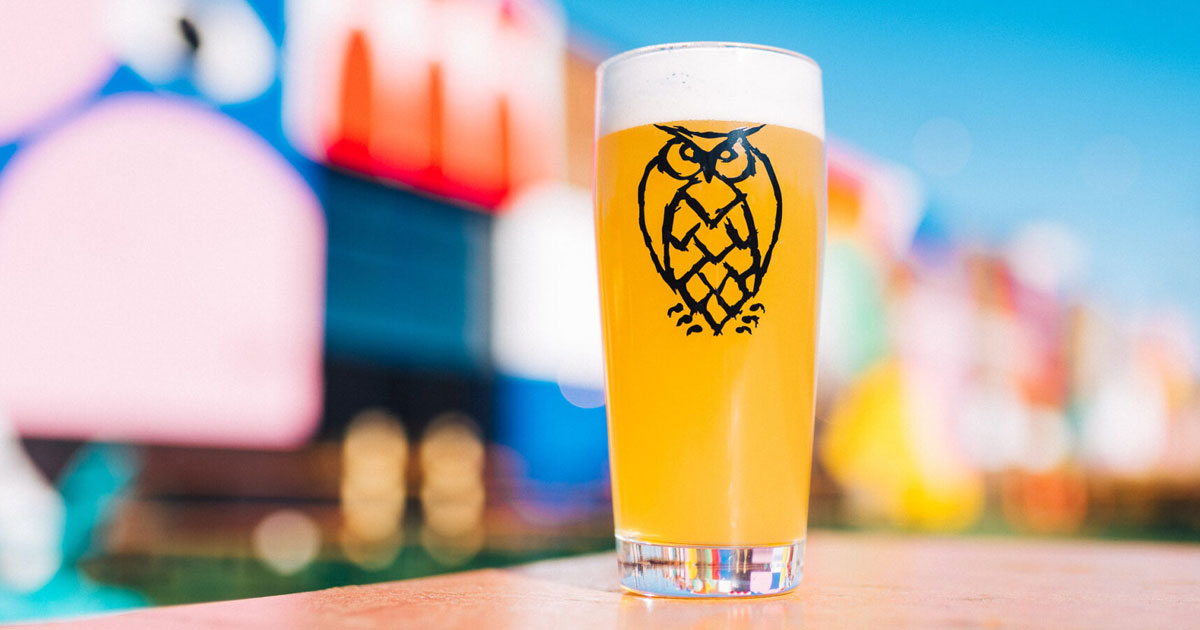
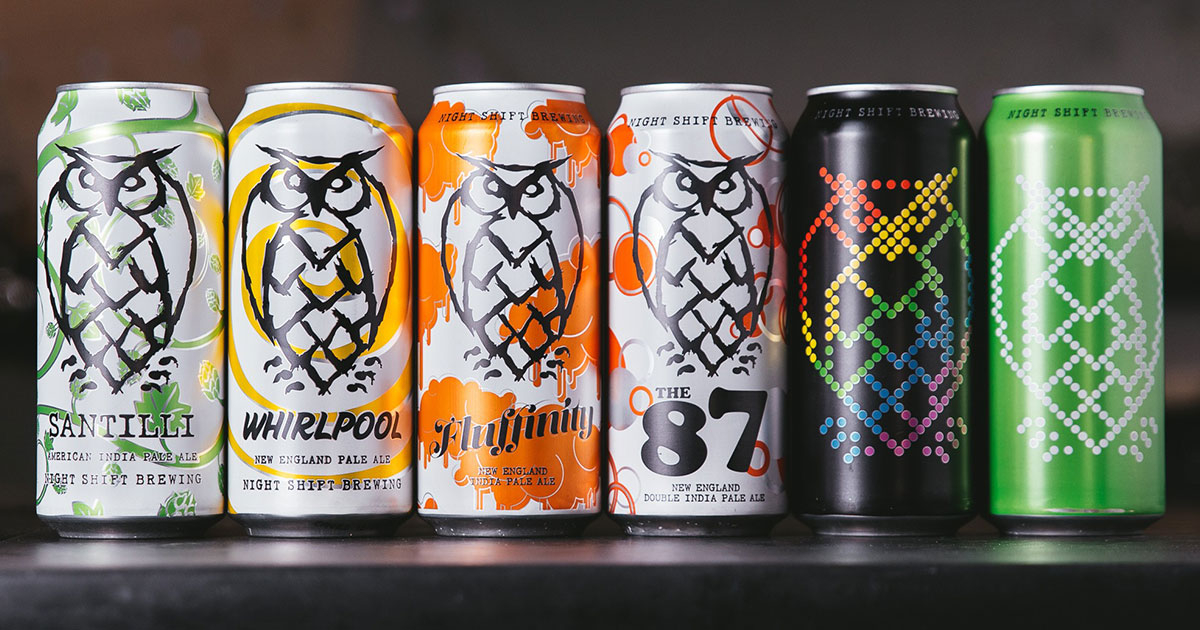
In Boston, Night Shift Brewing explored the creative potential of OpenAI’s ChatGPT to develop a new Hazy IPA. Michael Oxton, the brewery’s co-founder, noted that the model was capable of generating a comprehensive brewing plan, including a specific water profile, grain bill, and hop schedule. One of the most striking outcomes was the AI’s ability to calculate a target water profile—a complex chemical balance of minerals like calcium, magnesium, and sulfates—almost instantaneously. "It might take us a few weeks or even a month to come up with something like that based on a lot of research and testing," Oxton observed.
The resulting beverage, dubbed "AI-PA," featured a complex flavor profile of mango, watermelon, and lemon-lime citrus. While the AI provided the foundation, the human element remained essential; the brewing team had to adjust the recipe to account for available inventory and the physical limitations of their specific equipment. This highlights a critical theme in the industry: AI serves as a "creativity enhancer" rather than a replacement for the master brewer’s intuition.
The Technical Deep Dive: Species X and Neural Network Brewing
While some breweries use off-the-shelf AI models, others are building proprietary systems designed specifically for zymurgy—the study of fermentation. The now-closed Species X Beer Project, led by founder Beau Warren, represented perhaps the most advanced integration of data science and brewing to date. Warren, whose background bridges beer microbiology and data analytics, developed seven distinct AI models to guide his "Silicon Species" line of beers.
Warren’s approach utilized a combination of regression models and neural networks. Regression models were employed to predict quantitative outcomes, such as Alcohol by Volume (ABV) and International Bitterness Units (IBUs), while neural networks were trained on vast datasets of beer styles, water chemistry, and customer reviews. This allowed the AI to identify flavor combinations that a human brewer might overlook due to traditional training or cognitive bias.
One notable creation was an amber lager brewed with 100% Maris Otter malt—a choice that contradicts standard brewing conventions, as Maris Otter is typically reserved for heavier ales like porters and stouts. The AI-generated recipe resulted in a balanced, commercially successful lager that defied industry norms. Another project, a "Beh3moth" imperial pastry Baltic porter, involved a staggering array of ingredients: three types of fruit, coffee, vanilla, 12 varieties of malt, lactose, and marshmallows, all dry-hopped like a New England IPA. Warren described the result as "literally unlike anything I have ever had in my life," illustrating how AI can push the boundaries of "balanced" flavor in ways that human tradition might discourage.
The Digital Cellarman: Streamlining Yeast Selection
The influence of AI extends into the microscopic realm of yeast propagation. Propagate Lab, a Colorado-based facility, introduced "Yeast Buddy," an AI-powered chatbot designed to help brewers navigate the overwhelming diversity of fermentation agents. With over 120 yeast strains in their database, selecting the optimal microorganism for a specific flavor profile can be a daunting task.
Matthew Peetz, founder of Propagate Lab, likens the tool to a digital library catalog. By inputting desired parameters—such as ester production, flocculation rates, and temperature tolerance—brewers can receive tailored recommendations. This prevents "pigeonholing," where brewers default to familiar yeast strains because the research required to find an alternative is too time-consuming. By lowering the barrier to entry for experimental fermentation, AI is indirectly fostering greater biodiversity within the craft beer ecosystem.
A Chronology of AI Integration in American Brewing
The adoption of AI in the brewing sector has followed a rapid trajectory over the last five years:
- 2019-2020: Early adopters begin using IoT sensors and basic data analytics for supply chain management and refrigeration monitoring.
- 2021-2022: The rise of generative AI prompts craft breweries like Atwater Brewing (Detroit) and Asbury Park Brewery (New Jersey) to release "AI-IPAs," primarily as marketing-driven experiments to gauge consumer interest.
- 2023: Sophisticated startups like Species X begin using custom-coded neural networks to move beyond simple text prompts, incorporating proprietary chemical data into recipe generation.
- 2024-Present: AI tools become integrated into the "back office" of brewing, with platforms like Yeast Buddy and automated quality control systems becoming standard considerations for mid-to-large-scale craft operations.
Analysis of Implications: Augmentation vs. Replacement
Despite the impressive capabilities of machine learning, industry experts remain adamant that the "taproom takeover" by robots is unlikely. The consensus among professionals like Oxton and Warren is that AI functions best as a "superhuman" assistant. There are several structural reasons why the human brewer remains indispensable:
- The "Calculator" Limitation: As Matthew Peetz noted, AI is only as effective as the data it receives. If a brewer inputs incorrect parameters or fails to account for the nuances of their specific raw materials (which can vary by harvest year), the AI will produce a flawed recipe.
- Physical Guardrails: AI models do not inherently understand the laws of physics or the mechanical limits of a brewhouse. Human intervention is required to ensure that a recipe won’t clog a mash tun or cause a fermentation tank to overflow.
- Sensory Vetting: While AI can predict flavor profiles based on data, it cannot "taste" the final product. The final verification of quality and "soul" remains a sensory human experience.
- The Economic Reality: High-tech brewing is not a guaranteed path to financial success. The recent closure of Species X Beer Project—despite its technological prowess—underscores that AI cannot insulate a business from broader economic pressures, such as rising real estate costs and shifts in consumer spending.
Future Outlook: The Hybrid Brewhouse
The future of craft beer likely lies in a hybrid model where AI handles the "heavy lifting" of data analysis, allowing humans to focus on the artistic and community-focused aspects of the trade. As the technology becomes more accessible, it is expected that even smaller neighborhood breweries will utilize AI for inventory management, energy optimization, and social media engagement.
In the long term, the integration of AI may lead to a new era of "hyper-personalization" in craft beer. Imagine a taproom where AI analyzes a customer’s previous preferences to recommend a custom-blended pour, or where breweries use predictive modeling to anticipate seasonal flavor trends months before they hit the mainstream.
For now, the industry remains in a state of cautious optimism. While AI can draft a recipe for a marshmallow-stout-IPA hybrid in seconds, it still takes a human to clean the tanks, manage the fermentation, and share a pint with the community. As Beau Warren aptly summarized, the technology "makes humans superhumans," but it is the human element that continues to provide the heart of the craft beer movement. In an increasingly automated world, the pint of beer remains one of the few products where the touch of the maker—assisted by the precision of the machine—is still palpable.