admin
admin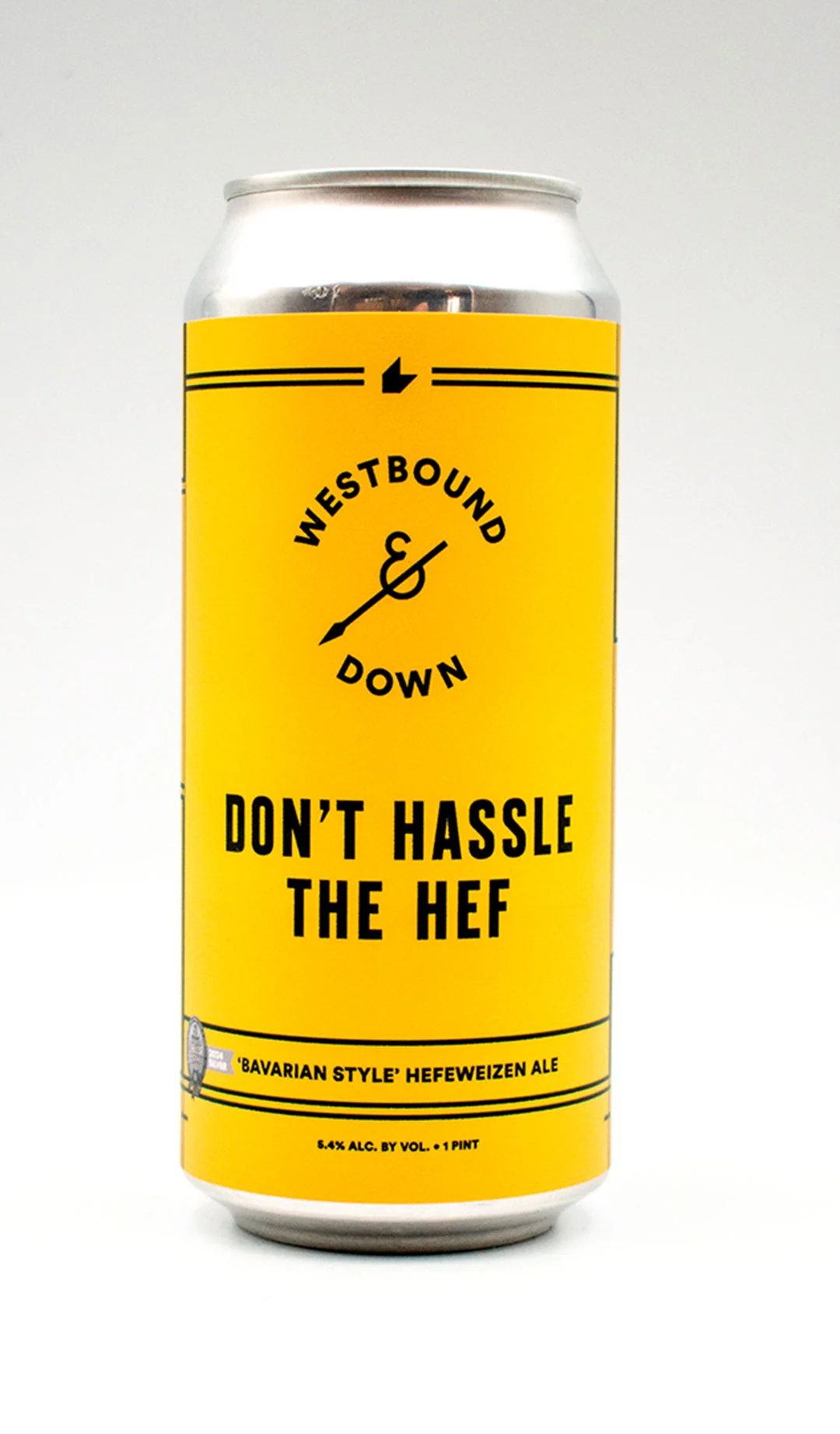
When DankHouse Brewing received a prestigious invitation to pour at the Juicy Brews IPA festival in early 2020, co-founder Josh Lange faced a technical dilemma that would eventually lead to a "scooping party" involving dozens of jars of baby food. Lange, who established the Newark, Ohio-based brewery in 2017 alongside his wife, Heather, intended to showcase "Banana Peel’d," a hazy India Pale Ale (IPA) infused with banana purée. Despite the beer’s existing popularity, the couple felt the flavor profile was insufficient for the discerning palates at the Pittsburgh-based festival. With aseptic purée unavailable for rapid shipping and store-bought fruit causing unappetizing oxidation, the brewers discovered that their preferred commercial purée shared an identical ingredient profile with Gerber banana baby food. This realization prompted a frantic sweep of grocery stores within a 40-mile radius of Columbus to secure enough supply to amplify the beer’s aromatic intensity.
This anecdote illustrates a broader, more complex movement within the American craft beer industry. Once relegated to the subtle phenolic and ester-driven profiles of German wheat beers, the banana has become a focal point for innovation, spanning from refreshing ales to decadent, high-gravity "pastry" stouts. However, the path to achieving a clean, potent banana character is fraught with regulatory hurdles, chemical complexities, and significant economic investment.
The Regulatory Landscape and the TTB Pivot
For decades, the use of bananas in commercial brewing was strictly regulated by the Alcohol and Tobacco Tax and Trade Bureau (TTB). Historically, bananas were not categorized as a "traditional" brewing ingredient, unlike malted grains, water, yeast, and hops. This classification required breweries to submit lengthy formula exemptions and receive federal approval before they could legally bring a banana-infused product to market. This bureaucratic barrier often discouraged smaller operations from experimenting with the fruit.
A significant shift occurred in late 2023 when the TTB expanded its list of ingredients exempt from formula requirements. This deregulation included several fruits, including bananas, acknowledging their widespread use in the modern craft landscape. This policy change has streamlined the production pipeline for breweries like DankHouse and others, allowing for more agile responses to market trends and seasonal demands. The removal of these administrative hurdles marks a turning point, signaling the formal acceptance of "adjunct-heavy" brewing styles in the eyes of federal regulators.
The Science of Scent: Isoamyl Acetate and the Gros Michel Legacy
The sensory association between beer and bananas is rooted in organic chemistry, specifically a fruity ester known as isoamyl acetate. To understand the modern obsession with this flavor, one must look back a century to the era of the Gros Michel banana. Prior to the 1950s, the Gros Michel, or "Big Mike," was the dominant cultivar in the global market. It was characterized by high concentrations of isoamyl acetate, providing a flavor that is now largely associated with "artificial" banana candies like Runts or Laffy Taffy.
When a fungal outbreak known as Panama disease decimated the Gros Michel populations, the industry pivoted to the Cavendish variety. While the Cavendish is more resistant to certain diseases, it contains significantly lower levels of isoamyl acetate. This botanical shift created a permanent sensory disconnect for consumers: real bananas now taste "mild," while the chemical signature of the Gros Michel lives on in artificial flavorings and, notably, in certain styles of beer.
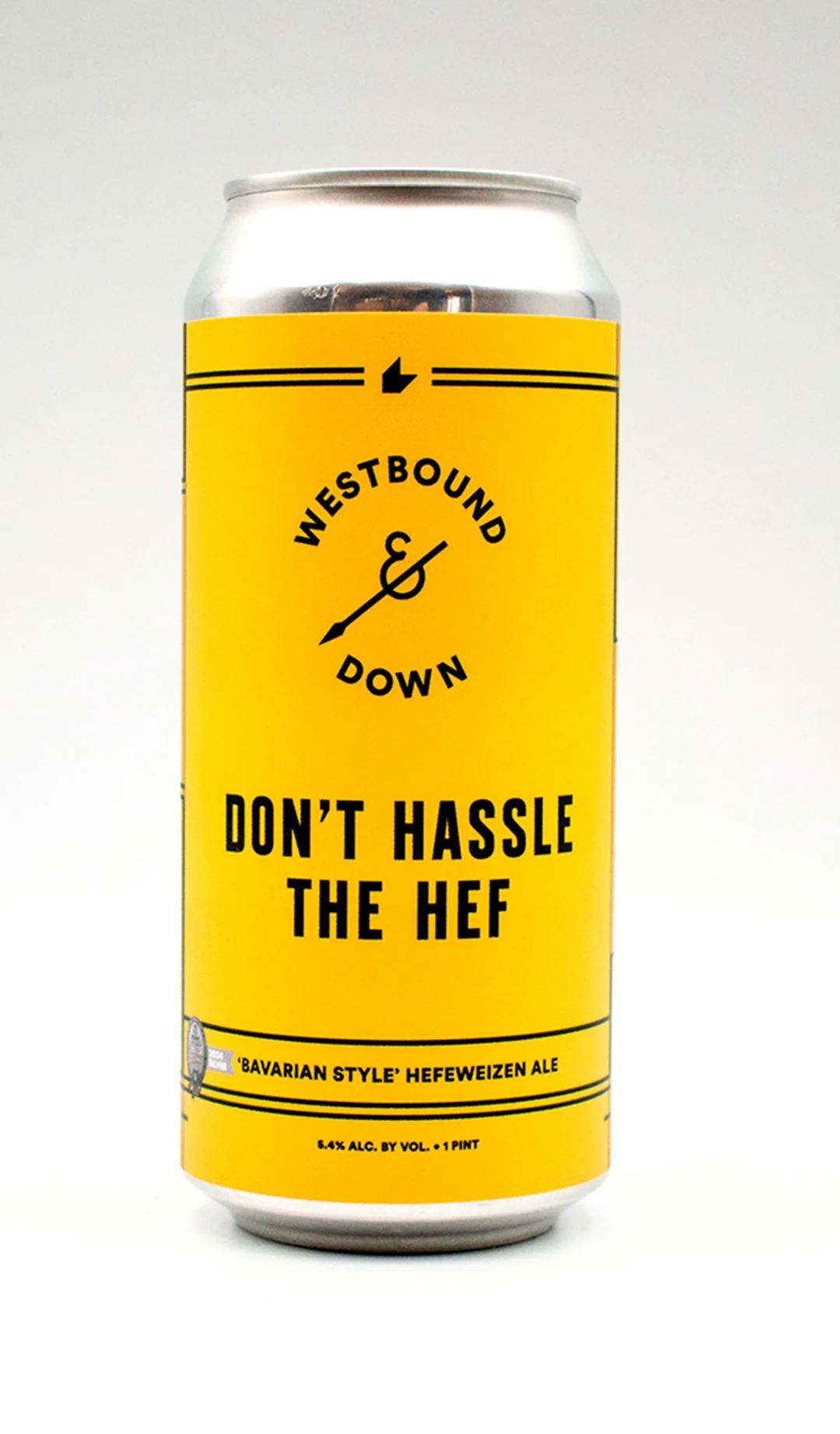
In the brewing process, isoamyl acetate is a natural byproduct of fermentation. While it is considered an "off-flavor" in many styles—suggesting a stressed fermentation or improper temperature control—it is the defining characteristic of the German Hefeweizen. Derek Goodman, head brewer at Westbound & Down Brewing in Colorado, notes that a high-quality Hefeweizen should smell less like a fresh Cavendish and more like a handful of crushed banana candies.
Technical Mastery in Traditional Styles
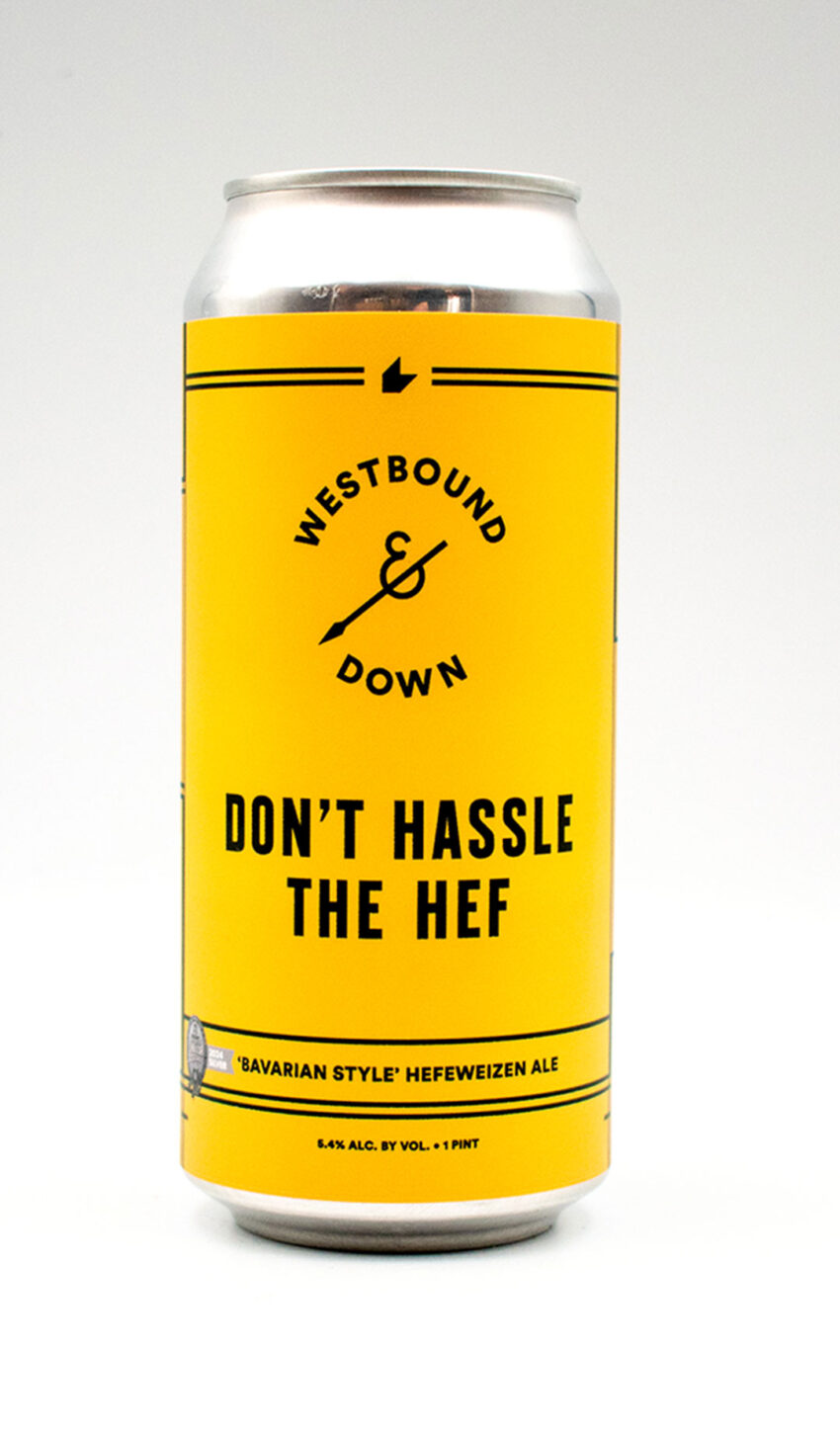
Achieving the perfect banana ester without the use of actual fruit requires a deep understanding of yeast kinetics. At Westbound & Down, the award-winning "Don’t Hassle the Hef" is produced through a process of intentional yeast stress. Goodman employs a technique known as "under-pitching," where he introduces only one-third of the standard recommended yeast cell count into the wort. By simultaneously minimizing available oxygen, he forces the yeast to reproduce rapidly and aggressively to compensate.
This metabolic struggle triggers the production of the desired fruity esters. "The yeast gets greedy," Goodman explains, noting that this method creates the signature banana and orange aromas that earned his brewery a silver medal at the 2024 Great American Beer Festival. Similarly, Logan Ackerley of Wallenpaupack Brewing in Pennsylvania reports that their flagship Hawley Hefeweizen is frequently requested by customers specifically as "the banana beer," highlighting the consumer’s growing affinity for this specific aromatic profile.
Data from yeast suppliers suggests this is not a localized trend. Jeff Mello, founder of Nashville-based Bootleg Biology and Spot Yeast, reports that Hefeweizen yeast has surged to become their second best-selling strain, trailing only the specialized yeasts used for hazy IPAs. This indicates a resurgent interest in traditional styles that naturally highlight the banana profile through biological rather than additive means.
The Rise of the Pastry Stout and the "Cheetos Dilemma"
While traditionalists rely on yeast, a new school of brewers is utilizing massive quantities of fruit to create "dessert in a glass." This category, often referred to as pastry stouts or "smoothie" beers, utilizes banana purées to provide body, sweetness, and a creamy mouthfeel.
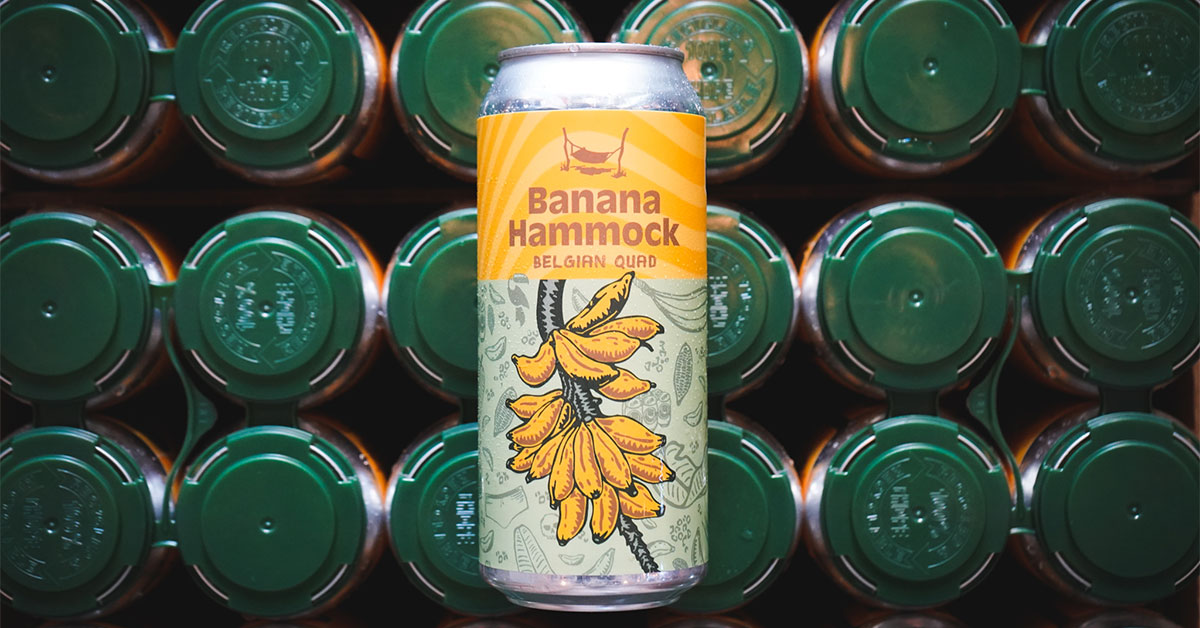
At Crooked Hammock Brewery in Delaware, director of brewing operations Larry Horwitz produces "Banana Hammock," a 15% ABV Belgian-style quadrupel. Horwitz’s approach involves adding banana purée after the primary fermentation has concluded. He describes a phenomenon he calls the "Cheetos dilemma": if yeast is given simple sugars from fruit too early, it will ignore the more complex sugars from the malt, much like a person choosing junk food over a healthy meal. To ensure a complete and healthy fermentation, the "junk food" (the banana sugars) must be introduced only when the yeast has finished its primary work.
However, the use of purée is not without risks. Nick Panchamé, president of HOMES Brewery in Michigan, warns that adding bananas during active fermentation can lead to the production of excess sulfur and other unpleasant off-flavors. Furthermore, the thick, viscous texture of heavily fruited beers remains polarizing among craft beer enthusiasts, with some consumers finding the "smoothie" consistency unappealing.
The "Grand Cru" of Ingredients: Wild Thai Bananas
For high-end, barrel-aged releases, many elite breweries have moved away from purées in favor of a more concentrated and expensive ingredient: dried wild Thai bananas. Rodrick Markus, CEO of Chicago’s Rare Tea Cellar, has become the primary importer of what he calls the "Grand Cru of bananas." These fructose-rich, sun-dried fruits offer an intense, caramelized banana flavor without adding the excess water or fiber found in fresh fruit or purées.
The adoption of Thai bananas by industry leaders like Other Half and Evil Twin in 2019 set a new standard for the "pastry" category. These bananas allow brewers to infuse imperial stouts with a concentrated flavor that stands up to months of barrel aging. The economic impact is substantial; during the COVID-19 pandemic, Markus reported selling nearly 1,000 pounds of these bananas weekly to breweries, even as restaurant orders plummeted.
However, the cost of this "labor of love" is significant. Matt Tarpey, co-founder of The Veil Brewing in Richmond, Virginia, notes that achieving a truly "crazy" banana character requires upwards of 10 pounds of dried fruit per barrel. At current market rates—exacerbated by a 35% tariff on Thai imports—the cost can exceed $500 per barrel just for the banana component. For beers like The Veil’s "Sky Summoner," which also features vanilla beans and toasted coconut, the profit margins are razor-thin. "We’re not losing money," Tarpey says, "but it’s a labor of love."
Broader Impact and Industry Implications
The "banana moment" in craft brewing reflects a larger shift in consumer behavior. Modern drinkers are increasingly seeking "experiential" beverages—drinks that mimic familiar food flavors or provide a nostalgic sensory experience. The success of banana-themed events, such as the "Banana Brunch" at Nashville’s Fait La Force Brewing, where Hefeweizen is paired with ice cream, suggests that the fruit has moved beyond a brewing niche into a lifestyle category.
Furthermore, the technical innovations developed to master banana flavors—whether through yeast stress, sugar timing, or the sourcing of exotic dried fruits—are being applied to other fruit-forward styles. The industry’s ability to navigate the "Cheetos dilemma" and manage the volatile aromatics of isoamyl acetate represents a maturing of craft brewing science.
As the TTB continues to modernize its regulations and as global supply chains for specialized ingredients like Thai bananas stabilize, the presence of banana in the American pint glass is likely to expand. From the "baby food" hacks of small-town breweries to the high-stakes economics of imperial stouts, the appeal of the peel has become a permanent and sophisticated fixture of the craft beer revolution. Whether through the biological magic of a traditional German yeast or the concentrated power of sun-dried fruit, brewers have proven that there are indeed a bunch of ways to bring the banana to the forefront of the industry.