admin
admin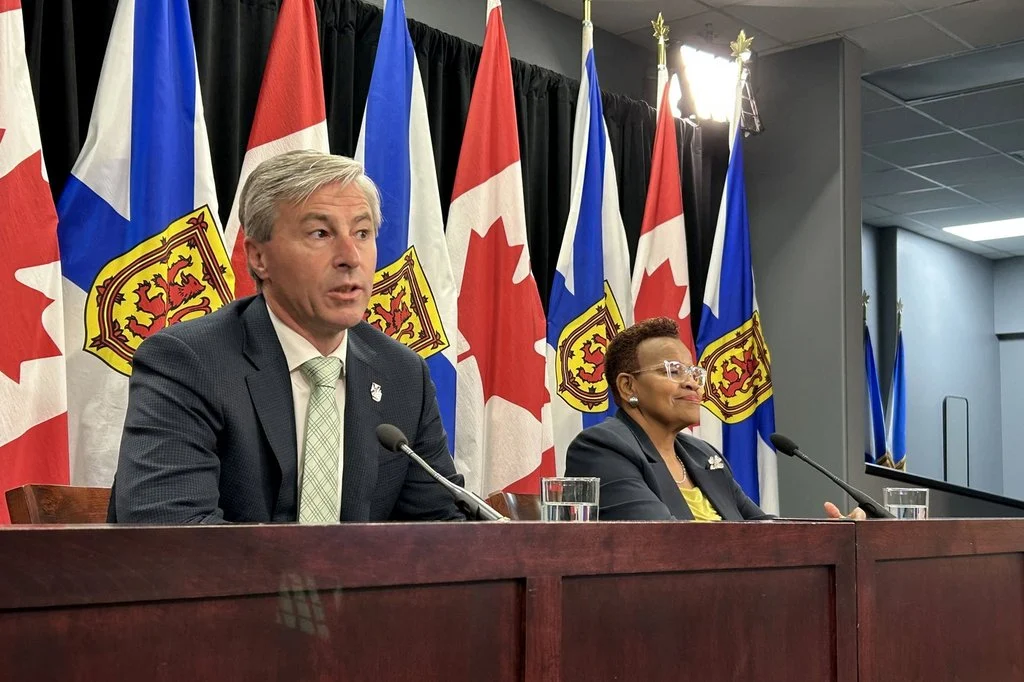
Nova Scotia Premier Tim Houston has embarked on a novel approach to provincial fiscal planning, inviting the public to actively participate in building and submitting their own budget proposals for the province. This innovative initiative aims to democratize the often-opaque process of government finance, fostering greater transparency and public engagement in shaping the future economic direction of Nova Scotia. The announcement, made on Friday, marks a significant departure from traditional top-down budget preparations, seeking to incorporate citizen perspectives directly into the heart of policymaking.
The Premier’s Vision: A Call for Citizen-Led Fiscal Planning
At the core of Premier Houston’s initiative is a new provincial website designed to serve as a digital platform for public participation. Through this online portal, Nova Scotians will be able to construct their own provincial budgets, allocating funds across various government departments and programs, and subsequently submit their proposals directly to the government. This mechanism is intended to provide citizens with a tangible understanding of the complexities and trade-offs inherent in provincial financial management.
"We’re putting the actual government numbers in front of Nova Scotians and showing them this is where the money goes, these are the pressures that we face," Premier Houston explained to reporters on Friday. He articulated the fundamental questions underpinning this consultation: "What would you do? If you spend more here, where do you spend less? … If you want something new, how would you pay for it?" This approach is a deliberate attempt to demystify government spending, enabling citizens to grapple with the same budgetary constraints and choices that provincial finance officials face.
Houston drew a relatable analogy to household finance, suggesting that the government’s budgeting process mirrors how families manage their own finances at the kitchen table. He emphasized the necessity of covering vital expenses such as rent, groceries, and utilities before considering discretionary spending. This comparison aims to make the provincial budget feel less abstract and more aligned with the everyday financial realities of Nova Scotians, encouraging a practical and responsible approach to public funds.
A Direct Response to Past Controversies and Public Outcry
This groundbreaking invitation for public input comes just months after the Houston government’s previous budget, unveiled in March, ignited a significant public outcry and triggered days of widespread protests across the province. That budget, initially projected to land with a record $1.2-billion deficit despite proposed cuts totaling over $304 million, faced intense criticism for its impact on various community groups. The government had initially moved to reduce discretionary grants by approximately $130 million, a measure that disproportionately affected organizations supporting the arts, First Nations communities, African Nova Scotians, and individuals with disabilities.
The public’s dissatisfaction was palpable, manifesting in sustained demonstrations around the provincial legislature. The sheer volume and intensity of public pressure ultimately compelled Premier Houston to reverse about $53 million worth of the proposed grant reductions before the revised budget was finally adopted. This reversal underscored the significant power of organized public protest and highlighted a perceived disconnect between the government’s fiscal priorities and the needs expressed by its constituents.

The discontent was not limited to the provincial capital. In a striking incident in July, protesters surrounded a vehicle carrying Premier Houston and some of his staff following a speech at Acadia University in Wolfville, N.S. The demonstration escalated, with one individual reportedly charged after allegedly climbing onto the vehicle and damaging the windshield. These events served as a stark reminder of the deep public concern regarding the government’s financial decisions and the perceived lack of engagement with affected communities.
Reflecting on the preceding budget cycle, Premier Houston candidly admitted, "We got too clinical (in the last budget) with spreadsheets and less human with understanding the desires of Nova Scotians." He framed the new consultation process as a direct fulfillment of his commitment to rectify this perceived oversight. "My commitment was not to let that happen again, so this is a very clear move toward delivering on that commitment. This is the opportunity for people to have your say. To say ‘Lift your head up from your spreadsheet and listen to how I think, and how I feel about how money should be spent.’" This statement suggests a recognition of the need for a more empathetic and community-focused approach to fiscal governance.
Parameters of Participation: Navigating Real-World Constraints
While the initiative promotes broad public input, Premier Houston also clarified that certain options would remain off the table to ensure the realism and practicality of submitted proposals. Specifically, the online platform will not permit participants to propose increases in provincial taxes or fees, advocate for an increase in the provincial deficit, or suggest reductions in funding for the Department of Health and Wellness.
Houston explained these restrictions are crucial to prevent proposals that are fiscally irresponsible or politically unfeasible. He cited hypothetical examples such as calls to "double taxes or cut 100 per cent of health funding," which, while perhaps reflecting extreme sentiments, would not contribute constructively to a viable budget plan. These limitations, however, also implicitly reflect the government’s own core priorities and fiscal philosophy: a commitment to maintaining current tax levels, avoiding further deficit growth, and safeguarding healthcare funding, which consistently represents the largest single expenditure in any provincial budget.
Beyond the protected health sector, Nova Scotians will have the flexibility to adjust the budgets of all other government departments, allowing for increases or decreases of up to five percent. Furthermore, participants can propose specific funding adjustments for individual programs within these departments. A key stipulation, designed to enforce fiscal discipline, is that any proposed increase in funding for one area must be offset by corresponding savings identified elsewhere within the budget. This requirement forces participants to engage in the difficult but necessary trade-offs inherent in public finance, mirroring the challenges faced by actual budget planners.
Political Reactions and Skepticism
While the Premier’s initiative aims to foster goodwill and engagement, it has not been met with universal acclaim. Liberal caucus chair Becky Druhan issued a statement on Friday expressing skepticism, arguing that the Premier is asking the public to solve a problem of his own making. Druhan suggested that this year’s controversial budget was not an isolated incident but rather indicative of a broader pattern of the government disregarding public sentiment.
"That gives Nova Scotians every right to question whether this consultation is genuine," Druhan stated. She further contended, "A few weeks of pre-budget meetings cannot erase the government’s record of shutting people out." This critique highlights a common concern among opposition parties regarding such public consultations – that they may be perceived as mere political theatre or a superficial attempt to appease a disgruntled public, rather than a sincere commitment to incorporate citizen input into policy. The challenge for the Houston government will be to demonstrate that this consultation is indeed a meaningful exercise, and not simply a public relations strategy.

Economists and political analysts, while often supportive of increased public engagement, also frequently caution that the technical complexities of budget formulation often require expert knowledge that may be difficult for the general public to fully grasp. They may also point out that the self-imposed restrictions on tax increases and deficit spending could limit the scope of truly transformative ideas, potentially channeling public input into a predetermined fiscal framework. However, proponents argue that even within these parameters, valuable insights into public priorities and preferences can be gleaned.
The Consultation Process and Oversight
To ensure the integrity and independence of the consultation process, Public Service Commission Minister Twila Grosse has been appointed to lead the initiative. Premier Houston acknowledged that he and Finance Minister John Lohr could potentially act as "lightening rods" at public meetings, potentially distracting from the core objective of gathering feedback. By having Minister Grosse spearhead the process, the government hopes to create a more neutral and conducive environment for open dialogue. Houston even light-heartedly joked about potentially attending some meetings "hidden behind a curtain," emphasizing his desire for the focus to remain on public input rather than his presence.
An independent committee, also chaired by Minister Grosse, will be responsible for meticulously reviewing all budget submissions received through the online platform and from various in-person consultations. This committee will then compile a comprehensive report, which will be submitted to the Finance Minister. This report is intended to serve as a vital resource for the government as it prepares its next fiscal plan, providing a consolidated view of public priorities and proposed budgetary adjustments. The in-person consultation phase is scheduled to conclude on October 8, after which the committee will undertake its review.
Broader Implications for Governance and Public Engagement
This initiative by the Nova Scotia government represents a significant experiment in participatory governance. In an era where trust in political institutions is often challenged, efforts to directly involve citizens in complex decision-making processes like budget formulation can potentially rebuild confidence and foster a stronger sense of shared ownership in public policy.
Should this process prove successful, it could set a precedent for other jurisdictions seeking to enhance democratic engagement beyond electoral cycles. It forces citizens to move beyond simply critiquing government spending to actively proposing alternative solutions, thereby deepening their understanding of fiscal realities and fostering a more informed citizenry. This type of deliberative democracy can lead to more legitimate policy outcomes, as they are seen to reflect a broader consensus of public will.
However, the success of this initiative will ultimately hinge on several factors: the clarity and accessibility of the online platform, the extent of public participation, the perceived independence and transparency of the review committee, and crucially, the tangible impact that the submitted proposals have on the final budget. If the public perceives that their efforts were genuinely considered and influenced the government’s decisions, it could mark a new chapter in public engagement in Nova Scotia. Conversely, if the process is seen as merely a symbolic gesture, it risks further eroding public trust and reinforcing cynicism about political consultations.
The financial landscape of Nova Scotia, like many provinces, is characterized by persistent challenges, including an aging population, escalating healthcare demands, and the need for sustained investment in infrastructure and economic development. Against this backdrop, innovative approaches to resource allocation are increasingly vital. Premier Houston’s budget consultation process is a bold attempt to harness the collective wisdom of Nova Scotians in navigating these complex fiscal waters, seeking to transform a historically top-down process into a truly collaborative endeavor. Its outcome will be closely watched by citizens and political observers alike, both within Nova Scotia and across Canada, as a test case for enhanced public participation in provincial governance.