admin
admin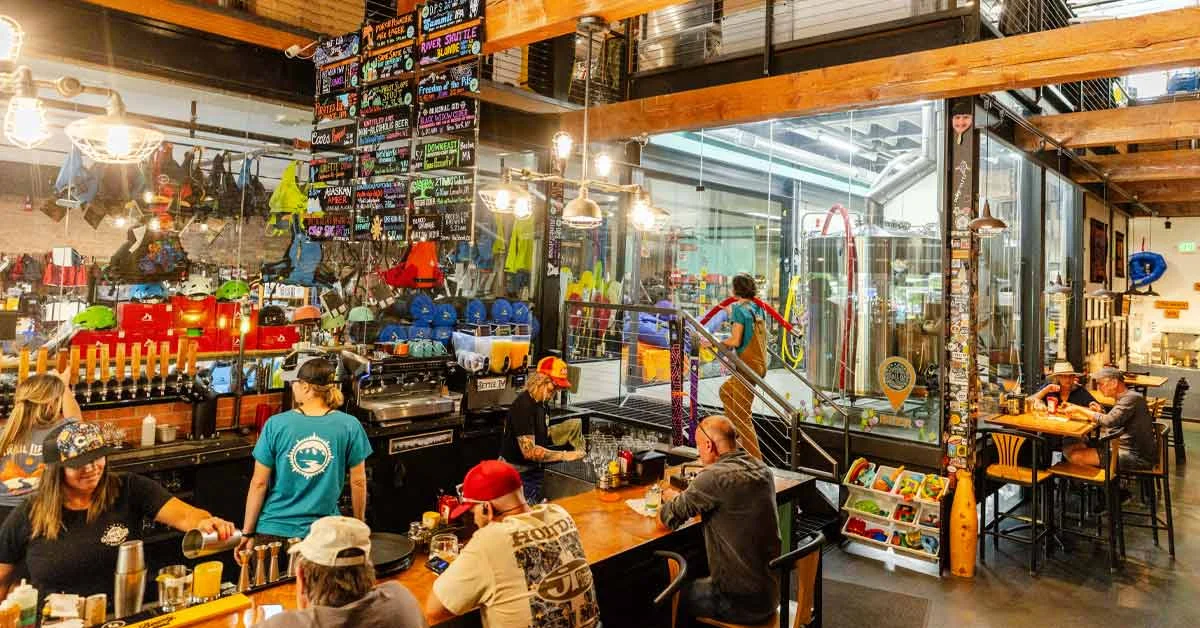
Grand Junction, Colorado, situated at the confluence of the Colorado and Gunnison Rivers, is currently undergoing a significant cultural and economic transformation, positioning itself as a formidable alternative to the overcrowded tourism hubs of the Front Range and the desert Southwest. While destinations such as the Grand Canyon, Zion National Park, and the brewery-dense corridors of Denver and Fort Collins continue to grapple with "over-tourism," Grand Junction offers a comparable level of natural majesty and artisanal craft production with a fraction of the congestion. This shift is driven by a unique synergy between the city’s geological landmarks—the Colorado National Monument, the Grand Mesa, and Rattlesnake Arches—and a rapidly maturing craft beer industry that caters to a demographic of "adventure tourists."
Geological Significance and the "Grand" Landscape
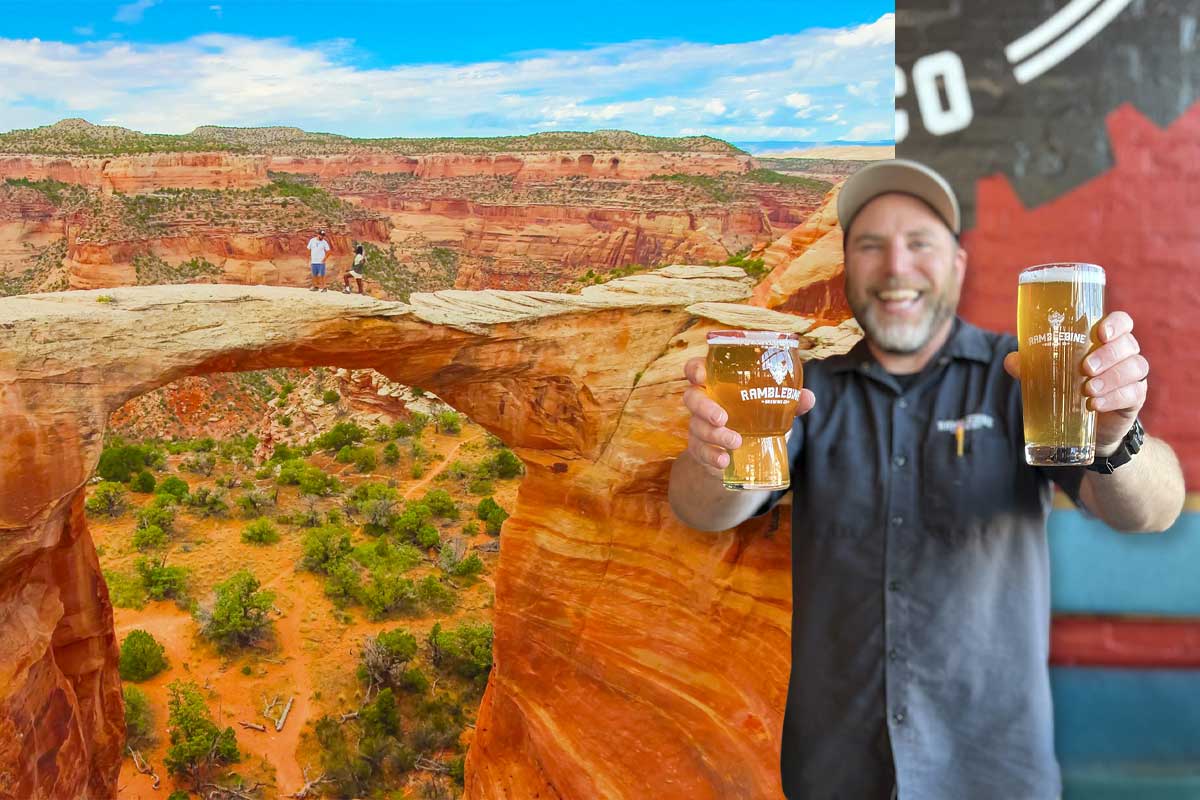
The identity of Grand Junction is inextricably linked to its geography. The city serves as the gateway to the Colorado National Monument, a 32-square-mile landscape of red rock canyons, towering monoliths, and sheer plateaus. Despite its visual similarity to the Grand Canyon, the Monument remains a relatively quiet sanctuary for hikers and cyclists. Geologically, the area represents the northeastern edge of the Uncompahgre Plateau, featuring Precambrian basement rocks topped by layers of Wingate Sandstone.
Complementing the canyonlands is the Grand Mesa, recognized as the largest flat-top mountain in the world. Rising to over 11,000 feet, the Mesa provides a stark alpine contrast to the arid valley floor, housing over 300 lakes and offering year-round recreation from trout fishing to skiing. Furthermore, the region contains Rattlesnake Arches, located within the Black Ridge Canyons Wilderness. This site hosts the second-highest concentration of natural arches in the world, surpassed only by Arches National Park in Utah. The convergence of these three distinct ecosystems—canyon, alpine mesa, and desert arches—creates a topographical variety that is rare within a single municipality’s reach.
The Evolution of the Grand Junction Beer Scene: A 30-Year Chronology
The development of the craft beer industry in Grand Junction has mirrored the city’s broader transition from a transit and agricultural hub to a lifestyle destination. The chronology of this evolution highlights a shift from traditional brewpubs to highly specialized, community-centric breweries.
- The Pioneer Era (1994): The Rockslide Brew Pub opened its doors in 1994, marking the beginning of the local craft movement. At a time when the "Western Slope" of Colorado was largely ignored by the brewing industry, Rockslide established a foundation for fermented malt beverages in the city center, focusing on approachable ales and lagers that catered to a local palate.
- The Modern Expansion (2010–2019): As the national craft beer boom accelerated, Grand Junction saw the entry of new players like Base Camp Beer Works and Gemini Beer Company. These establishments began experimenting with more diverse styles, moving beyond standard ambers and pales to include seasonal infusions and regional variations.
- The Contemporary Surge (2020–Present): Despite the global economic disruptions of the early 2020s, Grand Junction’s beer scene entered its most ambitious phase. Ramblebine Brewing opened in 2020, followed by the development of the Las Colonias Park area, which paved the way for WestCo Brewing. This era is characterized by a "quality-first" approach and a deep integration with the outdoor recreation industry.
Profiles in Innovation: Key Industry Players
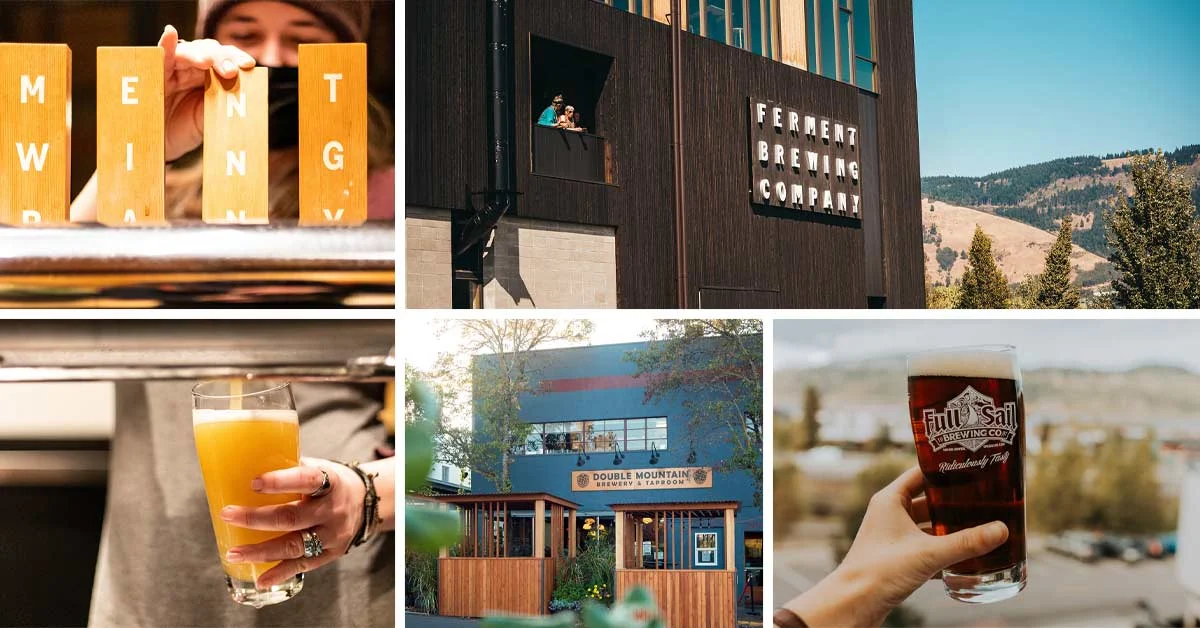
The current market is defined by several key establishments that have successfully blended professional brewing standards with the rugged outdoor culture of Mesa County.
Ramblebine Brewing
Founded by Eli Gerson and Rob James, Ramblebine Brewing has gained a reputation for technical precision and stylistic diversity. The brewery’s portfolio spans from traditional crisp lagers to the experimental "God Hammer," a Norwegian red ale fermented with Kveik yeast—a strain known for its ability to ferment at high temperatures while producing unique ester profiles. Their approach reflects a broader trend in the industry: providing high-concept beers in a "low-ego" environment.
Trail Life Brewing and Handlebar Tap House
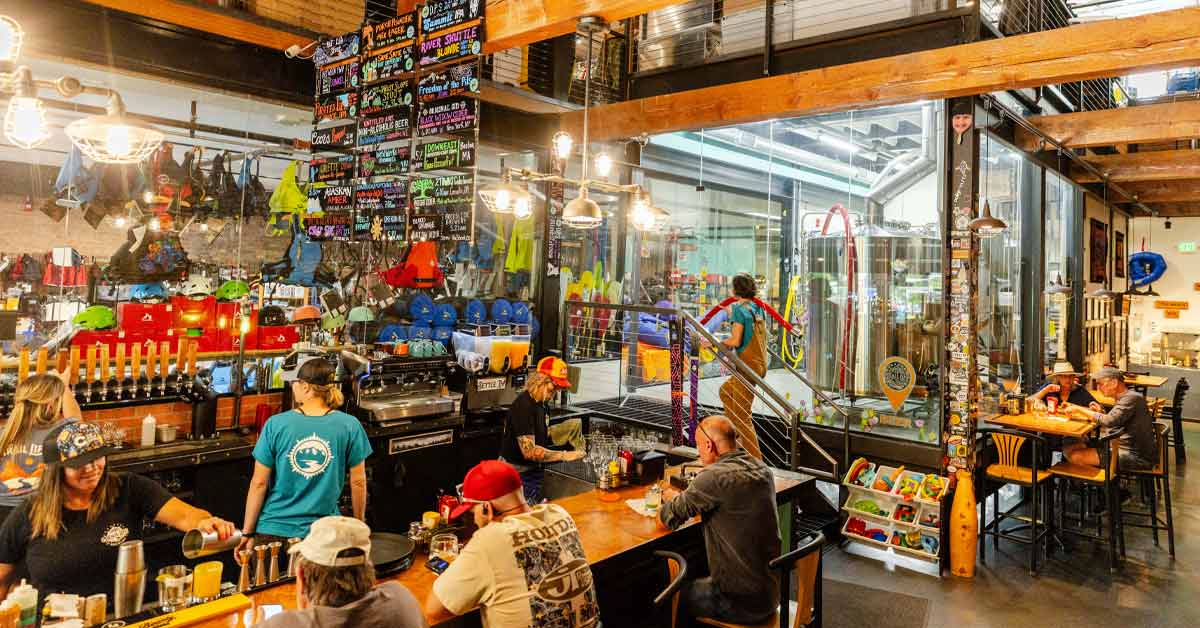
These two establishments represent the "outdoor-brewery nexus." Trail Life Brewing is physically integrated with a mountain bike shop, reflecting the lifestyle of its patrons who often transition directly from the trails of the Tabeguache or Kokopelli systems to the taproom. Their "Pirates Life Black IPA" serves as a nod to the niche but loyal following of dark, hoppy ales. Similarly, Adam Kinsey’s Handlebar Tap House utilizes 24 rotating taps to showcase the best of regional Colorado brewing, acting as a curated gateway for those looking to sample the breadth of the state’s production without leaving Grand Junction.
WestCo Brewing
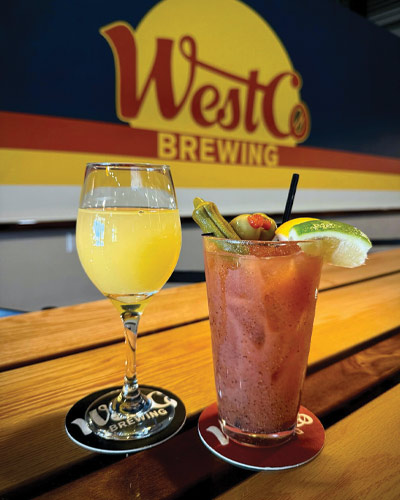
The newest addition to the landscape, WestCo Brewing, is a collaboration between Adam Kinsey and head brewer Danny Wilson. Located at Las Colonias Park, the brewery is part of a larger urban renewal project along the Colorado River. WestCo’s business model focuses on "flavor-forward, sessionable" beers, such as Japanese-style rice lagers and Mexican-style lagers, which are designed for consumption in the heat of the Colorado summer. The inclusion of a sophisticated culinary program featuring Colorado elk and Japanese-inspired poutine suggests a move toward "destination dining" within the brewery context.
Supporting Data: The Economic Impact of Craft Beer in Colorado
To understand the significance of Grand Junction’s growth, one must look at the broader economic data provided by the Brewers Association and the Colorado Office of Economic Development and International Trade (OEDIT).
- Statewide Impact: As of 2023, Colorado remains a top-five state for craft beer production, with the industry contributing over $3 billion annually to the state’s economy.
- Regional Growth: While the Denver Metro area has seen a saturation of the market, the Western Slope (including Mesa, Delta, and Montrose counties) has seen a 15% increase in brewery licenses over the last five years.
- Tourism Synergy: According to Visit Grand Junction, tourism spending in Mesa County has reached record highs, with outdoor recreation and "agritourism" (which includes breweries and the nearby Palisade wineries) being the primary drivers. The city’s lodging tax collections have seen a steady upward trend, indicating that visitors are increasingly choosing Grand Junction as a multi-day destination rather than a quick stop on the way to Moab.
Official Responses and Community Impact
Industry leaders emphasize that the success of the Grand Junction scene is rooted in its authenticity. Adam Kinsey, a prominent figure in the local scene, notes that the city’s population is uniquely active, with almost every resident involved in at least one outdoor pursuit. This creates a built-in customer base that values quality and community over the "tourist trap" atmosphere found in more famous mountain towns.
City officials have also leaned into this development. The Las Colonias Park project, which houses WestCo Brewing, represents a multi-million dollar investment in riverfront revitalization. By creating a hub for live music, water sports, and craft beer, the city has successfully converted a former industrial area into a cultural centerpiece. This "pro-growth, pro-recreation" stance from the municipal government has been a critical factor in the industry’s stability.
Broader Implications and Future Outlook
The rise of Grand Junction serves as a case study in the decentralization of Colorado’s tourism economy. As the Front Range faces rising costs of living and environmental pressures, the Western Slope offers a viable alternative for both entrepreneurs and travelers. The implications are twofold:
First, for the craft beer industry, Grand Junction proves that specialized, high-quality production can thrive outside of major metropolitan centers if it is supported by a strong local identity and a clear connection to the landscape. The diversity of styles—from Ramblebine’s Kveik ales to WestCo’s rice lagers—shows a level of sophistication that rivals any national beer destination.
Second, for the travel industry, the city’s "untouched" status is its greatest asset. In an era where travelers are increasingly seeking "hidden gems" to avoid the logistical headaches of crowded national parks, Grand Junction’s combination of world-class geology and a top-tier beer scene provides a blueprint for sustainable, high-value tourism.
In conclusion, Grand Junction is no longer merely a gateway to other destinations; it has become a destination in its own right. With its unique convergence of rivers, canyons, and mesas, supported by a robust and innovative brewing community, the city is poised to remain a central figure in the narrative of the American West for the foreseeable future. For the beer enthusiast and the outdoor adventurer alike, the message from the Western Slope is clear: the riches are here, and they are ready to be discovered.