admin
admin
The Canadian craft beer landscape is currently undergoing a period of profound reflection as Indigenous brewers, owners, and stakeholders work to reconcile the industry’s commercial growth with a complex history of colonial prohibition and generational trauma. This movement, which gained significant national attention during the 2021 "Celebrating Sisters" campaign, highlights a burgeoning sector where cultural identity and economic sovereignty intersect. While the path toward Indigenous representation in brewing remains fraught with historical tension, a new generation of entrepreneurs is asserting their right to participate in the industry, viewing craft beer not only as a product but as a medium for storytelling, reconciliation, and community reclamation.
Historical Context: The Indian Act and the Legacy of Exclusion
To understand the current state of Indigenous brewing in Canada, it is necessary to examine the legislative framework that historically excluded these communities from the alcohol industry. The Indian Act of 1876 served as the primary instrument of "cultural genocide," as termed by the 2015 Truth and Reconciliation Commission (TRC). Beyond controlling land use and identity, the Act and subsequent provincial legislations enforced strict prohibition on Indigenous peoples.
For decades, Indigenous individuals were legally barred from purchasing, consuming, or manufacturing alcohol. This exclusion extended to political participation regarding liquor laws. Non-alcoholic beer was disparagingly referred to as "Indian Beer" during this era, reflecting the systemic infantilization of First Nations, Métis, and Inuit peoples. Simultaneously, colonial structures utilized alcohol as a tool to disrupt traditional Indigenous trading systems, fostering a cycle of dependency that was exacerbated by the trauma of the residential school system and the "Sixties Scoop."
While legislative shifts between the 1950s and 1980s eventually granted Indigenous people the same legal rights to alcohol as other Canadians, the social and psychological impact of these policies persists. Today, the Indigenous community remains divided on the role of alcohol: some advocate for total prohibition as a form of harm reduction, while others view participation in the brewing industry as a vital exercise of self-determination.
Chronology of a Modern Movement: From Campaign to Controversy
In March 2021, the Indigenous Brew Crew (IBC), a collective of three Indigenous brewers, launched the "Celebrating Sisters" craft beer campaign. The initiative aimed to support Indigenous women and bring visibility to Indigenous presence in the craft beer world. A central feature of the campaign was a label designed by Anishinaabe artist Chief Lady Bird, depicting a blackbird against a woodland background.
However, the campaign triggered a polarized response within Indigenous communities. Critics argued that associating Indigenous art and identity with alcohol was insensitive to the history of substance abuse used as a colonial weapon. Supporters, conversely, saw it as a way to reclaim a space from which they had been historically excluded. The resulting public discourse led to the dissolution of the IBC later that year, illustrating the deep-seated difficulties in reconciling the industry with the legacy of exploitation.
Despite this setback, the momentum for Indigenous-led brewing has continued to build. By 2024 and 2025, Indigenous-owned breweries began achieving significant recognition on the national stage, with Kahnawake Brewing Company receiving multiple medals at the Canada Beer Cup.

Data and Economic Infrastructure
The growth of Indigenous entrepreneurship in the beverage sector is supported by an evolving financial and social infrastructure. Organizations such as the Manitoba Métis Federation and Farm Credit Canada have become instrumental in providing the capital and business support necessary for Indigenous brewers to compete in a crowded market.
According to industry observations, Indigenous-led businesses often prioritize different metrics of success compared to traditional corporate models. For many, the focus is on "social capital"—the ability to provide gathering spaces and support local supply chains. For example, Indigenous Tourism BC has highlighted that supporting these entrepreneurs is a direct path toward "economic sovereignty," moving away from the "Ward of the State" status historically imposed by the federal government.
Profiles in Self-Determination: Indigenous-Led Breweries
Several key players are currently defining what it means to be an Indigenous brewer in Canada, each navigating their identity and business practices in unique ways.
Locality Brewing (Langley, British Columbia)
Co-owner Melanie MacInnes, a Métis woman, represents a growing segment of owners who initially hesitated to label their businesses as "Indigenous-led" due to the weight of responsibility and potential for backlash. After accepting a nomination for Best Indigenous-Led Business in 2022, MacInnes has used her platform to emphasize that Indigenous people are "the fabric of the country" and must be represented in every business sector. Locality Brewing focuses on the ethical use of land, growing its own ingredients, and fostering a sense of community.

Kahnawake Brewing Company (Kahnawake, Quebec)
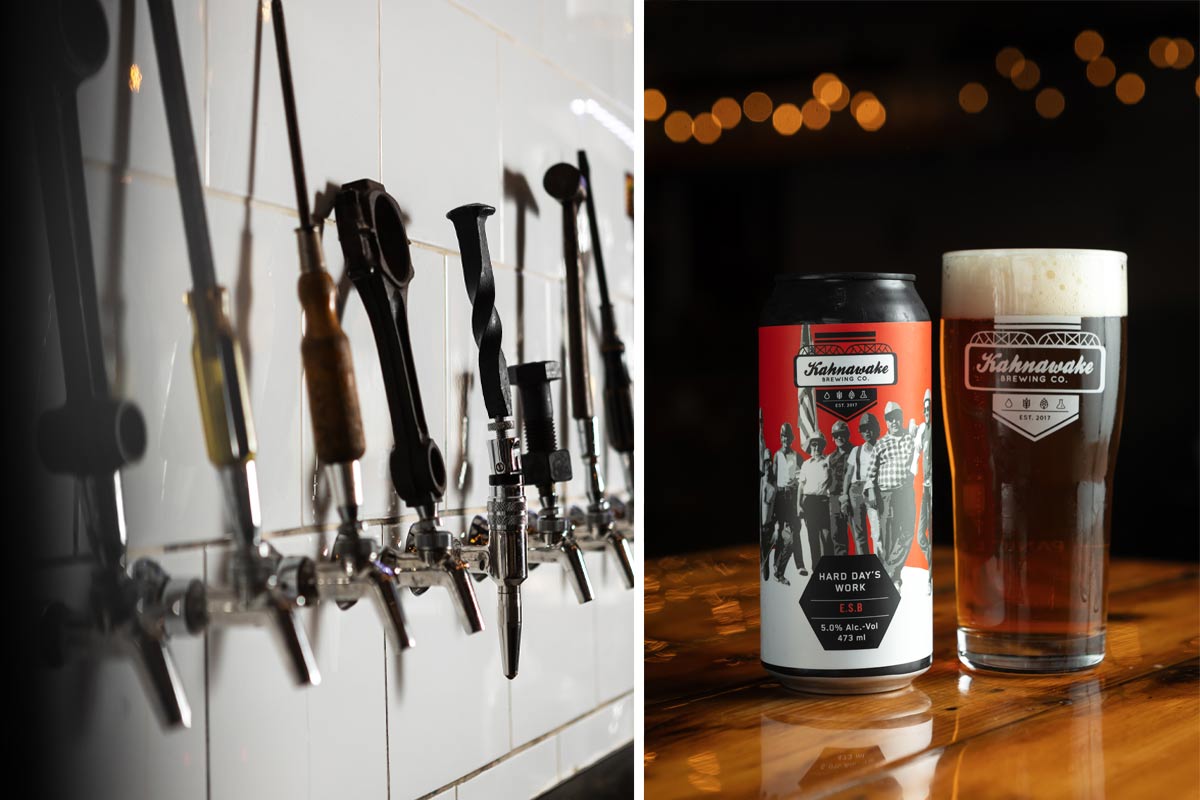
As the first openly Indigenous-owned craft brewery located on Indigenous land, Kahnawake Brewing Company serves as a landmark for the industry. Co-owner Fred Leblanc, a former ironworker, has integrated Mohawk history into the brand, notably with the "Black Bridge" reference to the Saint-Laurent Railway Bridge. The brewery’s success at the Canada Beer Cup in 2024 and 2025 proves that Indigenous-owned breweries can achieve elite-level quality while maintaining cultural roots.
La Brasserie Nonsuch Brewing Co. (Winnipeg, Manitoba)
Matthew Sabourin, co-owner of Nonsuch, focuses on high-end, experiential brewing. The brewery offers a "Beer Bannock" experience, allowing customers to engage with Indigenous culinary traditions and history, including the legacy of Louis Riel. Sabourin emphasizes that the goal is to celebrate "moments and experiences" rather than volume of consumption, a strategy aimed at decoupling alcohol from its history of abuse.
Red Tape Brewery (Toronto, Ontario)
Sarabeth Holden, an Inuit brewer and children’s book author, specializes in bespoke beers that incorporate ingredients tied to the Indigenous experience. Her recipes often feature orange pekoe tea—a staple in northern hunting and fishing trips—or dwarf fireweed (Paunnat). Holden has noted that while she occasionally faces industry bias as an Indigenous woman, her community has been overwhelmingly supportive, viewing her success as a point of pride.
Defining the "Indigenous" in Craft Beer
The question of what constitutes an "Indigenous beer" remains a topic of active discussion. Industry experts and brewers suggest that the definition is multifaceted, involving three primary pillars:

- Sourcing and Production: The use of traditional ingredients (spruce tips, alfalfa, fireweed) and the ethical management of the land where those ingredients are grown.
- Authorship: The direct involvement of First Nations, Métis, or Inuit people in ownership, management, and the brewing process.
- Visual and Narrative Identity: Using labels and branding to tell authentic stories and assert independence from the restrictive legacies of the Indian Act.
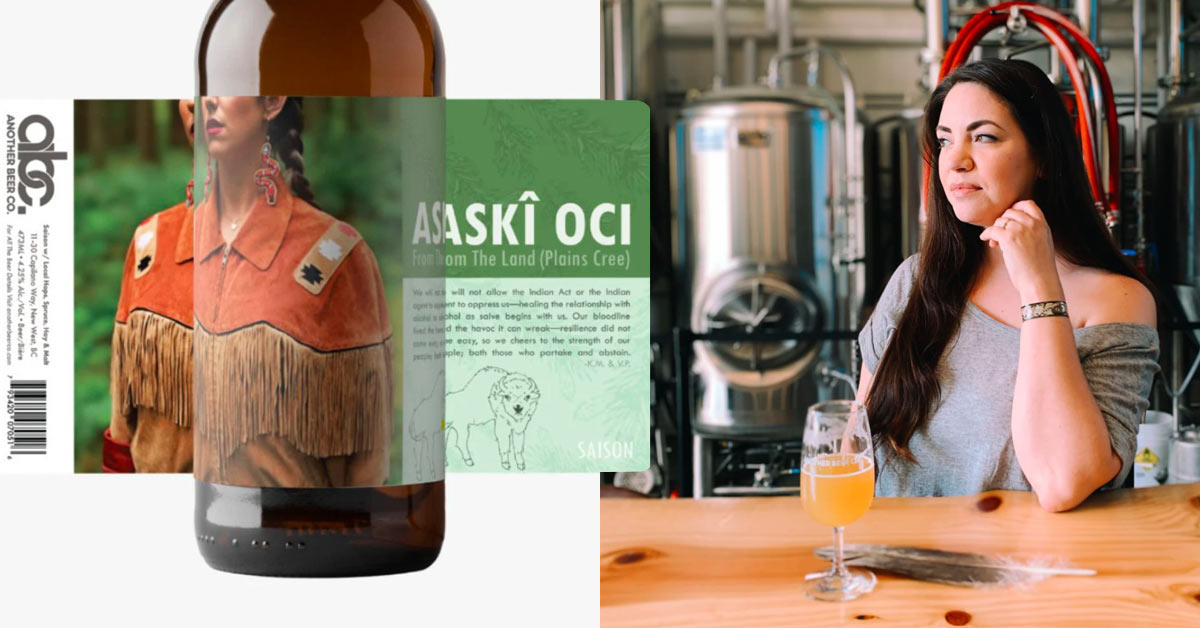
Nadine Jopson, a Cree Nation member and founder of Heartberry Soda, previously developed the "Askî Oci" saison, which utilized a Métis-designed label to explicitly address the healing of the relationship with alcohol. The label’s message—cheering to both those who partake and those who abstain—highlights the industry’s move toward a more nuanced, inclusive philosophy.
Official Responses and Pathways to Inclusion
Inclusion in the craft beer industry is increasingly viewed through the lens of the supply chain. Jason Tremblay of Two Loons Brewing and Kevin Symington, formerly of Fernie Brewing Co., argue that true representation must extend beyond the taproom. They advocate for Indigenous visibility in malt warehouses, hop supply companies, and logistics.
Inez Cook, co-founder of Vancouver’s Salmon n’ Bannock restaurant and a member of the Nuxalk Nation, suggests that reconciliation in the business world requires a shift in corporate behavior. She encourages non-Indigenous brewery owners to proactively engage with local tribal nations, stating that "Indigenous people do business with people, not with businesses." Cook emphasizes that apologies for past exclusions, followed by changed behavior, are the fundamental building blocks of a reconciled industry.
Professor Niigaan Sinclair, an Anishinaabe scholar, provides a philosophical framework for this inclusion. He notes that while alcohol has been a "violent intrusion," it is composed of natural elements that have a place in Indigenous medicine and ceremony. Sinclair argues that Indigenous sovereignty includes the right to make decisions about alcohol, provided those decisions are made with a "responsibility to avoid causing harm to others."
Broader Impact and Industry Implications
The emergence of Indigenous voices in Canadian craft beer is more than a trend in diversity and inclusion; it is a significant shift in the country’s economic and cultural landscape. As the craft beer industry faces broader market challenges, the values championed by Indigenous brewers—land stewardship, community-centric business models, and a focus on quality over quantity—may provide a sustainable path forward for the entire sector.
The transition from silence and exclusion to active participation and leadership marks a new chapter in the history of Canadian brewing. By addressing difficult conversations regarding trauma and prohibition while simultaneously celebrating entrepreneurial success, the Indigenous brewing community is redefining the relationship between a colonial past and a sovereign future. The success of these breweries suggests that when Indigenous people are empowered to shape the industries they inhabit, the resulting cultural and economic enrichment benefits the national community at large.