admin
admin
The San Francisco Peninsula has emerged as a significant hub for craft brewing, establishing a distinct identity that rivals the established beer cultures of San Francisco and the East Bay. Stretching approximately 30 miles along the Highway 101 corridor and the Caltrain commuting line, a dense concentration of breweries and taprooms has transformed the industrial and suburban landscapes of San Mateo County into a premier destination for artisanal fermentation. This "beer trail," spanning from Burlingame in the north to Redwood City in the south, represents a strategic intersection of culinary innovation, urban revitalization, and the growing "experience economy" that defines the modern Bay Area hospitality sector.
The Economic and Cultural Landscape of Peninsula Brewing
The proliferation of craft breweries in San Francisco County and San Mateo County is reflective of broader trends within the California beverage industry. According to data from the California Craft Brewers Association, the state remains a national leader in the sector, contributing over $9 billion annually to the economy. On the Peninsula, this growth is fueled by a demographic of high-earning professionals and a shifting preference toward localized, small-batch production. The development of this 30-mile stretch is not merely a result of consumer demand but also a byproduct of strategic zoning. Many of these establishments are housed in former industrial zones—such as Belmont’s Harbor Business Center or San Carlos’s warehouse districts—where high ceilings and ample floor space accommodate large fermentation tanks and brewing assemblies.
This geographic clustering provides a logistical advantage for both producers and consumers. The proximity to the Caltrain corridor allows for a "transit-oriented" tasting experience, reducing the reliance on automobiles and aligning with the region’s sustainability goals. Furthermore, the diversity of brewing styles found within this corridor—ranging from traditional English cask ales to experimental "thiolized" hazy IPAs—indicates a mature market capable of supporting specialized niches rather than just broad-market appeals.
Twelvemonth: The Intersection of Plant-Based Gastronomy and Brewing
In Burlingame, the northern anchor of this trail is Twelvemonth, a facility that exemplifies the "tech-to-table" transition often seen in the Silicon Valley ecosystem. Founded by Bob Trahan, a former technology executive turned chef, Twelvemonth operates within a sprawling complex that previously housed a traditional brewery. The establishment serves as a plant-based restaurant, bakery, and brewery, reflecting a modern shift toward health-conscious and sustainable dining.
The beverage program at Twelvemonth is notable for its curated selection of external California staples alongside its own production. By featuring renowned labels such as Russian River Brewing Company’s Pliny the Elder, Twelvemonth positions itself as a serious destination for "hop-heads." Simultaneously, it addresses the rising demand for low-alcohol and non-alcoholic options by partnering with Fort Point Beer Company. Industry analysts suggest that this multi-faceted approach—combining a high-end bakery with a sophisticated taproom—is a response to the "all-day cafe" trend, maximizing the utility of expensive Peninsula real estate by serving customers from morning until late evening.
Alpha Acid Brewing Company: Industrial Innovation in Belmont
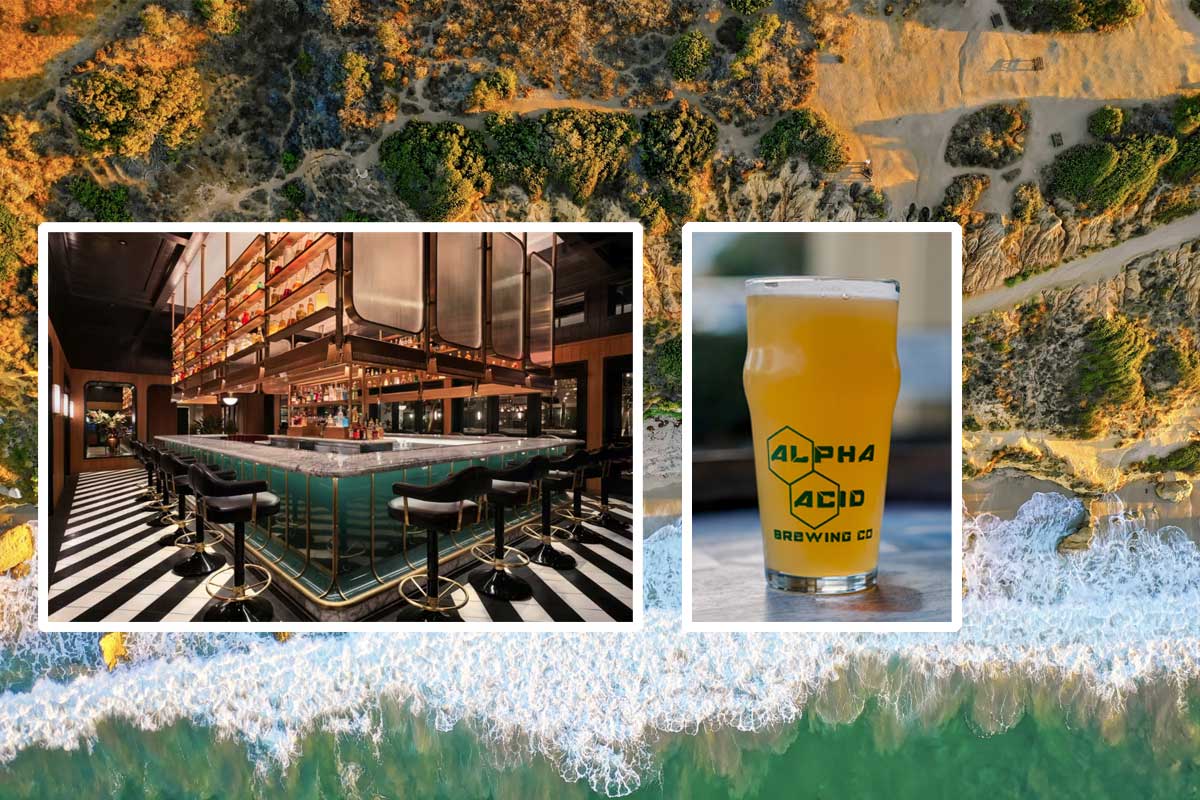
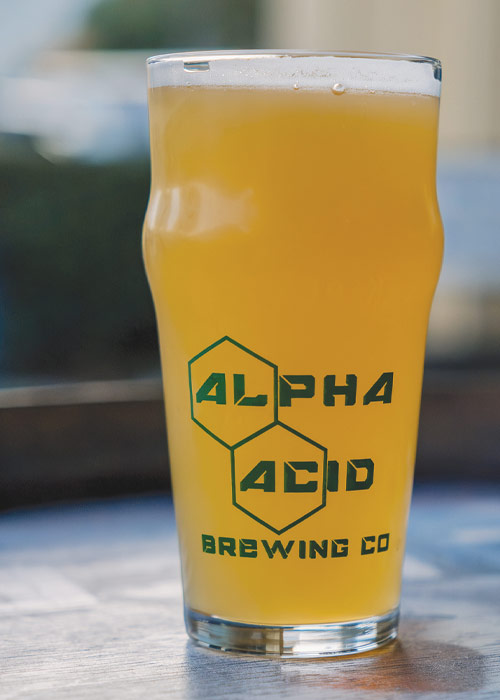
Further south in Belmont, Alpha Acid Brewing Company represents the quintessential "destination brewery." Located in the rear of an industrial lot, the brewery has operated since 2014, making it a veteran presence in the local scene. Alpha Acid has built a reputation for high-gravity and barrel-aged offerings, which are often considered the "prestige" tier of craft brewing.
Their portfolio includes the "Flying Dutchman," a 10.2% ABV tropical stout aged in rum barrels, and "Murder She Wroatmeal," a coconut and cacao-infused oatmeal stout. The brewery’s success is often attributed to its community-centric atmosphere, featuring pinball machines and rotating taco trucks. This model—pairing a rugged, industrial aesthetic with high-complexity liquids—has proven highly effective in retaining a loyal "mug club" membership. Economically, Alpha Acid benefits from the lower overhead of its industrial location while maintaining high sell-through rates via its on-site taproom, which bypasses the margin-thinning costs of traditional third-party distribution.
Blue Oak Brewing Co.: Scientific Advancement in San Carlos
In San Carlos, Blue Oak Brewing Co. has focused its efforts on the science of flavor extraction. The brewery is currently gaining attention for its use of "thiolized" yeast strains. Thiols are compounds found in malt and hops that, when unlocked by specific yeast enzymes during fermentation, release intense tropical fruit aromas. Their "Hello Motueka" hazy IPA serves as a primary example of this technical approach, amplifying fruit profiles without the need for excessive adjuncts.
Blue Oak’s facility is designed for high-volume social engagement, featuring a sprawling indoor-outdoor layout. Their menu also highlights the "POG is My Copilot" and "Cherry Bomb" fruited sours, catering to a demographic that seeks alternatives to the bitterness of traditional IPAs. The brewery’s strategic use of a food truck calendar ensures a rotating culinary draw, a common tactic among Peninsula breweries to maintain foot traffic without the capital expenditure of a full-service kitchen.
The Redwood City Hub: Ghostwood and Freewheel Brewing
Redwood City serves as the southern terminus and most densely populated segment of the beer trail. Ghostwood, a neighborhood-focused brewpub, has achieved critical acclaim for its "Extra Crispy" American lager. In an industry often dominated by high-alcohol IPAs, the success of a refined, low-ABV lager indicates a "flight to quality" among local drinkers who prioritize sessionability. Ghostwood integrates entertainment—including trivia nights, billiards, and Mario Kart—to foster a "third place" environment, a sociological term for a social surroundings separate from the two usual social environments of home and the workplace.
A short distance away, Freewheel Brewing Company offers a distinct departure from American brewing trends by specializing in English cask ales. Since 2012, Freewheel has utilized traditional British methods, including the use of Maris Otter malt and nitro pours. Their "Big V Amber" and various Extra Special Bitters (ESBs) cater to a niche of traditionalists and European expatriates. Cask ale, which is naturally carbonated and served at a slightly warmer temperature than standard keg beer, requires a high level of cellar-man expertise, further distinguishing Freewheel as a technical leader in the region.
Supporting Infrastructure: State of Mind and Gourmet Haus Staudt
The beer trail is supplemented by hybrid establishments that function as both retailers and culinary destinations. State of Mind Public House and Pizzeria, led by World Pizza Champion Lars Smith, provides a high-tier culinary pairing for the region’s beers. Smith’s rotating draft list is often cited by industry insiders as one of the most curated in the Bay Area, featuring rare releases that complement his award-winning pies.
In the heart of Redwood City, Gourmet Haus Staudt serves as a bridge between domestic craft and international tradition. Functioning as a Bavarian Bierstube, it is reportedly one of the highest-volume accounts for Weihenstephaner, the world’s oldest brewery, outside of Germany. By combining a German market, a bottle shop, and a rear beer garden, Gourmet Haus Staudt provides a historical context to the modern craft movement, illustrating the lineage from European lager traditions to contemporary American innovations.
Chronology of Development and Future Implications
The development of the Peninsula beer trail has followed a clear chronological trajectory:
- 2010–2014: The "Early Adopters" phase, where breweries like Freewheel and Alpha Acid established the feasibility of the Highway 101 corridor.
- 2015–2019: The "Expansion" phase, characterized by the opening of Ghostwood and Blue Oak, and the refinement of taproom cultures.
- 2020–Present: The "Diversification" phase, marked by the arrival of Twelvemonth and a greater focus on the intersection of high-end dining and specialized brewing techniques.
The implications of this thriving corridor are multifaceted. For San Mateo County, the beer trail represents a successful model of "adaptive reuse," where aging industrial stock is converted into high-value hospitality assets. This shift increases local tax revenue and enhances the "quality of life" metrics used by tech firms in the region to attract and retain talent.
However, the industry faces headwinds. Rising costs of raw materials (CO2, malt, and aluminum) and the high cost of living on the Peninsula present challenges for brewery staff and operations. Despite these pressures, the density of the Burlingame-to-Redwood City corridor suggests a resilient ecosystem. As long as the Caltrain provides a reliable link between these hubs, and as long as the Peninsula’s workforce continues to value local craftsmanship, this 30-mile stretch will likely remain a cornerstone of California’s craft beer identity.
In conclusion, the San Francisco Peninsula has successfully transitioned from a transit corridor into a world-class brewing destination. Through a combination of technical brewing excellence, culinary integration, and strategic geographic placement, the breweries from Burlingame to Redwood City have created a sustainable and culturally rich "beer trail" that serves as a blueprint for suburban revitalization across the United States.