admin
admin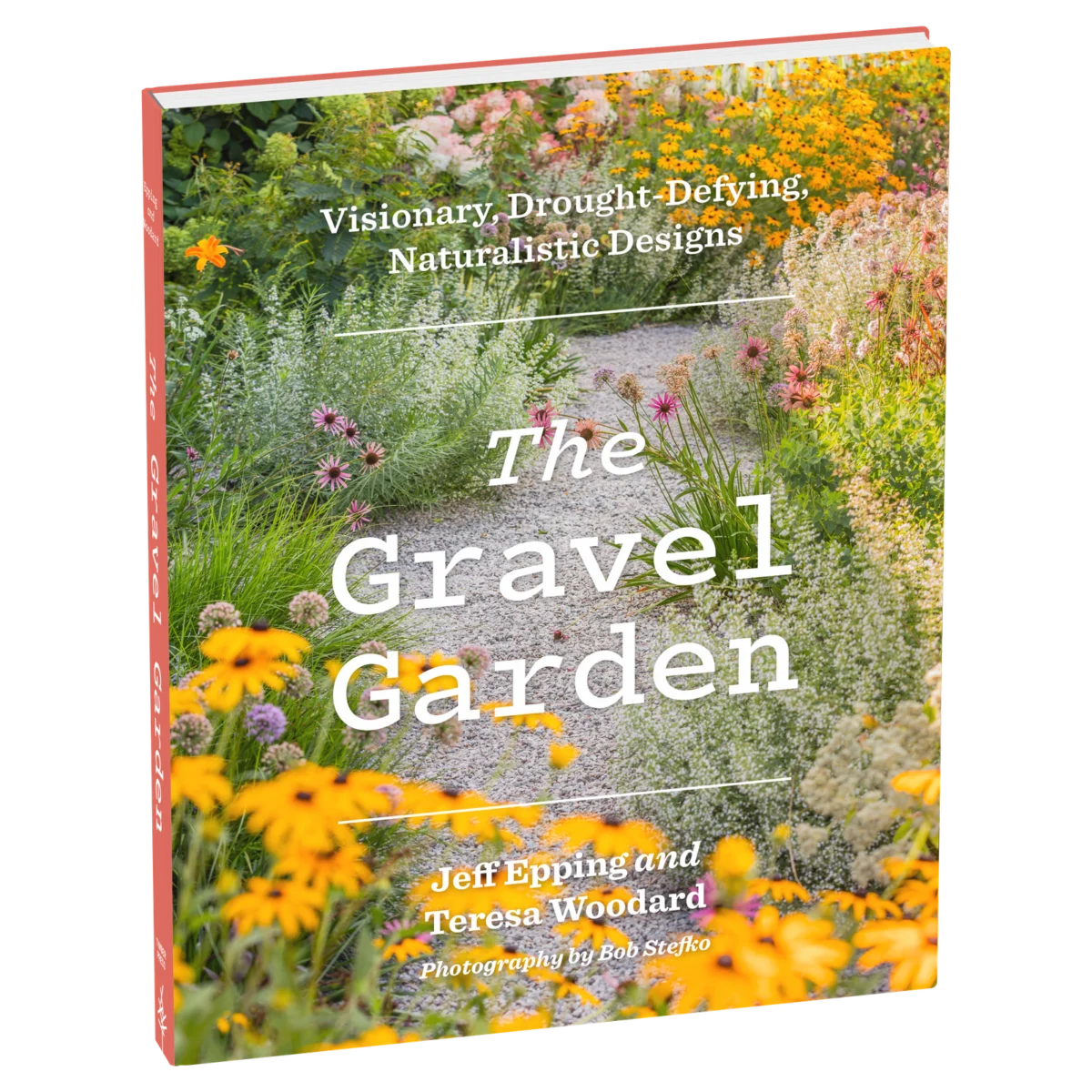
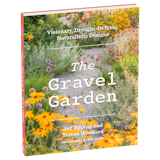
For decades, the conventional wisdom in horticulture championed lush, green lawns and meticulously cultivated flowerbeds, often demanding significant water, fertilizer, and labor. Yet, as global climates shift and water resources become increasingly precious, this paradigm is rapidly evolving. Leading this transformation is renowned horticulturist and garden designer Jeff Epping, who, despite 35 years immersed in traditional plant work, initially regarded the concept of gravel gardens with skepticism, finding them "cold and uninspiring." This perception, however, was destined for a dramatic reversal, culminating in his recent book, The Gravel Garden: Visionary, Drought-Defying, Naturalistic Designs, which positions gravel gardening as the ecological landscaping solution for the future.
The Genesis of a Movement: From Skepticism to Stewardship
Epping’s journey from skeptic to ardent advocate began in 2006 during a visit to his colleague, Roy Diblik, an equally experienced garden designer, in Madison, Wisconsin. Epping vividly recalls his initial impression of Diblik’s gravel garden, likening it more to a "parking lot" than a verdant landscape. This reaction was understandable, given his deep-rooted experience with conventional gardening techniques that prioritize soil as the primary medium. However, during that pivotal visit, Diblik’s profound passion for this climate-resilient design proved infectious. Beyond the aesthetic, Epping couldn’t ignore the undeniable ease of maintenance, a feature he now candidly confesses to being a significant draw.
This "aha!" moment catalyzed Epping’s conversion. Just two years later, he embarked on designing his first large-scale gravel garden for a corporate client in Wisconsin. This initial success was swiftly followed by another ambitious project at the prestigious Olbrich Botanical Gardens in Madison, where Epping served as the director of horticulture for 28 years. Both installations defied his prior prejudices, proving to be not only visually striking but also astonishingly simple to care for. The gardens required no irrigation beyond initial establishment, no chemical fertilizers, and no traditional mulch. Furthermore, weeds were remarkably few and far between, an outcome that left Epping genuinely stunned.
"Gravel gardens do take a fair amount of water to get them going and to get the drought-tolerant plants rooted in," Epping explains, acknowledging the initial investment. "But after that, it’s super minimal water, and every spring, the gravel gardens need a simple cleanup. But other than that, work input for the gardener is incredibly little." This minimal intervention, coupled with environmental benefits, firmly cemented gravel gardening in his professional ethos.
Understanding the Gravel Garden: A Paradigm Shift in Horticulture
At its core, a gravel garden is a low-maintenance, drought-tolerant planting technique that ingeniously replaces traditional soil surfaces with a six-inch layer of gravel. This seemingly simple substitution triggers a cascade of horticultural advantages. The technique typically involves planting deep-rooted, drought-tolerant perennials directly into the soil beneath this substantial gravel layer.
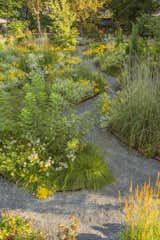
The scientific principles underpinning the success of gravel gardens are multifaceted. The gravel layer acts as a highly effective mulch, drastically reducing soil moisture evaporation. Studies by agricultural departments and university extension programs have consistently shown that mulching can reduce water loss from soil by 30-70%, a critical factor in increasingly arid regions. This conserved moisture is then readily accessible to the deep root systems of the chosen plants. Furthermore, the gravel provides excellent drainage, preventing waterlogging and the subsequent root rot that can plague many plant species in traditional soil beds, especially during periods of heavy rainfall. This well-drained environment mimics the natural conditions favored by many resilient, Mediterranean, and prairie-native plants.
Beyond moisture regulation, the gravel layer also plays a crucial role in temperature moderation. It insulates the soil, keeping it cooler in scorching summers and warmer in cold winters, creating a more stable microclimate for plant roots. Critically, the dense, porous nature of the gravel suppresses weed growth by preventing weed seeds from reaching the soil surface to germinate and by physically impeding the growth of any that do. This dramatically reduces the need for laborious weeding, a significant time-saver for gardeners.
The historical roots of modern gravel gardening are often traced back to the pioneering work of Beth Chatto in England. Approximately 30 years ago, Chatto famously converted a neglected gravel parking lot on her estate into a vibrant, drought-tolerant garden, despite the region’s meager annual rainfall. Her "Dry Garden" at Elmstead Market, Essex, became an international showcase for sustainable planting, demonstrating that beauty and biodiversity could thrive without irrigation. Chatto’s radical approach inspired a smattering of gardeners globally, who, witnessing the success, began to realize the profound potential for plants to flourish with minimal water in a gravel medium.
The Climate Imperative: Why Gravel Gardens Are More Relevant Than Ever
The growing adoption of gravel gardens is not merely a horticultural trend; it is a direct response to urgent global environmental challenges, particularly climate change and escalating water scarcity. Data from the National Oceanic and Atmospheric Administration (NOAA) and other climate science institutions consistently highlight increasing frequencies and intensities of droughts across many parts of the world, including significant portions of the United States and Europe. California, for instance, has endured prolonged periods of extreme drought, leading to mandatory water restrictions and a heightened public awareness of water conservation.
Traditional lawns, while aesthetically pleasing to some, are notoriously thirsty. The Environmental Protection Agency (EPA) estimates that landscape irrigation accounts for nearly one-third of all residential water use, totaling nearly 9 billion gallons per day nationwide. A significant portion of this is dedicated to maintaining conventional turfgrass, which often requires an inch of water per week. In contrast, once established, gravel gardens typically require little to no supplemental irrigation, dramatically reducing a household’s or municipality’s water footprint.
Beyond water conservation, gravel gardens offer a suite of other environmental benefits. The reduced need for fertilizers and pesticides minimizes chemical runoff into waterways, protecting aquatic ecosystems. By fostering deep-rooted, native plant communities, these gardens also enhance soil health, sequester carbon, and create vital habitats for pollinators like bees and butterflies, whose populations are in decline globally. The UN Environment Programme (UNEP) has repeatedly underscored the importance of biodiverse landscapes in maintaining ecological balance and supporting agricultural systems. In essence, gravel gardens move beyond mere aesthetics to become active contributors to ecological resilience.
Epping’s Advocacy and "The Gravel Garden" Book

Following years of designing successful gravel gardens and observing the enthusiastic reception at his lectures, Epping recognized a significant knowledge gap. Audiences were brimming with questions, indicating a strong desire for practical guidance before "taking the plunge" into gravel gardening themselves. This insight spurred him to compile his extensive experience and knowledge into a comprehensive resource.
This summer, Epping delivered on that need with the release of The Gravel Garden: Visionary, Drought-Defying, Naturalistic Designs. Published by Hachette Book Group, the book serves as an invaluable introduction to this ecological technique, showcasing 20 exemplary gardens across the U.S. and Europe that are at the forefront of this movement. Epping’s objective is clear: to democratize gravel gardening, revealing how it represents the future of ecological landscaping for spaces of all scales – from compact home lots to expansive public and commercial developments. He meticulously demonstrates that anyone, regardless of their gardening experience, can embrace this naturalistic approach to transforming their outdoor spaces. The book aims to equip readers with the confidence and practical know-how to design and maintain their own water-wise, vibrant landscapes.
Designing with Gravel: Versatility for Every Aesthetic and Space
The beauty of gravel gardening lies in its remarkable adaptability, proving that sustainable design doesn’t necessitate a sacrifice of aesthetic appeal. While particularly well-suited for desert and arid regions where water scarcity is paramount, the principles of gravel gardening can be applied effectively anywhere a conventional lawn struggles or where water conservation is desired. Russell Wightman, founder and principal designer at Russell Wightman Design, emphasizes the sustainable aspect: "The sustainable aspect of gravel is that it holds soil moisture very well."

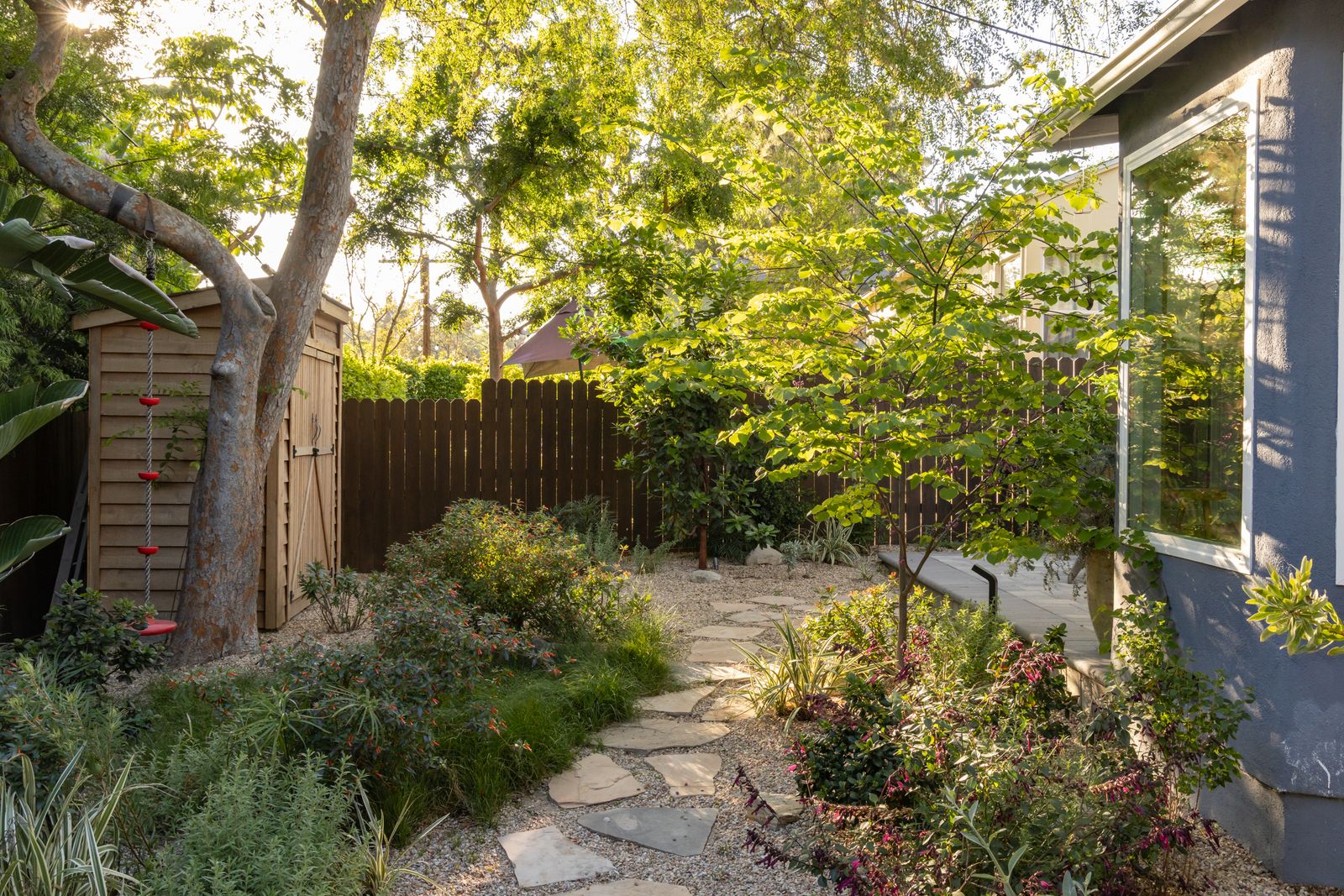
Wightman’s experience in the Mount Washington neighborhood of Los Angeles provides a compelling case study. He designed a gravel garden to replace a struggling lawn besieged by intense midday heat and considerable shade from a large tree during other parts of the day. Wightman judiciously selected a mix of shrubs and perennials with showy blooms, capable of thriving across these challenging microclimatic conditions. While his clients initially expressed apprehension when the gravel was first laid, envisioning a barren expanse, their perception shifted dramatically once the plants began to establish and fill in. Wightman notes, "the beauty of the gravel vanishing under the plants" became evident, transforming a problematic patch into a cohesive and visually appealing landscape. The gravel served as a unifying element, seamlessly connecting the planting areas with the existing patio space.
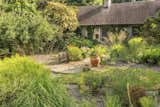
The aesthetic versatility of gravel gardens extends to complementing diverse architectural styles. The inherent basic gray color palette of typical gravel lends itself naturally to modern or minimalist home designs, where clean lines and geometric planting beds can create a contemporary, understated elegance. However, as Epping illustrates in his book, gravel gardens are far from monochromatic or rigid. Ana McCracken’s prairie-inspired gravel garden in Ames, Iowa, for instance, features winding paths threading through a series of raised, oval-shaped beds, perfectly aligning with her rustic farmhouse-style abode. Similarly, Epping designed his own gravel garden at his cottage-style home in Madison, Wisconsin, to achieve a wilder, more naturalistic aesthetic that harmonized with the property’s existing shrubs and perennial flowerbeds.
Beyond the plant selection and layout, the choice of gravel itself offers design flexibility. Warm-toned gravels, such as chipped reddish sandstone or granite, can evoke a Mediterranean feel, pairing beautifully with lavender, rosemary, olive trees, and terracotta pots—ideal for homes with stucco walls, arched doorways, or warm color palettes. Wightman has utilized such gravels in Pasadena, California, for vernacular or ranch-style houses, artfully blurring the garden and patio edges to create a natural, expansive feel.
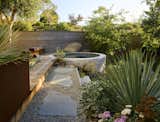
Gravel gardens are also exceptionally adept at transforming small outdoor spaces, compact yards, urban courtyards, or even challenging sloped areas. Surfacedesign, a San Francisco-based landscape architecture firm, recently tackled a project with a limited footprint in Eureka Valley, California. Roderick Wyllie, FASLA, a founding partner of the firm, recounts, "The original garden felt small, contained, and constrained." His team reconfigured the space to offer enhanced visual interest and a sense of expansiveness. "The gravel acted as an opportunity to softly blur the boundaries between planted and unplanted, [creating] a subtle invitation into a garden that feels a little wild," Wyllie explains. To achieve this, the design incorporated a series of layered tiers, leading from a wooden deck to reclaimed concrete steps filled with locally sourced gravel. This gravel then surrounded a rich tapestry of ornamental grasses, low silver-leaved groundcovers, succulents, and drought-tolerant perennials, accented by more sculptural plants like agaves and opuntias, creating a garden that felt natural, cohesive, and abundantly vibrant without being overly manicured. The homeowner desired an inviting backyard for entertaining that was manageable to maintain yet safe and playful for young children—a testament to the multifunctional appeal of gravel gardens.
The Heart of the Gravel Garden: Embracing Native Plants and Biodiversity
The true ecological power and enduring beauty of gravel gardens lie in their capacity to host and nurture native plant species. Skipping ornamental, non-native plants in favor of indigenous perennials is a cornerstone of this sustainable approach. Native plants are inherently adapted to the local climate and soil conditions, meaning they generally thrive with minimal intervention. They naturally prefer well-draining soil and ample sun, two primary requirements of a gravel garden environment.
The benefits extend far beyond ease of maintenance. Native plants are drought tolerant by design, having evolved to survive local precipitation patterns. Crucially, they form the foundation of local ecosystems, providing essential food and habitat for native wildlife, including pollinators like bees, butterflies, and moths, as well as birds and other beneficial insects. In a world grappling with biodiversity loss, gravel gardens brimming with native perennials are anything but "cold and uninviting"; they are lush, vibrant landscapes teeming with life, acting as critical ecological stepping stones in urban and suburban environments. Examples of plants that flourish include various ornamental grasses like ‘Skyracer’ purple moor grass, known for its tall flower stalks that turn gold in fall, as well as an array of succulents, sedums, lavenders, salvias, and many prairie and Mediterranean species.
Challenges and Considerations for Adoption
While the advantages are compelling, a balanced perspective acknowledges some considerations for those embarking on gravel gardening. The initial establishment phase does require consistent watering to ensure the deep-rooted plants get a strong start. This is a crucial investment that pays dividends in long-term water savings. Furthermore, while significantly reduced, some maintenance is still required, typically an annual spring cleanup to remove any accumulated debris or nascent weeds. The technique is also less suited for planting seeds directly, as the gravel layer can impede successful germination and initial root establishment; mature plants or young starts are generally recommended. Finally, overcoming preconceived notions of what a "garden" should look like, as Epping and Wightman’s clients initially experienced, can be a hurdle, but one that is consistently overcome once the plants mature and the garden’s true beauty and functionality emerge.
Looking Ahead: The Future of Ecological Landscaping
The gravel garden movement, spearheaded by visionaries like Jeff Epping, represents more than just a landscaping trend; it’s a critical component of a broader shift towards sustainable living and ecological restoration. As urban planners and homeowners increasingly seek resilient, low-impact solutions for outdoor spaces, the principles espoused by gravel gardening will likely see wider adoption. Municipalities are beginning to offer incentives, such as water rebates for turf removal, further encouraging the transition to water-wise landscapes.
Epping’s book, along with the work of designers like Russell Wightman and firms like Surfacedesign, provides invaluable resources for this transition, demonstrating that beauty, ecological responsibility, and reduced maintenance can coexist. "If you want to create more beauty with less work, provide a haven for pollinators and other animals, or simply garden in a way that’s kinder to the earth," Epping concludes, "I invite you to explore the possibilities of gravel gardening." It is an invitation to embrace a future where our gardens are not only places of aesthetic delight but also vital ecological assets, perfectly adapted to the environmental realities of our time.