admin
admin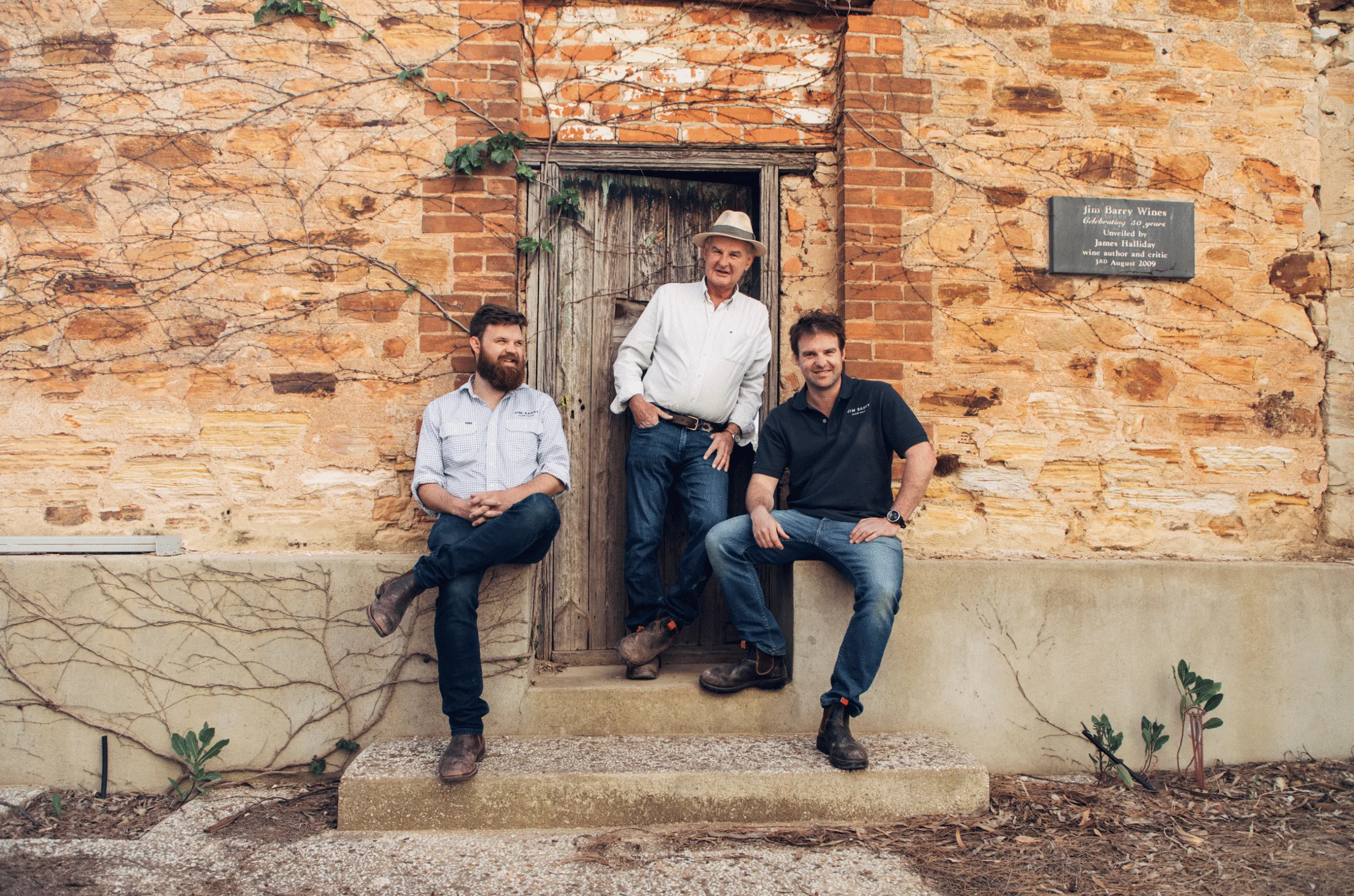
The Clare Valley, one of Australia’s most venerable and innovative wine regions, stands as a testament to the profound influence of unique terroir and pioneering spirit on viticulture. Despite its relatively modest size, accounting for less than 1.5% of the nation’s total wine production, Clare Valley has carved a formidable reputation globally as a source of prestigious fine wines, with winemaking traditions dating back to 1851. This in-depth exploration delves into the geographical distinctiveness, historical evolution, signature wine styles, and groundbreaking innovations that define this remarkable South Australian appellation.
Geographical and Climatic Profile
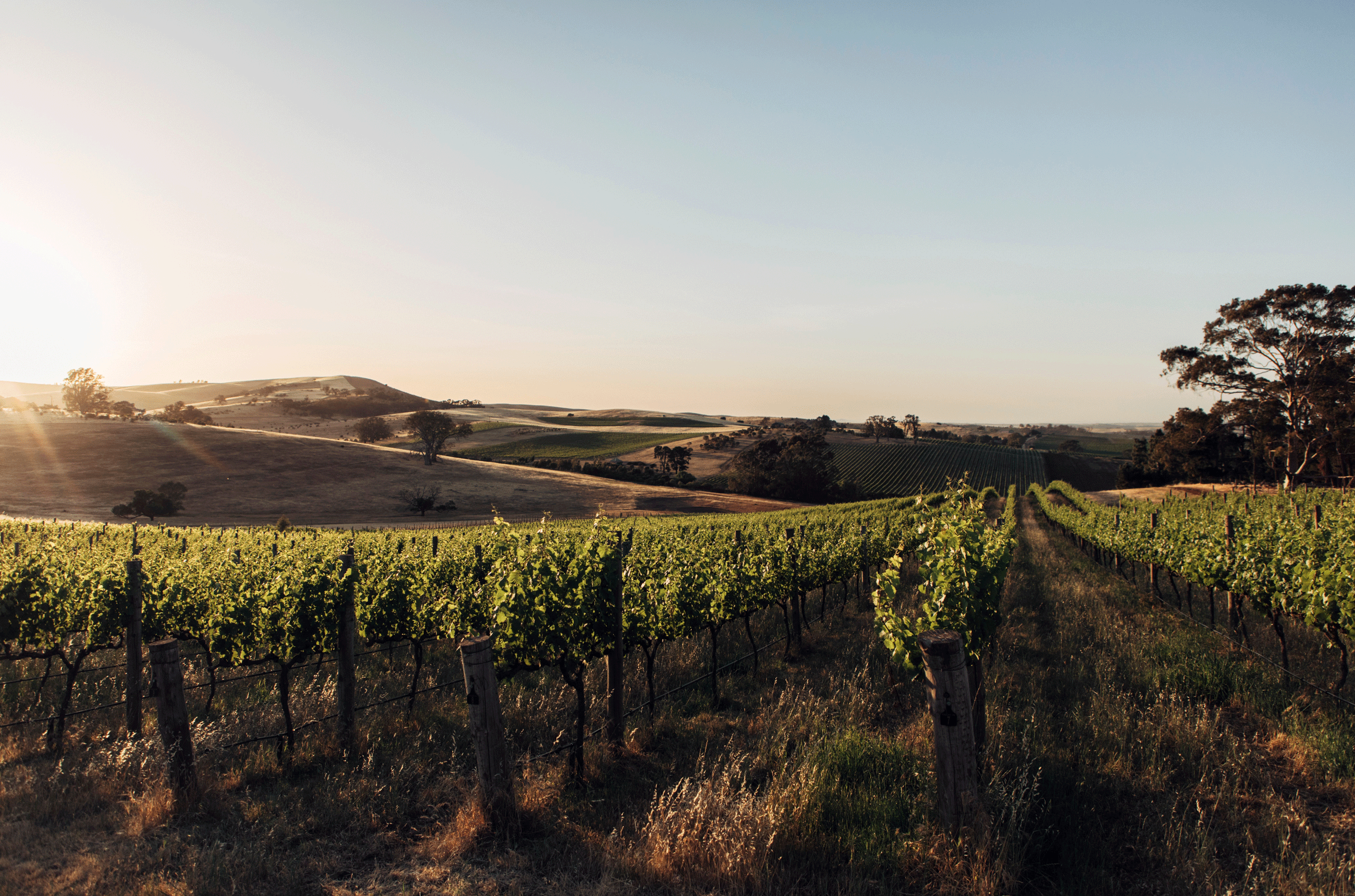
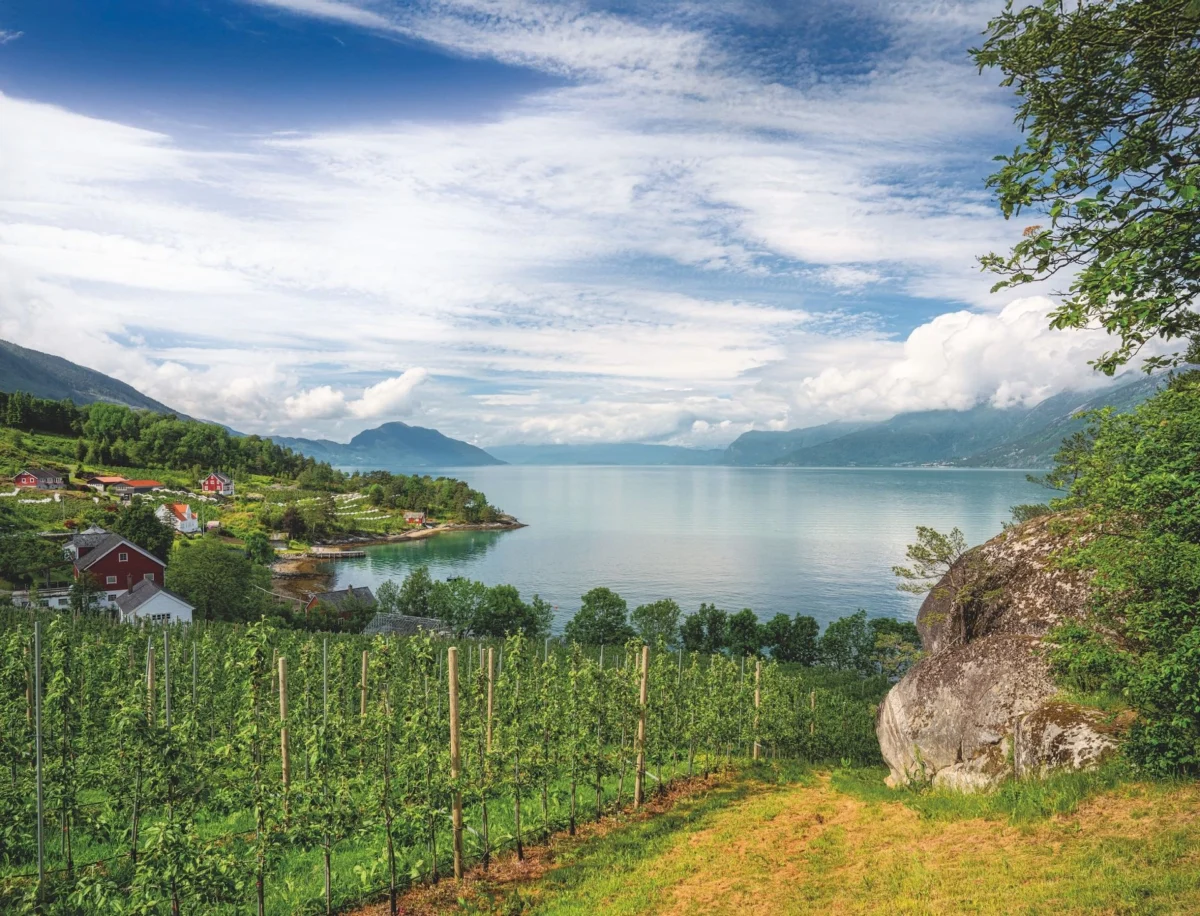
Situated approximately 130 kilometers north of Adelaide, a two-hour drive from the state capital, the Clare Valley is nestled within the scenic Mount Lofty Ranges. This region is characterized by a landscape of beautiful, undulating hills, which are integral to its viticultural success. Spanning roughly 35 kilometers in length and 5 to 10 kilometers in width, covering an area of about 680 square kilometers, Clare Valley’s compact nature belies its diverse microclimates and soil compositions.
While often described as having a Mediterranean climate, a more precise classification for Clare Valley’s viticultural zones highlights a significant continental influence. Its elevation, ranging from 400 to 500 meters above sea level, is crucial. This altitude contributes to a pronounced diurnal temperature variation, meaning warm, sun-drenched days are consistently followed by cool, crisp nights. This daily temperature fluctuation is a cornerstone of Clare Valley’s ability to produce high-quality grapes; the warm days ensure optimal ripeness and flavor development, while the cool nights slow down maturation, preserving vital acidity and aromatic complexity in white varieties and maintaining freshness in reds. Average annual rainfall in the region typically hovers around 600-700mm, with much of it occurring during the cooler months, providing essential moisture for the vines. The combination of ample sunshine, cooling breezes, and significant diurnal shifts creates an extended ripening period, allowing grapes to achieve physiological maturity and concentrated flavors while retaining their natural vibrancy.
Although Clare Valley does not officially delineate subregions, viticulturalists and winemakers recognize five distinct wine-growing areas: Auburn, Watervale, Sevenhill, Polish Hill River, and Clare. Each of these zones possesses its own unique ‘terroir,’ a complex interplay of geology, climate, and topography that imparts specific characteristics to the wines produced there.
Geological Foundation and Diverse Terroirs
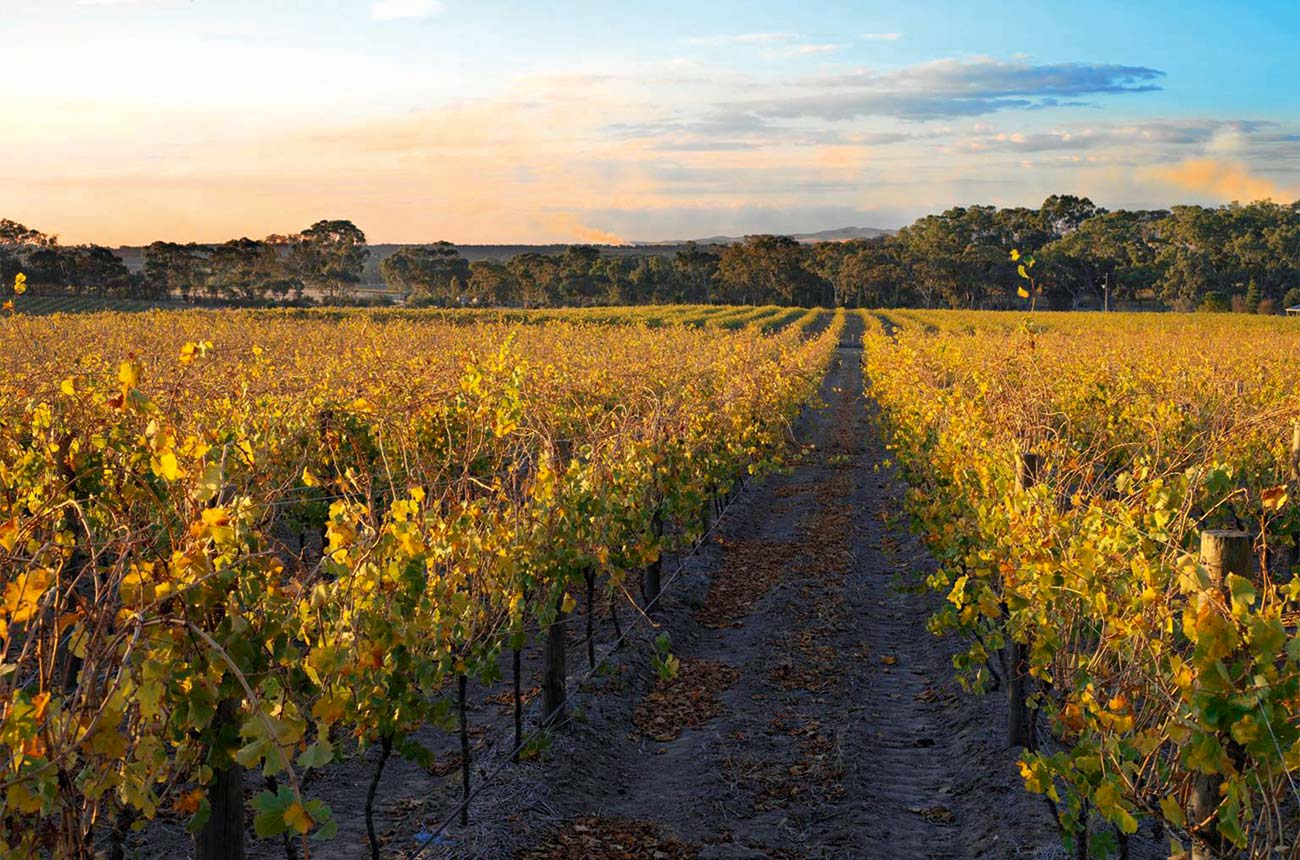
The geological history of the Clare Valley is ancient and complex, contributing directly to its viticultural diversity. Around 500 million years ago, the region was home to towering mountain peaks, reaching heights of up to 10,000 meters. Over eons, these mountains underwent extensive erosion, eventually forming a vast, flat plain. Subsequent geological shifts and tectonic activity led to the creation of the undulating landscape seen today, characterized by a series of parallel north-south valleys and ridges.
This ancient geological activity has resulted in an astonishing array of 11 distinct soil types across the valley, all formed over these ancient rock formations. The two most celebrated and influential soil types are:
-
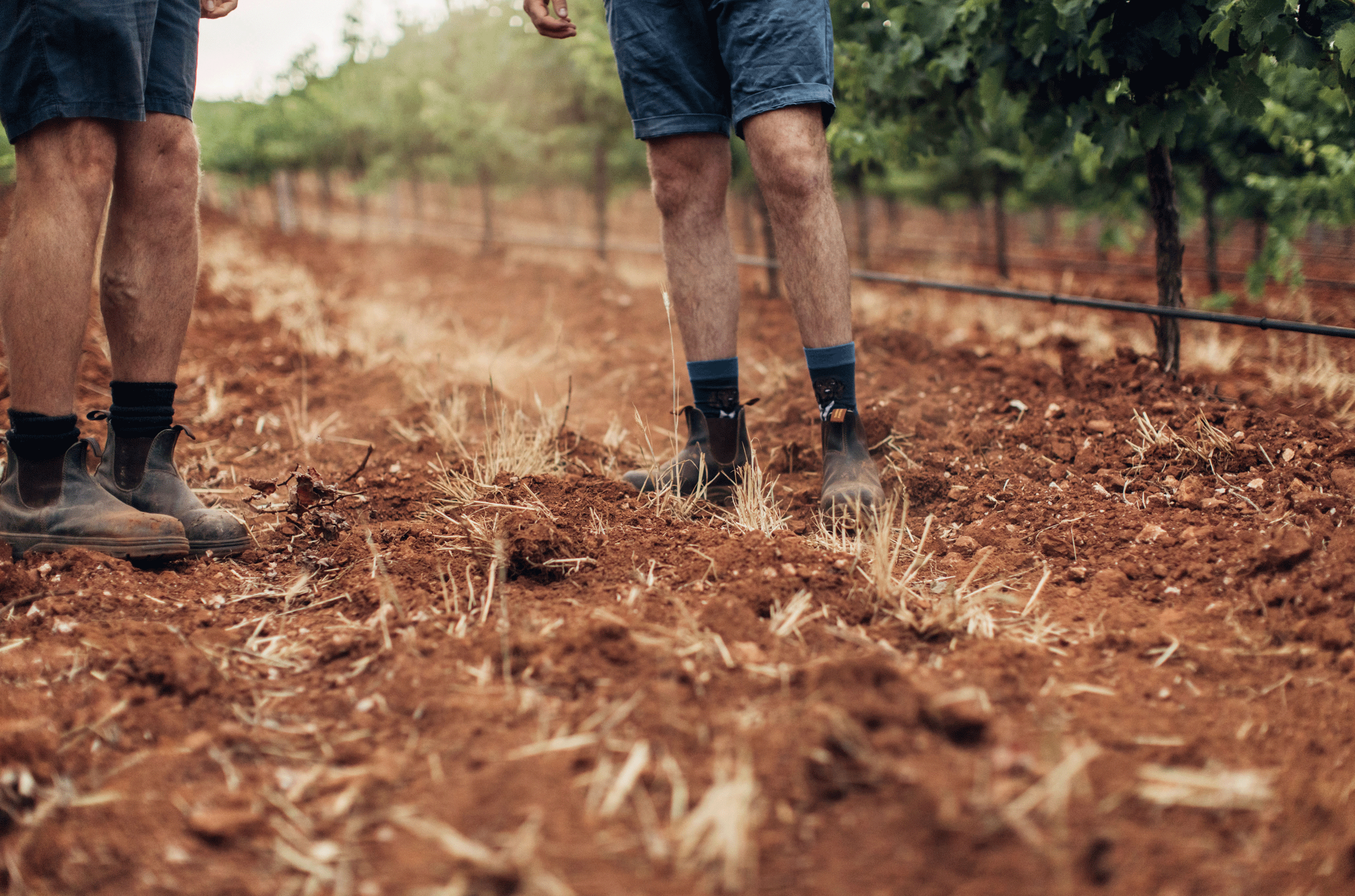
Terra Rossa (Red Earth) over Limestone: Predominantly found in the Watervale area, this soil type is characterized by its distinctive reddish-brown color, rich in iron oxides. It is a well-drained, moderate-fertility clay loam that sits atop a bedrock of limestone. The limestone contributes to good drainage while also providing a steady supply of moisture to the vines during dry periods. Wines from Watervale’s terra rossa soils, particularly Riesling, are often noted for their aromatic intensity, pronounced citrus notes (lime, lemon), and a vibrant, crisp acidity.
-
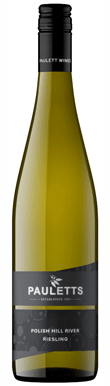
Grey Loam Soil over Broken Blue Slate: This unique soil composition is a hallmark of the Polish Hill River region. The slate bedrock provides excellent drainage and also absorbs and radiates heat, influencing vine growth and grape ripening. Rieslings grown on these soils are typically more mineral-driven, often described as steely, taut, and possessing a distinctive purity and linear structure, with hints of wet stone and a lingering saline finish.
Beyond these two famous types, vineyards in the northern parts of the valley often benefit from deep, fertile alluvial soils, while the western areas feature sandy loam and degraded quartz. This remarkable geological mosaic ensures that Clare Valley can produce an extraordinary range of both white and red wine styles, each expressing the nuances of its specific site.
A Rich Historical Tapestry
The land now known as Clare Valley has a history stretching back millennia, with the indigenous nomadic Ngadjuri people serving as its traditional custodians. European settlement began in 1838, marking the dawn of a new era for the region. The first grapevines were planted in the 1840s, laying the foundation for what would become a thriving wine industry.
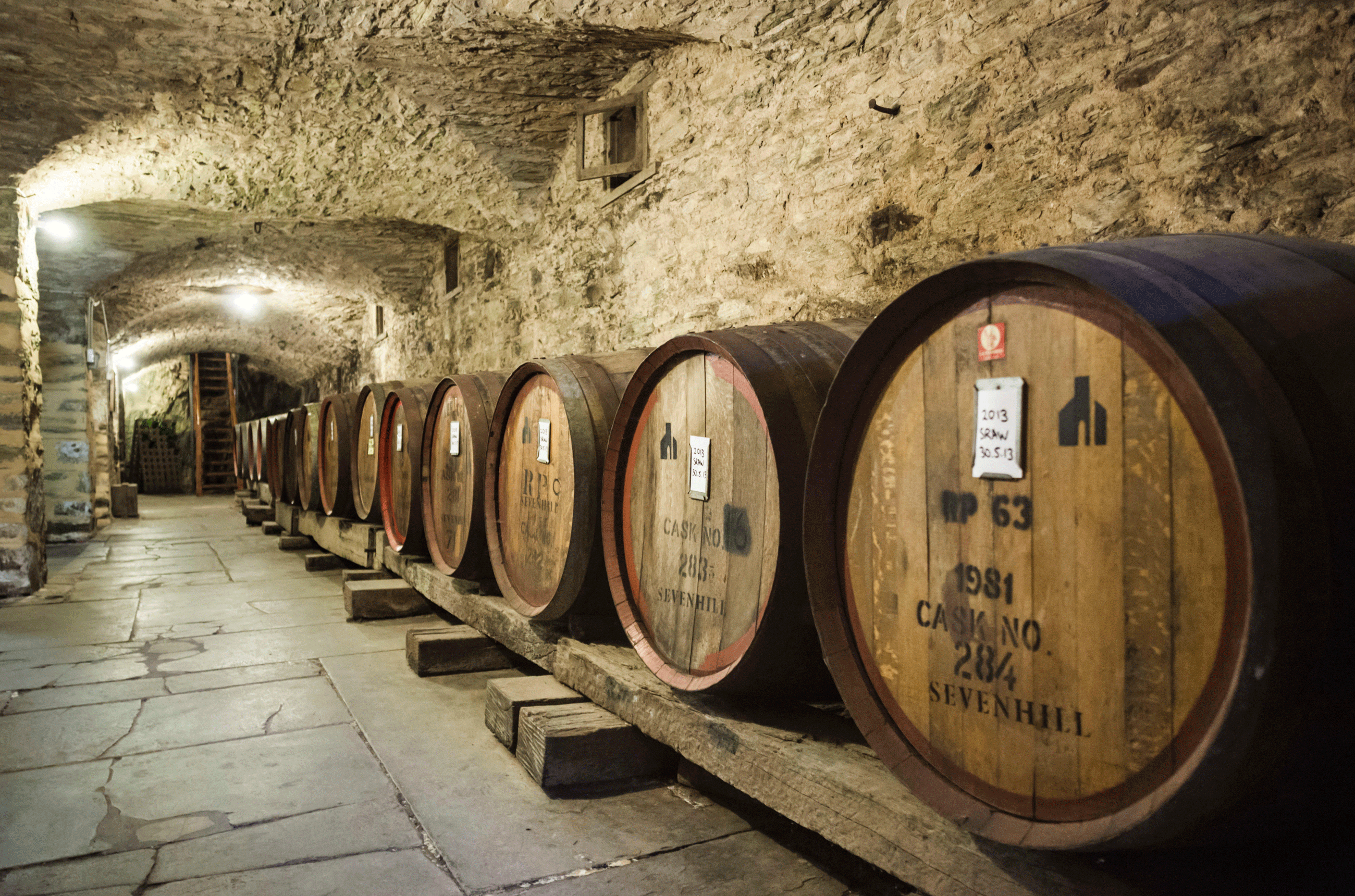
A pivotal moment in the region’s viticultural history occurred in 1851 with the founding of Sevenhill Cellars by Jesuit priests. Established primarily to produce sacramental wines, Sevenhill Cellars holds the distinction of being the first winery in the Clare Valley and one of the oldest continuously operating wineries in Australia. Its historical cellars and vineyard remain a significant landmark.
Towards the close of the 19th century, in 1893, Alfred Percy Birks established the legendary Wendouree vineyard. Birks planted heritage Shiraz vines, many of which continue to thrive and produce grapes of exceptional quality today. Wendouree has since become a revered name, known for its traditional winemaking and highly sought-after wines, reflecting the longevity and resilience of Clare Valley’s viticultural heritage.
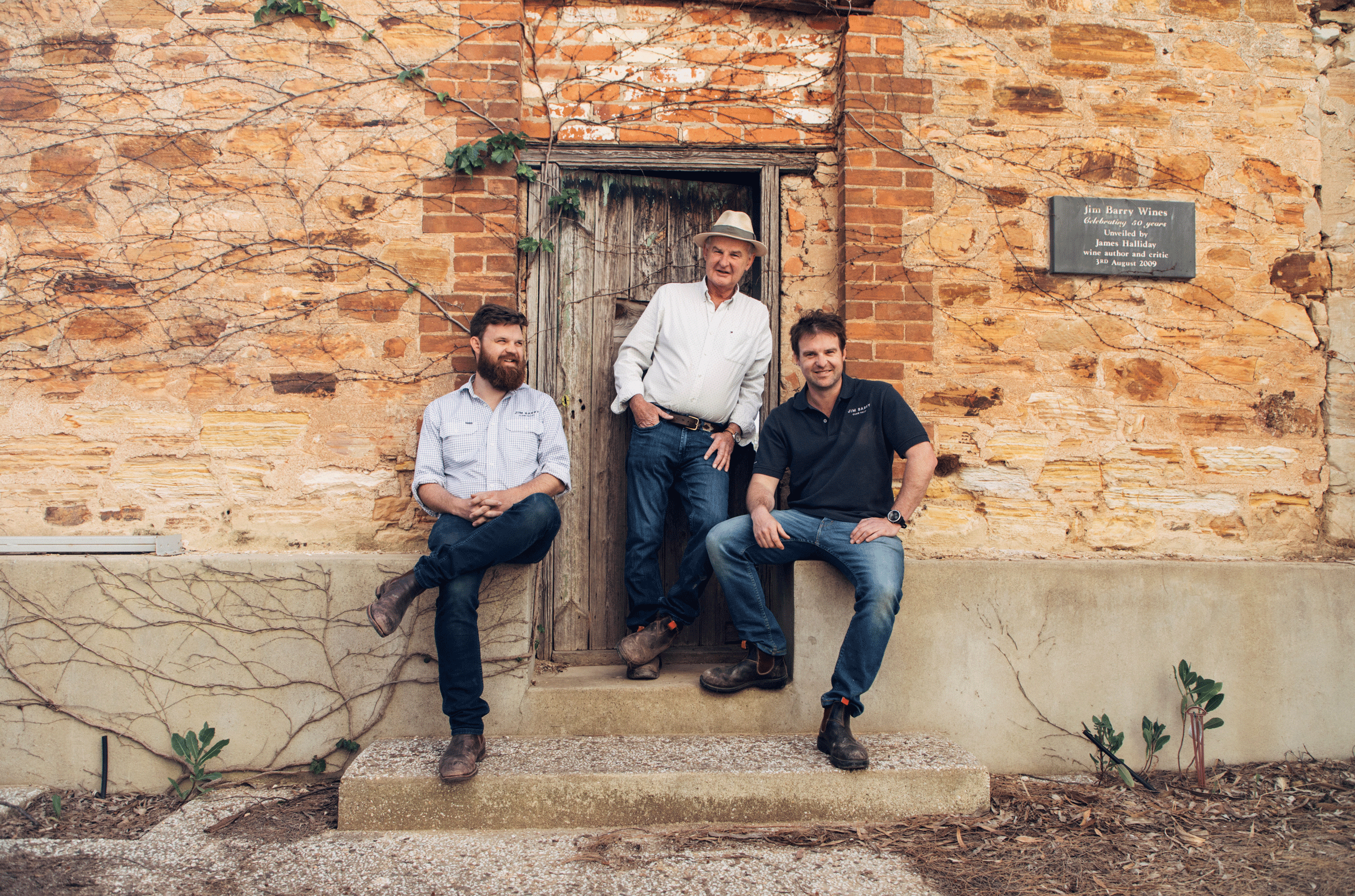
The mid-20th century witnessed a significant shift in the region’s focus. Following World War II, as the Australian wine industry began to modernize and expand, Riesling emerged as a grape of serious contention in Clare Valley. By 1984, its importance was undeniable, with 784 hectares dedicated to the variety, making it the region’s most planted grape. This period also saw a steady increase in the number of wineries, many of which would go on to become household names among wine aficionados. Esteemed producers such as Jim Barry Wines (founded 1959), Wakefield Taylors (1969), Knappstein (1969), and Grosset (1981) established their roots during this era, collectively elevating Clare Valley’s reputation on both national and international stages.
The Evolution of Wine Styles: Purity and Power
Thanks to its diverse soil types and unique climate, Clare Valley is renowned for producing a varied and high-quality portfolio of both white and red wines.
Riesling: Unquestionably the region’s flagship grape, Riesling thrives in Clare Valley’s conditions. The diurnal temperature variation, coupled with the distinct soil profiles, allows for the production of wines with impressive purity, intense aromatics, and a razor-sharp acidity that lends them extraordinary aging potential, often for decades. As noted, Rieslings from Watervale tend to be more aromatic and citrus-driven, exhibiting vibrant lime and lemon notes, while those from Polish Hill River are characteristically more mineral, steely, and taut, often showcasing notes of wet slate and green apple. The best examples are known for their profound elegance, precision, and longevity.
Red Varieties: While Riesling holds pride of place, Clare Valley also produces exceptional red wines, particularly from Shiraz and Cabernet Sauvignon. The warm Mediterranean climate, tempered by cool nights, provides ideal conditions for these red grapes to ripen fully, developing concentration and depth of flavor without sacrificing elegance.
- Shiraz: Clare Valley Shiraz typically presents as an elegant, medium-bodied expression, distinct from the bolder, more opulent styles often found in warmer Australian regions like Barossa Valley. These wines exhibit concentrated black fruit flavors, often with hints of black pepper, spice, and fine-grained tannins, supported by a refreshing acidity that gives them structure and cellaring potential.
- Cabernet Sauvignon: Another standout, Clare Valley Cabernet Sauvignon is celebrated for its varietal character, often displaying notes of blackcurrant, mint, and subtle herbaceousness, interwoven with firm but integrated tannins. These wines are known for their balance, structure, and ability to age gracefully, developing complex savory notes over time.
Beyond these dominant varieties, winemakers also cultivate smaller quantities of Pinot Grigio, Chardonnay, and are increasingly experimenting with alternative Mediterranean varieties suited to the changing climate.
The Screwcap Revolution: A Paradigm Shift
One of Clare Valley’s most significant contributions to the global wine industry was its pioneering role in the widespread adoption of the Stelvin screwcap closure. While individual winemakers like Tim Knappstein and Leo Buring had championed Clare Riesling in the 1960s and 1970s, the turn of the millennium marked a truly revolutionary moment.
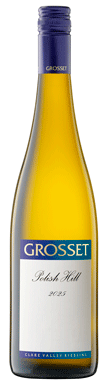
In 2000, a forward-thinking group of 13 Clare Valley winemakers, led by the influential Jeffrey Grosset, made a bold, collective decision: to seal their top Rieslings exclusively with screwcaps. This move was a direct response to the pervasive problem of cork taint (Trichloroanisole or TCA), which was causing significant economic losses and damaging the reputation of quality wines globally. Cork taint, affecting an estimated 3-7% of wines sealed with natural cork, masked or ruined the wine’s true character, a particularly egregious issue for delicate, age-worthy Rieslings whose purity was paramount.
The winemakers’ rationale was clear: screwcaps offered a reliable, consistent seal, preventing oxidation and, crucially, eliminating cork taint. This would ensure that consumers experienced the wine as the winemaker intended, preserving its freshness, aromatics, and aging potential. Initially, there was skepticism within the industry and among some consumers, who associated screwcaps with cheaper wines. However, after extensive trials and the undeniable evidence that screwcapped wines retained their freshness and aged beautifully, the initiative proved to be a resounding success. The "Clare Valley Riesling Producers Association" effectively spearheaded a paradigm shift.
The pioneering decision by Clare Valley producers quickly gained momentum and was widely adopted by the broader Australian wine industry across virtually all varieties. This move not only enhanced the quality and consistency of Australian wines but also influenced winemakers worldwide, cementing Australia’s reputation for innovation and commitment to quality control. The screwcap revolution, born in the Clare Valley, fundamentally changed global perceptions of wine closures and consumer confidence in wine quality.
Clare Valley Today: Innovation and Sustainability
Despite its long and storied winemaking history, Clare Valley’s wineries are far from resting on their laurels. The region continues to be a hotbed of innovation, with winemakers constantly experimenting with new grape varieties, exploring different viticultural techniques, and refining their practices in the winery.
A significant trend in contemporary Clare Valley winemaking is the strong embrace of sustainable, organic, and biodynamic practices. Many producers recognize the imperative of environmental stewardship, aiming to preserve the health of their vineyards and express the unique characteristics of their terroir more authentically. This commitment extends to water conservation, biodiversity enhancement, and minimizing chemical intervention, reflecting a holistic approach to viticulture.
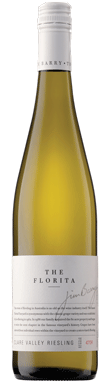
Furthermore, there is a growing focus on single-site expressions and boutique production. Winemakers are increasingly highlighting the distinctiveness of individual vineyard blocks, crafting wines that are precise reflections of their specific origin. This micro-level attention underscores the region’s commitment to quality over quantity and its dedication to showcasing the nuanced differences that arise from its diverse terroirs. The emphasis on smaller, artisanal productions allows for greater control and attention to detail, further solidifying Clare Valley’s reputation for producing fine wines.
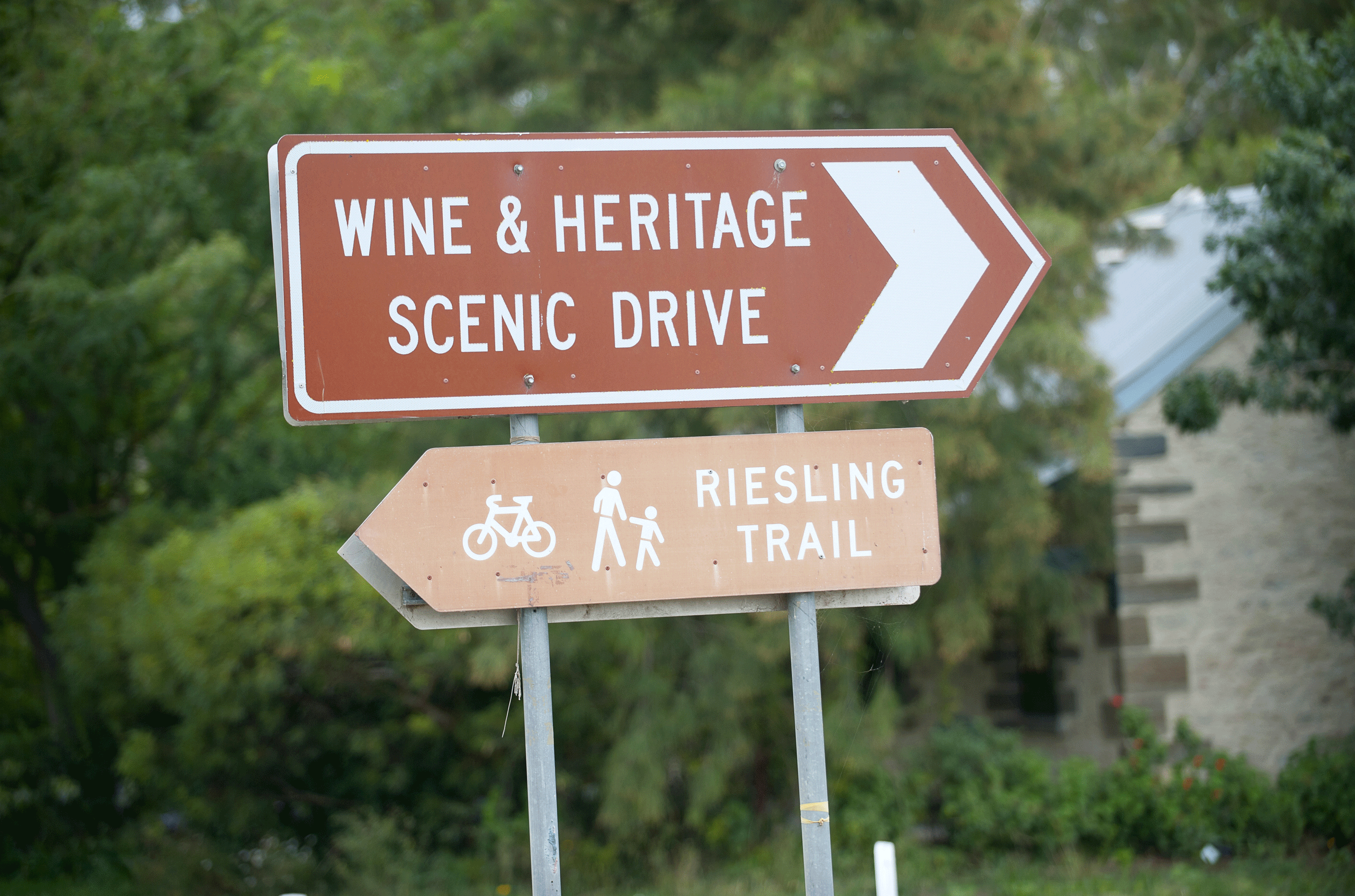
The region’s vibrant wine tourism scene also flourishes, with visitors drawn to its picturesque landscapes, welcoming cellar doors, and the renowned Riesling Trail – a multi-use path that winds through vineyards and historic towns, offering a unique way to experience the valley’s charm. The wine industry remains a vital economic pillar for the region, providing employment and supporting local communities.
Outlook and Future Prospects
Clare Valley’s future appears bright, built upon a foundation of rich history, unique terroir, and an unwavering commitment to quality and innovation. The challenges of climate change are prompting further adaptive strategies, including exploration of drought-resistant varieties and vineyard management techniques. However, the region’s inherent climatic advantages, such as its elevation and diurnal temperature shifts, may offer some resilience.
As global wine markets continue to evolve, Clare Valley’s distinct identity, particularly its world-class Rieslings and elegant red wines, positions it well for continued success. The ongoing dedication to sustainable practices and the pursuit of terroir expression will ensure that Clare Valley remains at the forefront of Australian fine wine production, inviting wine lovers worldwide to embark on a taste adventure through its diverse and compelling offerings.
Clare Valley at a Glance
- Vineyards: 5,093 hectares (Source: Wine Australia)
- Soils: Highly diverse, including terra rossa over limestone (Watervale), grey loam over blue slate (Polish Hill River), fertile alluvial soils, sandy loam, and degraded quartz.
- Climate: Continental Mediterranean, characterized by warm summer days, significantly cool nights, and a distinct diurnal temperature range, influenced by its elevation.
- Top Five Varieties (by percentage of planting):
- Riesling: 38%
- Shiraz: 29%
- Cabernet Sauvignon: 15%
- Pinot Grigio: 4%
- Chardonnay: 2%
- Production: 19,116 tonnes crushed in 2025 (Source: Wine Australia – Note: This figure likely represents a projection or a specific vintage’s data, as 2025 is in the future. Actual historical data would provide more context.)
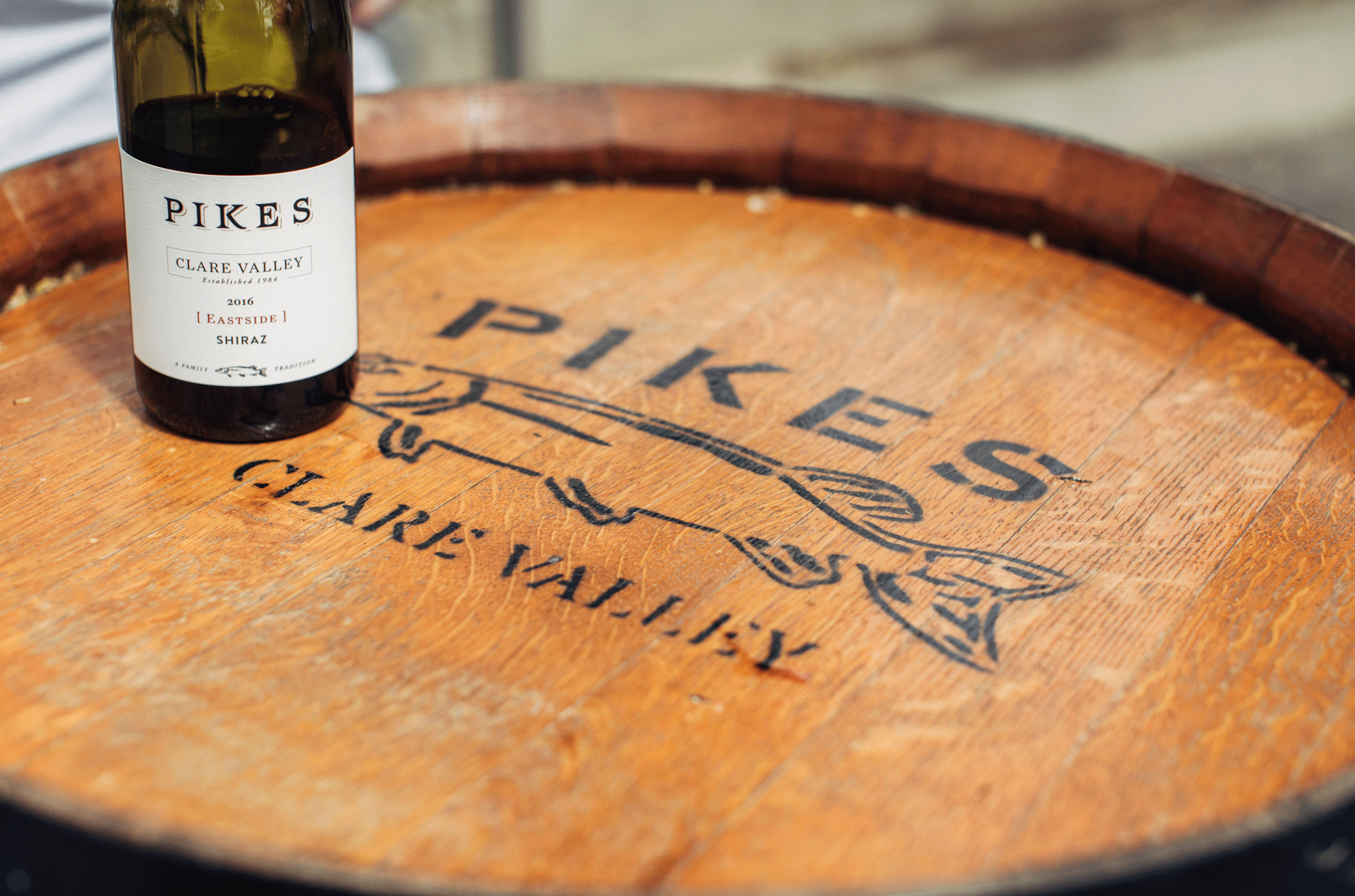
- Names to Know: Grosset, Jim Barry, Kilikanoon, Knappstein, Mount Horrocks, Pikes, Skillogalee, Wakefield Taylors, Wendouree.