admin
admin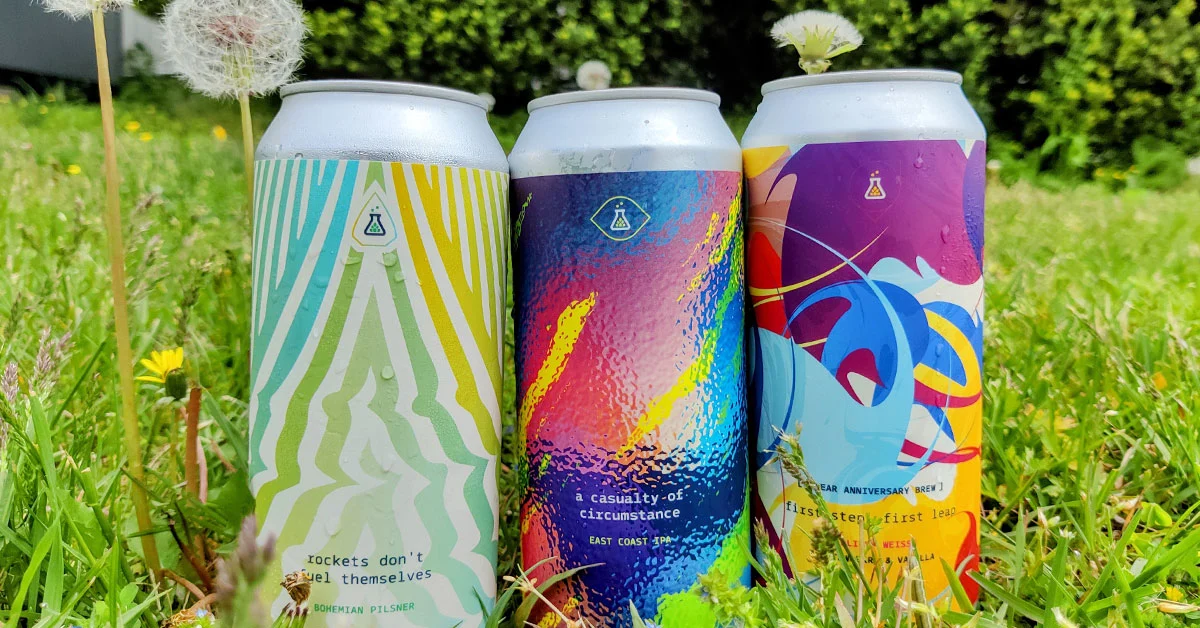
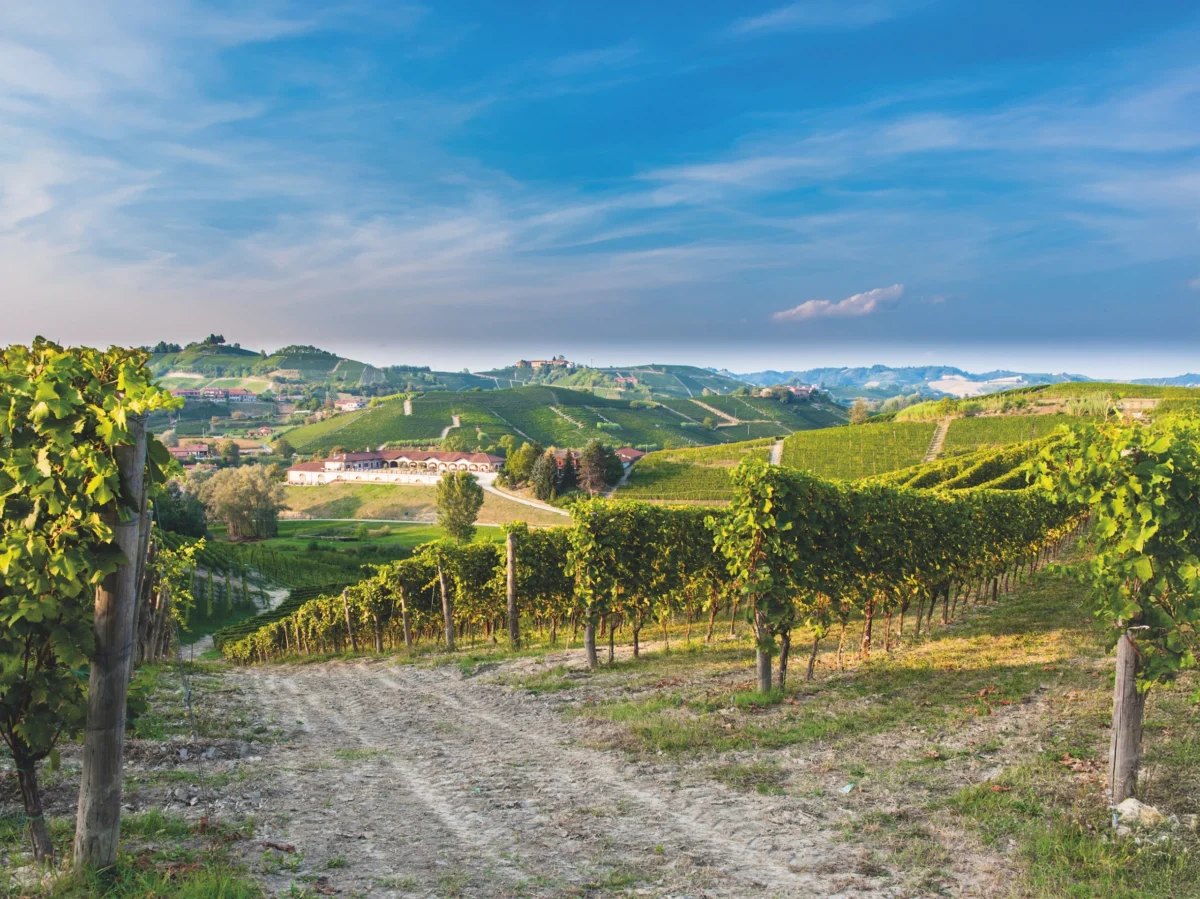
For decades, the North Fork of Long Island has been synonymous with viticulture, earning its reputation as the Napa Valley of the East. Its rolling landscapes, tempered by the maritime influence of the Peconic Bay and the Long Island Sound, provided the ideal microclimate for Merlot, Cabernet Franc, and Chardonnay. However, a significant shift in the region’s agricultural and economic identity is underway. While the wine industry remains a cornerstone of the local economy, a burgeoning craft beer sector has emerged, transforming the eastern edge of Long Island into a multifaceted destination for fermented beverages. What was once a supplemental attraction has become a primary driver of agrotourism, with a sophisticated landscape of IPAs, Pilsners, sours, and stouts now competing for the attention of the millions of visitors who flock to the region annually.
The evolution of the North Fork from a monocultural wine region to a diverse "alcohol trail" is the result of favorable state legislation, a commitment to local terroir, and a new generation of entrepreneurs who view brewing as a natural extension of the area’s farming heritage. This transformation did not happen overnight; it is the culmination of a movement that began in the late 1990s and accelerated rapidly following the 2012 New York State Farm Brewery Act.
The Historical Context and Legislative Catalysts
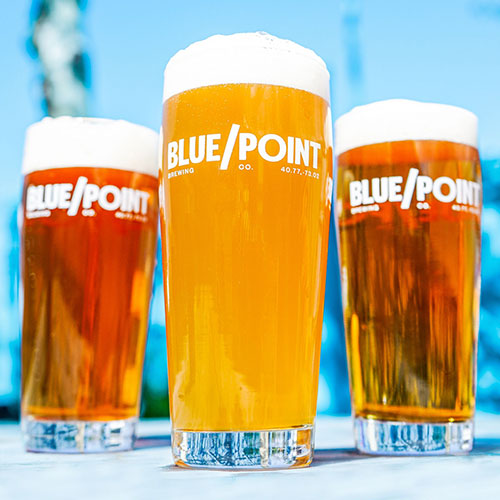
To understand the current state of the North Fork’s brewing scene, one must look back to the origins of the region’s modern agricultural era. In 1973, Alex and Louisa Hargrave planted the first commercial wine grapes in Cutchogue, proving that the North Fork’s glacial till soil was suitable for world-class viticulture. For the next thirty years, wine dominated the narrative. The brewing presence was minimal until 1998, when Blue Point Brewing Company opened in nearby Patchogue. While not on the North Fork proper, Blue Point proved there was a local appetite for craft alternatives to mass-produced lagers.
The true turning point for the North Fork’s beer industry came in 2012 with the passage of the New York State Farm Brewery Act. This legislation was designed to mirror the success of the 1976 Farm Winery Act, which had allowed small wineries to sell directly to consumers. The 2012 law created a "Farm Brewery" license, which granted brewers the right to operate tasting rooms and sell their products by the glass, provided they used a certain percentage of ingredients grown in New York State. Initially, the requirement was 20%, but it has since scaled up to 60%, with a future target of 90%. This mandate created a direct economic link between the brewery taproom and the local farmer, incentivizing the cultivation of hops and malting barley on Long Island.
The Pioneers of the North Fork Scene
Greenport Harbor Brewing Company stands as the vanguard of this movement. Founded in 2009 by John Liegey and Rich Vandenburgh, the brewery initially operated out of a renovated 1800s firehouse in the village of Greenport. At the time, the idea of a dedicated craft brewery in the heart of wine country was considered a gamble. However, the brewery’s focus on high-quality, accessible styles resonated with both locals and weekend visitors.
The success of their flagship Harbor Ale and Otherside IPA necessitated a massive expansion. In 2014, the company opened a second, larger facility in Peconic. This site, located directly on the Main Road, features a state-of-the-art brewhouse, a full-service kitchen, and expansive outdoor grounds. Sean Galligan, the head brewer at Greenport Harbor, emphasizes that their growth is deeply rooted in the local environment. By utilizing New York State-grown malt and sea salt, and collaborating with local hop growers in Orient Point, the brewery produces beers that reflect the specific geography of the North Fork. Their "fresh hop" series, brewed with Cascade and Willamette hops harvested and processed on the same day, serves as a seasonal hallmark of this commitment to freshness.
Science and Existentialism in Brewing: The Case of Übergeek
As the market matured, more specialized and experimental breweries began to take root. Among the most notable is Übergeek Brewing in Riverhead, the gateway to the North Fork. Founded by Rob Raffa, a former physics and astrophysics student, Übergeek represents the intellectual and technical side of the craft. Raffa’s transition from amateur brewer to professional was marked by a tenure at the now-defunct Moustache Brewing, where he honed his skills before launching his own brand.
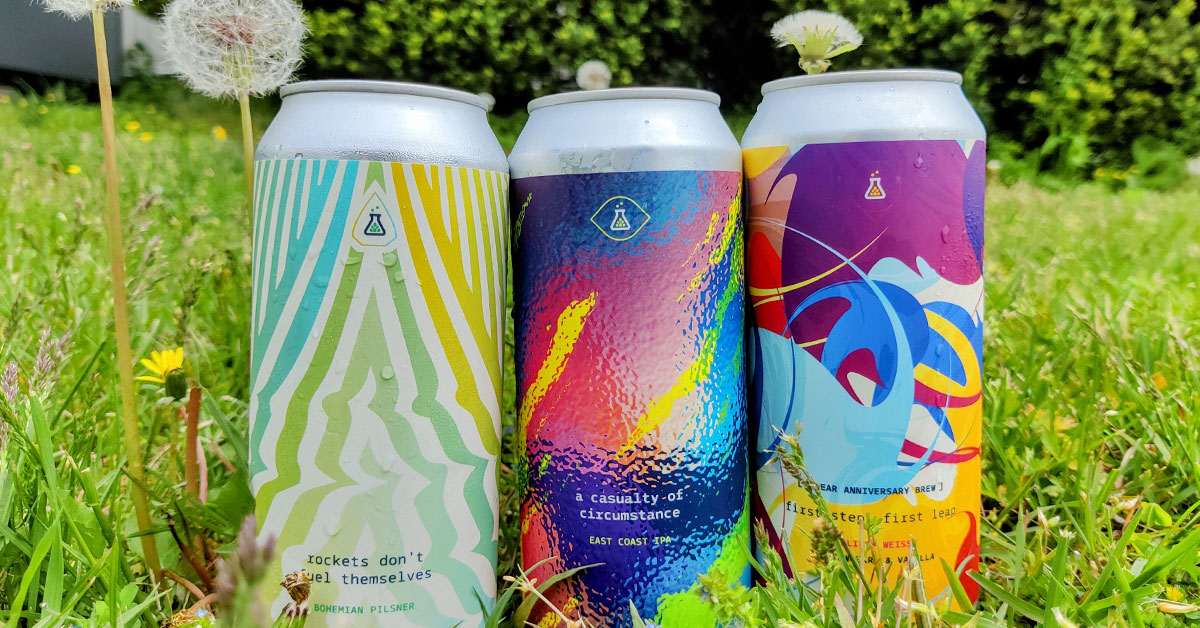
Übergeek’s trajectory illustrates the rapid scalability of the North Fork beer market. Starting as a co-brewing operation, the company took over a warehouse space in 2021 and has since seen exponential growth. The facility is currently expanding from four fermenters to 24, with plans to double production capacity this winter. Raffa’s approach is characterized by complex flavor profiles and unconventional naming conventions, such as "A Casualty of Circumstance" and "Space Age Times, Stone Age Minds." This branding reflects a broader trend in craft brewing where the product is marketed not just as a beverage, but as an artisanal expression of the brewer’s personality and philosophy.
The Musicality and Artistry of Production
The diversity of the North Fork’s breweries is further exemplified by Twin Fork Beer Co., founded by twin brothers Peter and Dan Chekijian. Combining their background in music with their passion for brewing, the brothers have created a brand where every beer is named after a musical term or theory. Labels like the Minuet Session IPA and the Crescendo IPA highlight the precision required in both musical composition and recipe formulation.
Since beginning operations in 2014, Twin Fork has leveraged the region’s existing tourism infrastructure. Peter Chekijian notes that the brewery benefits significantly from the "spillover" effect of the wine industry. The presence of bike tours, limousine groups, and bus excursions ensures a steady stream of patrons who are often looking for a variety of experiences beyond traditional wine tastings. This "symbiotic relationship," as described by industry veterans, suggests that the breweries are not competing for a finite number of drinkers but are instead expanding the total market for craft beverages on the East End.
Terroir and the Agricultural Connection
The concept of "terroir"—the characteristic taste and flavor imparted to a product by the environment in which it is produced—is no longer exclusive to wine. North Fork Brewing Company, led by Peter Barraud, has made local sourcing the cornerstone of its identity. By partnering with entities like the Peconic River Herb Farm and local licensed foragers, Barraud incorporates niche ingredients such as ancho chiles, herbs, and locally grown berries into his rotations.
This agricultural integration is vital for the region’s sustainability. During the late summer and fall, breweries utilize the abundance of local produce to create seasonal offerings that cannot be replicated elsewhere. From peach-infused golden sours to blueberry ales, these products offer a "taste of the land" that appeals to the modern consumer’s desire for authenticity and traceability. This focus on local sourcing also provides a secondary market for North Fork farmers, further stabilizing the regional agricultural economy.
Economic Impact and Broader Implications
The rise of the craft beer industry on the North Fork has significant economic implications for Suffolk County and New York State at large. According to data from the New York State Brewers Association, the craft beer industry contributes over $5 billion annually to the state’s economy. On the North Fork, this translates to year-round employment opportunities, increased tax revenue, and the revitalization of industrial and agricultural spaces.
Moreover, the breweries have helped solve a long-standing issue in the region’s tourism model: seasonal volatility. While wineries are peak attractions during the harvest, breweries—with their indoor taprooms, live music series, and diverse food truck offerings—provide a compelling reason for tourists to visit during the colder months. This diversification helps maintain a more stable, year-round economy for local businesses, from hotels to restaurants.
The social impact is also noteworthy. The brewery taprooms often serve as community hubs, hosting events that range from monthly concert series to local charity fundraisers. Unlike the often formal atmosphere of a high-end winery, breweries offer a more relaxed, communal environment that appeals to a broader demographic, including younger travelers and families.
Conclusion: A Future of Integrated Agrotourism
The North Fork is no longer just a wine destination; it is a premier craft beverage hub. The integration of breweries into the traditional wine trail has created a more resilient and attractive tourism product. By embracing the region’s agricultural roots and leveraging the unique "farm-to-glass" opportunities provided by New York law, these brewers have carved out a permanent place in the Long Island landscape.
As the industry continues to grow, the focus will likely remain on collaboration and quality. The success of "hybrid" products—such as beers conditioned on wine grapes—demonstrates that the boundaries between the two industries are blurring in favor of innovation. For the visitor, this means the North Fork now offers a comprehensive experience that reflects the richness of its soil and the creativity of its people. Whether one seeks a refined glass of Cabernet Franc or a science-driven, citrus-forward IPA, the North Fork has firmly established itself as a place where there is, indeed, something for everyone.