admin
admin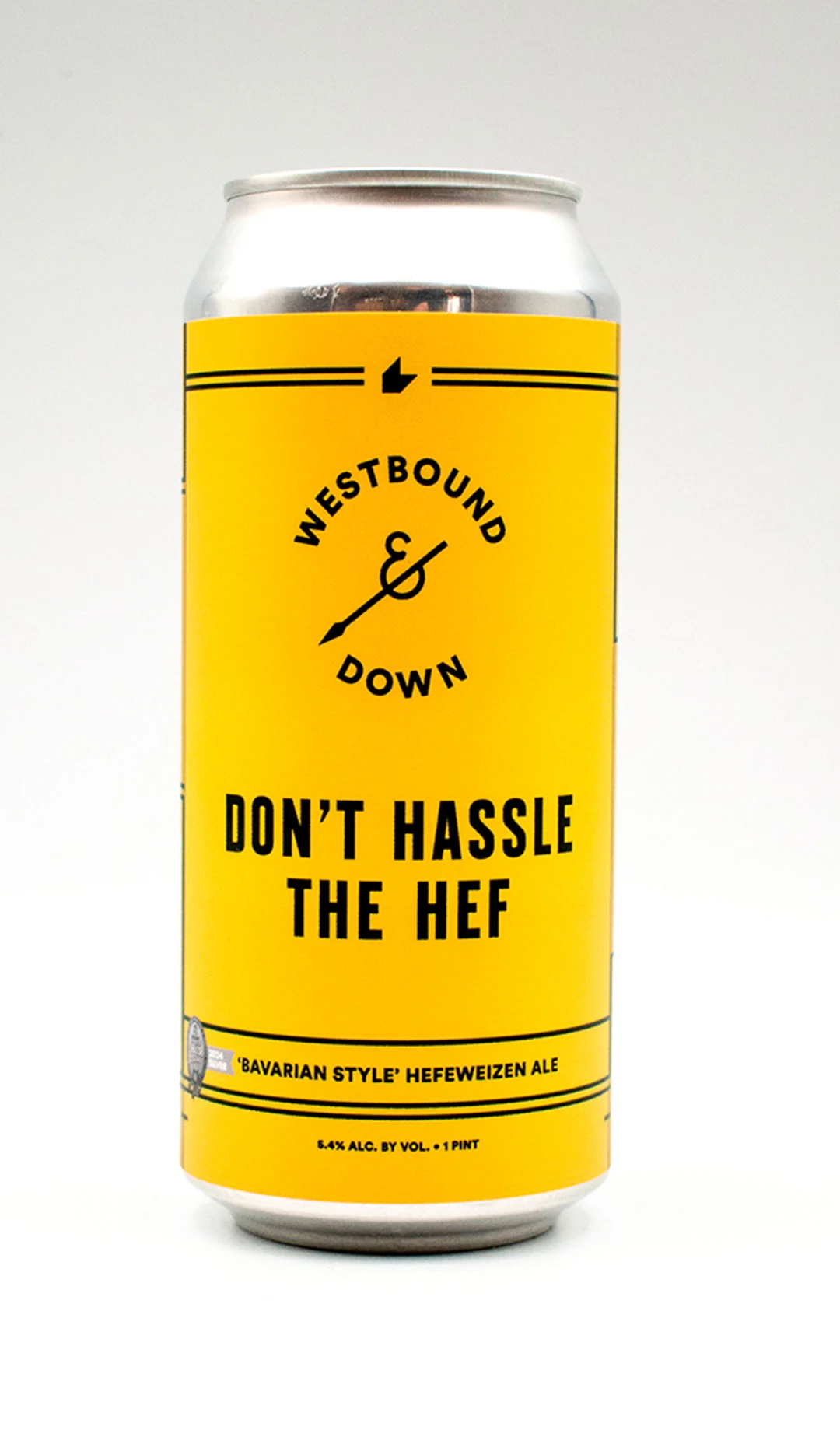
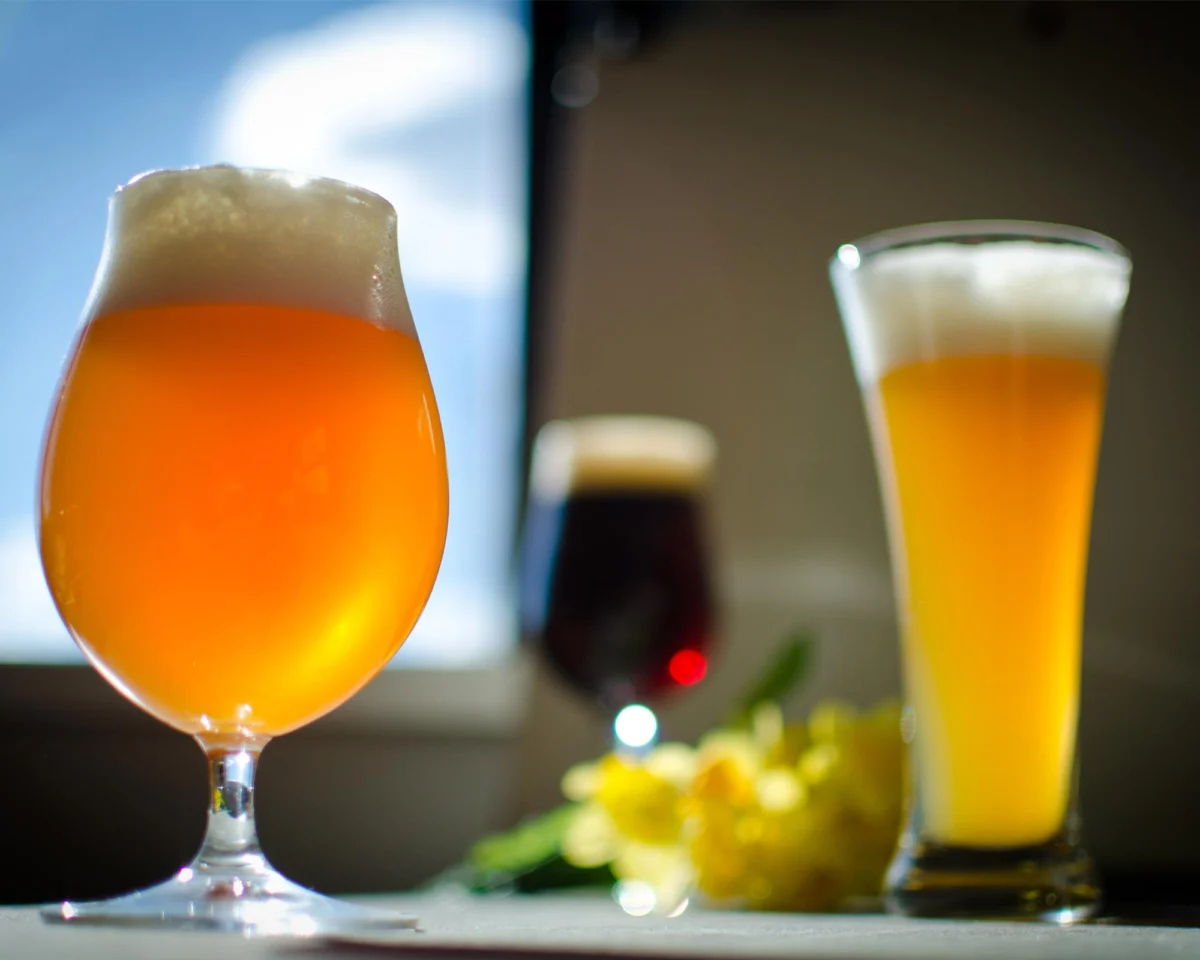
When DankHouse Brewing received an invitation to showcase their portfolio at the prestigious Juicy Brews IPA festival in early 2020, co-founder Josh Lange recognized a strategic opportunity to present "Banana Peel’d," a hazy India Pale Ale brewed with banana purée. Lange, who established the Newark, Ohio-based brewery in 2017 alongside his wife, Heather, noted that the beer had already secured a position as one of their most sought-after offerings. However, just days before the Pittsburgh-based festival was set to commence, the brewing team found themselves dissatisfied with the profile of the latest batch. The banana flavor, which was intended to be the centerpiece of the brew, lacked the necessary intensity to compete on a national stage. This realization sparked an unconventional logistical scramble that highlights the broader challenges and innovations currently defining the use of bananas in the American craft beer industry.
The search for an immediate flavor boost led the DankHouse team through a series of trial-and-error experiments. Bulk aseptic banana purée, the industry standard for consistency and shelf stability, could not be sourced and shipped within the 72-hour window before the festival. Attempts to utilize store-bought bananas resulted in rapid oxidation, turning the beer an unappealing brown. Dried banana chips failed to provide the necessary aromatic punch. The solution came from an unlikely source: the discovery that their preferred high-end purée shared a nearly identical composition with Gerber banana baby food. This led the founders to canvass every grocery store in Newark—a city located roughly 40 miles east of Columbus—to procure enough baby food for what Lange described as a "scooping party" to fortify the IPA. At the festival, the DankHouse team found themselves positioned near The Alchemist, the legendary Vermont brewery famous for Heady Topper. The juxtaposition of a world-renowned "whales" brewery next to an Ohio startup using baby food to achieve a specific flavor profile serves as a microcosm of the experimental, often improvisational nature of modern craft brewing.
The Regulatory Landscape and the TTB Pivot
The inclusion of bananas in beer has historically been fraught with administrative hurdles. Until late 2023, the Alcohol and Tobacco Tax and Trade Bureau (TTB), which oversees federal alcohol regulations in the United States, did not categorize bananas as a "traditional" brewing ingredient. Unlike malts, hops, or water, the use of bananas required breweries to submit a formal formula exemption request. This process often added weeks or months to the product development cycle, acting as a deterrent for smaller breweries looking to experiment with seasonal releases.
In a significant move for the industry, the TTB expanded its list of exempt ingredients last year, finally recognizing bananas and several other fruits as traditional components that do not require specialized formula approval. This regulatory shift is expected to further catalyze the "banana trend" in brewing, as it removes the bureaucratic friction that previously limited the speed at which a brewery could bring a fruit-forward beer to market. This change reflects a broader recognition of the evolving American palate, which has increasingly moved toward "pastry" styles and culinary-inspired beverages.
The Chemistry of Scent: Isoamyl Acetate and the Gros Michel Legacy
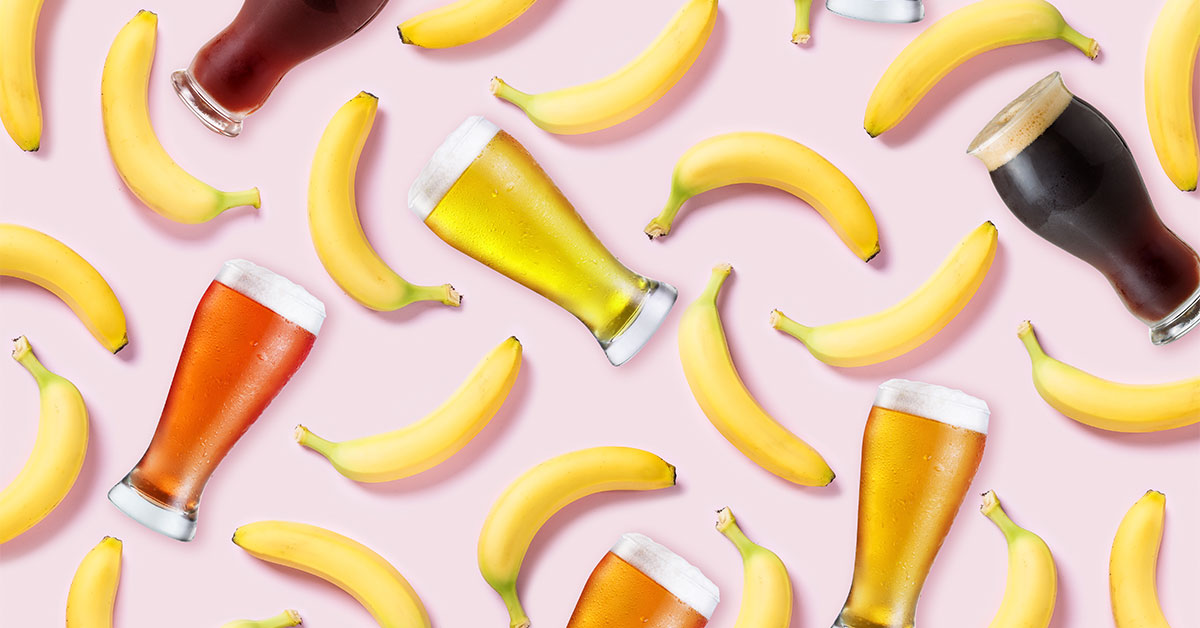
To understand why brewers are obsessed with banana flavor, one must look at the genetic and chemical history of the fruit itself. A century ago, the American market was dominated by the Gros Michel (or "Big Mike") cultivar. This variety was characterized by high levels of isoamyl acetate, the fruity ester that provides the distinct, pungent aroma associated with bananas. In the 1950s, a fungal outbreak known as Panama disease decimated Gros Michel plantations globally, leading to the rise of the Cavendish banana.
The Cavendish, while more resistant to disease, contains significantly lower levels of isoamyl acetate. This discrepancy created a sensory gap: modern artificial banana flavorings, such as those found in Runts or Laffy Taffy candies, are based on the chemical profile of the extinct Gros Michel. Consequently, when consumers encounter a "banana-forward" beer, they are often looking for the intense, candy-like aroma of the past rather than the subtle profile of a modern grocery store banana.
In the brewing process, isoamyl acetate is a natural byproduct of fermentation. Every beer contains some trace of it; notably, Coors Banquet is recognized for a subtle banana note that develops during its specific cold fermentation process. However, in most styles, an excess of this ester is considered a technical flaw. "Banana in your beer sometimes means that you’ve screwed something up," Lange explains. The exception to this rule is the German Hefeweizen, where the banana scent is a required hallmark of the style.
The Technical Challenge of the Hefeweizen
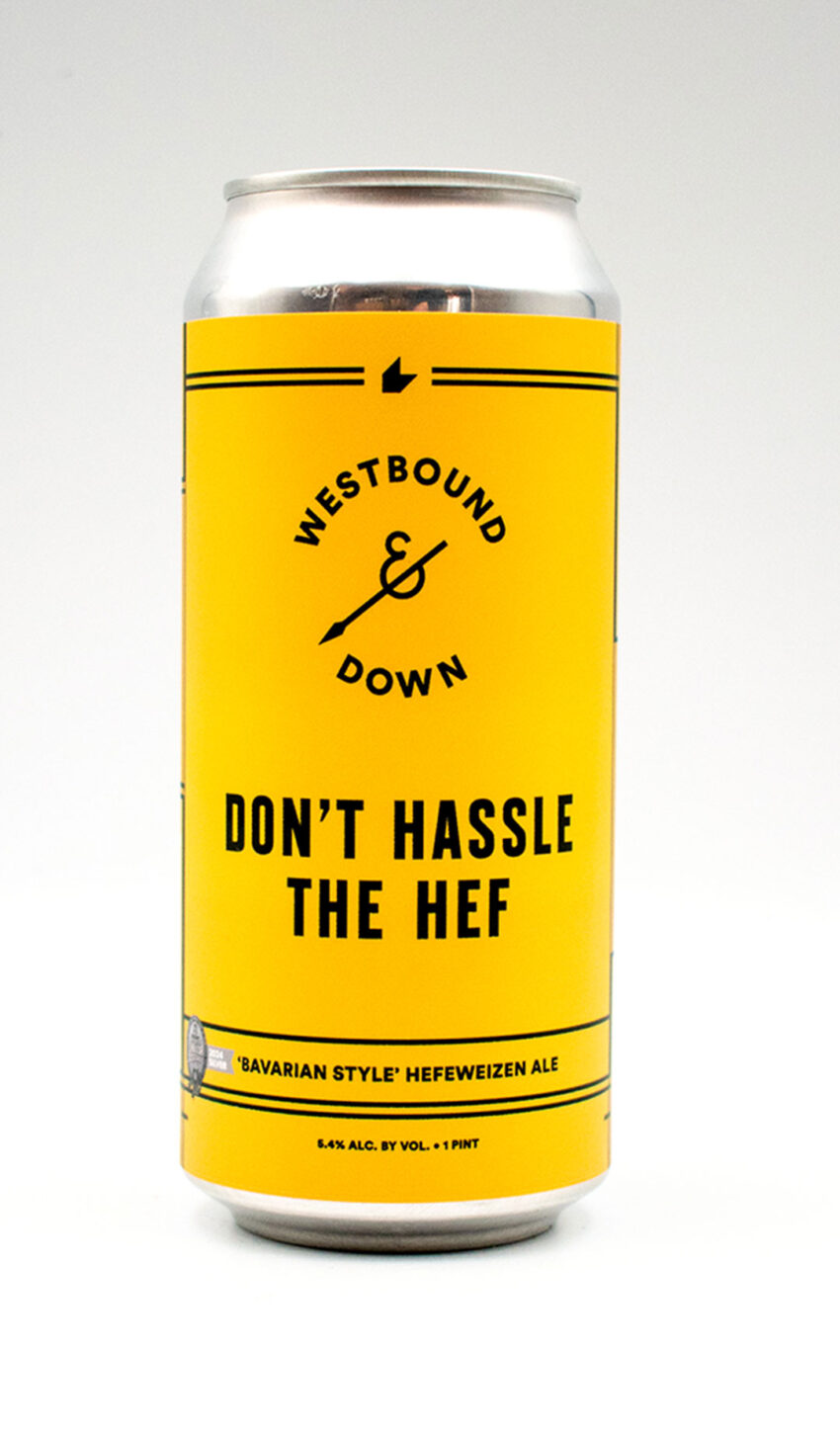
For brewers like Derek Goodman, head brewer at Westbound & Down Brewing in Colorado, the Hefeweizen represents one of the most difficult styles to master. His "Don’t Hassle the Hef," which secured a silver medal at the 2024 Great American Beer Festival, relies on biological manipulation rather than fruit additions to achieve its flavor.
To coax the desired aromas of banana and orange from the yeast, Goodman employs a technique known as "under-pitching." By introducing only one-third of the recommended amount of yeast and limiting oxygen availability, the brewer creates a "stressful" environment for the microorganisms. The yeast, sensing an abundance of nutrients (wort) but a lack of oxygen for healthy reproduction, enters a frantic metabolic state. This biological stress forces the yeast to produce high concentrations of fruity esters, specifically isoamyl acetate. Goodman notes that the resulting aroma is more reminiscent of banana Runts than a fresh-peeled fruit, aligning with consumer expectations for the style.
This traditional approach is seeing a resurgence. Jeff Mello, founder of the Nashville-based yeast suppliers Bootleg Biology and Spot Yeast, reports that Hefeweizen strains have become his second-best-selling product, trailing only the ubiquitous yeast used for Hazy IPAs. The demand is so high that suppliers frequently struggle to maintain inventory, a trend punctuated by events like the "Banana Brunch" at Nashville’s Fait La Force Brewing, which pairs Hefeweizens with banana-based desserts.
The Rise of the Pastry Stout and the "Thai Banana" Standard
While traditionalists rely on yeast, a new wave of "culinary" brewers is turning to exotic fruit preparations to achieve maximum impact. In the world of high-gravity imperial stouts and "pastry" beers—brews designed to mimic desserts—standard purées are often insufficient.
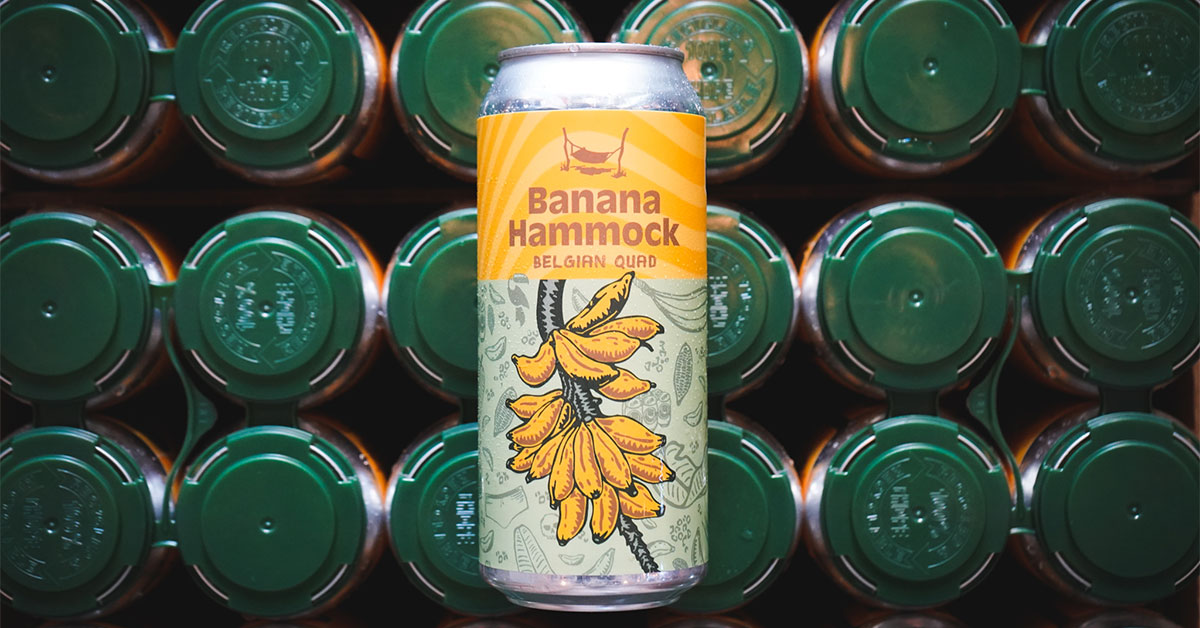
At Crooked Hammock Brewery in Delaware, director of brewing operations Larry Horwitz produces "Banana Hammock," a 15% ABV Belgian-style quadrupel. Horwitz highlights a biological hurdle he calls the "Cheetos dilemma." When brewers add simple sugars from fruit during primary fermentation, the yeast may become "lazy," consuming the easy sugars and failing to finish fermenting the more complex malt sugars. To avoid this, many brewers add banana purée only after primary fermentation has concluded, ensuring the beer retains its intended body and sweetness.
However, the "Grand Cru" of the banana brewing world is the wild Thai banana. Sourced by specialty importers like Rodrick Markus of Rare Tea Cellar in Chicago, these dried, fructose-rich fruits offer a concentrated flavor that purées cannot match. Originally a niche product for high-end restaurants, wild Thai bananas became a lifeline for importers during the COVID-19 pandemic as breweries like Other Half and Evil Twin began using them in bulk for barrel-aged stouts.
Matt Tarpey, co-founder of The Veil Brewing in Richmond, Virginia, utilizes these bananas for "Sky Summoner," an imperial stout conditioned on vanilla, coconut, and Thai bananas. The cost, however, is a significant barrier. With prices reaching $50 per pound—compounded by a 35% tariff on Thai imports—a single batch of beer can require hundreds of pounds of fruit. Tarpey admits that while these beers are popular, the slim profit margins make them a "labor of love" rather than a primary revenue driver.
Implications for the Future of Craft Brewing
The "banana moment" in American craft beer signifies a broader shift toward flavor transparency and technical experimentation. As the TTB relaxes its regulations, the barrier to entry for fruit-infused beers continues to lower, likely leading to more diversity on taproom menus. Simultaneously, the divide between "traditional" brewing (using yeast stress to create flavor) and "culinary" brewing (using luxury imports like Thai bananas) is creating two distinct tiers of consumer experience.
From the "scooping parties" of small-town Ohio to the high-stakes world of international fruit tariffs, the banana has transitioned from a brewing "off-flavor" to a coveted ingredient. Whether achieved through the careful manipulation of yeast metabolism or the expensive addition of dried exotic fruits, the goal remains the same: capturing a nostalgic, intense flavor profile that resonates with the modern craft beer enthusiast. As brewers continue to "unpeel" the potential of this fruit, the industry is seeing a fusion of chemistry, history, and global logistics that ensures the banana’s place in the pint glass for the foreseeable future.