admin
admin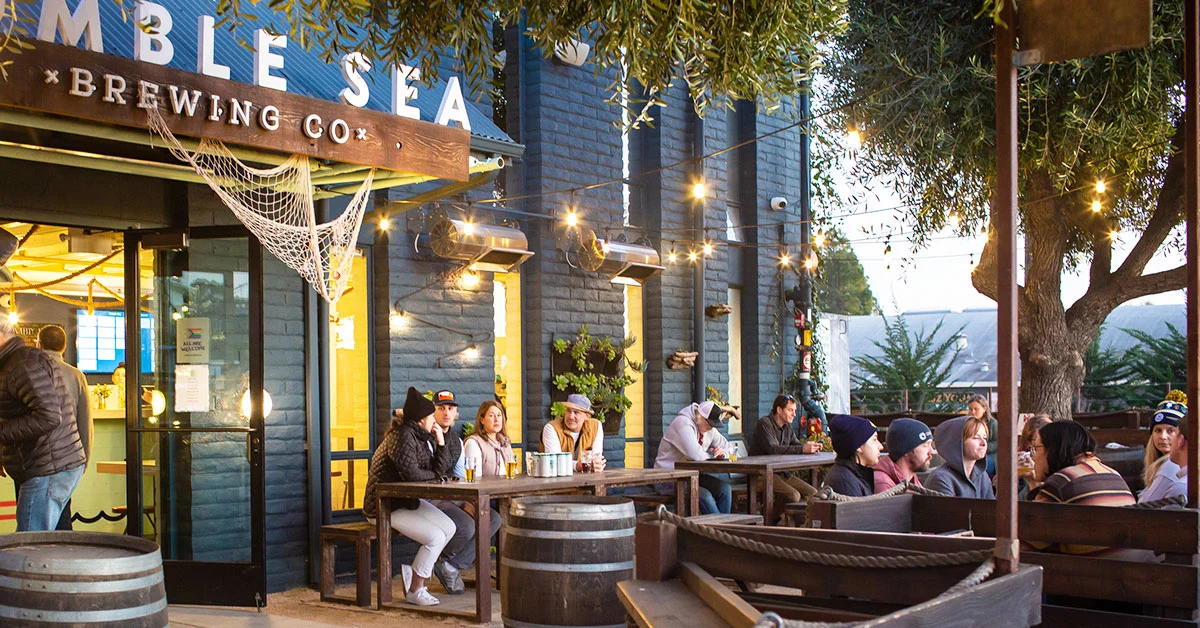
The American craft brewing industry, once defined by a relentless pursuit of the "next big thing," is currently undergoing a significant strategic recalibration. For over a decade, the sector was propelled by a culture of novelty, where limited-release cans and experimental flavor profiles dominated consumer attention. However, as the market matures and economic pressures mount, established players like Sunriver Brewing Company in Oregon and Humble Sea Brewing Co. in California are finding that long-term viability requires a delicate equilibrium between cutting-edge innovation and the reliability of flagship brands. This shift represents a broader trend within the United States craft beer landscape, as breweries move away from "release fatigue" and back toward the foundational styles that first defined the movement.
The Evolution of Strategic Brewing: From Pub Roots to Regional Distribution
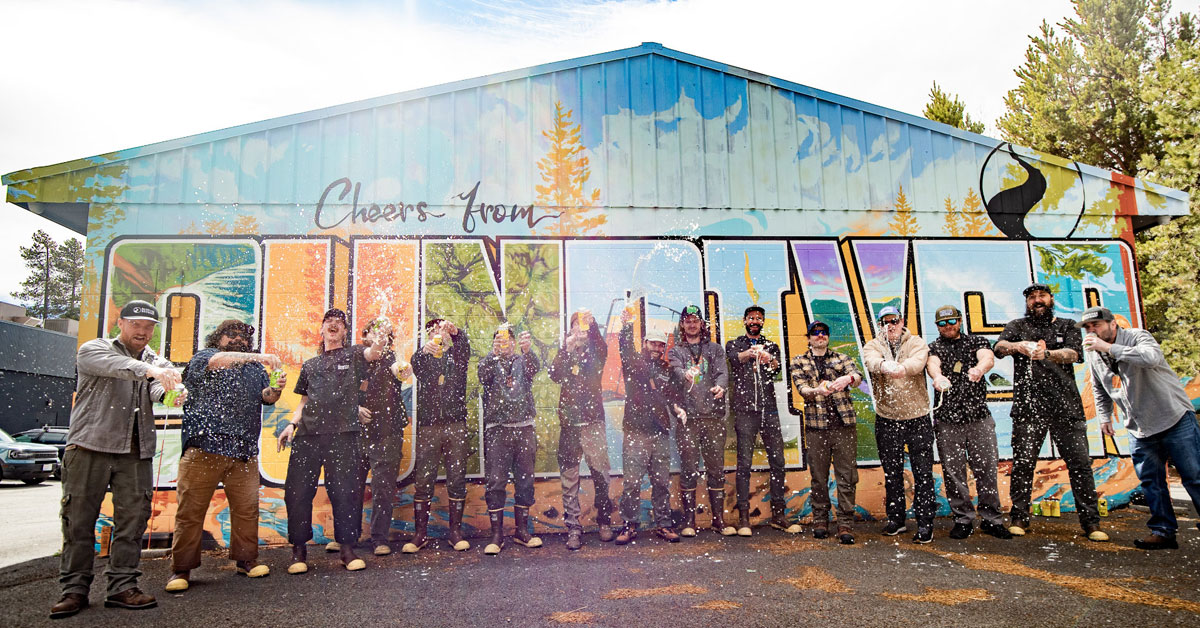
The trajectory of Sunriver Brewing Company, located in the high desert of Central Oregon, illustrates the necessity of adapting product portfolios to geographical and demographic realities. When the brewery launched in 2014, its mission was dictated by its immediate environment. Sunriver, a resort community with a permanent population of roughly 2,000, sees its numbers swell to 15,000 on peak weekends. This "transient tourist demographic," as described by head brewer Brett Thomas, initially demanded approachable, familiar styles.
In its infancy, Sunriver’s lineup was quintessentially "pub-oriented," featuring a blonde ale, a pale ale, an amber ale, and a stout. These styles served as an entry point for visitors who might not have been seasoned craft enthusiasts but were looking for a local experience. However, as the brewery’s reputation grew, so did its ambitions. The transition from a local brewpub to a regional powerhouse required Sunriver to navigate the "sweet but challenging spot" between making experimental, high-end beer and maintaining the core products that consumers recognized.
This evolution was not merely a matter of creative preference but a business imperative. As Sunriver expanded its footprint through wholesalers and additional taprooms, it encountered a diverse array of consumer expectations. The brewery now manages a tiered portfolio: the Coolwater American light lager caters to the traditionalist and the tourist, while barrel-aged and wild ale series target the connoisseur. Bridging these extremes is a robust selection of India Pale Ales (IPAs), which Thomas notes remain the dominant force in American craft culture, often occupying half of the available tap handles in any given venue.
The Pivot and the Return: Humble Sea’s Hazy Path to Lager
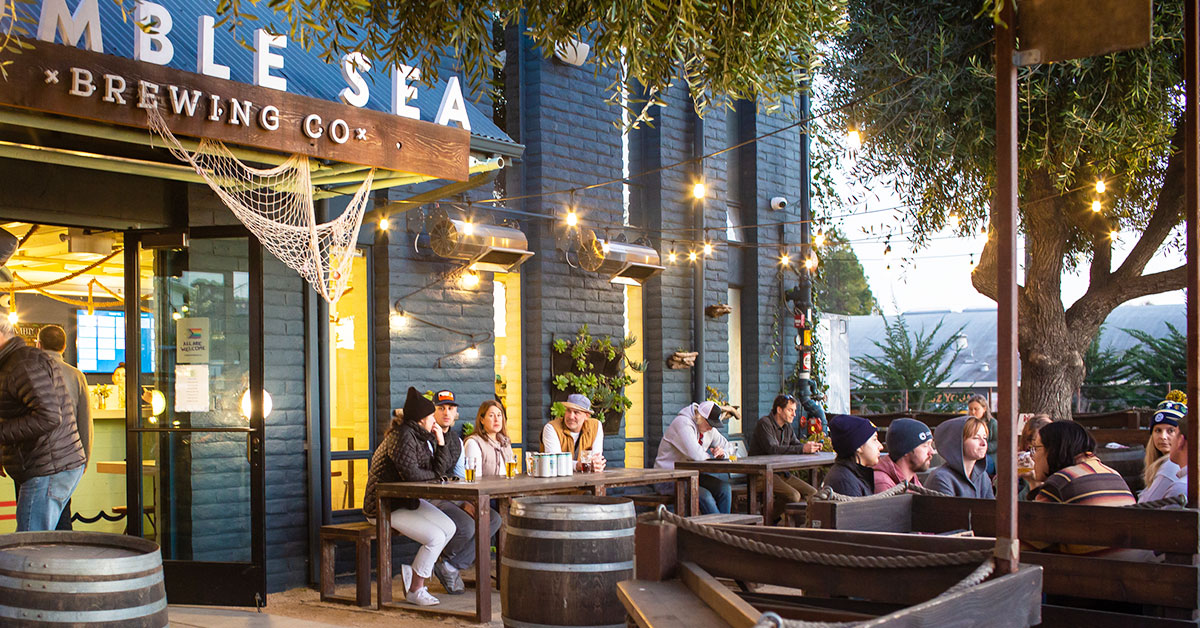
While Sunriver began with traditional styles, Humble Sea Brewing Co. in Santa Cruz, California, provides a case study in market-driven adaptation. Founded in 2015, the brewery was born out of a passion for lagers. Co-founder Frank Scott Krueger notes that the original intent was to be a "lager-first brewery." However, the California market in the mid-2010s was not yet ready for a craft lager revolution; the "haze craze" was at its zenith, and consumer demand was focused almost exclusively on hop-forward, turbid IPAs.
To ensure the brewery’s survival—or, as Krueger puts it, to "keep the lights on"—Humble Sea pivoted. They leaned into what they termed "foggy IPAs," a stylistic variation of the New England IPA. This strategic shift was immensely successful, placing the brewery on the national map and attracting a dedicated following of "beer nerds" who would travel across the country for specific releases. At one point, nearly 95% of Humble Sea’s production was dedicated to hoppy beers.
As the brand established trust and a loyal customer base, the founders were eventually able to reintroduce their original passion. Today, lagers account for approximately 30% of Humble Sea’s production. This trajectory highlights a common theme in the modern industry: breweries often must "earn" the right to brew the styles they love by first providing the styles the market demands. Furthermore, Humble Sea has adopted a hyper-local approach to its various taprooms. In Pacifica, West Coast IPAs remain the top sellers; in Santa Cruz, pilsners and lagers lead the way; and in Alameda, the crowd gravitates toward high-gravity triple and quad IPAs.
The Flagship Renaissance and the Power of Nostalgia
One of the most significant shifts in the 2024 craft beer market is the resurgence of the "flagship" brand. For years, many breweries abandoned the concept of a core beer in favor of a "constant rotation" model. This approach catered to the "ticker" culture—consumers who rarely buy the same beer twice—but it often led to brand dilution and operational inefficiencies.
Industry analysts and writers, such as Jeff Alworth of Beervana, have noted that "beer release fatigue" is a growing phenomenon. Consumers are increasingly looking for reliability and a sense of connection to a brand’s history. This is evidenced by the enduring popularity of legacy beers like Sierra Nevada Celebration Ale, which benefits from what Alworth describes as the "power of nostalgia."
For Sunriver, the flagship is the Vicious Mosquito IPA. Interestingly, the beer’s status as a flagship was largely driven by wholesalers rather than the brewery’s internal marketing. In 2014, distributors were eager to find a "hero" brand they could scale. They latched onto Vicious Mosquito, and it quickly became the beer that built the Sunriver brand. Similarly, Humble Sea’s Socks & Sandals, a foggy IPA, emerged as an accidental flagship. Despite the founders’ initial reluctance to focus on a core brand, the market chose Socks & Sandals, and the brewery has since embraced it as a pillar of their identity.
Data and Market Dynamics: The Challenges of Multi-Channel Distribution
The shift toward a more balanced portfolio is also a response to the complex economics of modern beer distribution. The Brewers Association’s recent year-end reports indicate that while the overall craft segment has seen a flattening of growth, taproom sales remain a vital lifeline for small producers. However, relying solely on taprooms is risky, a lesson many learned during the COVID-19 pandemic when retail and wholesale channels became the only viable routes to market.
Managing these multiple channels creates what Sunriver’s Brett Thomas calls "competing agendas." The needs of a wholesaler (who wants high-volume, consistent flagships) often clash with the desires of a taproom manager (who wants limited-edition, high-margin novelties). Furthermore, the ownership’s vision for the brand must be weighed against the practicalities of what the brewing team wants to create and what the tavern owner can actually sell.
Supporting data from the craft sector suggests that "SKU-mageddon"—the explosion of unique stock-keeping units—has overwhelmed retailers. Many grocery stores and bottle shops are now cutting back on the number of rotating handles and shelf spaces, preferring to stock proven winners that guarantee a high rate of turnover. This retail pressure is forcing breweries to consolidate their offerings and focus on quality over quantity.
Chronology of the Craft Shift (2014–2024)
The past decade of craft brewing can be viewed through several distinct phases:
- 2014–2016: The Rise of Haze and Hyper-Localism. Breweries like Sunriver and Humble Sea launch. The New England IPA begins its dominance, and the "taproom model" becomes the gold standard for profitability.
- 2017–2019: Maximum Novelty. The industry sees an explosion of "pastry stouts," "milkshake IPAs," and fruit-heavy sours. Flagships are largely ignored as consumers chase the newest releases.
- 2020–2021: The Pandemic Pivot. The closure of taprooms forces a renewed focus on packaging and wholesale distribution. Breweries realize the importance of having a recognizable brand on a grocery store shelf.
- 2022–2023: Market Saturation and Seltzer Expansion. As beer growth slows, breweries experiment with "beyond beer" categories, including hard seltzers and canned cocktails. Sunriver, for instance, introduced craft seltzers to meet this demand despite initial internal resistance.
- 2024–Present: The Return to Tradition. A noticeable "lager revival" takes hold. "Release fatigue" leads to a resurgence in flagship brands and a focus on drinkability and technical excellence over experimental gimmicks.
Broader Implications for the Future of Craft Beer
The experiences of Sunriver and Humble Sea reflect a broader maturation of the craft beer industry. The era of "easy growth," where any new brewery could find a following simply by existing, has ended. In its place is a highly competitive landscape where brand identity and operational strategy are as important as the liquid in the glass.
The return to flagships and lagers suggests that the industry is looking for stability. For the consumer, this means more consistent quality and a return to the social aspect of beer—drinking a familiar pint with friends rather than dissecting a complex, high-alcohol limited release. For the brewer, it means a more sustainable business model that balances the excitement of innovation with the financial security of a core brand.
Ultimately, the success of modern craft breweries depends on their ability to listen to their customers while remaining true to their own brewing philosophy. Whether it is Sunriver navigating the needs of Central Oregon tourists or Humble Sea balancing its "beer nerd" roots with a newfound love for pilsners, the path forward is defined by flexibility, resilience, and an unwavering focus on the "perfect balance."