admin
admin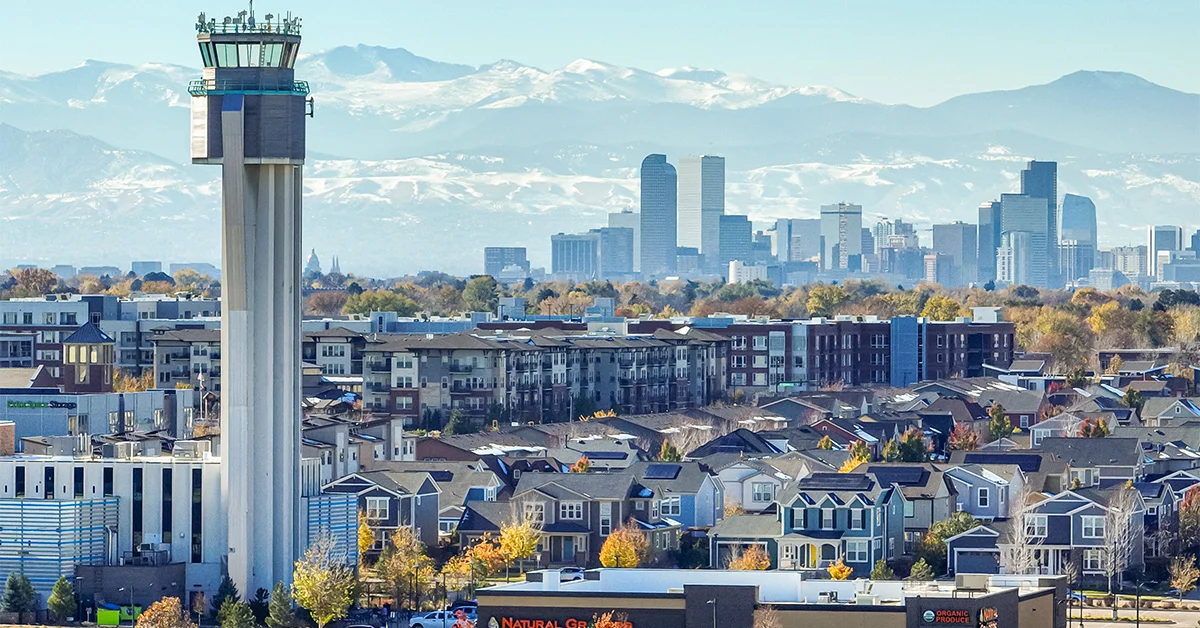
The intersection of craft brewing and general aviation reaches its seasonal peak each August in Colorado, centered around a high-stakes logistical maneuver known as the fresh hop flight. For FlyteCo Tower, a Denver-based brewery located in the historic Stapleton International Airport air traffic control tower, this tradition involves a 175-nautical-mile journey across the Rocky Mountains to harvest and transport hops within a critical 24-hour window. However, the 2025 season has highlighted the inherent volatility of this endeavor. For the first time since the brewery’s inception in 2019, persistent inclement weather and shifting harvest cycles resulted in the grounding of the "Hop Is My Co-Pilot" mission, forcing the brewery to pivot to traditional shipping methods and underscoring the "miraculous" nature of previous successful runs.
The Technical Challenges of Fresh Hop Brewing
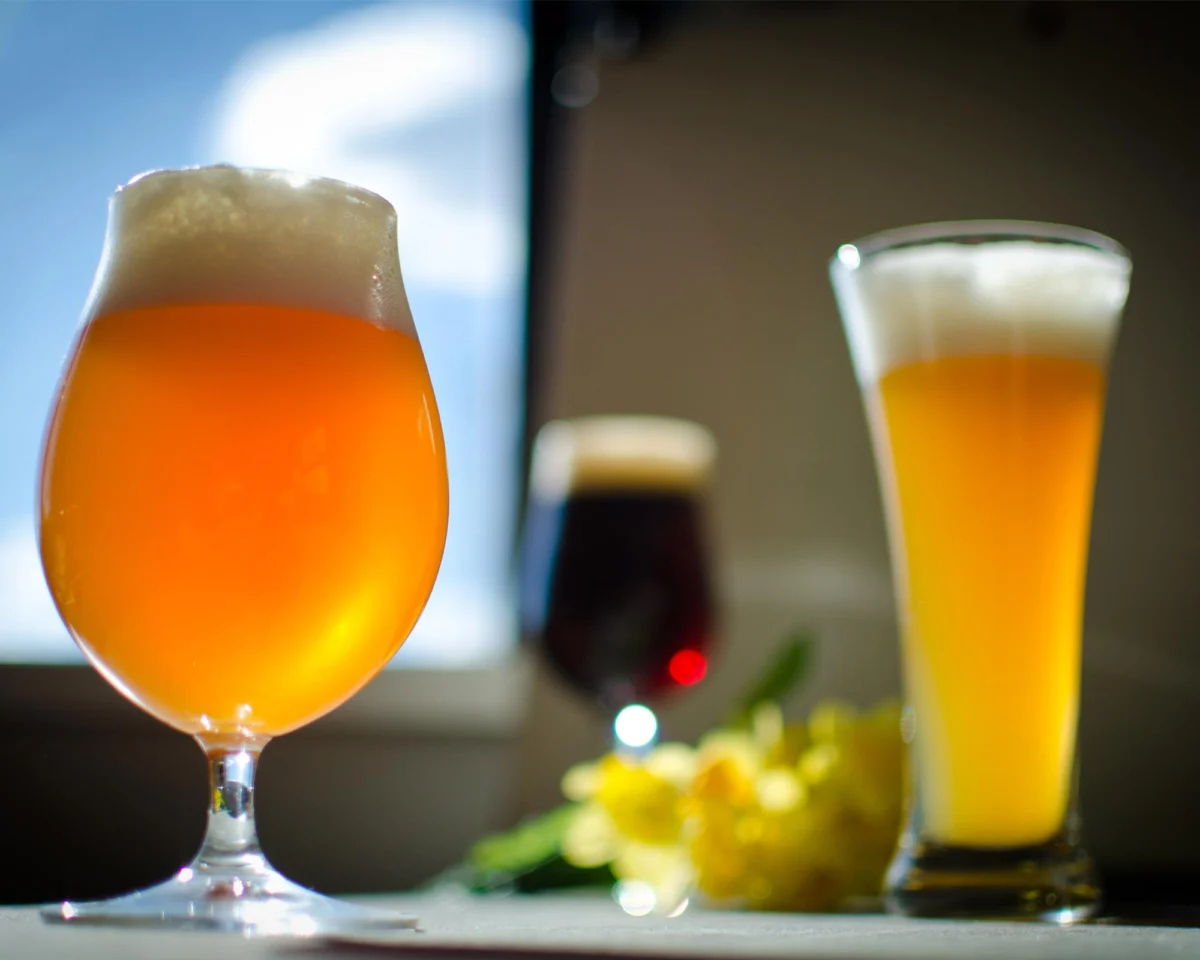
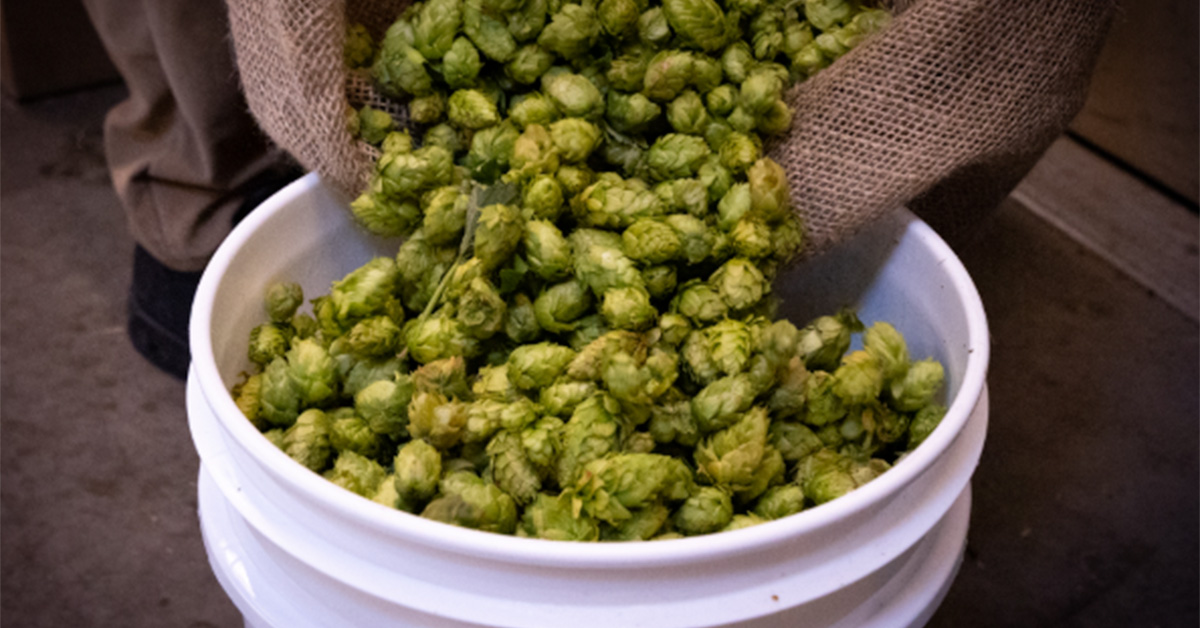
Fresh hop beers, also known as "wet hop" beers, represent a narrow segment of the craft brewing industry due to their extreme perishability. Unlike the standard hop pellets or extracts used in most commercial brewing, which are dried and processed for stability, fresh hops are harvested and used in their raw, undried state. From the moment a hop cone is severed from the bine, its essential oils and resins—the compounds responsible for aroma and flavor—begin to degrade. To capture the "green," grassy, and vibrant floral notes unique to this style, brewers generally aim to have the hops in the kettle within 24 to 36 hours of harvest.
For FlyteCo, the logistical hurdle is compounded by Colorado’s geography. The primary source for their hops is Billy Goat Hop Farm in Montrose, located on the state’s Western Slope. By road, the trip from Denver involves navigating mountain passes and can take upwards of five to six hours one way, depending on traffic and construction on the I-70 corridor. By utilizing a Van’s Aircraft RV-10—a high-performance, four-seat homebuilt aircraft—FlyteCo President Eric Serani can reduce the transit time to approximately 90 minutes. This speed is not merely a matter of convenience; it is a vital component of the beer’s quality, ensuring the hops are processed at the peak of their aromatic potential.
A Chronology of the 2025 Grounding
The 2025 fresh hop season was characterized by an unpredictable convergence of meteorological and agricultural factors. In typical years, the harvest for varieties such as Chinook, Cascade, and Nugget falls between mid-August and early September. However, the exact date is dictated by the hop cones’ moisture content and lupulin maturity, which can shift rapidly based on local heat and rainfall.
The timeline for the 2025 mission began with an initial target date of a Monday in late August. As the FlyteCo team prepared the brewhouse in Denver, Serani monitored aviation weather reports from the Erie Municipal Airport. The mission was postponed to Wednesday due to low ceilings and cloud cover over the Rocky Mountains. Pilots operating under Visual Flight Rules (VFR) in small aircraft like the RV-10 must maintain specific clearances from clouds and have clear visibility to navigate the treacherous peaks, which require cruising altitudes between 11,000 and 13,000 feet.
By Wednesday morning, the weather patterns had not improved. "Ugh, looks like the clouds aren’t going away," Serani noted in communication with the flight crew. The persistent cloud deck over the Continental Divide created a "no-go" situation for the flight. As the week progressed, the window for the specific harvest at Billy Goat Hop Farm closed. For the first time in six years, the "miracle" of the hop flight did not materialize. The brewery was forced to transition to overnight shipping via commercial carriers to secure the hops, a move that ensured the production of the beer but sacrificed the storied tradition of the airborne transport.
The Intergenerational Heritage of Denver Aviation
The motivation behind FlyteCo’s aerial missions is rooted in a deep-seated family and regional history of aviation. Eric Serani’s involvement in flight began at the age of three, influenced by his grandfather, who operated a 1946 kit plane. By age 16, Serani had completed his first solo flight, and by 17, he was a licensed pilot. This passion was fostered within the community at Erie Municipal Airport and the Experimental Aircraft Association (EAA).
Following the death of his grandfather, the local aviation community rallied around Serani, providing scholarships and mentorship to help him complete his training in modern aircraft. This experience of community support became a cornerstone of the FlyteCo business philosophy. Today, Serani serves as a flight instructor at Erie, and the brewery operates with a mandate to inspire others to pursue aviation.
The brewery’s leadership team also reflects this technical background. Cofounder Jason Slingsby, who holds a master’s degree in chemical engineering and has a background in aviation, oversees the brewing operations. Together with cofounder Morgan O’Sullivan, the team has integrated the principles of aerospace engineering—precision, risk management, and technical discipline—into the brewing process.
The Historical Significance of the Stapleton Tower
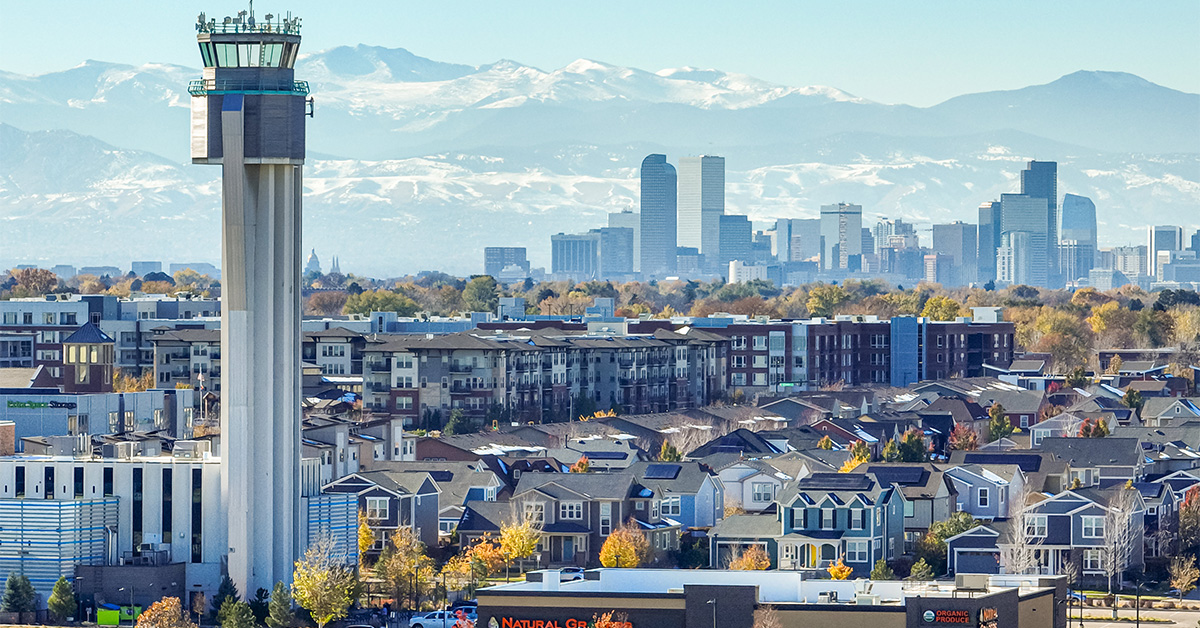
The physical location of FlyteCo Tower serves as a monument to Denver’s role in aviation history. Before the opening of Denver International Airport (DIA) in 1995, Stapleton International Airport was the city’s primary aviation hub. Opened in 1929, Stapleton grew to become the third busiest airport in the world by 1961. It served as a major hub for legacy carriers like United Airlines and Continental Airlines.
The 11-story air traffic control tower that now houses FlyteCo was a vital piece of infrastructure during Stapleton’s peak years. After the airport closed, much of the land was redeveloped into the Central Park neighborhood, but the tower remained a dormant landmark until its revitalization as a commercial space. FlyteCo Tower opened in 2022, transforming the site into a multi-use entertainment complex.
The brewery employs an in-house historian, Sean Henson, who conducts tours of the tower. These tours detail significant milestones in Colorado aviation, such as Louis Paulhan’s 1910 flight—the first in the Mile High City—which proved that flight was possible at high altitudes. The tower also honors figures like Marlon Green, whose legal battle led to the desegregation of commercial pilot hiring, and Emily Howell Warner, the first woman hired as a pilot by a major U.S. airline.
Economic Impact and Philanthropic Initiatives
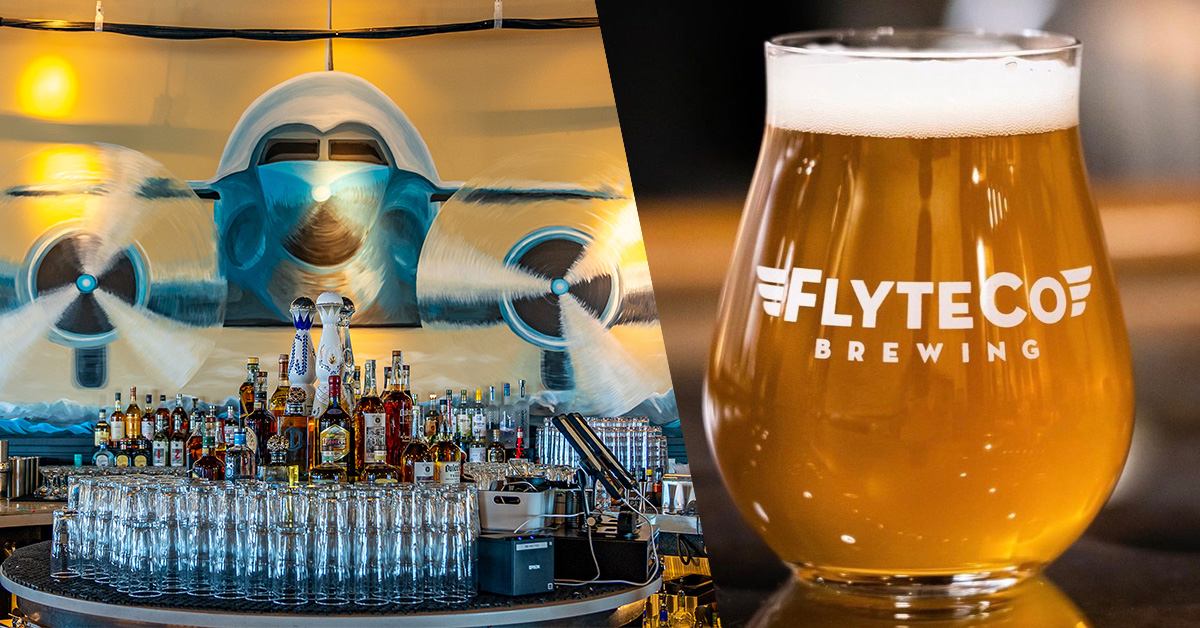
FlyteCo’s business model extends beyond the production of craft beer; it is an "experiential" venue designed to maintain viability in a competitive market. The Tower location features multiple bars, bowling alleys, arcade games, and mini-golf, attracting a diverse demographic that includes families and aviation enthusiasts. Since closing its original Tennyson Street location in 2025 to focus on the Tower, the brewery has partnered with Copper Kettle Brewing Company to handle large-scale production of its flagship beers, allowing the on-site 2.5-barrel system to be used for experimental batches like the fresh hop IPA.
A critical component of FlyteCo’s mission is its commitment to the future of the aviation industry. The company donates 10% of its profits to aviation-fueled initiatives. This includes funding for the EAA’s Young Eagles program, which provides children between the ages of 8 and 17 with their first flight experience. These funds are also directed toward scholarships for flight training, directly addressing the national pilot shortage by lowering the barrier to entry for aspiring aviators.
Analysis of Implications for the Craft Brewing Industry
The challenges faced by FlyteCo in 2025 reflect broader trends within the craft brewing industry, where "experiential brewing" and brand storytelling have become essential for survival. As the market for traditional IPAs and lagers reaches saturation, breweries are increasingly turning to unique events—like the fresh hop flight—to create a "sense of place" and a connection with consumers.
The financial cost of the hop flight often exceeds the market value of the hops themselves. As Morgan O’Sullivan noted in 2023, the fuel costs alone make the event "impractical" from a standard business perspective. However, the value lies in the brand equity. By positioning the brewery as a steward of aviation history and a participant in the grueling logistics of the harvest, FlyteCo differentiates itself from competitors.
The 2025 grounding serves as a reminder of the vulnerability of "hyper-local" and "seasonal" products. Climate change and increasingly volatile weather patterns in the Rocky Mountains pose a long-term risk to both the agricultural side of brewing (hop harvests) and the logistical side (aviation). For FlyteCo, the inability to complete the flight this year is a rare setback in a storied tradition, but it reinforces the narrative that these beers are a "miracle" of timing, weather, and human effort. While the "Hop Is My Co-Pilot" IPA may have arrived via truck this year, the brewery’s commitment to the skies remains the primary ingredient in its identity, with plans already underway for a return to the clouds in 2026.