admin
admin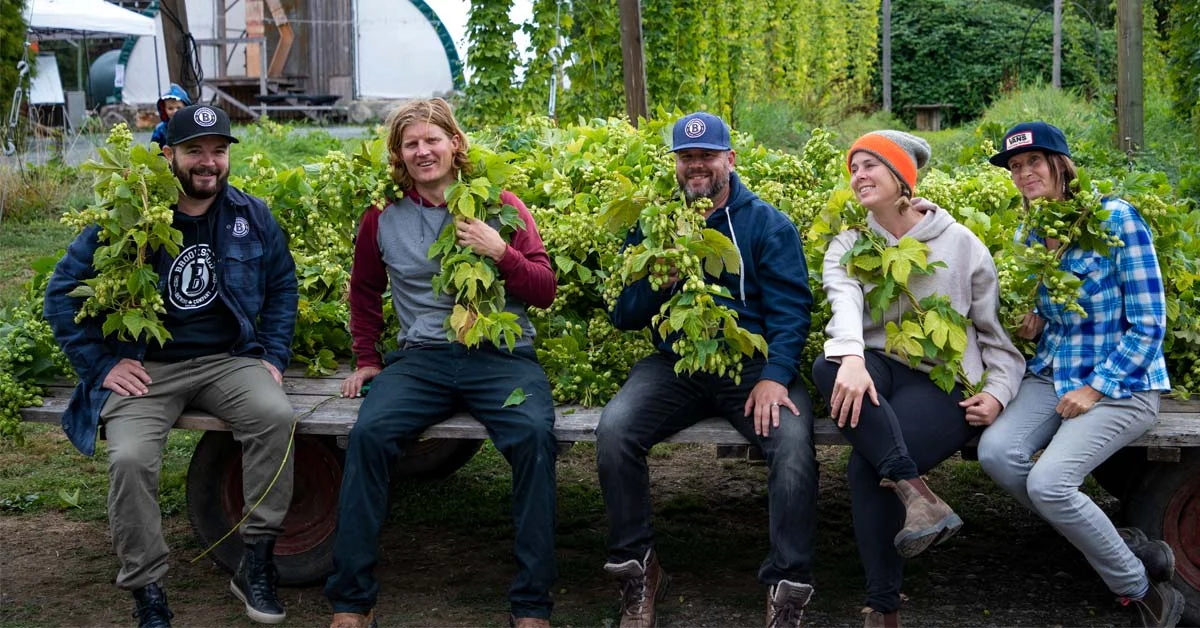
The launch of the "Celebrating Sisters" craft beer campaign in March 2021 was intended to be a milestone for Indigenous representation within the Canadian beverage industry. Spearheaded by the Indigenous Brew Crew (IBC), a collective of three Indigenous brewers, the initiative sought to raise funds and awareness for Indigenous women’s causes across the country. However, the campaign’s reception highlighted a profound and unresolved tension: the reconciliation of a burgeoning craft beer movement with a historical legacy of systemic alcohol-related trauma inflicted upon Indigenous communities by the Canadian state. While the project garnered significant praise, it also triggered a wave of anguished criticism from Indigenous activists and artists, eventually leading to the dissolution of the IBC and a return to a cautious silence within the sector.
The controversy centered on the difficulty of using alcohol—a substance historically utilized as a tool of colonial dispossession—as a medium for empowerment. Chief Lady Bird, an Anishinaabe artist who designed a label for the campaign featuring a blackbird against a woodland background, became a focal point for this debate. While many celebrated the visibility of Indigenous art on store shelves, others argued that the promotion of alcohol, regardless of the intent, ignored the ongoing struggle with addiction in many First Nations, Métis, and Inuit communities. This divide underscores a broader national conversation regarding Indigenous sovereignty, economic self-determination, and the path toward genuine reconciliation in the private sector.
A Century of Exclusion: The Legal Framework of the Indian Act
To understand the current friction between Indigenous identity and the craft beer industry, one must examine the legislative history of alcohol control in Canada. The 1876 Indian Act served as the primary mechanism for the federal government’s "cultural genocide," a term codified by the 2015 Truth and Reconciliation Commission (TRC). Under this Act, Indigenous people were legally classified as "wards of the state," a status that stripped them of basic civil rights, including the right to purchase, consume, or manufacture alcohol.
For decades, the only legal beverage available to many Indigenous people was a non-alcoholic surrogate often derisively referred to as "Indian Beer." This prohibition was not merely a matter of public health; it was a tool of social control. Simultaneously, historical records indicate that settlers and fur traders frequently used high-proof spirits as a coercive trade commodity to destabilize Indigenous economies and social structures. This created a cycle of dependency that was exacerbated by the trauma of the Residential School system and the "Sixties Scoop," during which Indigenous children were forcibly removed from their families.
Legislative shifts between the 1950s and 1980s eventually repealed these discriminatory liquor laws, but the socio-economic damage remained. According to data from the Canadian Institute for Health Information, Indigenous populations continue to face disproportionately higher rates of alcohol-related hospitalizations compared to the non-Indigenous population—a direct byproduct of generational trauma and systemic neglect. Consequently, some Indigenous leaders advocate for strict prohibition on reserves as a form of harm reduction, while others argue that true sovereignty must include the right to participate in all legal industries, including brewing.

The Rise of Indigenous-Led Brewing: Profiles in Self-Determination
Despite the fraught history, a growing number of Indigenous entrepreneurs are reclaiming the brewing process as a form of economic independence. These business owners often navigate a complex landscape of cultural responsibility and commercial ambition.
In British Columbia, Melanie MacInnes, a Métis woman and co-owner of Locality Brewing, exemplifies the internal struggle many Indigenous owners face. MacInnes initially hesitated to identify her business as Indigenous-led, citing the "visceral response" and immense responsibility associated with the label. Her eventual acceptance of the Best Indigenous-Led Business award at the 2022 BC Food & Beverage Awards marked a turning point, signaling a shift toward visible representation. MacInnes emphasizes that Indigenous people are part of the "fabric of the country" and that their participation in the $9 billion Canadian craft beer industry is a necessary step toward economic parity.
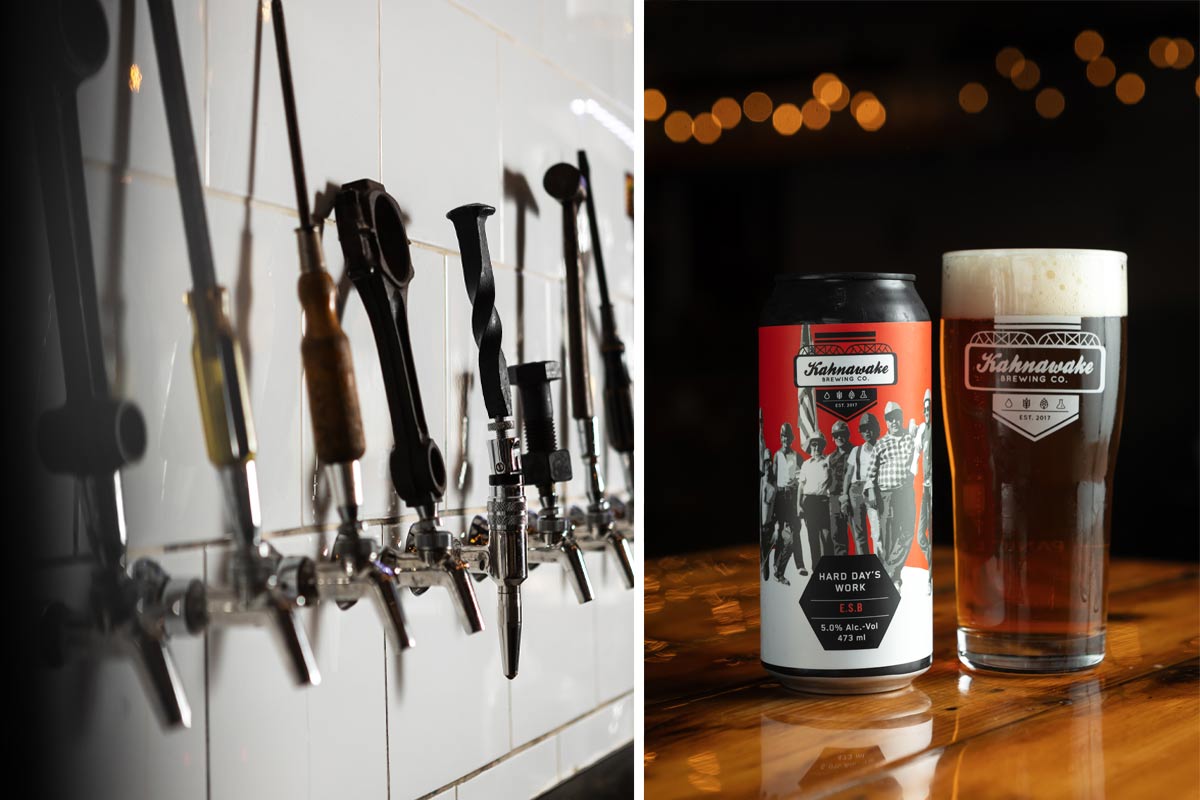
In Quebec, the Kahnawake Brewing Company & Black Bridge Taproom holds the distinction of being the first openly Indigenous-owned craft brewery situated on Indigenous land. Co-owner Fred Leblanc, a former ironworker, views the brewery as a bridge between cultures. The brewery’s name references the Saint-Laurent Railway Bridge, built in 1900 by Mohawk ironworkers and French laborers. By winning multiple medals at the 2024 and 2025 Canada Beer Cups, Kahnawake Brewing has demonstrated that Indigenous-owned ventures can compete at the highest levels of quality while maintaining deep community roots.
Similarly, in Winnipeg, Matthew Sabourin of La Brasserie Nonsuch Brewing Co. has focused on transforming the culture of consumption. Sabourin’s approach prioritizes the "celebration of moments" over high-volume drinking. Nonsuch has integrated Indigenous history into its taproom experience through events like the "Beer Bannock" experience, where patrons learn about Métis history and the legacy of Louis Riel while engaging with the craft.
Defining Indigenous Beer: Ingredients, Ethics, and Ownership
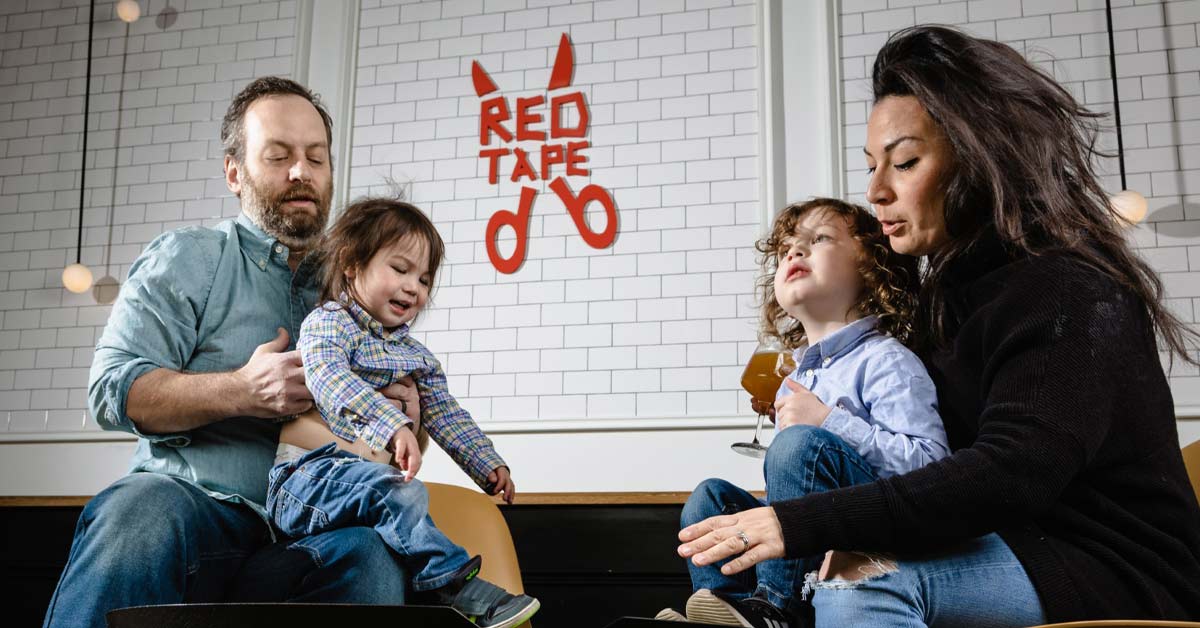
The question of what constitutes an "Indigenous beer" remains a subject of debate. For many brewers, the answer lies in the sourcing of ingredients and the ethical stewardship of the land. Sarabeth Holden, an Inuit brewer and co-owner of Toronto’s Red Tape Brewery, incorporates ingredients that reflect her heritage and the geography of the North. Her brews have featured orange pekoe tea—a staple in northern hunting and fishing camps—and dwarf fireweed (Paunnat), a plant with deep cultural significance in Inuktitut traditions.
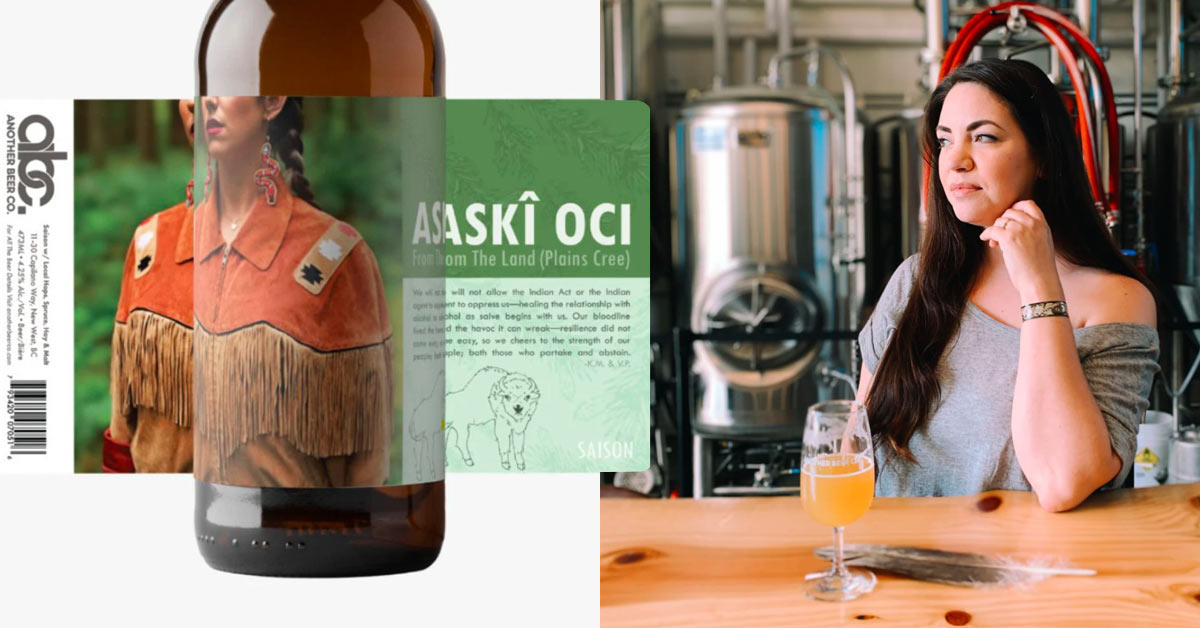
Nadine Jopson, a member of the Cree Nation and founder of Heartberry Soda, previously co-founded Another Beer Co. (ABC) in British Columbia. One of her signature creations, the Askî Oci saison, utilized alfalfa and spruce tips to create a flavor profile rooted in the land. The beer’s label explicitly addressed the Indian Act, stating that healing the relationship with alcohol begins with Indigenous people reclaiming their agency. This sentiment is echoed by Jason Tremblay, the Métis head brewer at Toronto’s Two Loons Brewing, who argues that the "entrepreneurial spirit" is a vital component of Indigenous resilience. Tremblay notes that after the government theft of Métis lands in the 1870s, many Métis people were forced to "hustle in plain sight," often through the ownership of bars and hospitality businesses.

Supporting Infrastructure and Economic Gatekeeping
The success of these entrepreneurs is increasingly supported by Indigenous-oriented financial and tourism infrastructure. Organizations such as the Manitoba Métis Federation and Farm Credit Canada have begun providing the capital and business support necessary for Indigenous brewers to scale their operations.
Darnell Stager of Indigenous Tourism BC views the historical antagonism toward Indigenous brewers as a form of "economic gatekeeping." Stager points out that the label "Ward of the State," which still appears on many Indian Status cards, is a reminder of the need for total self-determination. "Indigenous people need to be able to work in any industry they choose," Stager asserts, framing the right to brew as an extension of Indigenous sovereignty.
Furthermore, Indigenous-owned restaurants are playing a crucial role in the supply chain. Inez Cook, a member of the Nuxalk Nation and co-founder of Salmon n’ Bannock in Vancouver, exclusively seeks out Indigenous suppliers for her establishment. By partnering with Locality Brewing, Cook ensures that the economic benefits of her business remain within the Indigenous community. She suggests that non-Indigenous breweries looking to improve their relationship with local nations should approach them as people rather than corporate entities. "Actions and changed behavior create reconciliation," Cook notes, emphasizing that apologies for past exclusions must be followed by genuine partnership.
Broader Impact and the Path Toward Inclusion
The inclusion of Indigenous voices in the craft beer industry is not merely a matter of diversity; it is a fundamental shift in how the industry relates to the land and its history. Professor Niigaan Sinclair, an Anishinaabe scholar, suggests that the relationship with alcohol must be re-evaluated through the lens of traditional teachings. "Alcohol has been a violent intrusion," Sinclair acknowledges, "yet beer comes from natural elements, so we need to figure out a relationship with it."
This relationship is predicated on responsibility rather than consumption. The consensus among Indigenous brewers is that inclusion must occur at every level of the supply chain—from malt production and hop farming to logistics and executive leadership. As the Canadian craft beer industry faces a period of market maturation and economic pressure, the values championed by Indigenous brewers—land stewardship, community-centric business models, and historical transparency—may provide a sustainable path forward.
The dissolution of the Indigenous Brew Crew in 2021 served as a sobering reminder of the pain that still surrounds this topic. However, the continued growth of breweries like Kahnawake, Red Tape, and Locality suggests that a new generation of Indigenous makers is refusing to be silenced by the legacy of the Indian Act. By breaking the silence and engaging in difficult conversations about trauma and sovereignty, these entrepreneurs are not only shaping the future of Canadian beer but are also asserting their right to define their own economic and cultural destiny.