admin
admin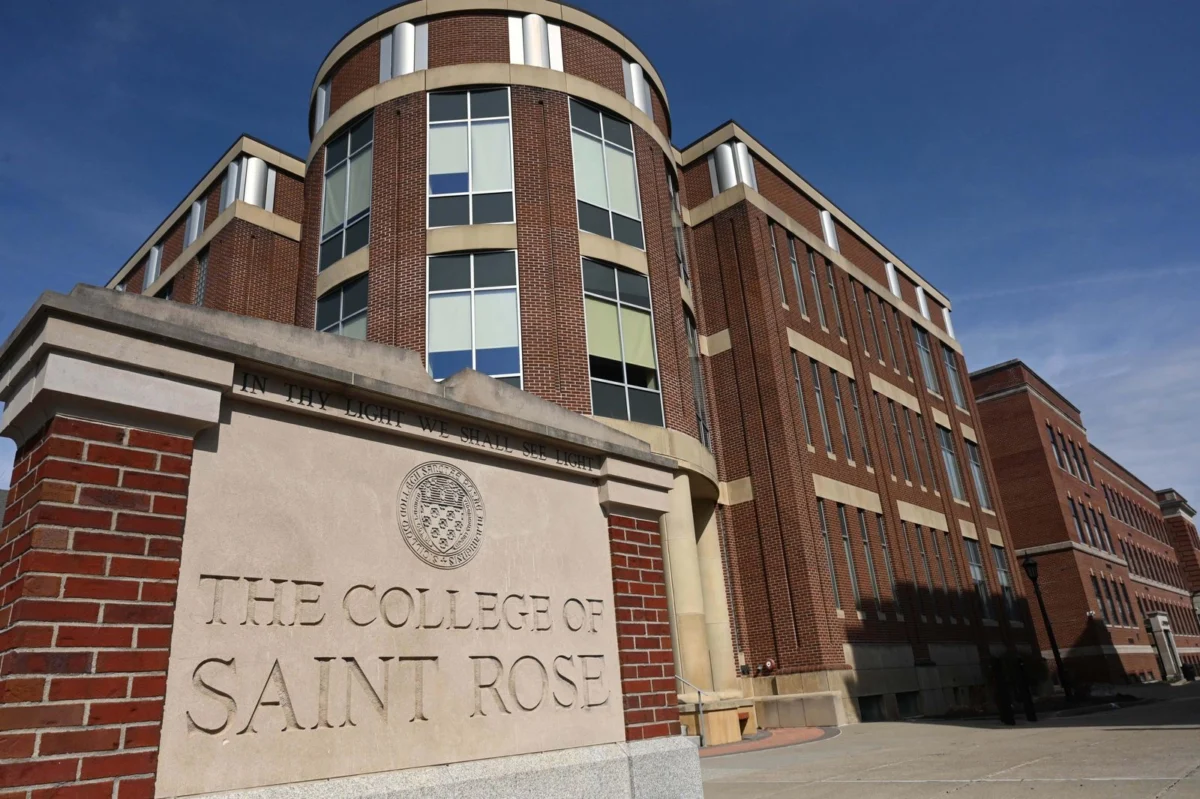
The closure of a college campus presents a multifaceted challenge and opportunity for communities, urban planners, and real estate developers alike. These sprawling properties, often rich in history and architectural significance, suddenly become vast, dormant assets with profound economic, social, and infrastructural implications. The recent shuttering of numerous institutions across the globe, driven by demographic shifts, financial pressures, and evolving educational paradigms, has thrust the question of their repurposing into the foreground of urban development discussions. From their initial decline to the complex negotiations surrounding their future, these sites represent a microcosm of broader trends affecting both higher education and regional economies, demanding innovative solutions that balance preservation with progress.
The Unfolding Crisis in Higher Education
The phenomenon of college closures is not new, but its accelerating pace in recent years signals a significant shift in the higher education landscape. Historically, colleges have been cornerstones of their communities, attracting students, faculty, and support staff, and fostering local economies. However, declining enrollment rates, often exacerbated by a shrinking pool of high school graduates in certain regions, coupled with escalating operating costs and increased competition, have pushed many institutions to the brink. For instance, data from the National Student Clearinghouse Research Center indicates a consistent decline in college enrollment across the United States over the past decade, a trend mirrored in various forms internationally. Smaller, tuition-dependent private colleges are particularly vulnerable, lacking the endowments or state funding buffers of larger universities.
The decision to close a campus is typically the culmination of years of financial strain. Initially, institutions might implement budget cuts, reduce academic programs, or attempt mergers. When these measures prove insufficient, the difficult choice to cease operations becomes inevitable. This process is often protracted, involving intricate legal and financial maneuvering to manage outstanding debts, student transfers, and faculty and staff severance packages. The emotional toll on the campus community, including alumni, current students, and long-serving employees, is immense, marking the end of an era and the dissolution of a collective identity.
Economic Ripple Effects on Local Communities
The immediate aftermath of a campus closure sends significant economic ripples through the host community. A college is often one of the largest employers in its town or city, and its shutdown results in substantial job losses, encompassing academic faculty, administrative staff, maintenance crews, and food service workers. The local unemployment rate can see a sharp, sudden increase, placing strain on social services and local government budgets. Beyond direct employment, colleges fuel a robust ecosystem of ancillary businesses, including student housing providers, restaurants, bookstores, coffee shops, and entertainment venues, all of which experience a precipitous drop in revenue.
Property values in the immediate vicinity of a shuttered campus often decline, particularly for rental units previously occupied by students. Local tax revenues, derived from property taxes and business receipts, can also diminish, impacting municipal services such as schools, public safety, and infrastructure maintenance. A study by the American Council on Education estimated that a typical small college contributes tens of millions of dollars annually to its local economy through direct spending, indirect economic activity, and induced impacts. The abrupt withdrawal of this economic engine can leave a profound void, prompting local officials to scramble for strategies to mitigate the damage and attract new investment.
Chronology of a Campus Closure and Redevelopment Pursuit
The journey from an active campus to a repurposed site typically follows a predictable, albeit often lengthy, timeline:
- Phase 1: Financial Distress and Initial Measures (5-10 years prior to closure): The institution begins to face declining enrollment, budget deficits, and credit rating downgrades. Initial measures include program cuts, tuition increases, and fundraising drives.
- Phase 2: Announcement of Closure (1-2 years prior): The Board of Trustees formally announces the intention to cease operations, often citing insurmountable financial challenges. This period is marked by widespread media coverage, student protests, and efforts to assist students with transfers.
- Phase 3: Campus Deactivation (0-1 year prior): Academic operations wind down. Faculty and staff are laid off. Buildings are gradually emptied, and essential services are maintained at a minimum.
- Phase 4: Post-Closure Assessment (6-12 months after closure): The property formally enters the real estate market. Local governments begin assessing the impact and forming task forces to explore redevelopment options. Environmental assessments and structural evaluations of buildings commence.
- Phase 5: Master Planning and Public Engagement (1-3 years after closure): Comprehensive master plans are developed, often involving extensive community input sessions, workshops, and feasibility studies. Zoning changes may be required. This is a critical stage for defining the vision.
- Phase 6: Developer Selection and Initial Investment (3-5 years after closure): Potential developers are solicited, proposals are reviewed, and a preferred developer is chosen. Initial land sales or lease agreements are negotiated, and preliminary site work may begin.
- Phase 7: Construction and Phased Occupancy (5-10+ years after closure): Redevelopment proceeds in phases, often starting with easier-to-repurpose buildings or new construction on undeveloped land. The first new residents or businesses begin to occupy the revitalized space.
This timeline is highly variable, influenced by the campus’s size, location, condition, historical significance, and the prevailing real estate market. Some campuses remain vacant for years, becoming symbols of decline, while others are swiftly transformed into vibrant new centers.
The Redevelopment Conundrum: Challenges and Opportunities
Repurposing a shuttered college campus is fraught with challenges. Many older campus buildings, while architecturally significant, may not meet modern building codes, lack accessibility, or require extensive renovations for new uses. Historic preservation covenants can restrict modifications, adding complexity and cost to redevelopment efforts. Furthermore, the specialized infrastructure of a campus—dormitories, lecture halls, laboratories, athletic facilities—does not easily translate to typical commercial or residential uses without significant retrofitting. Environmental concerns, such as asbestos abatement or remediating former science labs, can also pose considerable hurdles.
However, these properties also present unique opportunities. Their often expansive grounds, mature landscaping, and existing infrastructure (roads, utilities) offer a ready-made foundation for large-scale development. The architectural heritage can be a strong selling point, lending character and a sense of place to new projects. Potential redevelopment models are diverse:
- Mixed-Use Developments: Combining residential units (apartments, condos), commercial spaces (retail, offices), and community amenities. This approach often seeks to create a self-sustaining neighborhood.
- Corporate Campuses or Research Parks: Attracting businesses, particularly in tech or bioscience sectors, that can utilize existing lab spaces or create new research facilities.
- Residential Communities: Converting dormitories into apartments, faculty housing into single-family homes, or building new housing on undeveloped portions of the campus. This can range from affordable housing to luxury enclaves.
- Educational or Institutional Reuse: Another college, a vocational school, a K-12 campus, or a specialized training center might take over.
- Community Hubs: Repurposing spaces for arts and culture centers, senior living facilities, or recreational parks.
- "Futuristic City" Concepts: In rare cases, particularly for very large or strategically located campuses, there might be visions for creating entirely new, smart, and sustainable urban districts. This could involve integrating advanced technology, eco-friendly infrastructure, and innovative urban planning principles, potentially attracting high-net-worth individuals or specialized industries, echoing the concept of a "billionaires club" as an exclusive, high-tech residential or business park.
Voices from the Community and Stakeholders
The process of determining a campus’s future invariably involves extensive public discourse and varied reactions from stakeholders.
Mayor Evelyn Reed, Local Municipality: "The closure of [Former College Name] was a shock, and the loss of jobs and economic activity hit us hard. Our priority now is to ensure the campus doesn’t become a derelict monument. We’re actively working with urban planners and potential developers to find a solution that benefits our residents, whether that’s new housing, a tech hub, or a vibrant mixed-use center. We must think creatively and sustainably."
Dr. Marcus Thorne, Urban Planning Consultant: "These campuses are complex assets. Their sheer scale requires a holistic approach. We advocate for adaptive reuse wherever possible, preserving the historical integrity of key buildings while introducing modern amenities. A successful redevelopment isn’t just about new buildings; it’s about integrating the site into the existing urban fabric, ensuring connectivity, and creating public spaces that serve everyone. The challenge lies in balancing the community’s desire for public access and affordability with a developer’s need for financial viability."
Sarah Chen, Former Student and Alumni Association Member: "It’s heartbreaking to see our alma mater empty. We’ve proposed converting the historic main hall into a community arts center and retaining some green spaces for public use. We want to see the spirit of the college live on, not just be bulldozed for another generic development. The memories here are invaluable."
David Sterling, CEO of Sterling Development Group (Hypothetical Developer): "We see immense potential in these large, well-located parcels. The existing infrastructure is a huge advantage. Our vision for this site involves a multi-phase project: modernizing some existing structures for high-end residential units, developing new commercial spaces, and incorporating significant green infrastructure. We believe in creating communities that attract investment and talent, potentially even a specialized ‘innovation district’ that could draw high-tech firms and affluent residents, essentially building a new economic engine for the region."
Broader Impact and Implications
The repurposing of shuttered college campuses has broader implications for urban planning and regional development. It underscores the importance of resilient local economies that are not overly reliant on a single industry or institution. It also highlights the critical need for proactive planning and diversification strategies.
From an environmental perspective, adaptive reuse of existing buildings is often more sustainable than demolition and new construction, reducing waste and embodied carbon. However, the energy efficiency of older structures can be a concern, requiring significant upgrades. Planners are increasingly focusing on incorporating green spaces, walkable communities, and multimodal transportation options into campus redevelopments to create environmentally friendly and livable neighborhoods.
Socially, successful redevelopments can breathe new life into struggling areas, creating jobs, attracting new residents, and fostering a renewed sense of community. Conversely, poorly planned projects can lead to gentrification, displacement of existing residents, or the creation of isolated, exclusive enclaves that fail to integrate with the broader community. The goal is often to create inclusive spaces that offer a range of housing options and amenities, serving diverse socioeconomic groups.
The sheer scale of many former college campuses also makes them ideal candidates for ambitious, forward-thinking projects. Some urban strategists envision these sites as laboratories for innovative urban design, where concepts like smart city technologies, vertical farming, renewable energy microgrids, and advanced mobility solutions can be piloted and integrated from the ground up. Such initiatives, while requiring substantial investment and sophisticated planning, hold the promise of transforming these dormant assets into models for sustainable and technologically advanced urban living, potentially attracting the kind of visionary capital hinted at by the idea of a "futuristic city" or a "billionaires club" where cutting-edge design meets unparalleled amenities.
Conclusion
The fate of a shuttered college campus is a poignant reminder of the dynamic forces shaping our educational institutions and urban landscapes. It represents not just the end of an academic era but the beginning of a complex journey toward reinvention. The challenges are formidable, encompassing economic voids, architectural complexities, and community anxieties. Yet, the opportunities are equally compelling: to transform obsolete spaces into vibrant, sustainable, and economically productive centers that reflect modern needs and aspirations. The decisions made regarding these sites today will profoundly influence the economic vitality, social fabric, and architectural character of communities for generations to come, making their thoughtful and collaborative redevelopment an imperative for urban resilience and future prosperity.