admin
admin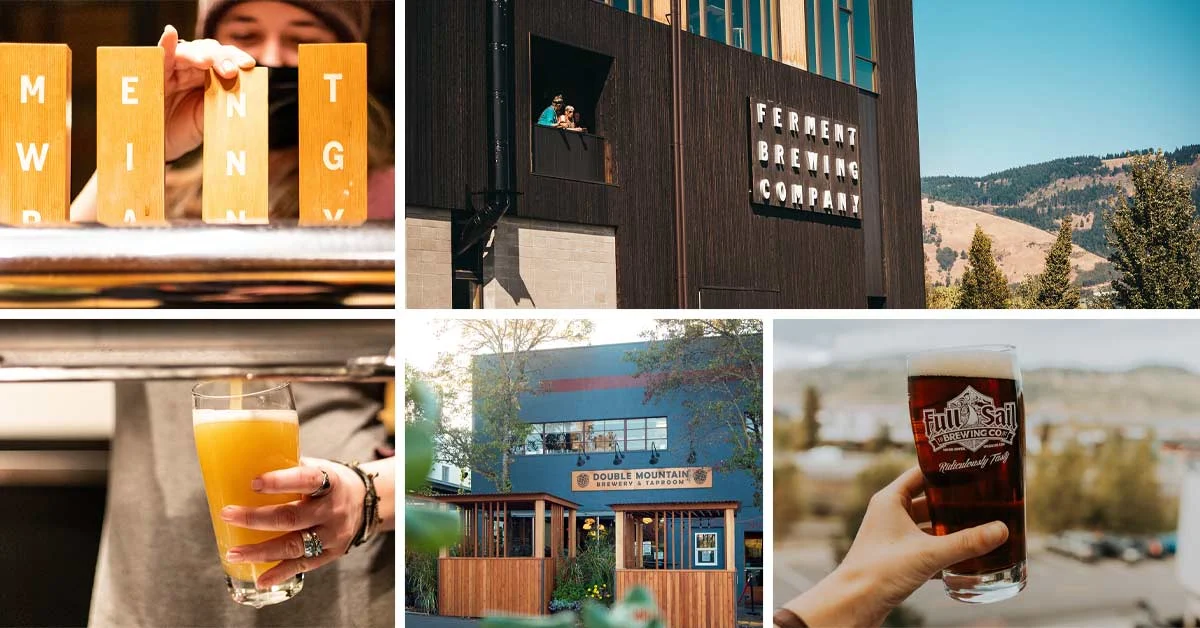
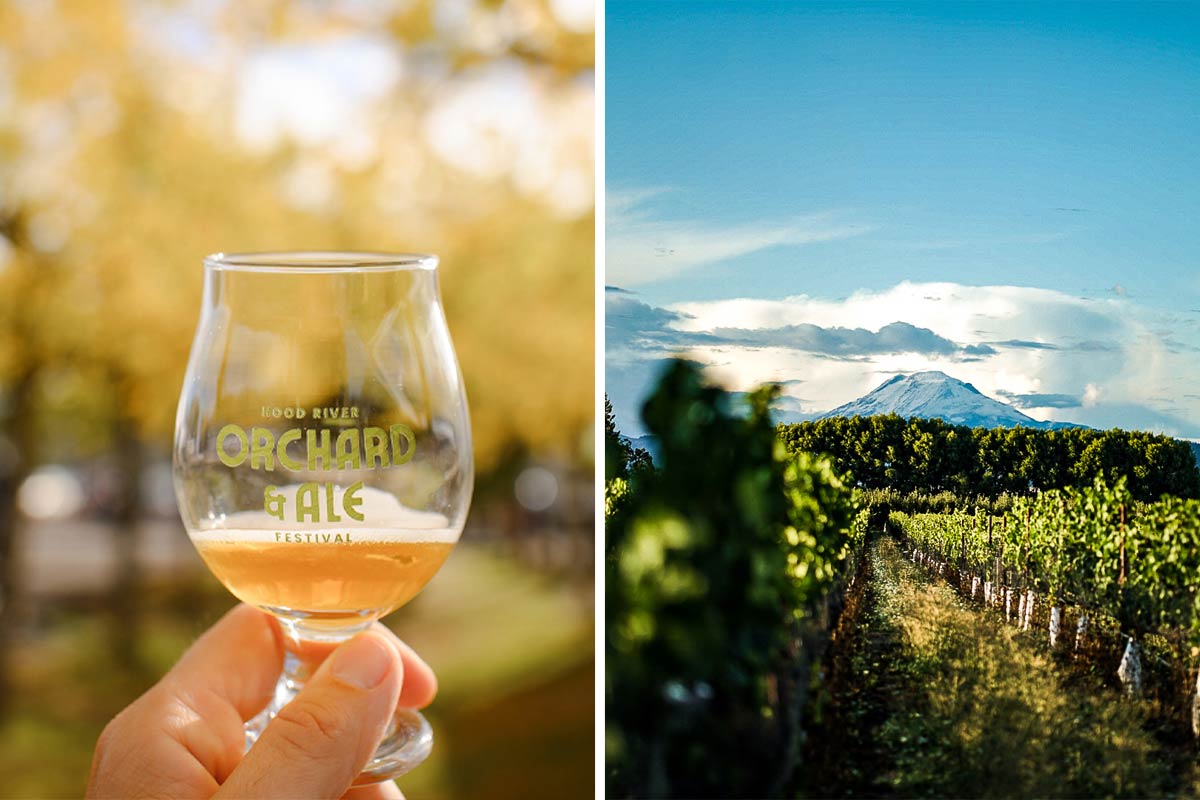
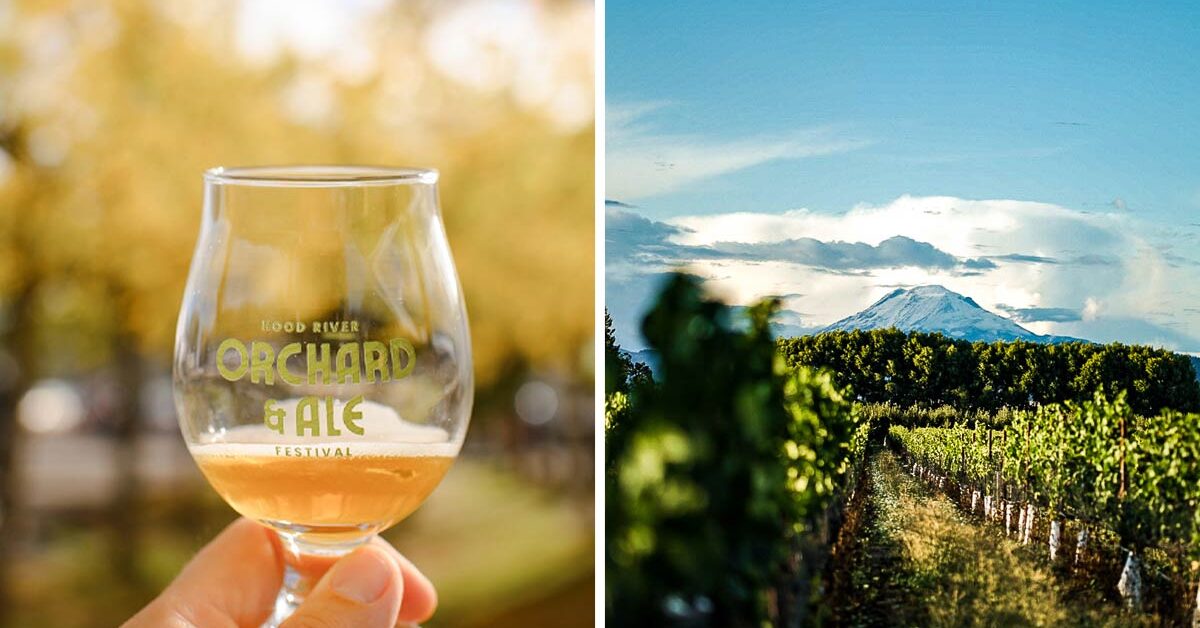
The inaugural Hood River Orchard and Ale Festival, recently held on the scenic waterfront of the Columbia River, marks a significant milestone in the maturation of the Pacific Northwest’s craft beverage sector. Situated in a region defined by its unique geological features and agricultural abundance, the festival serves as a concentrated showcase of why Hood River, Oregon, maintains one of the highest concentrations of world-class breweries per capita in the United States. With a population of approximately 8,000 residents, the town has leveraged its natural resources—specifically its volcanic-filtered water and proximity to the world’s premier hop-growing regions—to establish a global reputation for brewing excellence.
The Geographical and Geological Foundations of Hood River Brewing
The success of the Hood River brewing scene is inextricably linked to the geography of the Columbia River Gorge. This canyon, carved over millennia by the Columbia River, creates a distinct microclimate and a natural wind tunnel that shapes both the local environment and the recreational culture of the area. During the festival, the characteristic early-October gusts, which attract kiteboarders and windsurfers to the river’s "Event Site," presented logistical challenges for organizers, necessitating the use of weighted glassware to prevent the loss of tasting samples. However, these same environmental forces are what make the region’s agricultural output possible.
Central to the quality of the beer produced in Hood River is the local watershed. Unlike many municipalities that rely on treated river water, Hood River breweries draw from the snowmelt of the 14,000-foot Cascade Mountains, specifically Mount Hood. As this water descends, it is naturally filtered through layers of volcanic basalt rock. This process results in a "soft" water profile, characterized by a low mineral content that is ideal for brewing clean, crisp lagers and highlighting the nuanced profiles of delicate hops.
Furthermore, the town’s location provides immediate access to the Willamette Valley, which, along with the Yakima Valley in neighboring Washington, accounts for the vast majority of hop production in the United States. This proximity allows Hood River brewers to utilize "fresh hops"—cones that are harvested and added to the brewing kettle within hours—providing a seasonal flavor profile that is difficult to replicate in other regions.
A Chronological History of the Hood River Brewing Scene
The trajectory of the Hood River beer industry can be divided into three distinct eras: the arrival of the pioneers, the expansion of the "Gorge Style," and the modern diversification of the 2020s.
The Pioneering Era (1987–2000)
The foundation of the local industry was laid in 1987 with the establishment of Full Sail Brewing Co. As one of the early "OG" craft breweries in Oregon, Full Sail utilized a converted cannery overlooking the river to produce its flagship Amber Ale. This era was defined by the transition from industrial lagers to more flavorful, malt-forward ales. Full Sail’s success proved that the Gorge could sustain a large-scale craft operation, eventually leading to national distribution and setting the stage for smaller, independent ventures.
The Rise of Regional Powerhouses (2007–2015)
The second wave of brewing in Hood River brought a focus on technical precision and local terroir. Double Mountain Brewery opened its doors in 2007, founded by former Full Sail employees who sought to experiment with more aggressive hopping and unique fermentation styles.
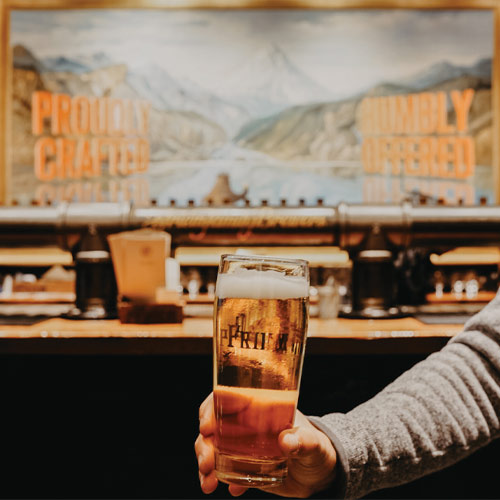
In 2012, the landscape shifted significantly with the launch of pFriem Family Brewers. Located directly on the waterfront, pFriem introduced a European-inspired philosophy to the region, focusing on Belgian-style ales and meticulous German lagers. Their success helped elevate the "Hood River" brand to a national level, winning numerous awards at the Great American Beer Festival. Shortly thereafter, Ferment Brewing Company joined the waterfront row, utilizing modern architecture and a "farmhouse" approach to capture the wild yeasts and botanical flavors of the surrounding orchards.
The Modern Era of Specialization (2020–Present)
Despite the challenges of the global pandemic, the Hood River brewing scene has continued to expand. Recent additions include Hood River Brewing Company (2023), which emphasizes community-focused styles and eclectic varieties like Mexican Amber Lagers. In 2025, the opening of The Walled Garden, a public house by Kings & Daughters Brewery, signaled a move toward "elegant" brewing—focusing on lower-alcohol, highly-refined lagers and hazy IPAs. This era is also characterized by hyper-specialization, as seen at Working Hands Fermentation, which has gained a following for its mastery of "bottom-fermenting" styles, such as the Schwarzbier.
Economic Impact and Supporting Data
The craft beer industry is a vital pillar of the Oregon economy, and Hood River is a primary contributor to this data. According to the Oregon Brewers Guild, the brewing industry contributes approximately $2.4 billion to the state’s economy annually. In a town of 8,000, the presence of nearly a dozen breweries creates a significant density of employment and tourism revenue.
Data indicates that "beer tourism" is a primary driver for the Columbia River Gorge. A 2022 travel impact study suggested that visitors to the Gorge spend significantly more on food and beverage than on any other category, including lodging. The Hood River Orchard and Ale Festival was designed to capitalize on this trend by bridging the gap between the town’s two most famous exports: its fruit and its beer. The "Fruit Loop," a 35-mile scenic drive through the valley’s orchards, provides the raw materials—cherries, pears, and strawberries—that many local brewers use in their seasonal sour ales and ciders.
Industry Analysis: The Shift Toward Lagers and Terroir
Observations from the inaugural festival suggest a shift in consumer preference and brewing focus within the region. While the Pacific Northwest was long synonymous with the "IBU wars" and high-alcohol IPAs, the current trend in Hood River favors "sessionability" and technical difficulty.
The popularity of pFriem’s Pilsner and Working Hands’ Schwarzbier at the festival reflects a broader industry trend toward lagers. These styles require precise temperature control and longer conditioning times, leaving no room for the flaws that can be hidden by heavy hopping. Furthermore, the use of local ingredients—such as the Oregon strawberries found in Ferment Brewing’s Lost in Fragaria—points to an increasing desire among brewers to express "terroir." Much like the wine industry, Hood River brewers are increasingly attempting to create products that could only be made in this specific valley, using this specific water and these specific fruits.
Official Responses and Regional Outlook
Organizers of the Orchard and Ale Festival indicated that the event was designed not only as a celebration but as a strategic effort to extend the tourism season into the "shoulder months" of autumn. By aligning the festival with the harvest season of the local orchards, the town aims to stabilize the local economy during the transition from summer water sports to winter skiing on Mount Hood.
Local business owners have expressed optimism that the festival will become an annual anchor for the region. "The goal is to show that Hood River is more than just a place to stop on the way to the mountains," noted one local hospitality analyst. "It is a destination where the environment, the agriculture, and the industry are all perfectly aligned."
Broader Implications and Future Projections
The success of the Hood River brewing model offers a blueprint for other small, resource-rich towns. By protecting its watershed and supporting a diverse range of brewing styles—from the legacy operations of Full Sail to the experimental "walled gardens" of the new guard—Hood River has insulated itself against the volatility of the national craft beer market, which has seen a slowdown in some regions.
As the industry moves toward 2026, the focus for Hood River will likely remain on sustainability and resource management. The reliance on the Hood River watershed makes climate change and snowpack levels a central concern for the brewing community. Continued investment in water conservation and sustainable agricultural practices in the Willamette Valley will be essential to maintaining the "formula" that has made the Gorge a global destination for beer enthusiasts.
In conclusion, the Hood River Orchard and Ale Festival is more than a local gathering; it is a testament to the symbiotic relationship between a community and its landscape. As the town continues to grow its per-capita brewing dominance, the focus remains on the quality of the source: the mountains, the wind, and the water.