admin
admin
The geographic landscape of the San Francisco Bay Area has long been synonymous with the pioneering spirit of the American craft beer movement, yet recent developments have shifted the focal point from the urban centers of San Francisco and Oakland toward the suburban stretches of San Mateo County. Along a 30-mile corridor of Highway 101, stretching from the transit hubs of Burlingame to the historic districts of Redwood City, a sophisticated beer trail has materialized. This evolution represents a significant diversification of the region’s hospitality sector, transforming former industrial zones and commuting centers into destinations for artisanal fermentation. The "Peninsula Beer Trail" is characterized by a blend of high-tech innovation, traditional European brewing methods, and a growing emphasis on culinary-driven taproom experiences.
The Evolution of the Peninsula Craft Scene
Historically, the San Francisco Peninsula served as a residential and industrial buffer between the financial engine of San Francisco and the burgeoning tech sector of Silicon Valley. However, as real estate prices surged and urban centers reached saturation, brewers began seeking opportunities in the mid-peninsula. The transformation of San Mateo County into a craft beer destination is not merely a trend in beverage consumption but a reflection of broader urban planning shifts. Cities like Burlingame, San Carlos, and Redwood City have invested heavily in transit-oriented development, encouraging businesses to cluster near Caltrain stations and the Highway 101 artery.
According to data from the California Brewers Association, the state remains a global leader in craft brewing, with over 1,100 independent breweries contributing nearly $9 billion to the state’s economy. The Peninsula’s contribution to this figure has grown exponentially over the last decade. What began as a handful of scattered brewpubs has evolved into a dense network of producers specializing in everything from hyper-local New England-style IPAs to traditional English cask ales and Bavarian lagers.
Twelvemonth: The Intersection of Plant-Based Gastronomy and Brewing
Located in Burlingame, just south of San Francisco International Airport (SFO), Twelvemonth represents the modern evolution of the brewery complex. Established by former technology executive turned chef Bob Trahan, the venue occupies a sprawling former brewery space that has been reimagined as an ambitious plant-based restaurant, bakery, and taproom.
Twelvemonth’s approach to its beverage program reflects a curated philosophy. While many breweries focus exclusively on their own production, Twelvemonth operates as a high-end curated hub. Its tap list frequently features prestigious names such as Russian River Brewing Company—specifically the highly sought-after Pliny the Elder—alongside regional staples like East Brother Beer Co. and non-alcoholic options from Fort Point Beer Company. This model suggests a shift toward the "total hospitality" concept, where the brewery serves as an anchor for a broader culinary ecosystem. The success of Twelvemonth indicates a strong market appetite for upscale, environmentally conscious dining paired with top-tier craft beer.
Alpha Acid Brewing Company: Industrial Innovation in Belmont
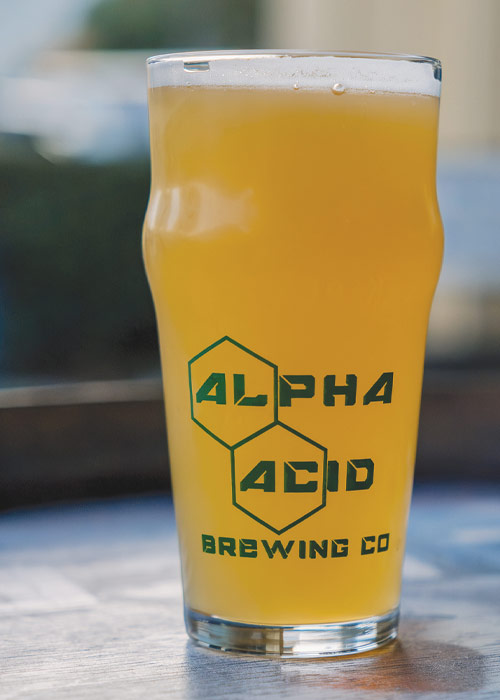
In Belmont’s Harbor Business Center, Alpha Acid Brewing Company exemplifies the "industrial park brewery" model that has become a staple of the American craft movement. Since its inception in 2014, Alpha Acid has built a reputation for technical precision and experimental variety. The brewery’s location, tucked away in a commercial lot, belies the complexity of its output.
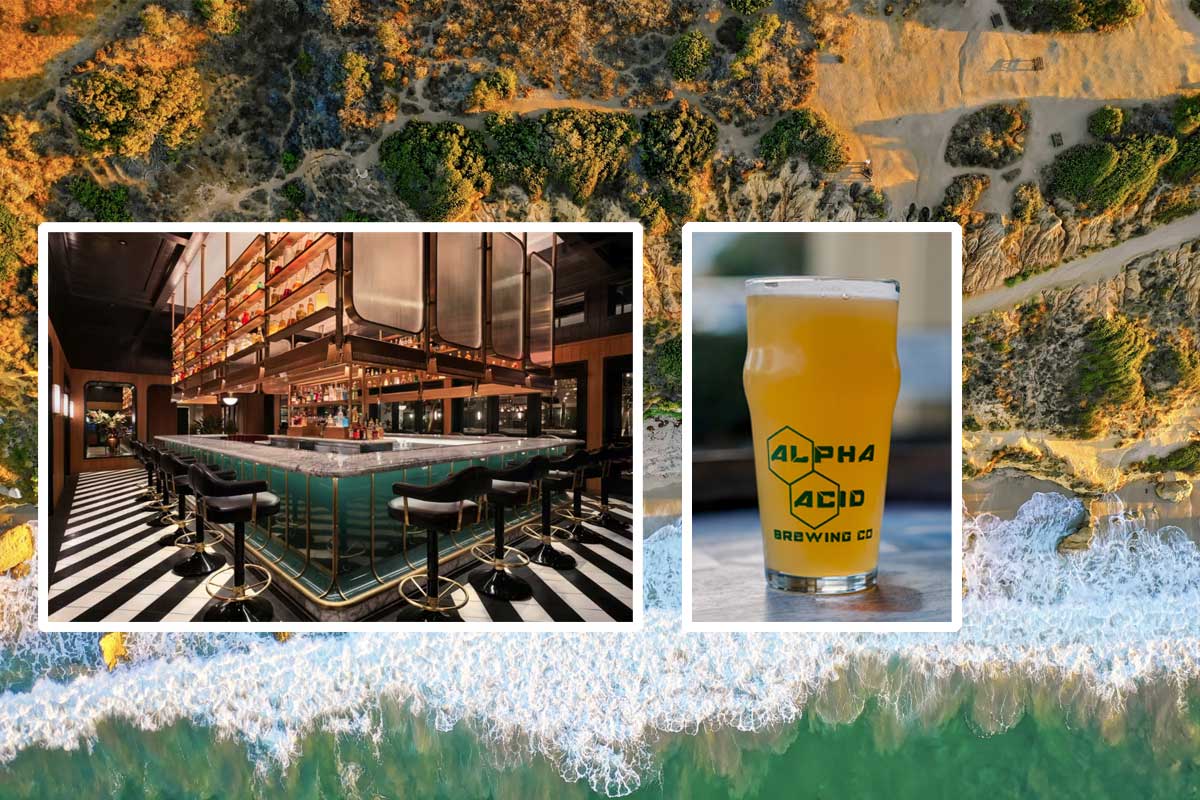
The brewery is particularly noted for its "May The Haze Be With You," a 7% ABV New England-style IPA that utilizes specific hop profiles to achieve notes of orange and pine without the aggressive bitterness of traditional West Coast IPAs. Beyond the popular hazy trend, Alpha Acid has garnered critical acclaim for its "Murder She Wroatmeal," a dark oatmeal stout infused with cacao and coconut.
Furthermore, the brewery’s barrel-aging program represents a high level of investment in long-term fermentation. Offerings such as the "Flying Dutchman," a 10.2% ABV tropical stout aged in rum barrels, demonstrate the brewery’s willingness to engage with high-gravity, complex flavor profiles. The presence of rotating food trucks and pinball machines creates a community "third space" that bridges the gap between the area’s industrial roots and its current status as a residential hub.
Blue Oak Brewing Co.: The Science of Thiolized Yeast and Sours
San Carlos has become a vital node on the Peninsula beer trail, largely due to the presence of Blue Oak Brewing Co. This facility is recognized for its sprawling indoor/outdoor layout and its focus on contemporary brewing sciences. One of the more notable technical aspects of their production is the use of "thiolized" yeast. This specialized yeast strain is engineered to unlock aromatic compounds—thiols—found in malt and hops that are usually inaccessible during standard fermentation, resulting in "super juicy" flavor profiles found in beers like their "Hello Motueka" hazy IPA.
Blue Oak also distinguishes itself through a robust sour program. Their "Cherry Bomb" (fruited sour with cherry and lime) and "POG is My Copilot" (a fusion of passion fruit, orange, and guava) cater to a demographic that favors tart, refreshing, and fruit-forward beverages over traditional malt-heavy styles. By integrating a food truck calendar into their operations, Blue Oak maintains a dynamic environment that encourages repeat visits from both local residents and beer tourists.
Ghostwood: Neighborhood Integration and Technical Versatility
Redwood City’s Ghostwood functions as a quintessential neighborhood brewpub, balancing a social atmosphere with technical brewing excellence. Ghostwood has achieved industry recognition for its "Extra Crispy" light American lager, a style that requires immense technical skill to produce as there are no heavy hop or malt profiles to mask imperfections.
The brewery’s "Serial Chiller" Cold IPA represents another industry trend: the Cold IPA. Unlike traditional IPAs, Cold IPAs are fermented at lower temperatures using lager yeast or specific ale strains, resulting in a crisper, cleaner finish that highlights the hop profile—in this case, the Riwaka, Nelson, and Enigma hops. Ghostwood’s business model successfully integrates entertainment, such as trivia nights, billiards, and gaming, with a sophisticated beverage program, highlighting the role of the modern taproom as a community center.
Freewheel Brewing Company: The Tradition of English Cask Ales
While many Peninsula breweries focus on modern American styles, Freewheel Brewing Company in Redwood City’s Marsh Manor Shopping Center looks toward British tradition. Since 2012, Freewheel has specialized in English cask ales and Extra Special Bitters (ESBs). Cask conditioning is a traditional method where beer undergoes a secondary fermentation in the container from which it is served, typically resulting in lower carbonation and a slightly warmer serving temperature that emphasizes malt complexity.
Freewheel’s flagship "Big V Amber" utilizes Maris Otter malt, a premium British barley variety known for its bready, nutty flavor. The brewery also utilizes nitro pours for its stouts, providing a creamy mouthfeel that has made the venue a favorite for European expatriates and traditionalists. Freewheel’s presence adds a layer of historical depth to the Peninsula’s beer landscape, proving that there is a sustainable market for old-world styles amidst the IPA-dominated American market.
Gourmet Haus Staudt: A Bavarian Anchor
The northern European influence on the Peninsula is further solidified by Gourmet Haus Staudt in Redwood City. Functioning as a Bavarian Bierstube, market, and bottle shop, this establishment serves as a bridge between international traditions and domestic craft. Industry observers note that Gourmet Haus Staudt is one of the leading purveyors of Weihenstephaner—the beer from the world’s oldest continuously operating brewery—in the United States.
The success of Gourmet Haus Staudt highlights the importance of the "bottle shop" component in the craft beer ecosystem. By providing access to rare international imports alongside local releases, it educates the consumer base and raises the overall standard for quality within the region.
Economic Impact and Industry Implications
The concentration of breweries along the Highway 101 corridor has significant implications for the San Mateo County economy. These businesses often occupy "flex" spaces—buildings that can be used for light manufacturing, warehousing, or retail. By repurposing these spaces, breweries increase property values and generate significant sales tax revenue for local municipalities.
Furthermore, the "beer trail" concept promotes regional tourism. According to travel industry reports, "beercations" and brewery-centric travel are on the rise among Millennials and Gen X consumers. The proximity of these breweries to Caltrain stations allows for safe, transit-oriented exploration, which aligns with California’s broader goals of reducing carbon emissions and discouraged impaired driving.
Conclusion: The Future of the Peninsula Beer Trail
The emergence of the San Francisco Peninsula as a premier craft beer destination is a testament to the region’s economic resilience and its culture of innovation. What was once a collection of disparate towns has become a cohesive corridor for culinary and zymurgical exploration. As the industry continues to evolve, the Peninsula is well-positioned to lead in trends such as plant-based taproom dining, technical yeast experimentation, and the revival of traditional cask conditioning.
For the consumer, the 30-mile stretch between Burlingame and Redwood City offers a microcosm of the global beer landscape. Whether it is the precision of a Belmont lager, the tartness of a San Carlos sour, or the malty comfort of a Redwood City ESB, the Peninsula has matured into a sophisticated hub that rivals any established beer region in the United States. The continued growth of these establishments will likely serve as a blueprint for other suburban corridors looking to foster community, culture, and commerce through the craft of brewing.