admin
admin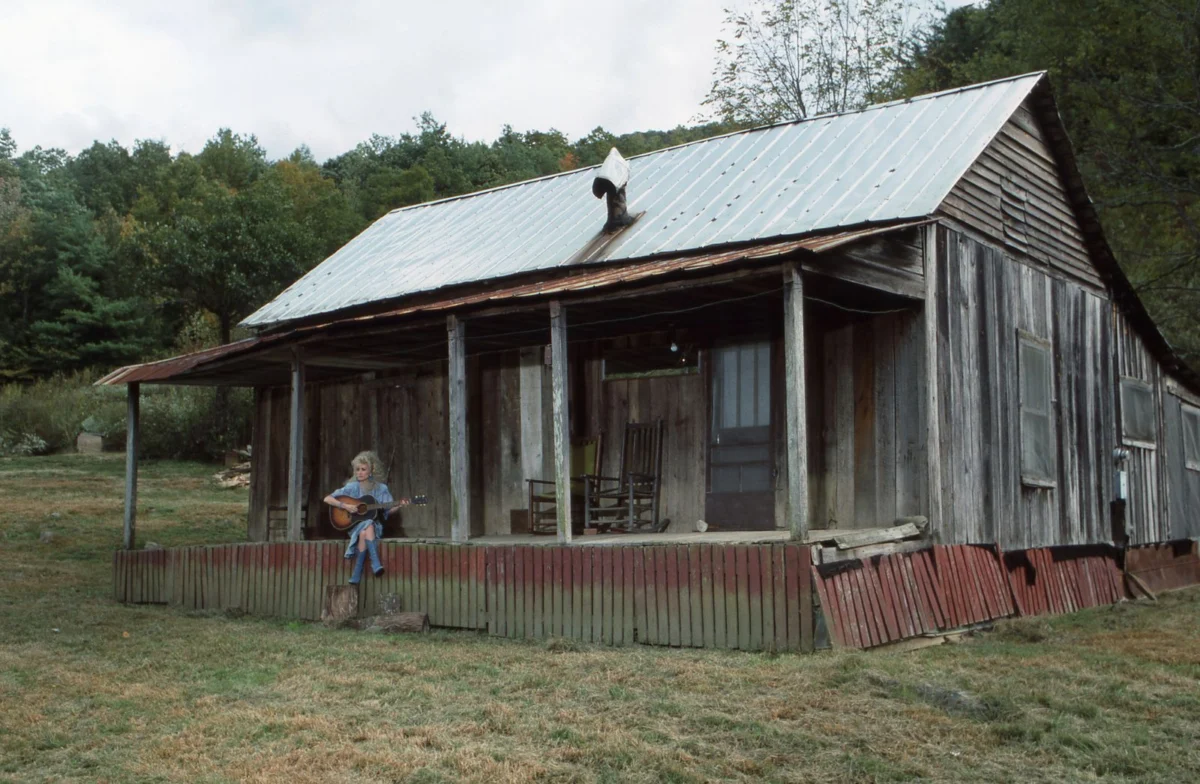
Alongside parents, neighbors, and teachers, the houses where we grow up help raise us, shaping our earliest perceptions of comfort, community, and aspiration. The childhood home sets an often-unspoken benchmark for future attainments. In contemporary discourse, particularly concerning the escalating housing crisis, a significant vein of frustration emanates from younger generations. Many who grew up in seemingly attainable middle-class suburban tract homes now face a stark reality: those same homes, and the lifestyles they represent, are increasingly out of reach. This disillusionment fosters a sense of betrayal, prompting some to actively distance themselves from their housing roots, seeking entirely different, perhaps more lavish or urban, conditions. They aim to forge a life defined solely by their present choices, free from the perceived constraints of their past. Yet, even in this rejection, the houses of our youth exert an indelible influence, forming the bedrock of who we become.
It is within this broader context that the narrative of Dolly Parton’s childhood home resonates with profound significance. The celebrated country music icon, actress, and philanthropist, who remains a vibrant cultural force, was raised alongside her eleven siblings in a modest one-bedroom cabin nestled deep within East Tennessee’s Smoky Mountains. This humble dwelling has, over decades, ascended to a near-mythological status, embodying a powerful testament to resilience, creativity, and the unwavering embrace of one’s origins. Parton’s accounts frequently highlight a childhood devoid of modern amenities like running water or electricity. As the daughter of a field laborer and a homemaker, her mother, Avie Lee Owens Parton, was a paragon of self-sufficiency, meticulously crafting everything from clothes and curtains to bedding by hand, as Parton recounted to Rolling Stone. While her eventual ascent to a net worth approaching $650 million (as of recent estimates) might tempt observers to frame her story as a classic "rags-to-riches" tale, such a simplistic narrative fails to capture the intricate tapestry of her journey. For Parton, the house that forged her was not a past to be escaped or a hardship that merely amplified the allure of stardom. Instead, it became an intrinsic part of her identity, a cherished compass guiding her path, not a burden to be shed.
The Spartan Splendor of a Smoky Mountain Upbringing
Parton’s childhood cabin, a symbol of rural Appalachian life in the mid-20th century, stands in stark contrast to the modern suburban ideal. Photos available online often depict a simple, sturdy structure featuring a pitched roof that extends to form a covered porch—a quintessential element of Southern architecture, serving as both an outdoor living space and a threshold between the domestic and natural worlds. However, it is crucial to note that many widely circulated images are of a meticulously crafted replica situated at Dollywood, her renowned Tennessee theme park. This replica allows visitors to step back in time, offering a tangible glimpse into her formative years. Inside, a woodburning stove dominates the main room, flanked by a simple kitchen table and basic cooking implements. The walls, insulated with layers of newsprint and adorned with floral paper, speak volumes of the resourcefulness necessitated by their circumstances. While the replica integrates some authentic furnishings from Parton’s actual childhood home in Sevier County, the original dwelling itself, which Parton acquired and lovingly renovated in the 1980s, remains a private sanctuary, not open to public tours.
The conditions of Parton’s upbringing were not unique to her family but were indicative of the broader socio-economic landscape of Appalachia during the mid-20th century. Poverty was widespread, with limited access to education, healthcare, and infrastructure. The region’s economy was often reliant on extractive industries like coal mining and timber, which offered unstable and often dangerous employment. Families were large, necessitating collective effort and self-sufficiency. For the Parton family, this meant a life deeply intertwined with the land and the rhythms of nature, where every resource was valued, and community bonds were paramount. This environment, while materially challenging, instilled in Dolly a profound work ethic, a deep appreciation for storytelling, and an enduring connection to her roots.
A Chronology of Resilience and Rise
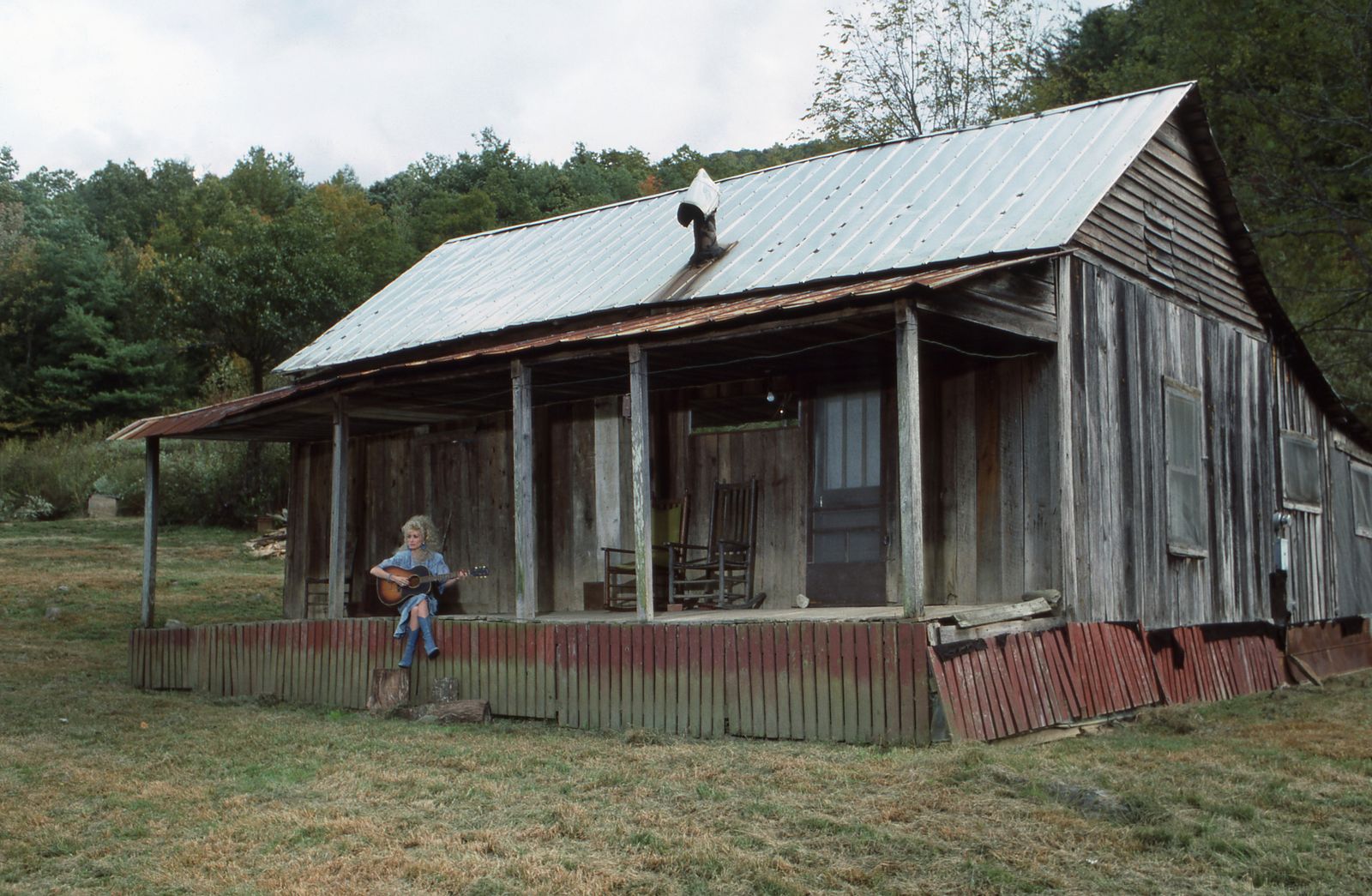
Dolly Parton’s journey from the Smoky Mountains to global superstardom is a testament to her unyielding spirit and remarkable talent.
- 1946: Birth in Sevier County, Tennessee: Dolly Rebecca Parton is born the fourth of twelve children to Avie Lee Owens Parton and Robert Lee Parton Sr. The family lives in a one-bedroom cabin in Locust Ridge, near Pittman Center. Her early life is characterized by poverty but also by a rich cultural environment of music, storytelling, and strong family ties.
- Early 1950s: Musical Awakening: Parton begins singing and playing music at a very young age, often performing for her family and at church. Her uncle, Bill Owens, encourages her musical talents and helps her secure early radio appearances.
- 1957: First Radio Appearance: At the age of 10, Parton makes her first appearance on the Cas Walker Farm and Home Hour radio show in Knoxville, a regional platform that provided exposure for local talent.
- 1959: First Recording: At 13, she records her first single, "Puppy Love," on a small Louisiana label. This early foray into the music industry underscores her precocious ambition.
- 1964: Graduation and Nashville Move: The day after graduating from Sevier County High School, Parton moves to Nashville, determined to pursue a career in music. She quickly begins working as a songwriter, signing with Combine Music.
- 1966: Marriage and Breakthrough: She marries Carl Thomas Dean. Her songwriting prowess gains attention, leading to her first hit as a writer with Bill Phillips’ "Put It Off Until Tomorrow."
- 1967-1974: The Porter Wagoner Show: Parton joins Porter Wagoner’s syndicated television show, becoming his duet partner and a regular performer. This period brings her national exposure and a string of hit duets and solo singles, including "Jolene" and "I Will Always Love You," both released in 1973. Her album My Tennessee Mountain Home is also released in 1973, featuring a photo of her childhood home on the cover.
- 1974: Solo Stardom: Parton leaves The Porter Wagoner Show to focus on her solo career, a move that proves pivotal. "I Will Always Love You" becomes a major hit, solidifying her status as a solo artist.
- 1970s-1980s: Crossover Success: She achieves significant crossover success with pop hits like "Here You Come Again" (1977) and "9 to 5" (1980), from the film of the same name, in which she also starred.
- 1980s: Reacquisition and Preservation: In the 1980s, Parton purchases her actual childhood home from its owners to ensure its preservation. She meticulously renovates it, restoring it to its original condition while adding modern conveniences, but keeping its spirit intact.
- 1986: Dollywood Opens: Parton opens Dollywood in Pigeon Forge, Tennessee, transforming a struggling theme park into a major tourist attraction. A key feature of the park is the replica of her childhood cabin, designed to share her history and Appalachian heritage with visitors.
- 1995: Imagination Library Launched: Parton founds the Dolly Parton’s Imagination Library, a literacy program that mails free books to children from birth until they begin school in participating areas. This initiative directly reflects her mother’s love for reading and her own desire to give back to children, particularly those in underserved communities.
- 2000s-Present: Continued Legacy: Parton continues to record, tour, and engage in various philanthropic endeavors, cementing her status as a cultural icon and a beloved figure known for her generosity, humor, and authenticity. Her story consistently references her humble beginnings as a source of strength and inspiration.
Beyond "Rags-to-Riches": A Philosophy of Abundance
Dolly Parton has consistently challenged the simplistic "rags-to-riches" label often applied to her life. She views her upbringing not as a period of pure deprivation but as a foundation rich in invaluable lessons and emotional wealth. Her mother, Avie Lee, instilled in her a philosophy of abundance, famously telling her, as Parton recounted, "We are rich in love and kindness and understanding." This perspective is eloquently captured in her iconic 1971 song "Coat of Many Colors." The song narrates the true story of her mother sewing her a coat from colorful rags, which Dolly proudly wore to school, only to be mocked by her peers. Yet, in the song, Parton asserts: "But they didn’t understand it / And I tried to make them see / That one is only poor / Only if they choose to be." This lyrical declaration encapsulates her belief that true poverty is a state of mind, not merely a lack of material possessions.
Her childhood home and the experiences within it are recurring motifs throughout her extensive musical catalog. The album My Tennessee Mountain Home (1973) features an evocative photograph of the cabin on its jacket, and the title track itself paints a serene picture of her youth, filled with the sounds of crickets from her porch and the joyful echoes of children playing. It is a portrayal of tranquility and contentment, far removed from any sense of strife or yearning for escape. For Parton, her home was not a site of struggle to be overcome but a wellspring of inspiration, creativity, and identity.
Official Responses and Parton’s Authentic Narrative
Dolly Parton’s narrative about her childhood is not merely a recounting of facts; it’s a carefully constructed and consistently delivered message about resilience, family values, and the power of embracing one’s heritage. Her decision to purchase and renovate her actual childhood home in the 1980s, rather than letting it fall into disrepair or be sold off, speaks volumes about her commitment to preserving her personal history. Furthermore, the creation of the cabin replica at Dollywood is a deliberate act of sharing this history with a wider audience, allowing millions to connect with the origins of her story. This is not an act of self-aggrandizement but a genuine desire to offer an authentic experience and inspire others.
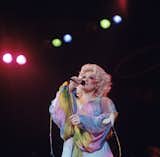
Parton frequently engages in interviews and public appearances where she reiterates these themes, ensuring her story is told on her own terms. Her philanthropic endeavors, most notably the Imagination Library, are direct extensions of her early life experiences. Witnessing her mother’s passion for books and recognizing the limited access to literature in her community, Parton created a program that now spans multiple countries, distributing millions of books annually. This initiative serves as a powerful testament to how her "housing roots" and the values instilled within them continue to inform her profound impact on the world. She consistently frames her success not as an escape from her past, but as a continuation and amplification of the love and lessons she received in that tiny cabin.
Broader Impact and Enduring Implications
Dolly Parton’s story offers a compelling counter-narrative to several prevailing societal anxieties. In a world grappling with a pervasive housing crisis, where the dream of homeownership feels increasingly distant for many, Parton’s emphasis on spiritual and emotional richness over material accumulation provides a refreshing perspective. For young people feeling "betrayed" by the unattainability of the middle-class lives they observed in their youth, Parton’s message suggests that true fulfillment might lie not in replicating a specific architectural or economic ideal, but in finding value and strength within one’s own authentic journey and origins.
Her career itself is a masterclass in authenticity. In an entertainment industry often criticized for its superficiality, Parton’s unwavering commitment to her Appalachian roots, her distinctive persona, and her candid storytelling have resonated deeply with audiences across generations and demographics. This authenticity is a direct product of her refusal to abandon the "conditions that raised us." Instead, she has continuously drawn strength and inspiration from them, transforming what some might perceive as a humble beginning into a wellspring of artistic expression and humanitarian effort.
The architectural simplicity of her childhood cabin—a functional, practical dwelling built for necessity—also carries a message. It speaks to a time when homes were often constructed with ingenuity and resourcefulness, a stark contrast to today’s consumer-driven housing market. The covered porch, a common feature, was more than just an aesthetic detail; it was a vital extension of the living space, a place for community gathering, storytelling, and connecting with neighbors—elements often lost in modern suburban designs focused on privacy and individualistic spaces.
Art critic Dave Hickey, writing about Parton’s performance in Joplin, Missouri, in 1974, observed that Joplin was "one of those places that, no matter where you’re from, you never enter without feeling that you’re coming back to something." This sentiment perfectly encapsulates Parton’s relationship with her own origins. Her life and work are not a trajectory of "making it" in the conventional sense of leaving behind an undesirable past, but rather a continuous journey of "coming back to something." Each new song, film, or philanthropic endeavor is infused with the spirit of that one-bedroom cabin, a fresh interpretation of the values, stories, and resilience that defined her youth. Her success is not measured by how far she has moved away from her roots, but by how deeply she has carried them with her, continually singing her home into being for herself and for the world. Her enduring legacy is a powerful reminder that the true measure of success lies not in escaping one’s past, but in integrating it as a vital, guiding force for a life of purpose and profound impact.